
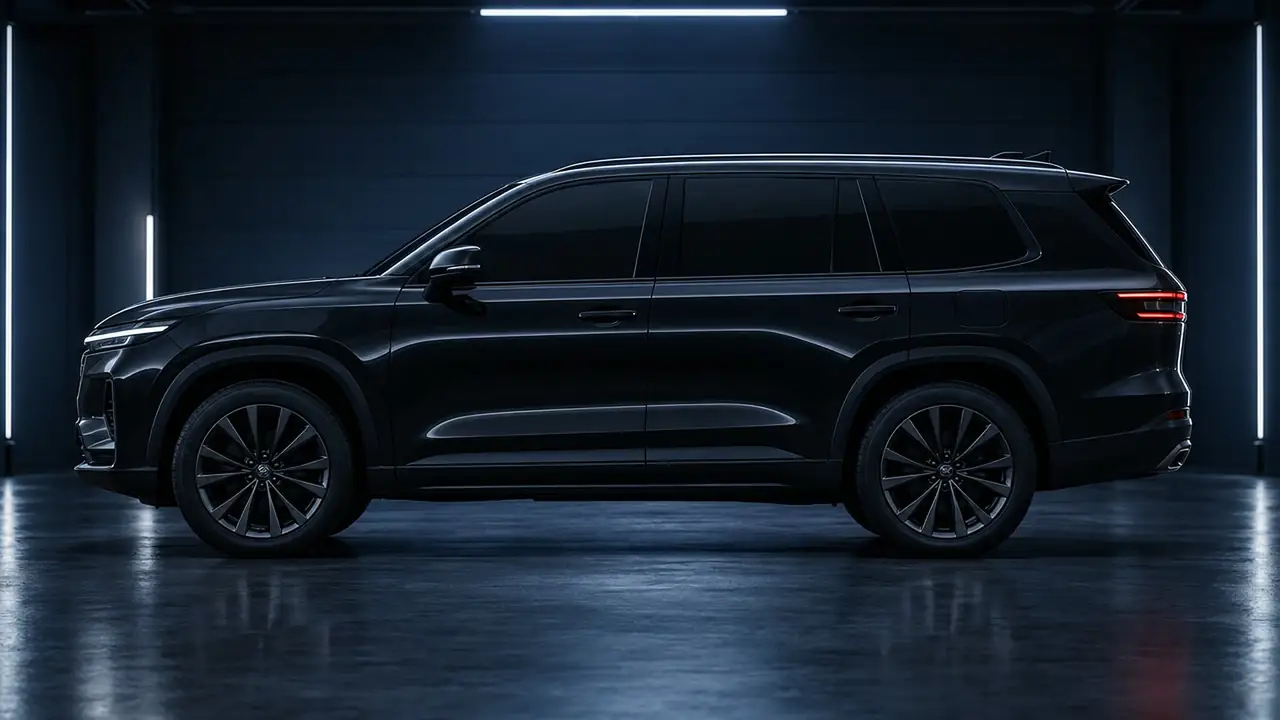
Automotive window film for tint shops
Automotive window film is a thin adhesive film applied to a vehicle's glass to darken it, cut glare and add privacy. Glacier makes automotive film in ceramic only, with no dyed film in the line, and supplies it as rolls to tint shops that cut it to each vehicle. Glacier sells wholesale to shops, not drivers.
What is automotive ceramic window film?
Window tint is layered polyester with a dye, metal or ceramic component that darkens it, plus an adhesive that bonds it to glass. That component decides how the film ages and how it behaves around electronics.
Ceramic film uses non-metallic ceramic particles. Glacier makes only ceramic, and none of its window films are dyed.
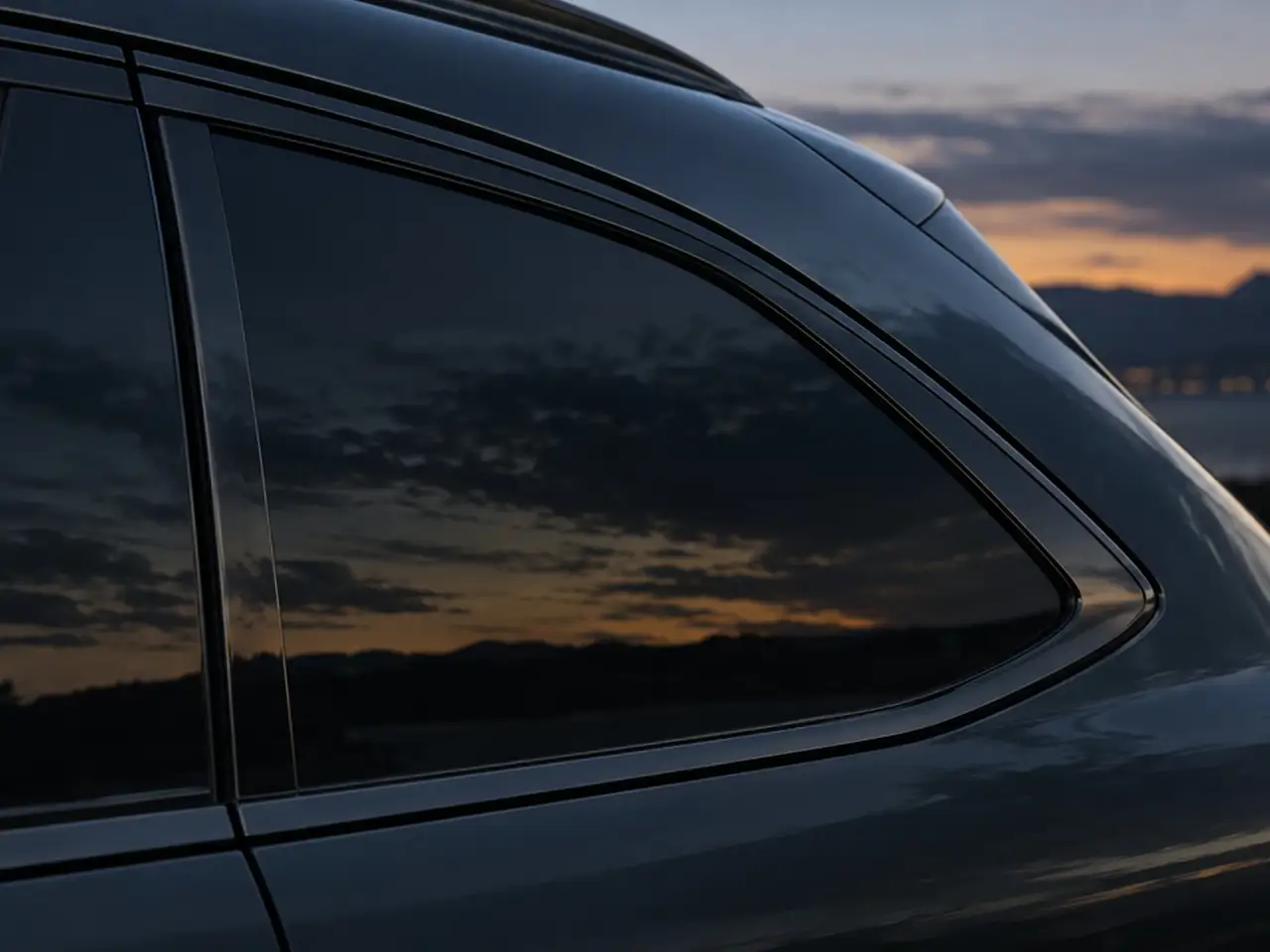
What is the difference between ceramic, carbon and dyed tint?
A short, general comparison. See the ceramic vs carbon vs dyed guide for the full version.
| Type | What darkens it | Known trade-off |
|---|---|---|
| Dyed | Dye in the film | Known to fade toward purple over time |
| Metalized | Metal particles | Can interfere with GPS, cellular and radio signals |
| Carbon | Carbon particles | Avoids both problems; different look and feel |
| Ceramic (all Glacier automotive film) | Non-metallic ceramic particles | Non-conductive; chosen where signals and long-term color matter |
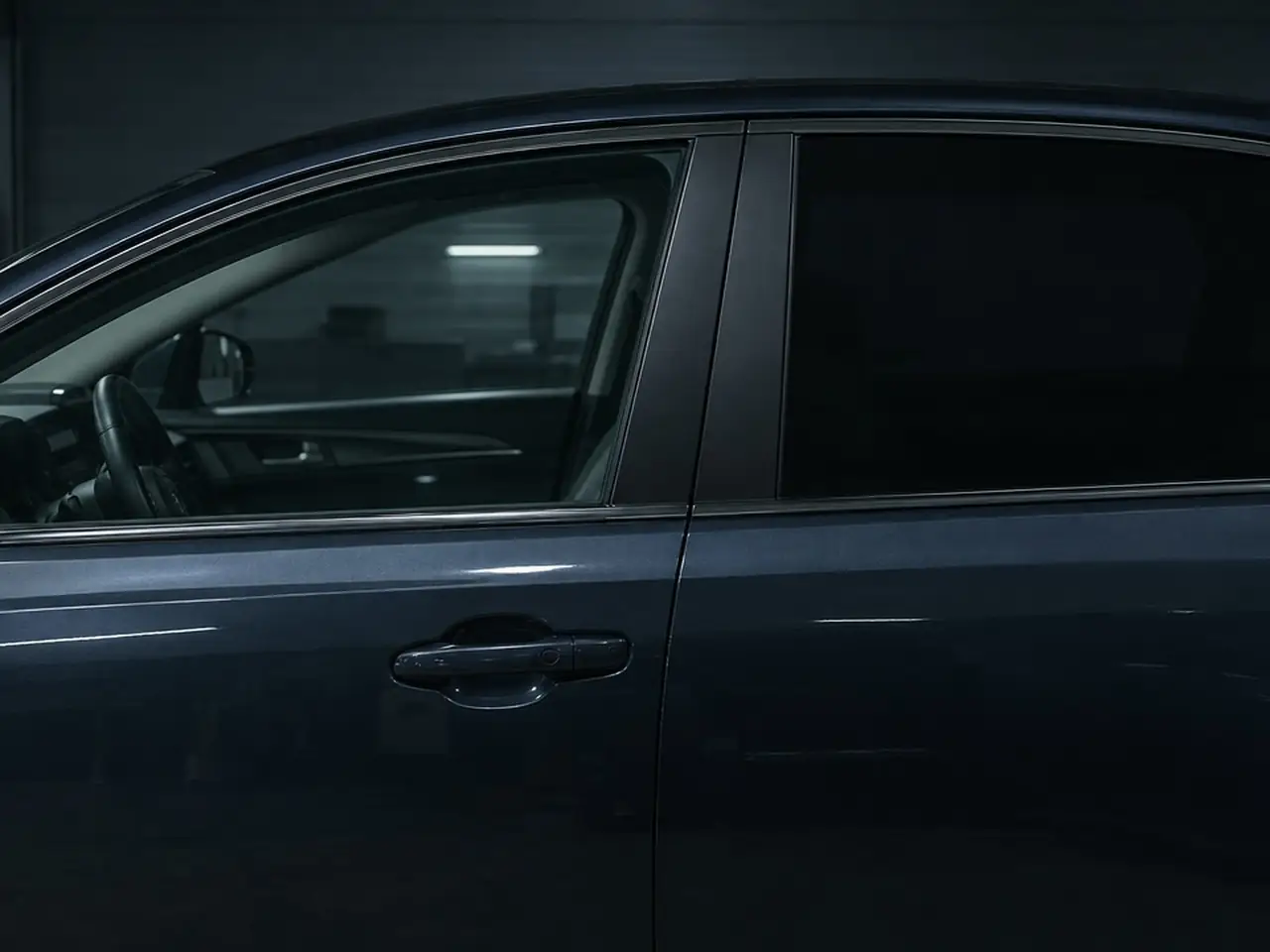
What are Glacier's three automotive ceramic lines?
Glacier's automotive film comes in three ceramic lines. They are different grades with different spec tables, so compare them on each line page and ask your rep which suits your customers.
Ask your Glacier rep for the warranty terms on each automotive film line.
| Line | Where to compare | Ask your Glacier rep |
|---|---|---|
| Premium Ceramic | Premium Ceramic | Shades and widths: ask your Glacier rep |
| Ceramic Plus | Ceramic Plus | Shades and widths: ask your Glacier rep |
| Ceramic Ultimate Plus | Ceramic Ultimate Plus | Shades and widths: ask your Glacier rep |
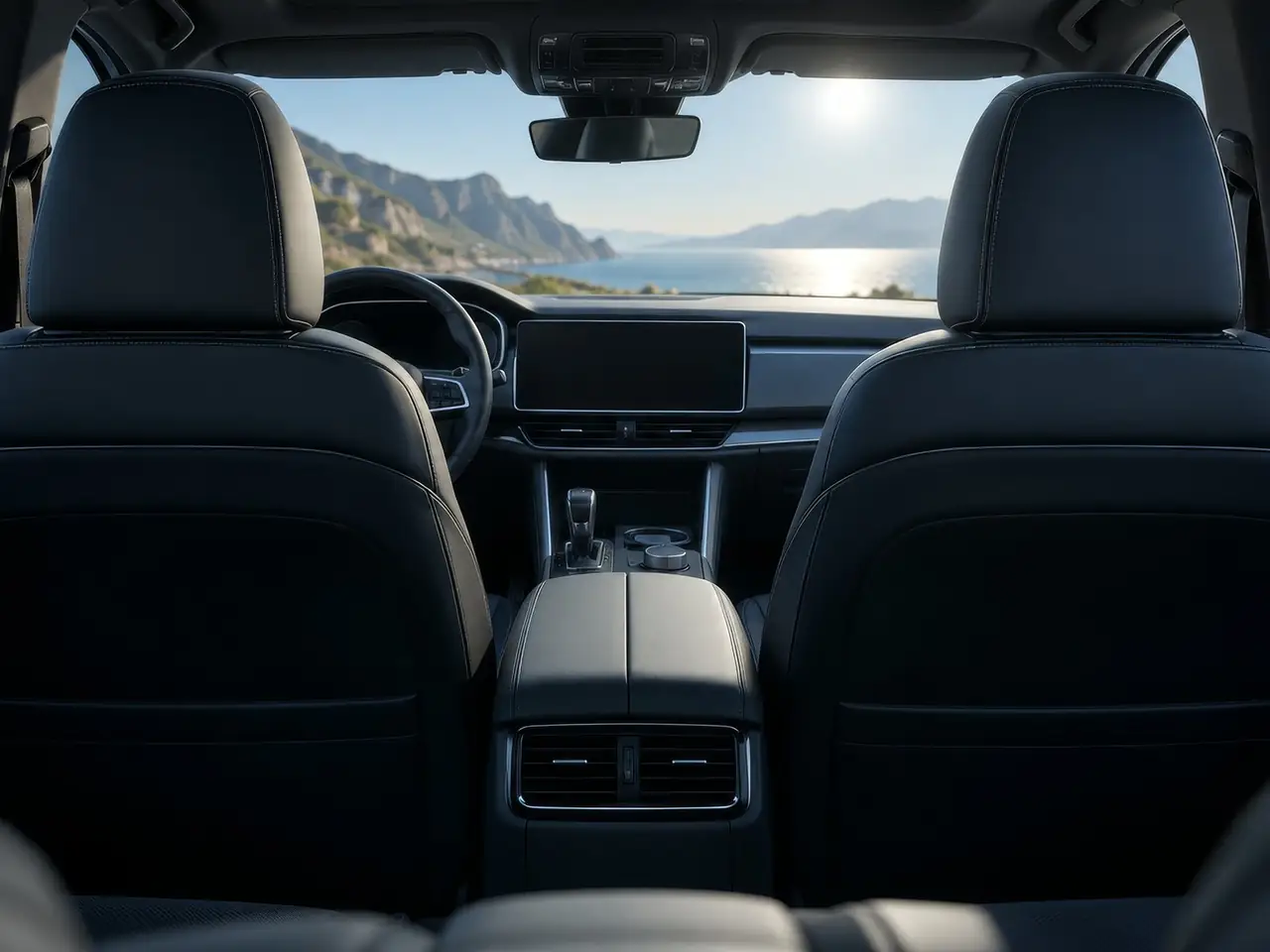
Which VLT should a shop stock first?
VLT is visible light transmission: the share of visible light that passes through film and glass together. A lower number is darker. Factory glass is often already slightly tinted, so the finished window is film plus glass.
Shops usually stock a spread, then add shades as customers ask. Ask your rep which VLTs each line currently covers.
- Darker shades: rear glass and privacy, where local rules allow.
- Mid shades: a balanced look.
- Lighter shades: front side windows or windshield-area strips where permitted.
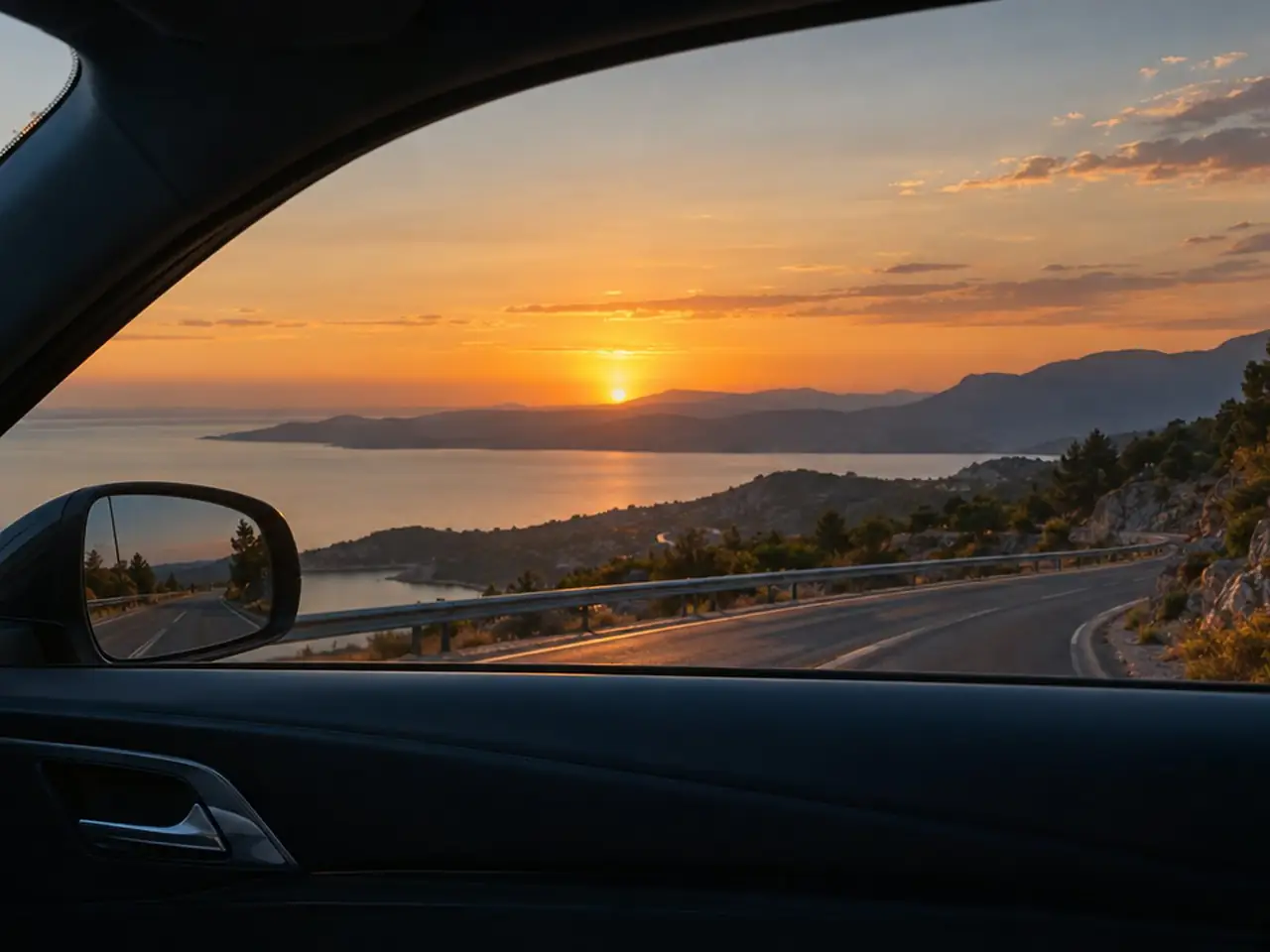
What do tint laws mean for the front windows?
Limits vary by state and sometimes by window position, vehicle type and medical exemption. Rules also change, so check the current rules for the customer's state before choosing a shade. The state tint laws resource is a starting point; your state's motor vehicle authority is the final word.
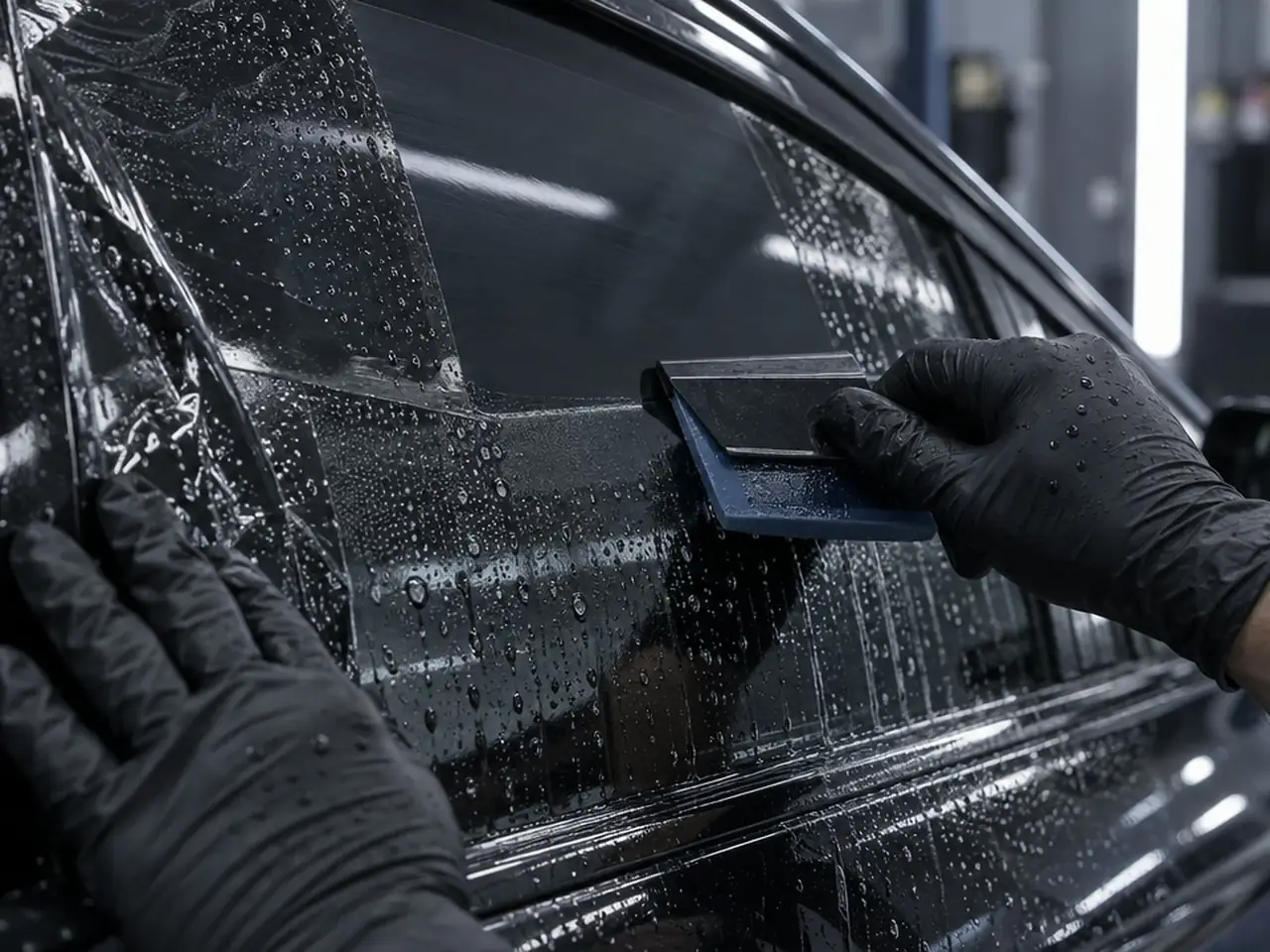
How do shops install roll film?
Automotive tint goes on the inside of the glass, applied wet. This is general good practice.
- 1. Check the state rules for the shade.
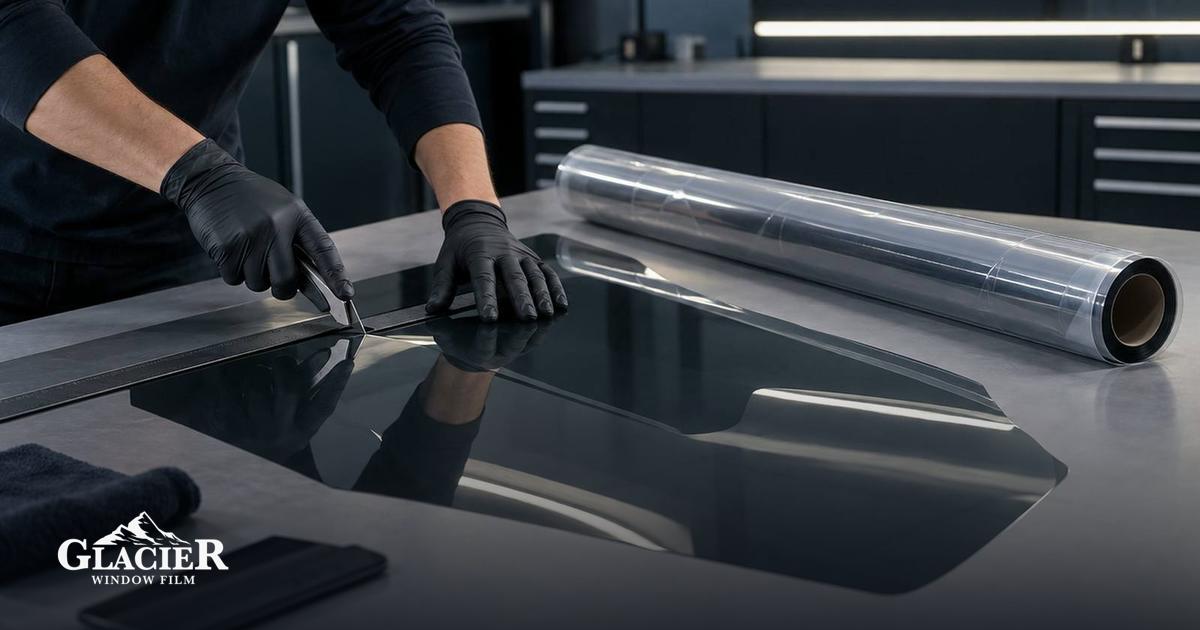
- 2. Cut the pattern from the roll with a plotter or by hand.
- 3. Heat-shrink the film to fit curved glass.
- 4. Clean the glass thoroughly and spray slip solution.
- 5. Position the film and squeegee out the water.
- 6. Check edges around defroster lines and dot-matrix borders, then hand over an aftercare card.

What should customers know about heat, glare and fading?
Tint helps with glare and privacy, and shade choice sets how dark the glass looks. Ceramic film has no dye, so it does not have the color shift known in dyed film.
After install, customers should leave windows up for the period the shop advises, expect a short haze or a few water bubbles while the film cures, and clean the inside glass with a soft cloth and an ammonia-free cleaner.
How long does window tint last?
It depends on the film construction, the install quality and how it is cared for. Dyed film is the type known to fade. Glacier does not publish a lifespan figure here; ask your Glacier rep for current product information.
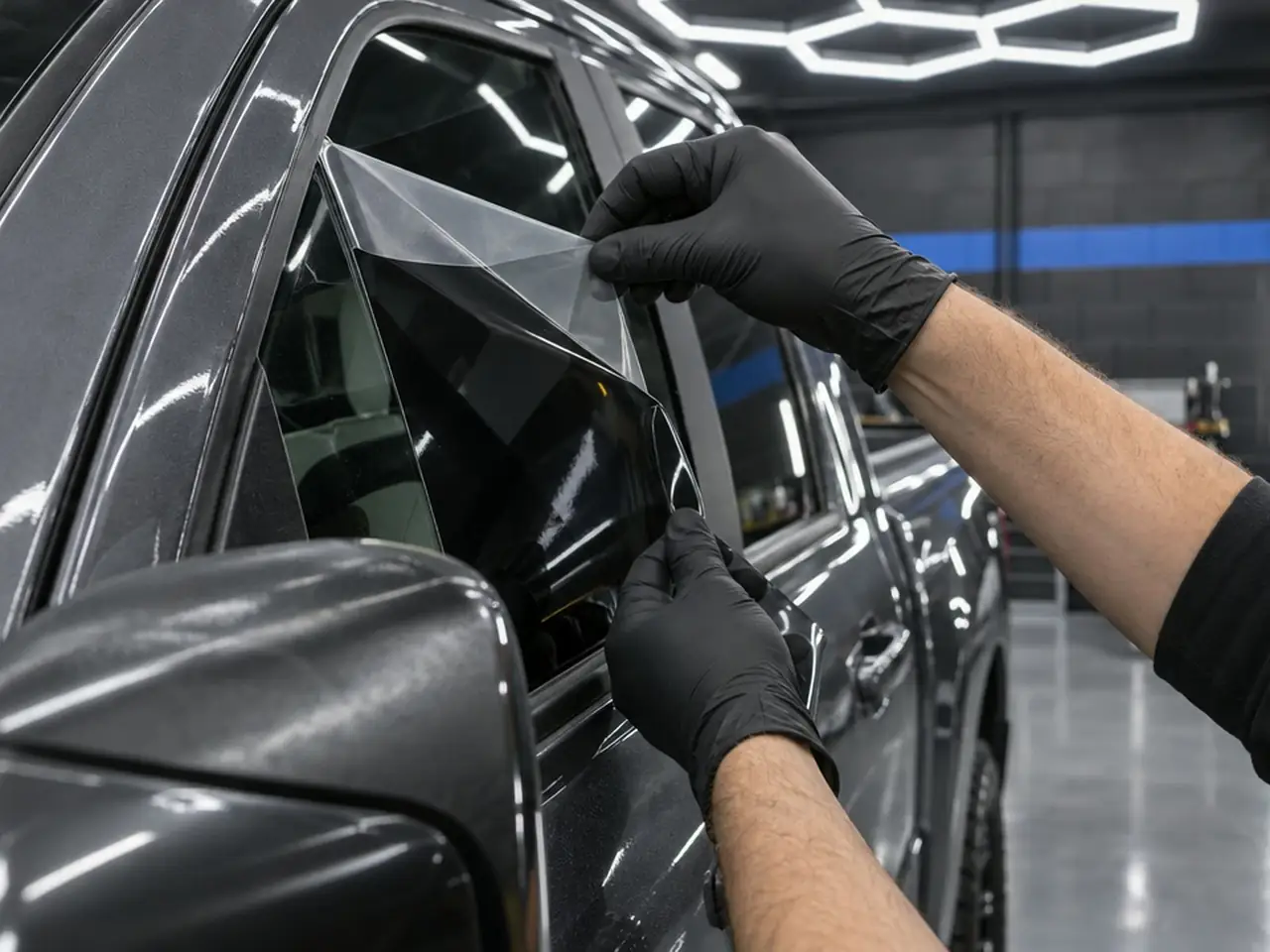
How do I order automotive window film wholesale?
Glacier supplies uncut rolls for plotter cutting and ships nationwide. Request a quote with the lines, shades, widths and quantities you need, or apply for a trade account. Ask your Glacier rep about availability, timing and samples.
Ask your Glacier rep what is available on a trade account.
For drivers: is ceramic tint worth it?
Tint is worth it if heat, glare and privacy bother you in the car. Ceramic is the construction people choose when signals and color matter. The legal shade for your state sets the limit.
Glacier sells to shops, not drivers. Ask your tint shop for Glacier film or use the dealer finder to see Glacier dealers near you.
Keep exploring
Explore the tools
Related products
At a glance.
- Construction
- Nano-ceramic
- VLT range
- 5% – 70%
- TSER
- Ask your Glacier rep
- UV rejection
- 99%+
- Roll widths
- 20", 36", 40", 60", 72"
- Warranty
- Ask your Glacier rep
Common questions
9 questions. Select one to open it.
What is the difference between ceramic, carbon and dyed tint?
Dyed uses dye and can fade toward purple. Metalized uses metal and can interfere with signals. Carbon avoids both but looks and ages differently. Ceramic uses non-metallic ceramic particles and is non-conductive. Glacier makes only ceramic.
Should my shop offer ceramic, carbon or dyed tint?
That is your call, and customers vary. Glacier makes ceramic only. Ceramic is the construction chosen where signals and long-term color matter.
Does ceramic tint interfere with GPS, phone or radio signals?
Glacier ceramic film is non-metallic, so it isn't designed to interfere with GPS, cellular, radio or satellite signals.
What does VLT mean?
Visible light transmission: the percentage of visible light that passes through the film and glass. A lower number is darker.
What VLT can I put on the front windows?
It depends on your state and sometimes the vehicle. Check the current state rules before choosing a shade.
Will ceramic tint fade or turn purple?
Color shift is a known problem of dyed films. Glacier's film is not dyed, which is why shops choose ceramic for long-term color.
What are Glacier's automotive window film lines?
Premium Ceramic, Ceramic Plus and Ceramic Ultimate Plus. Compare them in the spec tables on each line page.
What roll widths do tint shops need for cars and trucks?
It depends on the glass you cut. Ask your Glacier rep which widths each line comes in and see the spec table on each line page.
How do I choose a window film supplier for my tint shop?
Look at the lineup, sample availability, how the supplier handles orders. Glacier supplies film, plotters and installation tools to shops nationwide. Ask a Glacier rep for samples.
Compare across window film.
Architectural / Flat Glass
Solar-control film for commercial and residential glazing. Energy and glare reduction.
Privacy
Frosted, etched, and patterned film for offices, retail, and healthcare glazing.
Perforated
One-way vision film for storefronts, vehicle graphics, and transit advertising.