How to choose security and safety window film
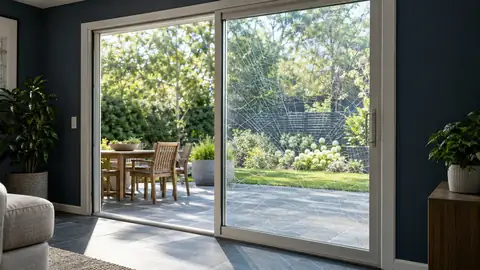
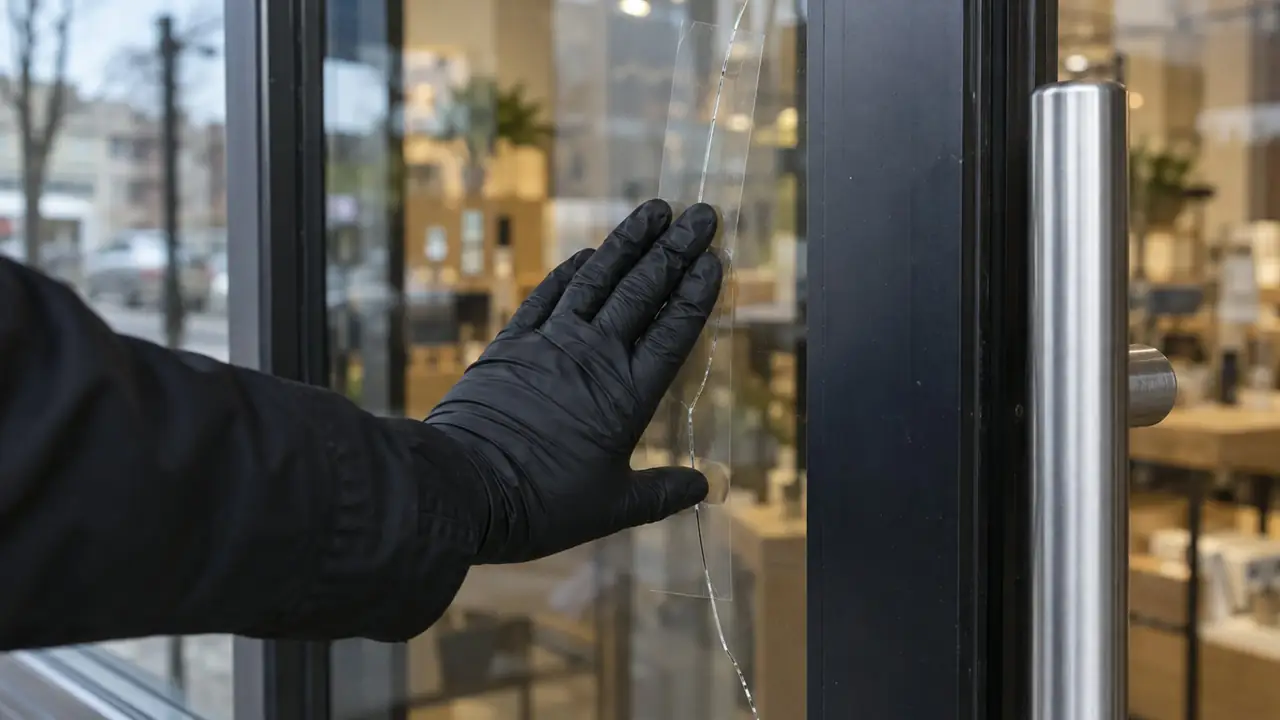
Choose by the problem. Safety film keeps glass pieces together after an accidental break. Security film is designed to hold broken glass in place and can slow entry. Anti-graffiti film is a replaceable layer that takes scratches and tags. None is bulletproof or a guarantee. Glacier supplies all three to shops and installers.
What is the difference between safety, security and anti-graffiti film?
All three are clear films applied to glass, but they solve different problems. Pick by the problem, then by the glass.
| Name | Safety film | Security film | Anti-graffiti film |
|---|---|---|---|
| Main job | Keeps glass pieces together when glass breaks by accident | Holds broken glass in place and can slow entry | Takes scratches, etching and tags so the glass stays clean |
| What happens on impact | Pieces stay stuck to the film | Glass can break but is held together longer | Surface damage lands in the film, not the glass |
| Typical places | Schools, offices, glass doors, low glass near foot traffic | Storefronts, banks, offices, ground-floor glass | Transit, storefronts, public buildings |
| What it is not | Not bulletproof, not a replacement for safety glazing | Not bulletproof, not a guarantee against break-in | Not impact protection for the glass |
| Replaceable | Usually stays on the glass | Usually stays on the glass | Peeled off and replaced |
Does security window film stop a break-in?
Not by itself. Film holds broken glass together, which can delay entry and reduce flying shards. It does not make glass unbreakable and does not replace locks, alarms or security glazing.
Be honest about this with customers. Over-promising is the fastest way to lose their trust.
What does anchoring add, and when is it used?
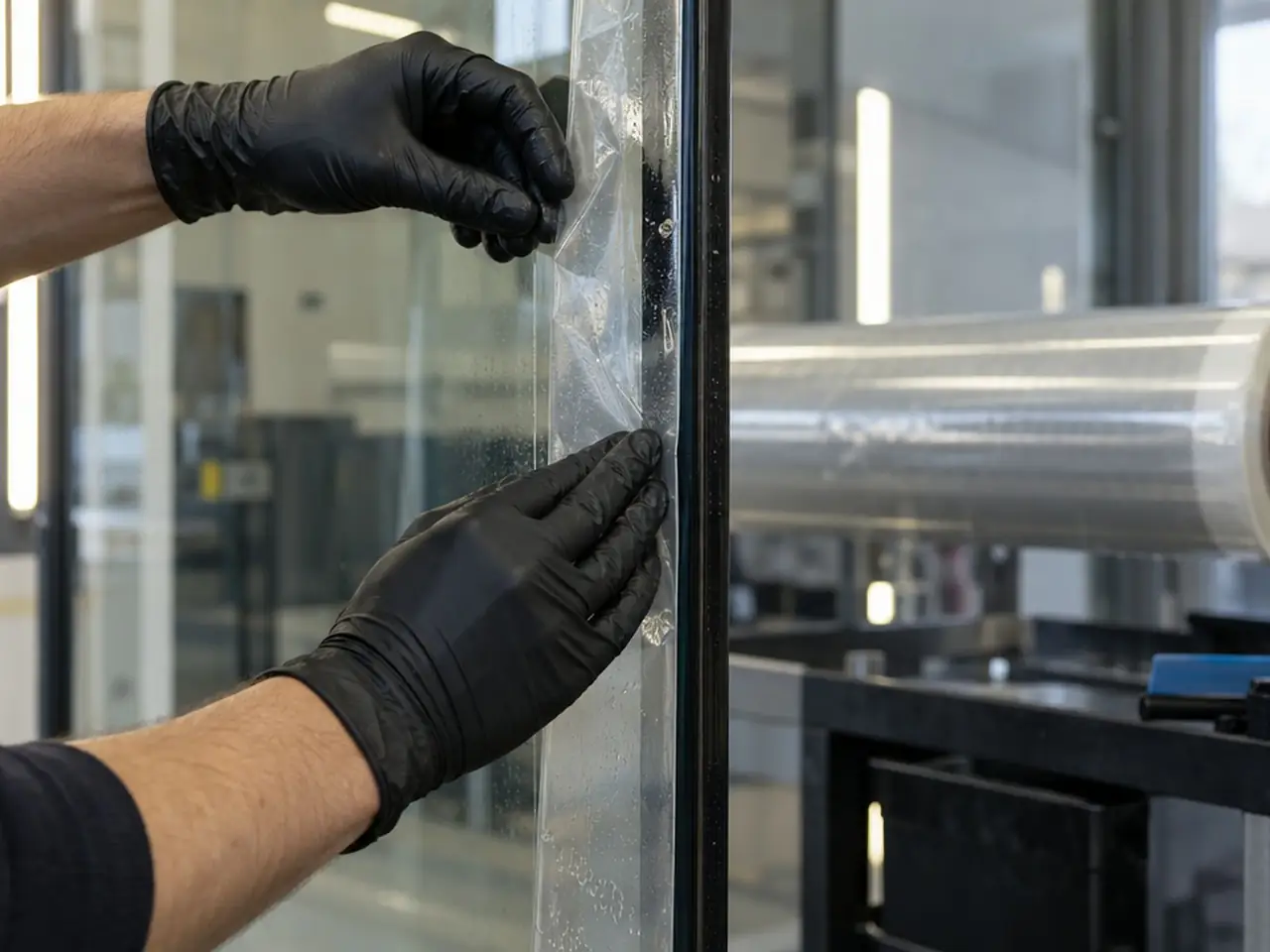
Anchoring attaches the edge of the film to the window frame so the film and glass are held in the frame, not just to each other. It is used when a customer wants the glass to stay in its opening longer after a break.
Ask your supplier what anchoring systems they support and whether your frames can take one.
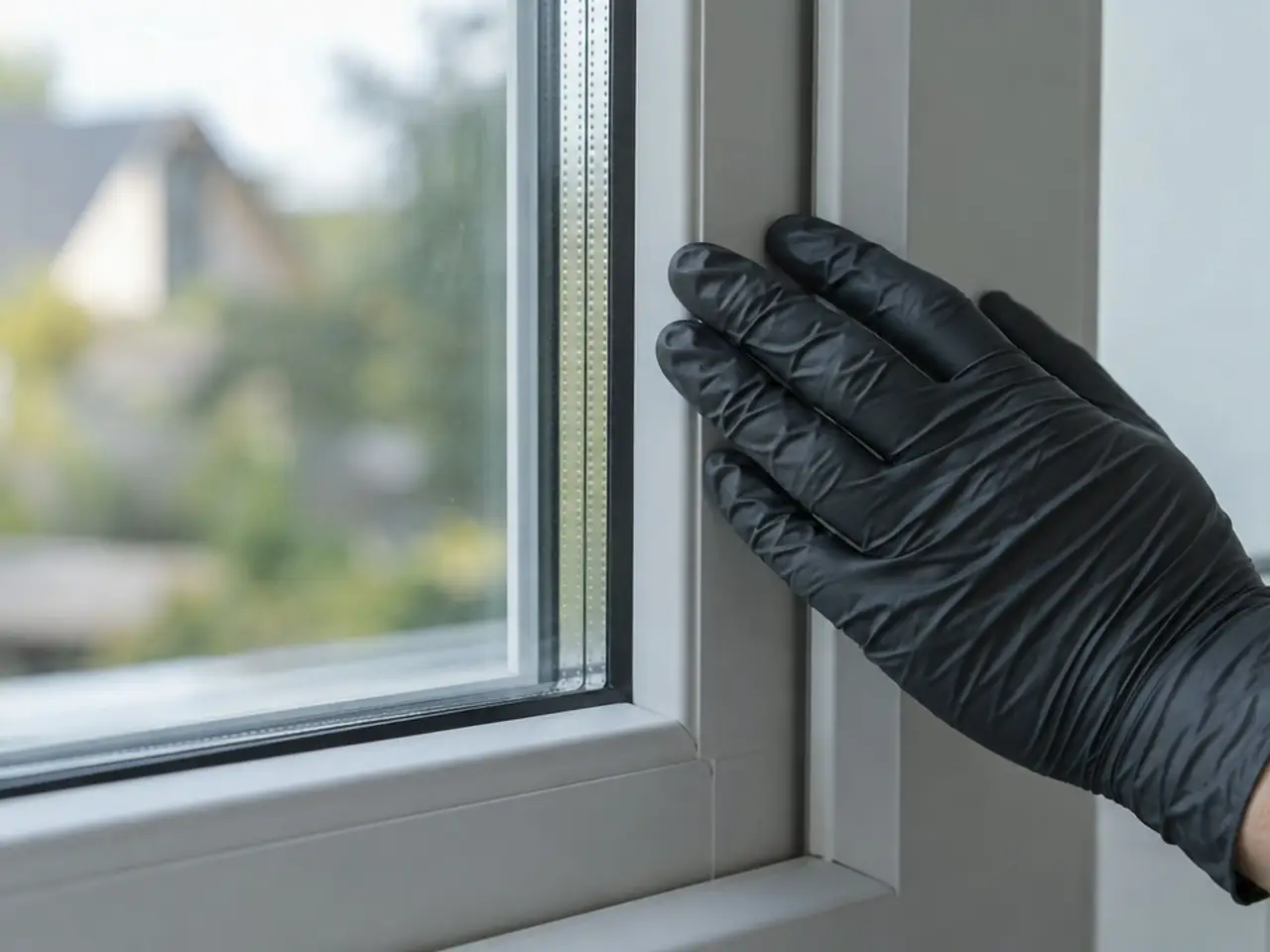
What glass and frames can take these films?
The glass decides. Check it before you quote.
- Single pane, double pane or laminated.
- Annealed, tempered or heat-strengthened.
- Glass condition: chips, cracks, failed seals.
- Frame type and condition, especially for anchored systems.
- Pane size and exposure to sun.
How do you choose the right film?
Work through these questions with the customer.
- 1. What is the risk: accidental breakage, forced entry or vandalism?
- 2. Where is the glass: ground floor, doors, low glass, exterior or interior?
- 3. Does the customer want the film visible or invisible?
- 4. Is anchoring needed?
- 5. Check glass type and frame with the supplier's guidance.
- 6. Quote the job with plain wording about what the film does and does not do.
What should you ask a supplier?
Use these for any supplier, Glacier included.
- Which safety, security and anti-graffiti films do you stock, and in which widths?
- Can you supply spec sheets and any documentation for the claims you make?
- Which glass types are approved?
- What anchoring options are available?
- How is anti-graffiti film replaced, and how often will it need it?
- Can I get samples?
- What are the warranty terms?
How are safety, security and anti-graffiti films installed?
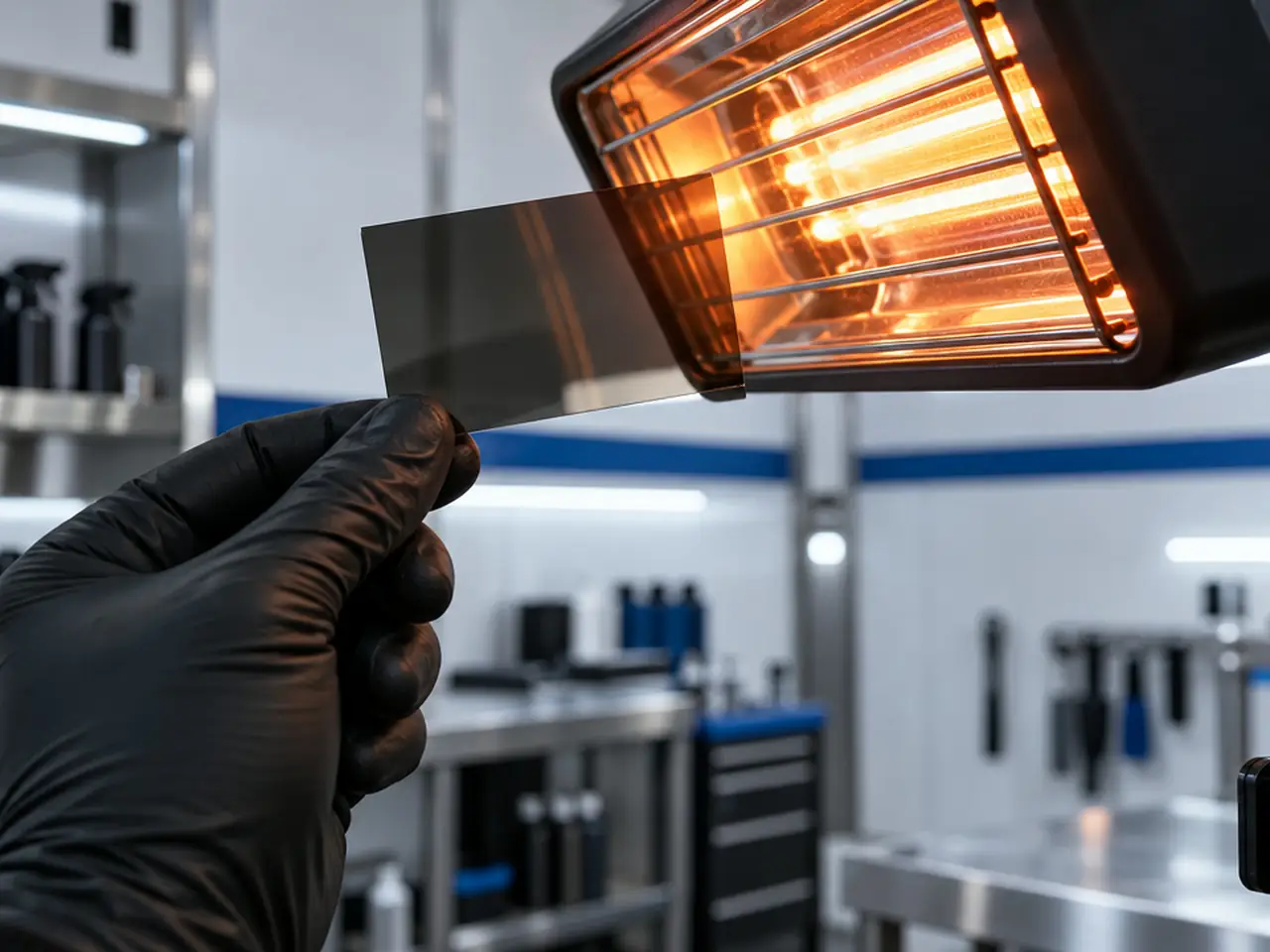
The basic method is the same as other flat-glass film, with extra care at the edges. Anchored systems need frame work that varies by system.
- 1. Inspect the glass and frame, and record pane sizes.
- 2. Clean the glass thoroughly.
- 3. Cut the film to size and apply with slip solution.
- 4. Squeegee out the water and trim the edges.
- 5. For anchored systems, fit the anchor to the frame as the supplier directs.
- 6. Give the customer care instructions, and for anti-graffiti film, how replacement works.
What should you tell customers?
Plain wording protects both you and the customer.
- The film holds broken glass together; it does not make glass unbreakable.
- It is not bulletproof and is not a guarantee against break-in.
- Safety, security and anti-graffiti film do different jobs.
- Locks, alarms and good glazing still matter.
Which film fits which job?
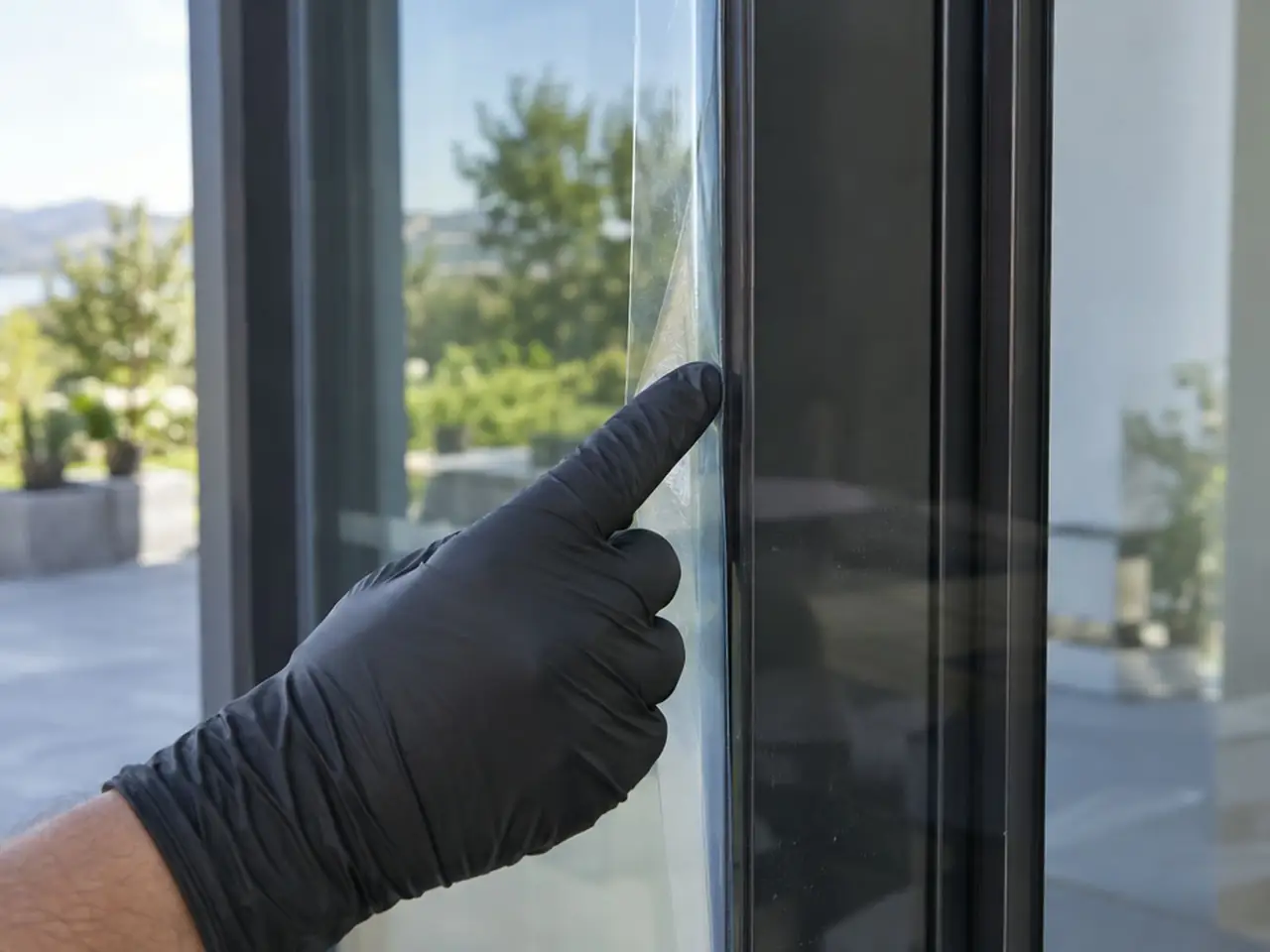
Match the film to the risk and the place.
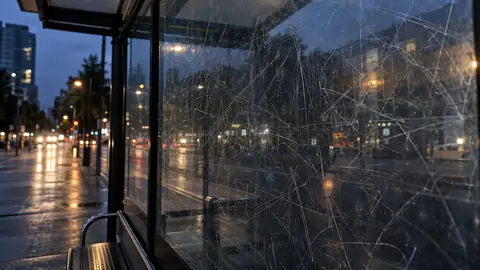
For glass doors and low glass near foot traffic, safety film is the usual starting point. For ground-floor storefronts and offices where forced entry is a concern, ask about security film and anchoring. For transit stops, shop fronts and public buildings that get tagged, ask about anti-graffiti film. Some jobs use more than one layer, so ask your supplier how the films combine.
How do shops order from Glacier?
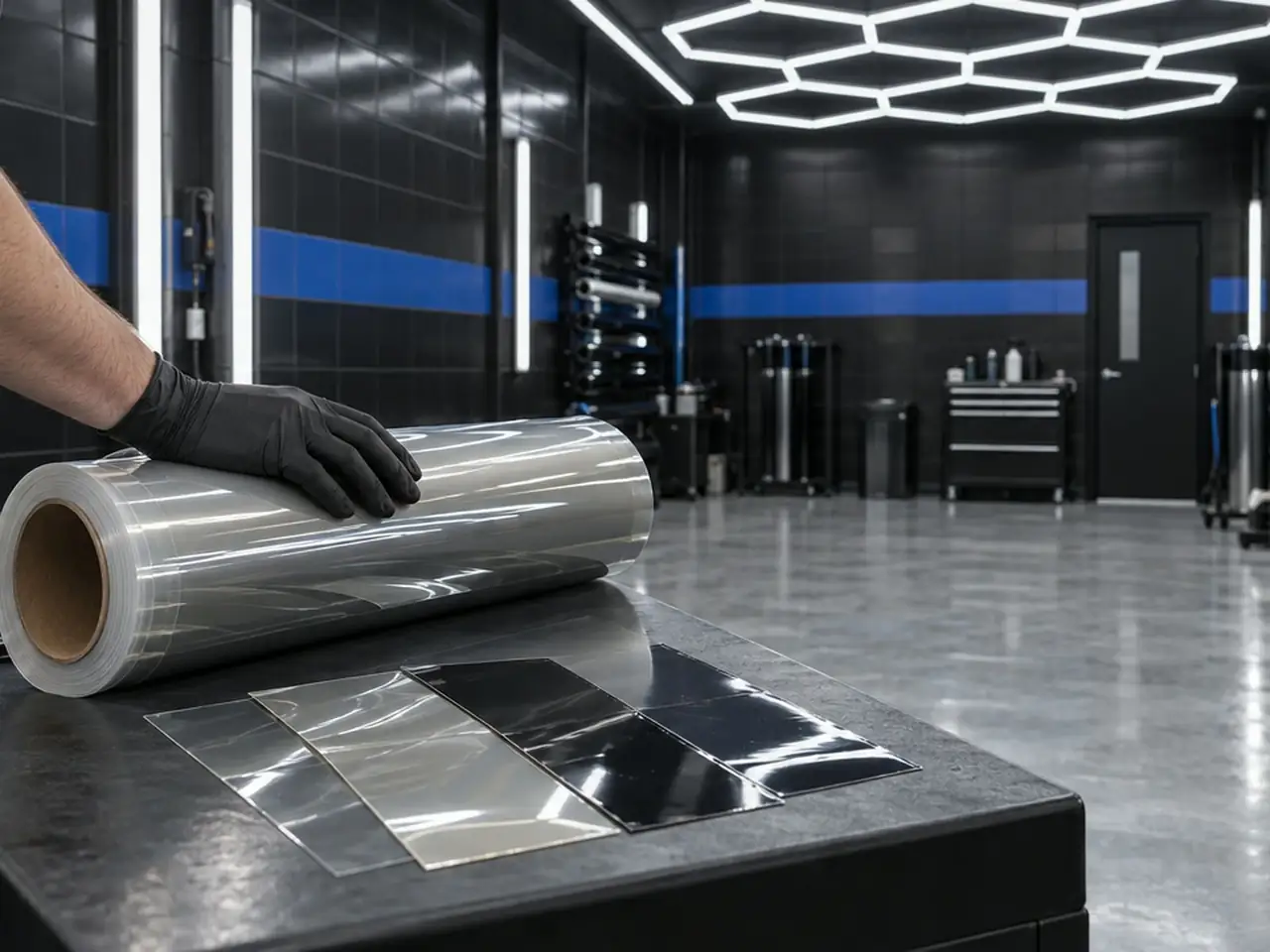
Open a wholesale account or request a quote. Glacier ships nationwide. Ask your Glacier rep about availability and timing for your order.
In this guide
- What is the difference between safety, security and anti-graffiti film?
- Does security window film stop a break-in?
- What does anchoring add, and when is it used?
- What glass and frames can take these films?
- How do you choose the right film?
- What should you ask a supplier?
- How are safety, security and anti-graffiti films installed?
- What should you tell customers?
- Which film fits which job?
- How do shops order from Glacier?
Quick answers
9 questions. Select one to open it.
What is security window film and how does it work?
Security window film is a clear, multilayer film bonded to glass. If the glass breaks, the pieces are held together instead of scattering. It can slow entry and reduce flying-glass injuries.
Does security window film stop a break-in?
Not by itself. It can delay entry by holding broken glass in place, but it is not a guarantee and does not replace locks, alarms or security glazing.
What does security window film do and what does it not do?
It holds broken glass together. It does not make glass unbreakable, bulletproof or burglar-proof, and it is not a substitute for safety or security glazing.
What is anti-graffiti window film and who makes it?
It is a clear, replaceable layer over glass that takes scratches and tags. Glacier supplies anti-graffiti film to tint shops and installers.
Does thickness matter?
Thickness is one factor; ask your supplier about the film for your glass and frame.
Where can I buy security window film rolls wholesale for installers?
Glacier supplies security film as rolls to tint shops and installers on a wholesale account. Request a quote.
Does security or safety film meet building code?
This page makes no standards claim. Local code and the glass type decide what is required. Ask your Glacier rep for any documentation you need.
Is anti-graffiti film the same as safety or security film?
No. Anti-graffiti film protects the glass surface from scratches and tags and is replaced when damaged. Safety and security film are about how glass behaves when it breaks.
Can security film go on car windows?
Ask your Glacier rep which glass types and uses suit the film.
Install security or safety film? Apply for a wholesale account.