Iceberg clear gloss paint protection film for installers
Glacier Iceberg is clear gloss paint protection film (PPF) that guards paint against rock chips, scuffs and road wear while keeping the factory gloss. Glacier supplies Iceberg on rolls to PPF installers, tint shops and detailers. Glacier sells wholesale only.
What is clear gloss paint protection film?
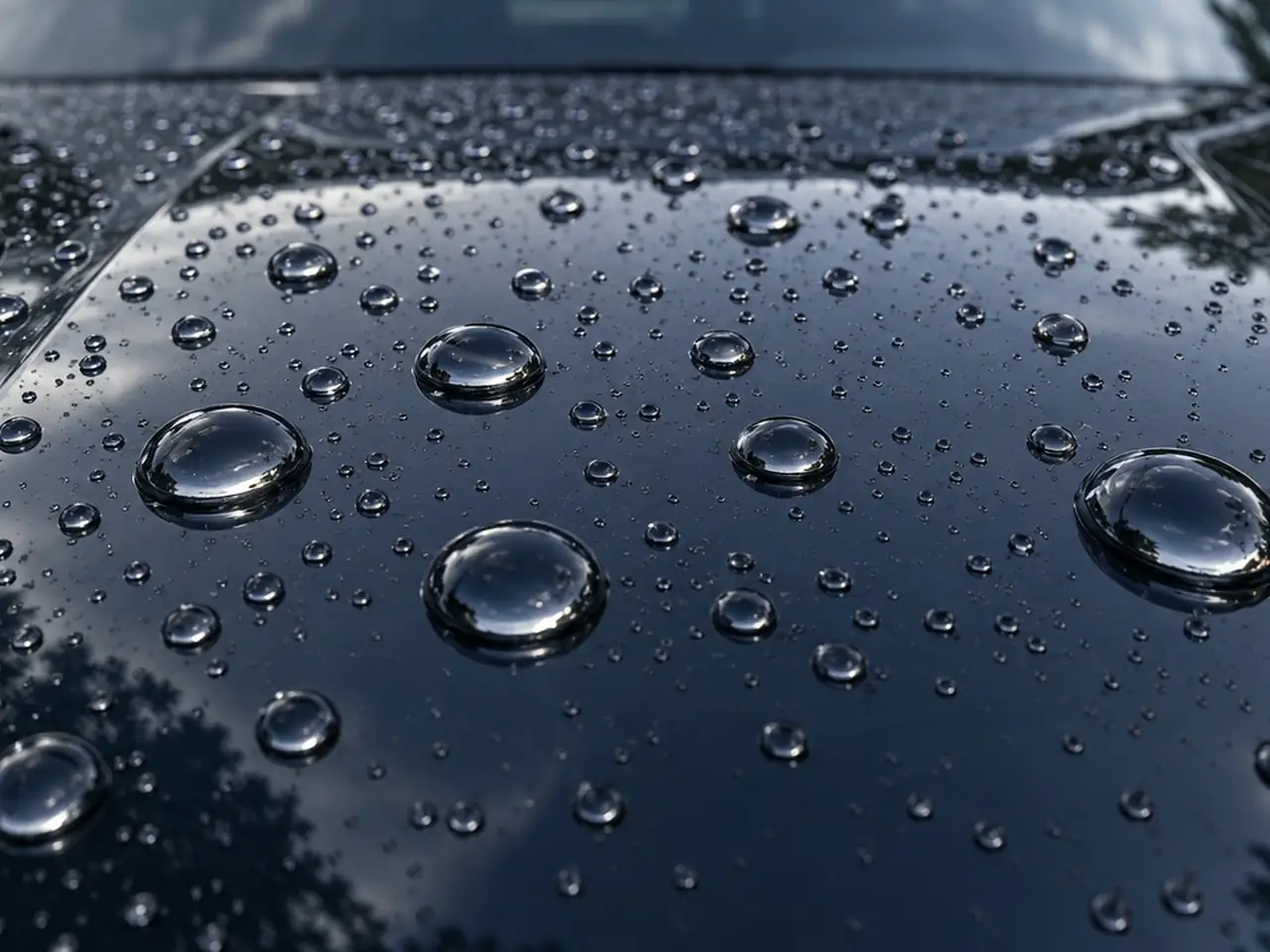
PPF is a thin, flexible, transparent urethane film with an adhesive on one side. It goes over painted panels so stone chips, bug acid, light scratches and wash marks land on the film instead of the paint.
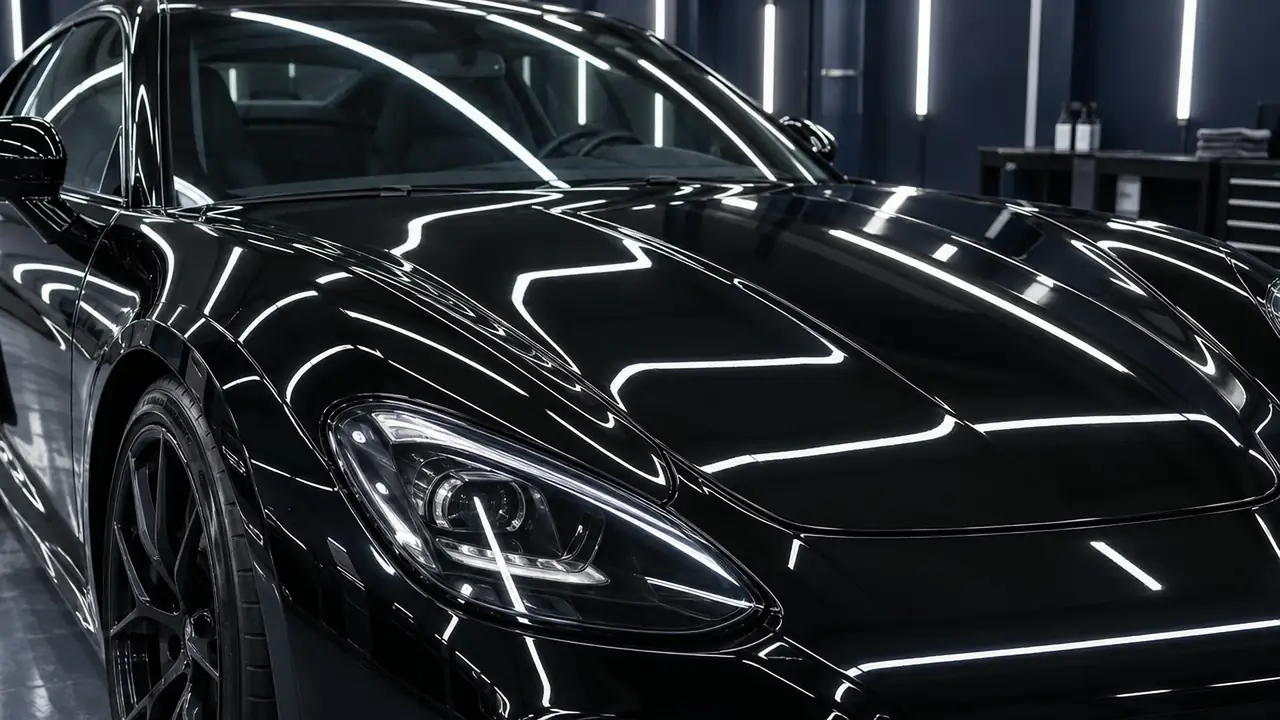
Clear gloss PPF is meant to disappear on the panel, so factory paint keeps looking like factory paint. When the film is worn or damaged, it is removed.
Who buys Glacier's clear gloss PPF?
Glacier sells Iceberg wholesale to shops. Drivers get it through an installer.
- PPF installers. Glacier supplies PPF on rolls.
- Tint shops adding PPF next to window film.
- Detailers and appearance shops selling protection packages.
- Dealers who resell Glacier film (apply for a wholesale account).
When should a shop choose Iceberg?
Choose by what the owner wants the car to look like after the job.
- The owner wants the paint to look exactly as it did from the factory.
- The car is a daily driver, a lease or a vehicle the owner plans to sell, where original paint matters.
- The shop wants one clear film for most customers and a separate satin film for the few who ask for a finish change.
- The owner is unsure. Start with the front end and add areas later.
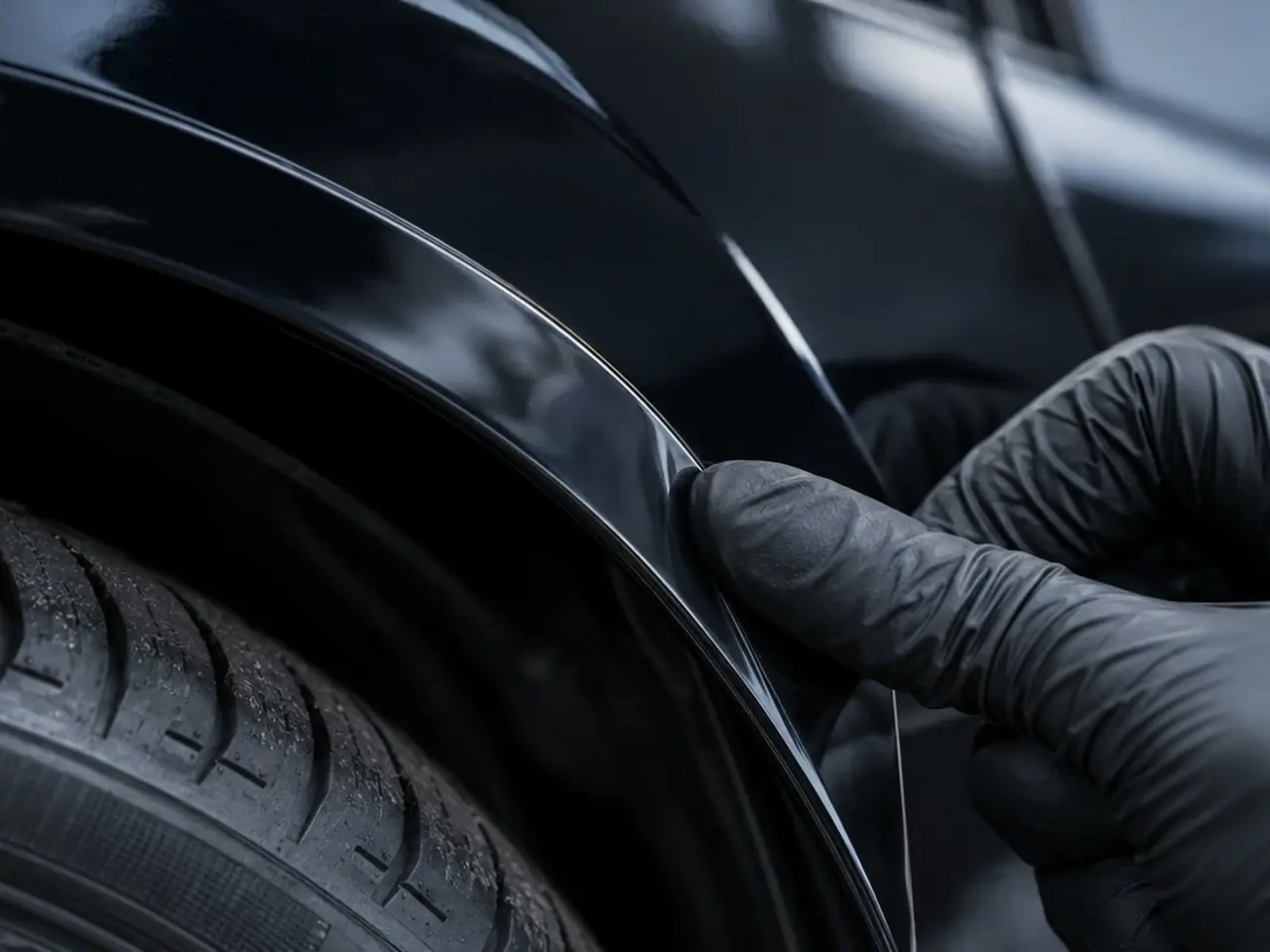
What finishes does Glacier PPF come in?
Glacier supplies two PPF finishes for paint. Finish names are not standardized, so look at a sample on a panel in daylight before you promise a look.
| Name | Iceberg | Blizzard | Glacier Guard |
|---|---|---|---|
| Finish | Clear gloss | Satin | Not a paint finish; for the windshield |
| Goes on | Painted panels | Painted panels | The windshield |
| Pick it when | The owner wants factory paint to look unchanged | The owner wants a satin look plus protection | The shop sells windshield protection |
| Page | This page | Satin PPF | Glacier Guard |
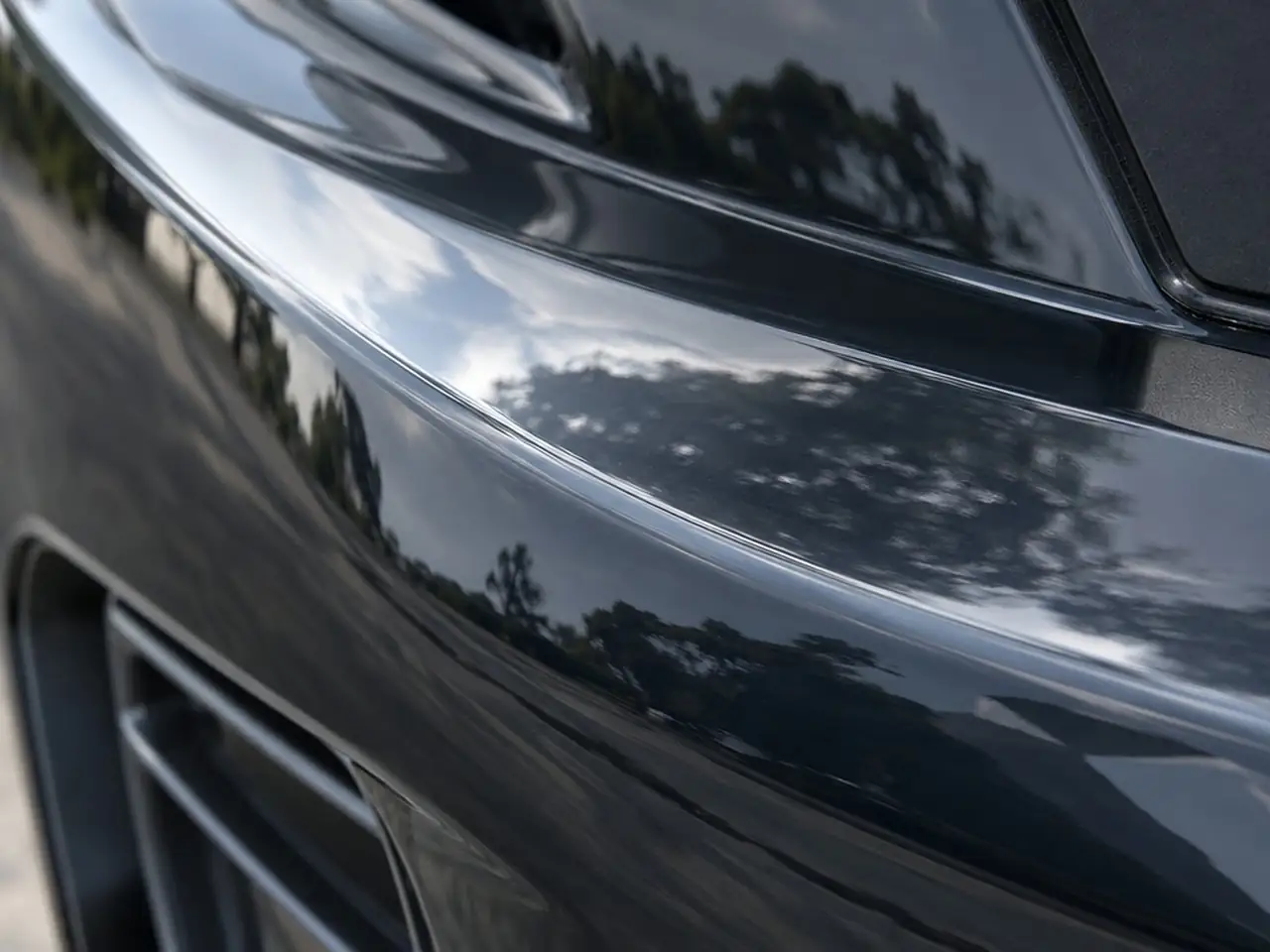
What coverage packages do shops sell?
Shops usually sell PPF in packages, from small to large. Our coverage guide shows how to build a menu without listing prices.
Quote coverage by wear pattern, then walk the customer through what each package leaves exposed. A partial front catches the bumper but leaves fender edges and mirror backs open, so point those out on the car before the customer chooses. When a shop adds panels later, record which ones were done so patterns can be matched and edges lined up. A simple diagram on the work order saves arguments afterward about what was covered.
- Partial front or bumper: the most chip-prone area at the lowest labor.
- Full front: bumper, hood, fenders, mirrors and sometimes headlights.
- Extended front or track pack: front end plus rocker panels, A-pillars or roof leading edge.
- Full body: every painted panel.
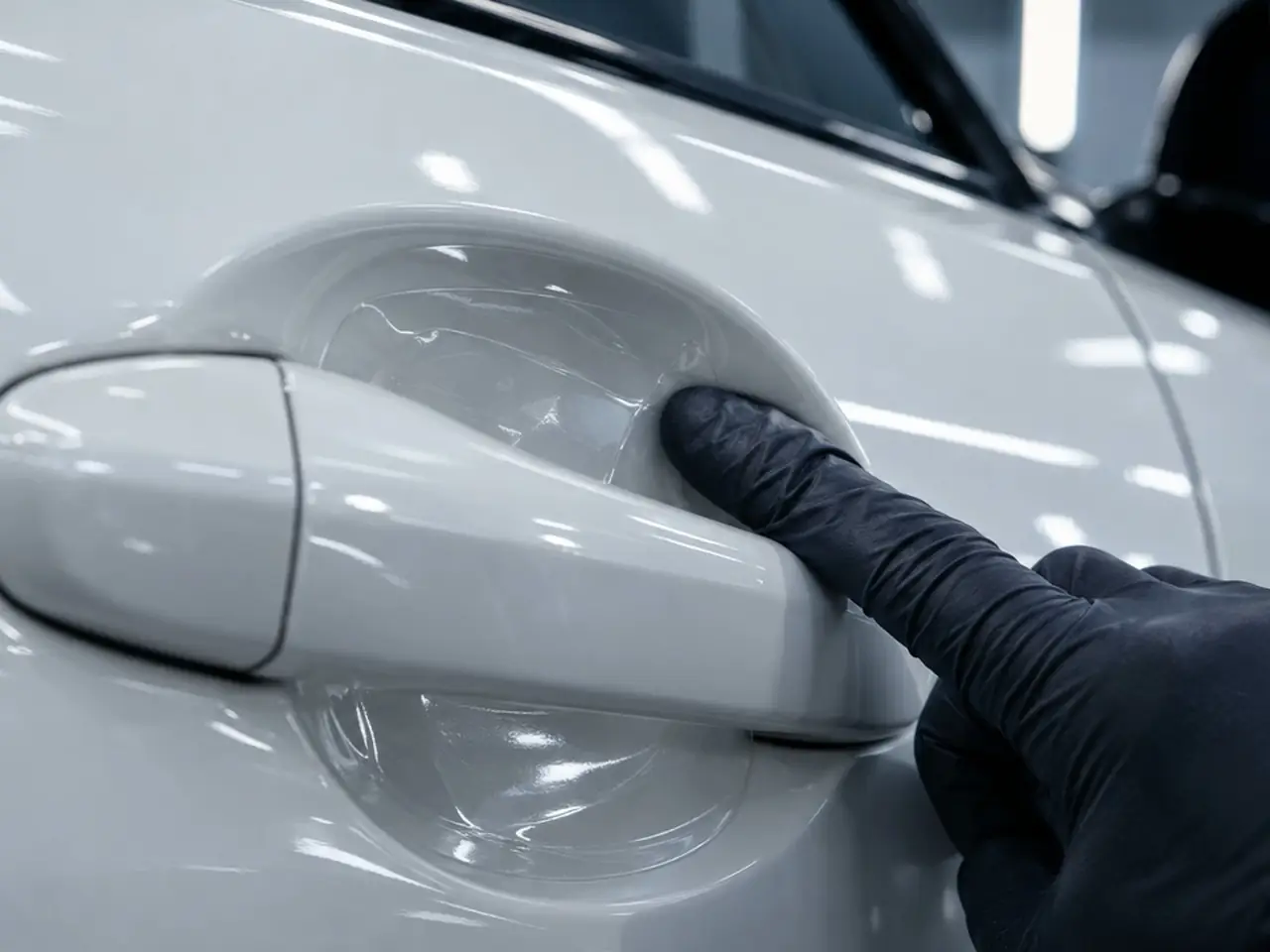
- Custom areas: door edges, door cups, sills and trunk loading edge.
- Windshield film as an add-on.
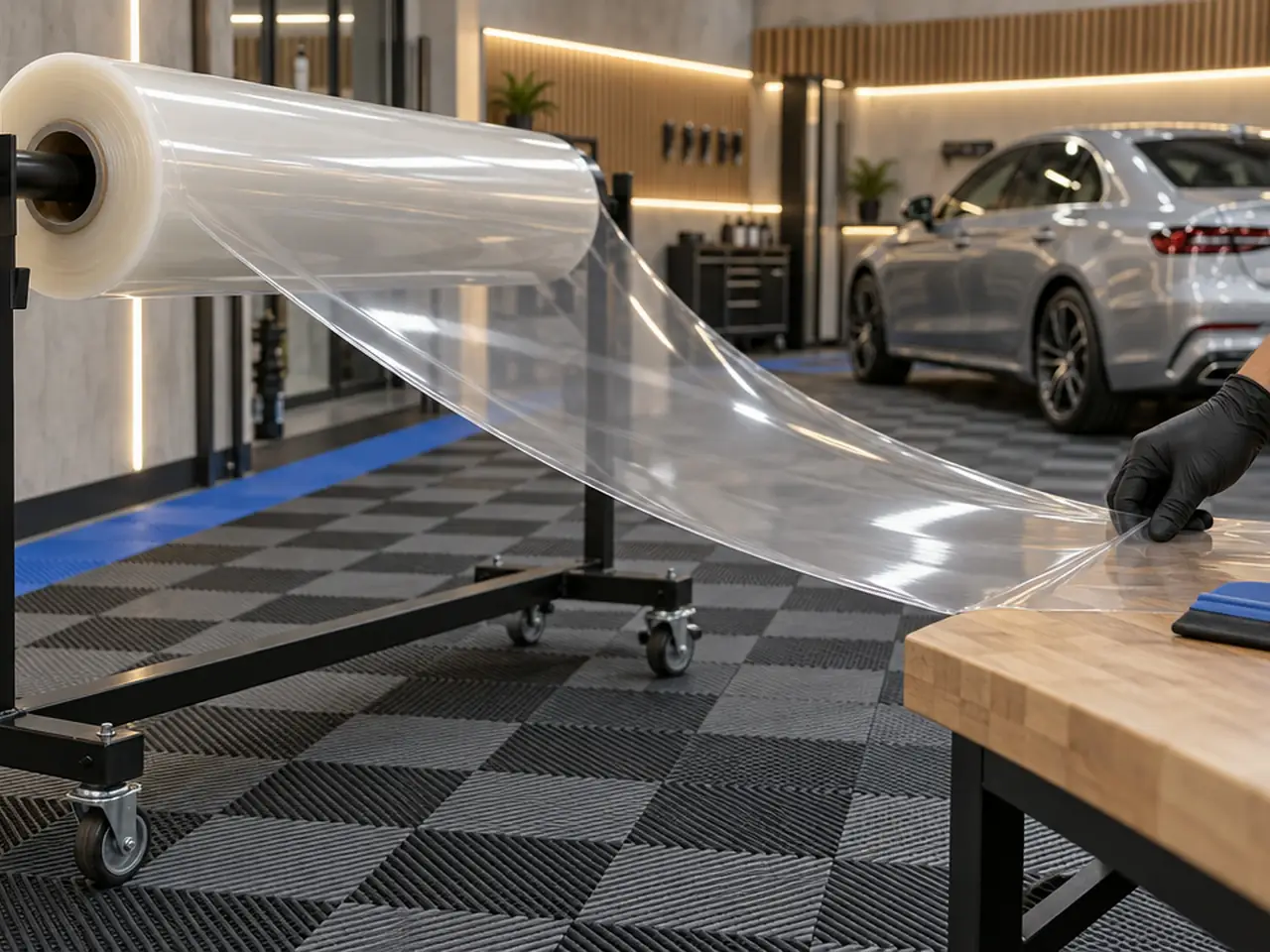
How do you install clear PPF?
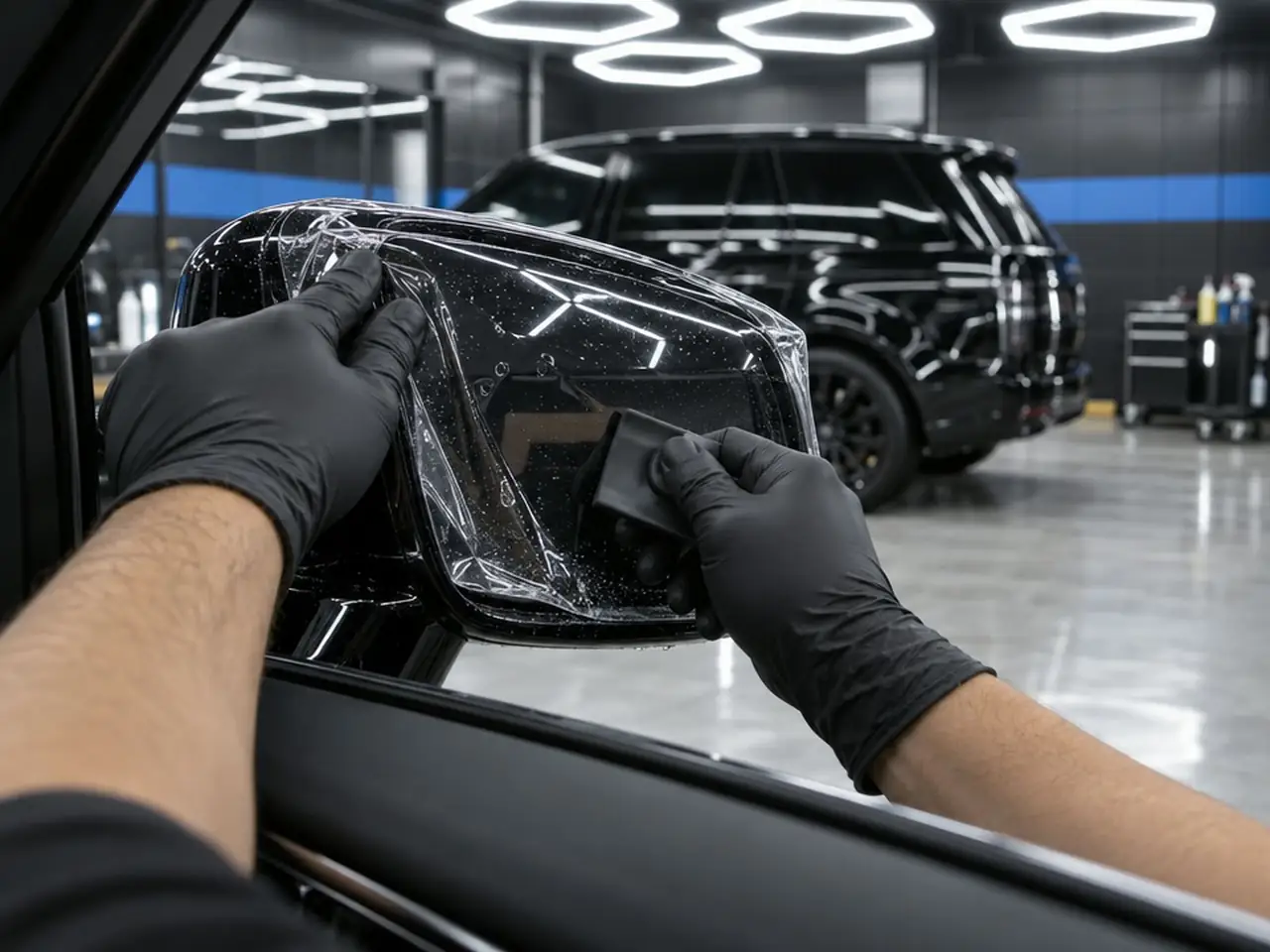
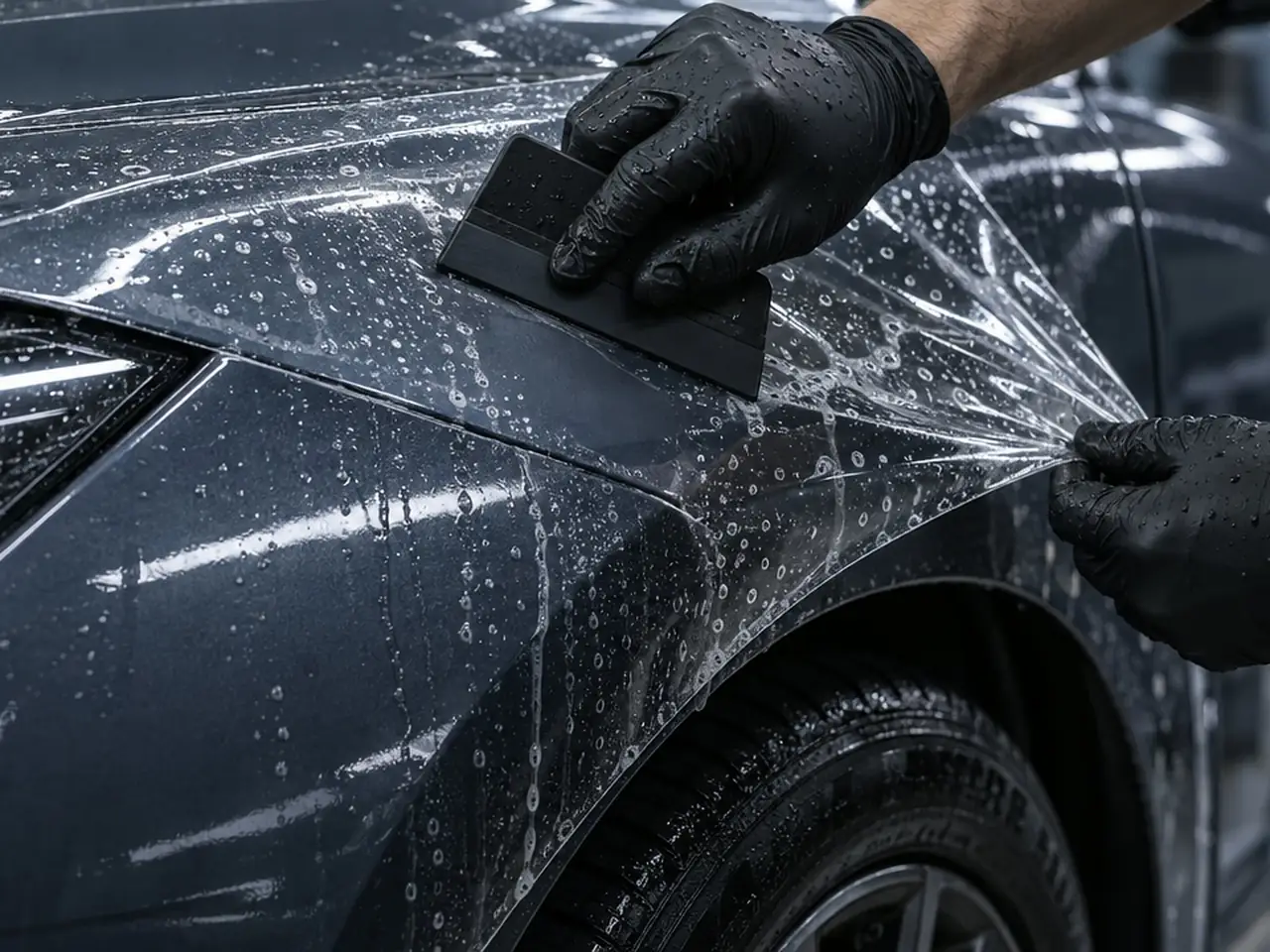
PPF is applied wet. Clean paint and a dust-controlled bay matter most. Fix chips and failing clear coat first, because film cannot repair damaged paint. This is general good practice, not a Glacier procedure.
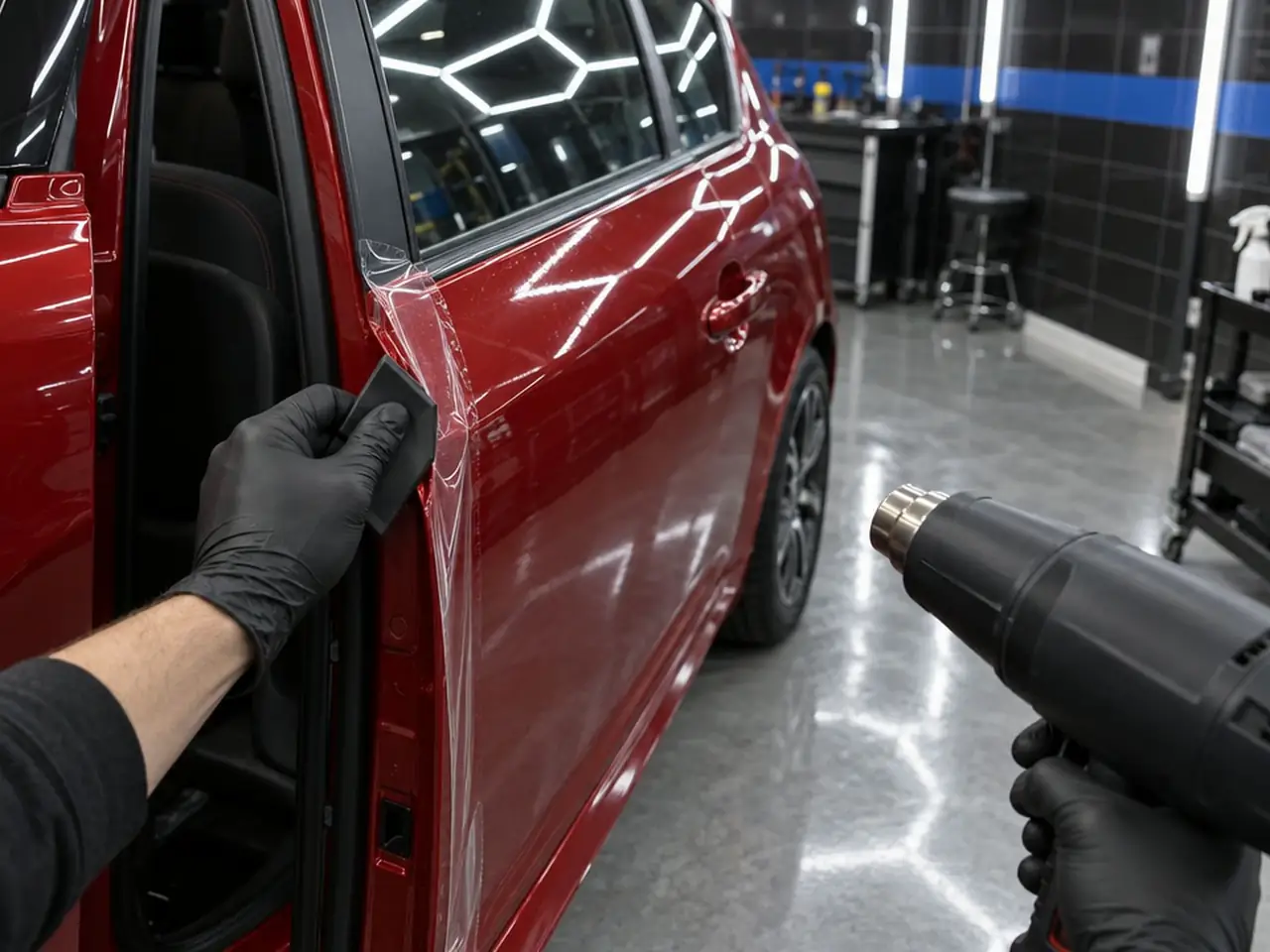
Edges decide whether the job looks professional, so settle the finish for each one before cutting. Where a panel allows, wrap the film around the edge; where it does not, plan a clean, even trim line along a body crease so it blends into the shadow. Give door edges and curved fender lips extra attention, since film is pulled hardest there. Look at every edge from a few angles under bay light, because a lifted corner is easier to fix before the customer sees the car.
- 1. Wash and decontaminate the paint.
- 2. Glacier supplies PPF on rolls.
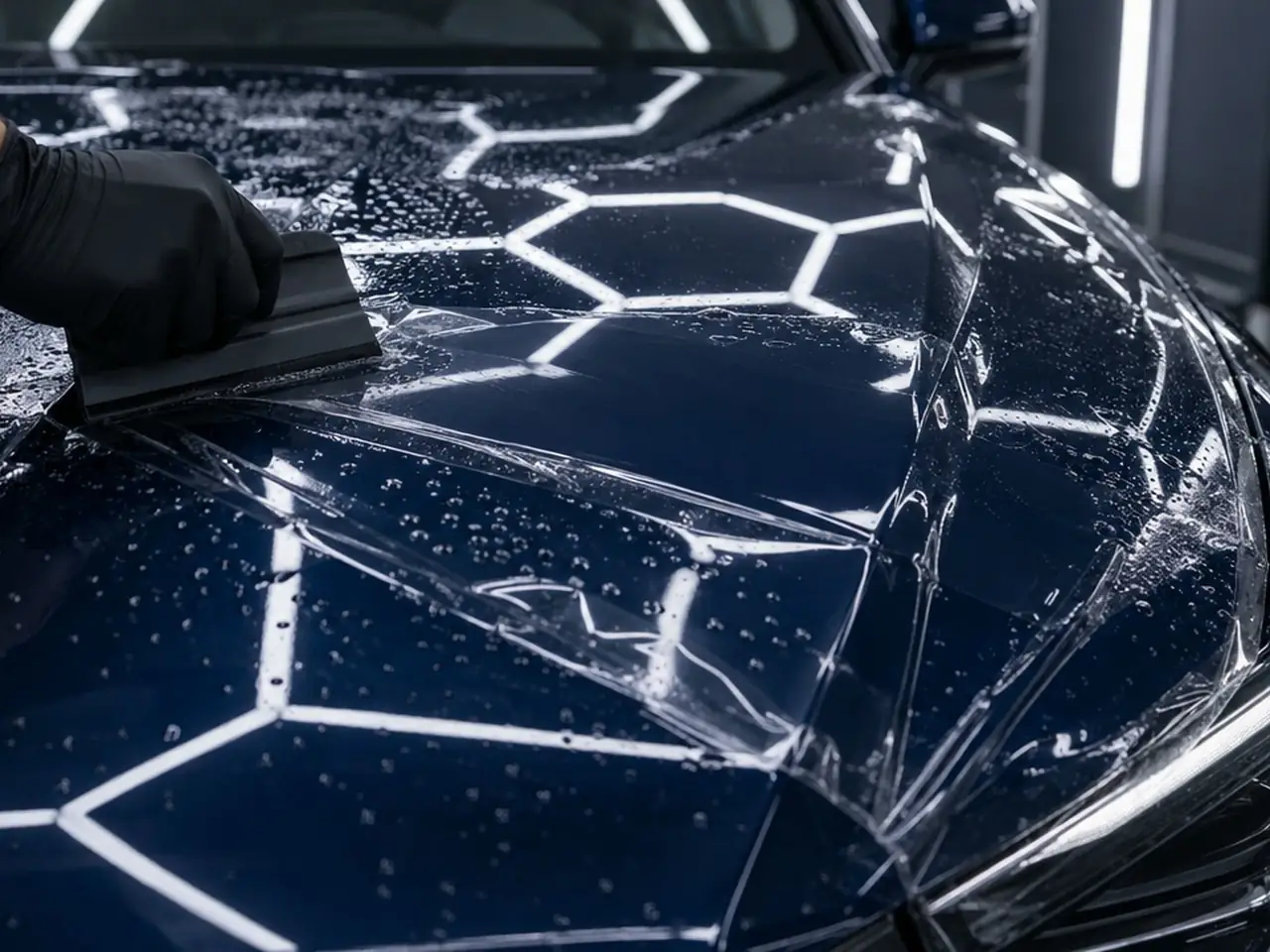
- 3. Spray slip solution on the panel and the adhesive side.
- 4. Position the film and squeegee the solution out.
- 5. Wrap edges where the panel allows.
- 6. Inspect under bay light and give the customer a care card.
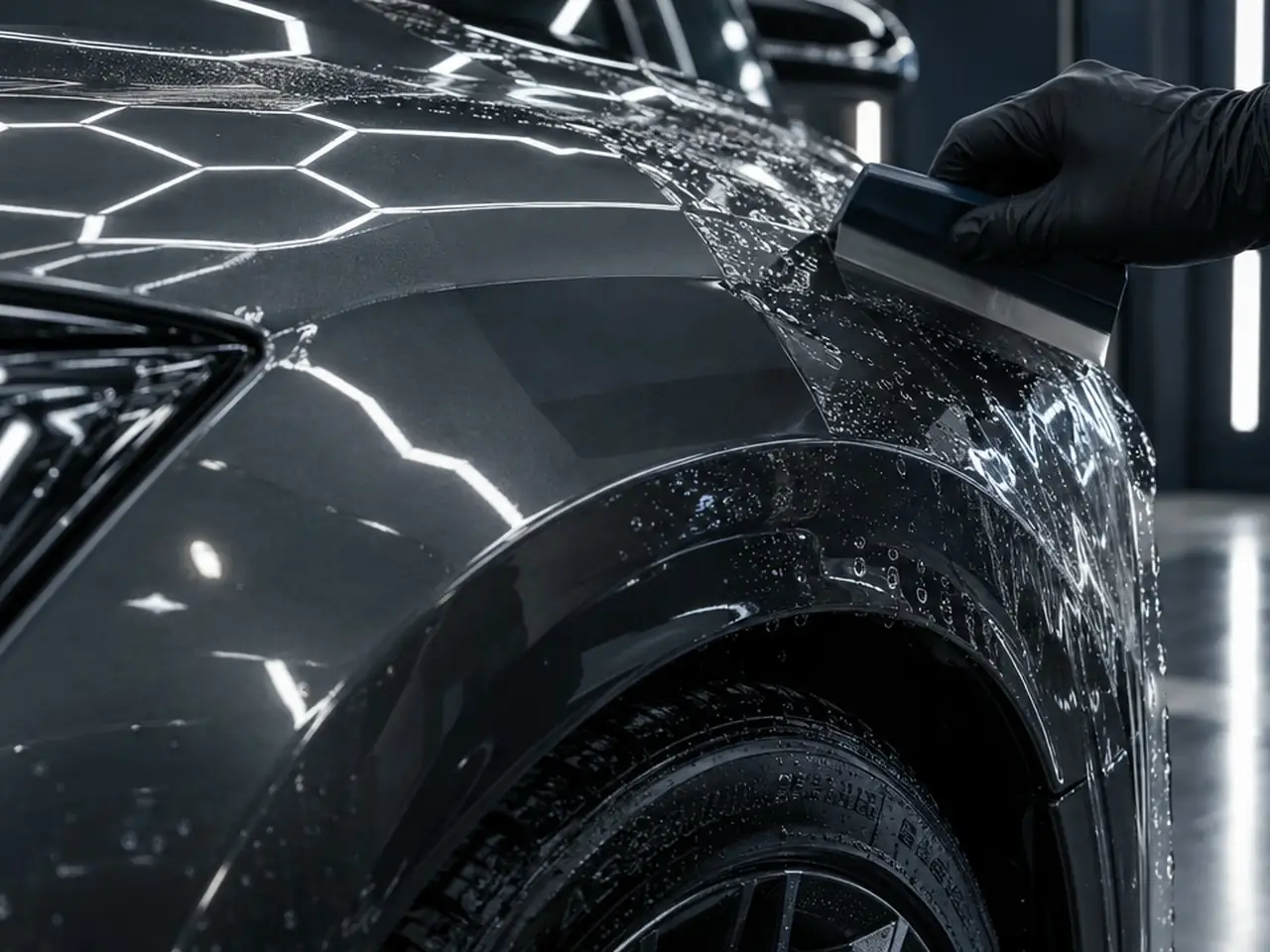
Pre-cut patterns or hand cutting?
Bulk shops cut by hand on the vehicle, which needs an experienced installer. Many shops mix both. Glacier sells PPF on rolls.
What aftercare should installers explain to the customer?
Give a written care card and point owners to our aftercare guide. Ask your Glacier rep for care steps specific to Iceberg.
- The film protects against chips and light abrasion but is not an armor plate.
- Haze or small water pockets can show while the film settles.
- Wait the period your shop advises before the first wash.
- Hand wash gently and avoid close-range pressure washing, especially at edges.
- Visible edges can show on some panels; point out where they will fall.
- Repainted or damaged paint may release differently on removal.
What should I ask my Glacier rep about Iceberg?
- Current roll widths and availability.
- Samples to test on a panel.
- The spec sheet and care instructions.
- What written product information is available for the film line.

How do I get Glacier clear PPF for my shop?
Glacier ships nationwide. Request a quote with the roll width and quantity you need, or apply for a wholesale account. Ask your Glacier rep about availability and timing for your order, and about samples.
Ask your Glacier rep what is available on a wholesale account.
For car owners: is clear PPF worth it?
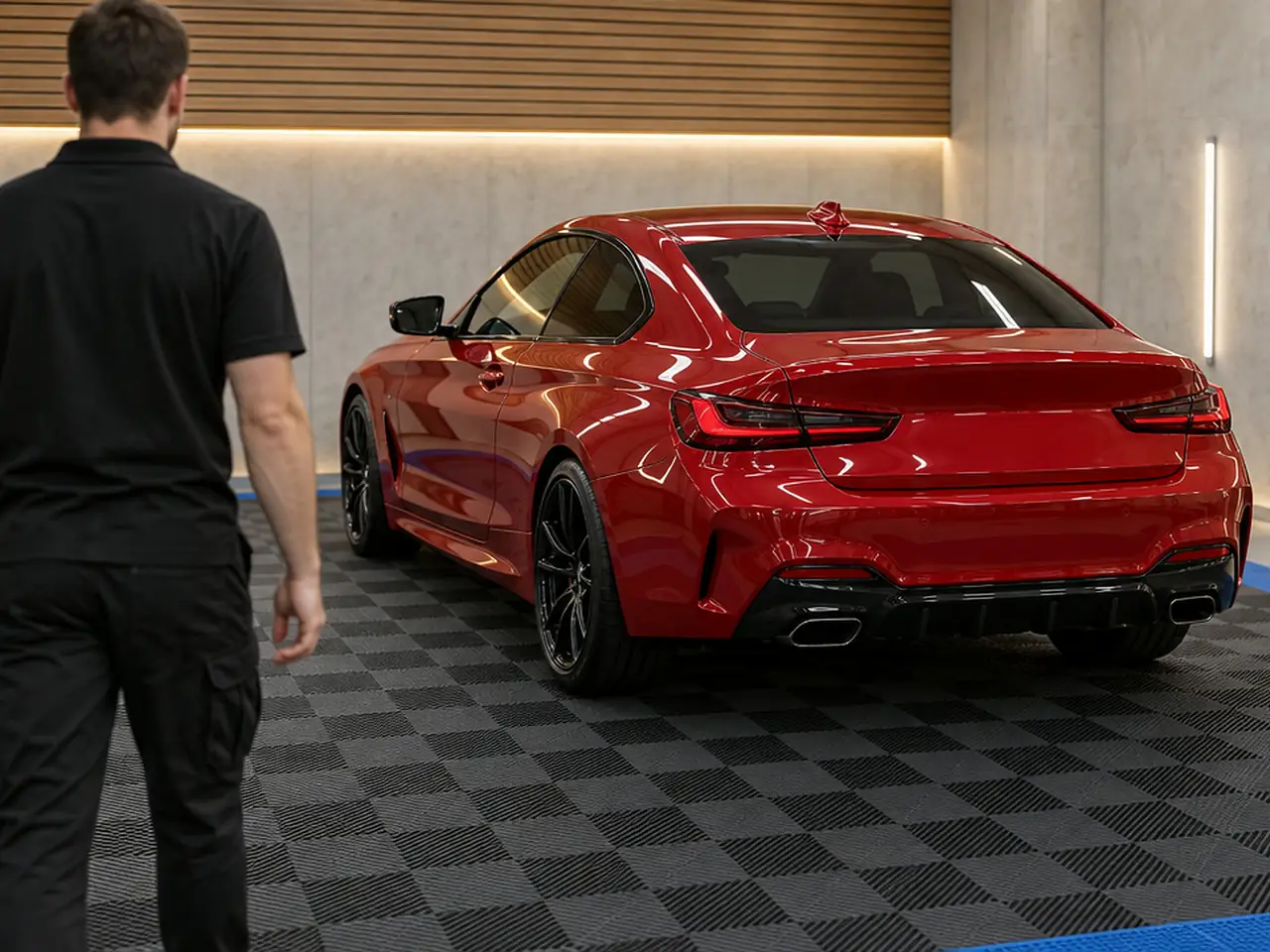
PPF is worth it when you want paint to keep looking new, especially on a car you keep, lease or resell. It does not leave paint indestructible. If you are unsure, start with the front end.
Glacier does not sell to the public. Ask your installer for Glacier PPF, or use the dealer finder to see Glacier dealers near you.
If the owner wants a low-sheen finish in place of original gloss, choose Blizzard Satin PPF Rolls for Installers; for windshield-only protection, see Windshield Protection Film Rolls for Shops.
For related reading, see the PPF installation guide, PPF aftercare, a new PPF installer tool kit and the tint shop supplier guide to film and tools.
At a glance.
- Roll widths
- 60", 72"
- Finish
- Gloss / clear
- Warranty
- 10 years (manufacturer)
Common questions
14 questions. Select one to open it.
What is paint protection film?
A clear urethane film applied over paint to protect against chips, scuffs and road wear.
Who sells paint protection film wholesale to installers?
Glacier supplies Iceberg clear gloss PPF on rolls to PPF installers, tint shops, detailers and dealers. Apply for a wholesale account or request a quote.
What is Iceberg?
Iceberg is Glacier's clear gloss paint protection film, supplied on rolls to shops and installers.
Does PPF change how the paint looks?
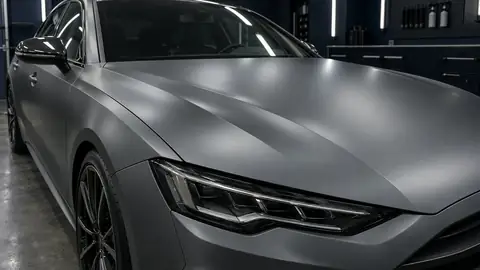
Clear gloss PPF is meant to be nearly invisible. A good install should look like the original paint.
What is the difference between gloss and satin PPF?
Gloss clear film keeps the factory shine. Satin film changes the finish to a low-sheen look. Glacier's Iceberg is clear gloss and Blizzard is satin.
Can PPF be removed?
Yes. When removed correctly, the paint underneath is typically in the condition it was in at install, though old or repainted paint can be at risk. Ask your installer.
Can I wash a car with PPF?
Yes, after the wait your installer recommends your installer recommends. Use gentle hand washing and avoid close-range pressure washing at edges.
Will PPF yellow?
It varies by film and sun exposure. Ask your Glacier rep about the specific film, and see our guide on why PPF can yellow.
Do I need coverage on the whole car?
No. Many owners start with the front end and add high-wear areas.
What roll widths does Iceberg come in?
Ask your Glacier rep for current roll widths and availability.
Can a shop test Iceberg before stocking it?
Sales reps provide samples. Ask your Glacier rep which samples are available for the lines you plan to carry. Apply for a wholesale account and a rep will follow up.
What is the difference between PPF and window tint?
PPF is for painted surfaces; window film is for glass.
How do I decide where to end a PPF edge on a panel?
Wrap the edge around the panel where it allows. Where it cannot be wrapped, finish along a body line or crease so the edge is least noticeable, and show the customer where edges will fall before any film is cut.
How should a shop log PPF jobs for later add-ons?
Keep a record of which panels carry film, the roll used and where each edge ends. When a customer returns to add coverage, those notes let the installer match the finish and line up new pieces with existing ones.
Compare across paint protection film.