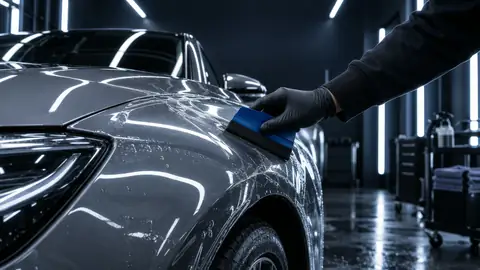
Tool kit for a new PPF installer
A tool kit for a new PPF installer should follow the job: wash and decontaminate, mask, cut, lay, squeegee, edge and inspect. Buy the tools every job touches first, add specialty tools when real work calls for them, and test everything on a practice panel. Glacier supplies PPF installation tools and Iceberg and Blizzard film to installers.
What should a new PPF installer buy first?
Start with the tools every job touches. A new installer does not need every specialty tool before the first car. Build the kit around the order of the job, then add the rest as real work shows what is missing.
| Stage of the job | Tool family | Buy first or add later | Glacier page |
|---|---|---|---|
| Wash and decontaminate | Wash mitts, clay bar, towels, spray bottles | Buy first | |
| Mask | Masking tape and plastic masking | Buy first | |
| Cut | Fresh blades and a clean cutting surface; a plotter later | Blades first, plotter when the shop is ready | |
| Lay and slip | Slip solution and a spray bottle | Buy first | |
| Squeegee | A firm PPF squeegee, a softer one and a hard card for edges | Buy first | Applicators |
| Corners and edges | Small edge and corner tools | Add once you see where you need them | Squeegees |
| Trim | Trim removal tools for lifting emblems and panels | Add when jobs call for it | |
| Inspect | A bright handheld light and clean towels | Buy first | Not a Glacier item |
How do I test the kit before a customer car?
Practice on a painted panel or a scrap fender, not on a customer car. The point is to learn what each tool does in your own hands.
Keep the notes. They become your first shop procedure and your shopping list for the next round.
- Wash and decontaminate the panel the way you would on a real job.
- Cut a piece of film and lay it on the panel with slip solution.
- Work the squeegee from the center out and note which tool moves water cleanly and which one drags.
- Try each tool on a flat area, then on an edge, then on a curve.
- Lift a corner and relay it so you feel how the film behaves.
- Inspect under bright light and write down what you would change.
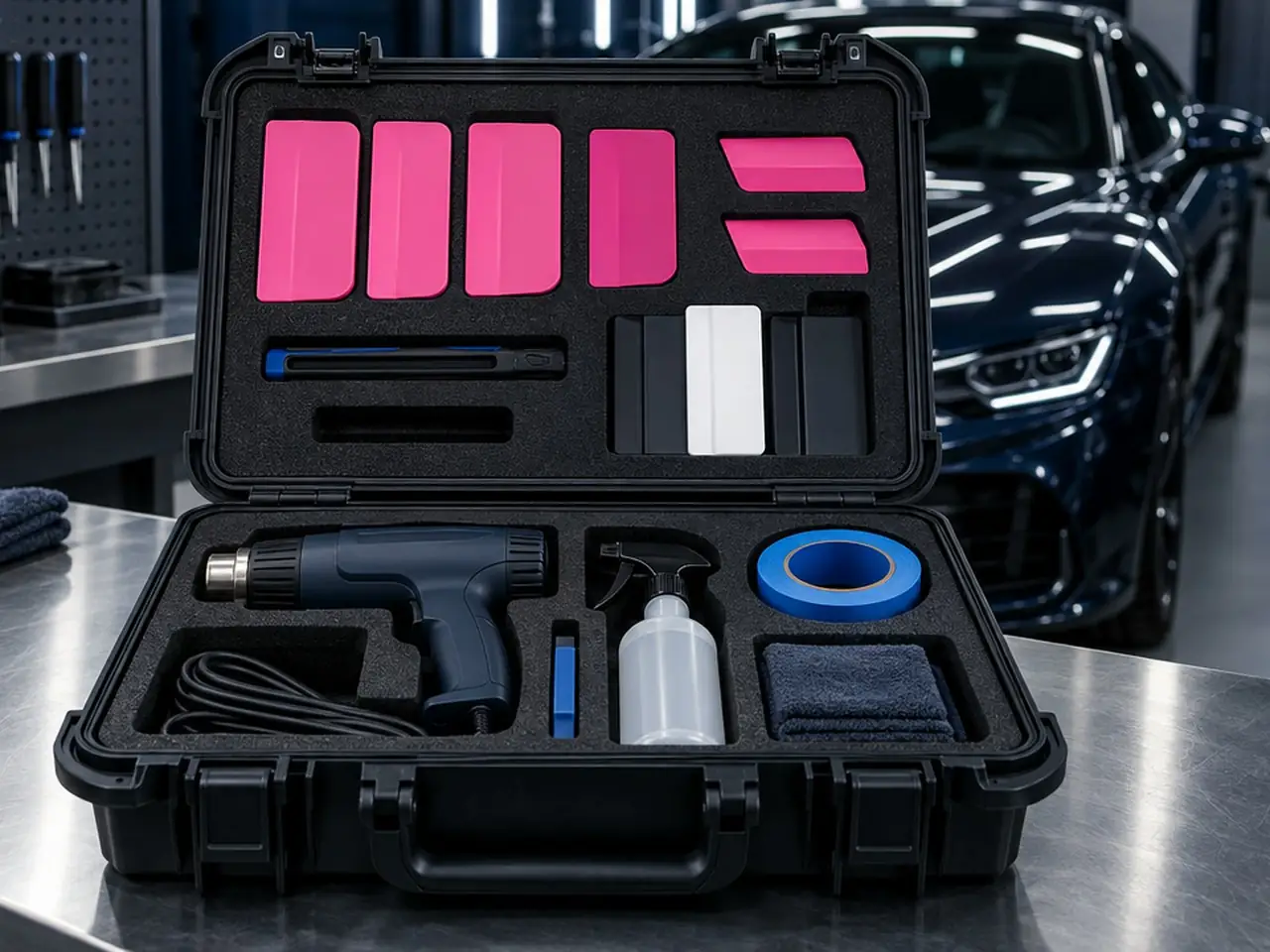
How do I match the kit to the kind of jobs I take?
The kit grows with the work. Look at the jobs you actually book and add tools for the edges, corners and panels they involve.
| Kind of job | What it adds to the kit | Glacier page |
|---|---|---|
| Small panels and high-touch areas | Small edge tools and a firm card for tight spots | Squeegees |
| Large flat panels | A larger PPF squeegee for long, even strokes | Applicators |
| Many edges and curves | Softer squeegees, edge tools and spare blades | |
| Jobs that include windshield protection film | Ask your Glacier rep about Glacier Guard | Glacier Guard |
What should I not buy yet?
Early spending goes furthest when it goes on tools you will use on the first jobs. Hold off on the rest.
- Several versions of the same squeegee before you know which one suits your hands.
- Specialty edge tools before you have seen where edges give you trouble.
- Extra storage until you know what you actually own.
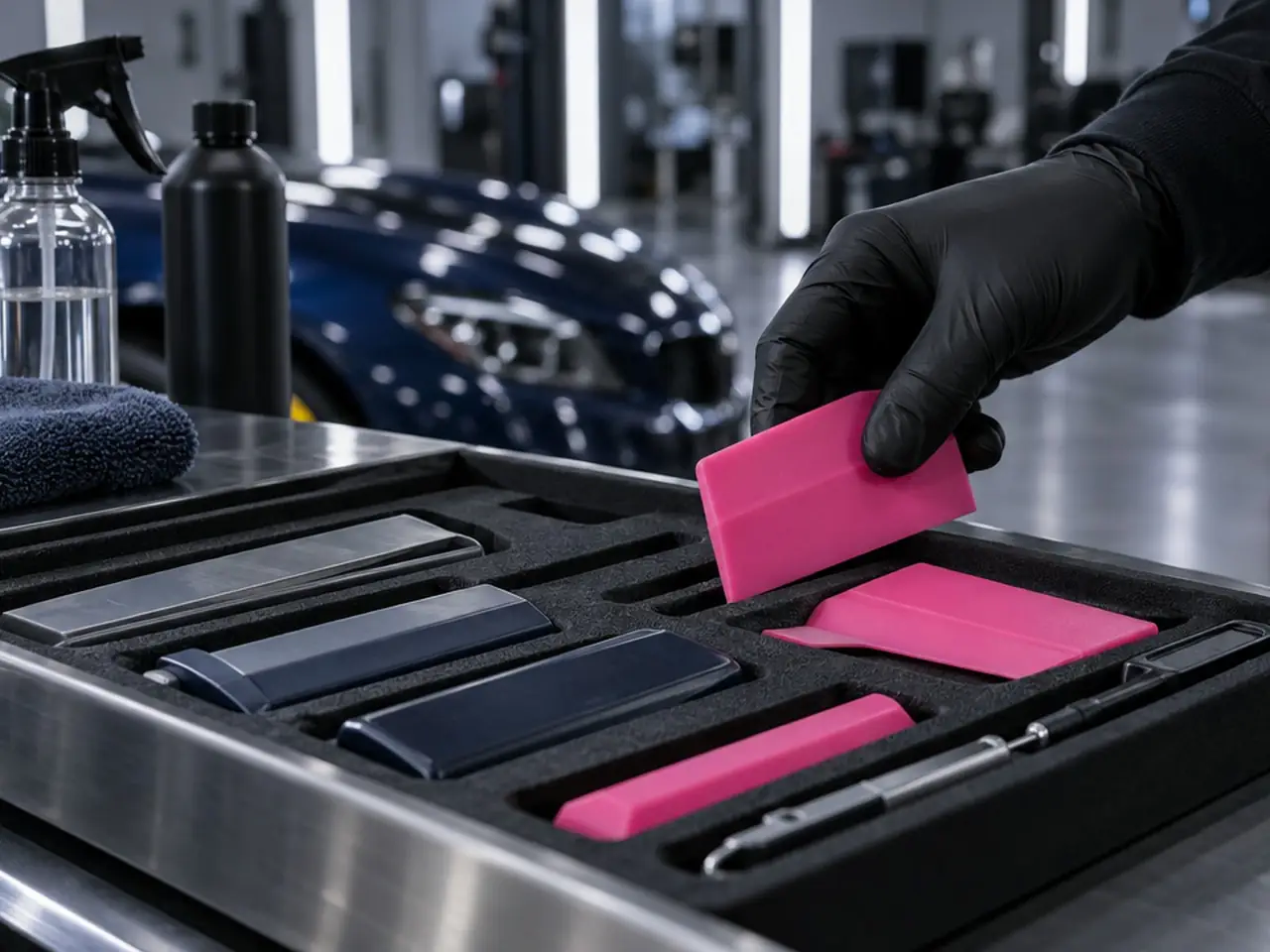
Which tools wear out and which ones last?
Some tools are consumables. Plan spares for them so one dull blade or one clogged bottle does not stop a job.
Replace a tool when it starts to damage work, not when it is obviously broken.
| Tool | How it behaves | What to keep on hand |
|---|---|---|
| Blades | Dull with use and can drag or tear film | Spare blades in a holder, plus a disposal container |
| Squeegee edges and cards | Nick, wear and pick up grit | A spare for each size you use |
| Towels | Pick up dust and wear out | Clean towels set aside for the film side of the job |
| Spray bottles and nozzles | Clog and leak | Spares and a rinse routine |
| Tape | Used on every job | Extra rolls on the cart |
| Cutting surface | Gets scored | Replace or turn it when scoring catches the blade |
What mistakes do new installers make when building a kit?
- Buying a plotter before the shop has a routine for cutting by hand.
- Buying one squeegee and using it on every panel and every edge.
- Skipping spares, so a single dull blade stops the day.
- Sharing towels between the wash side and the film side.
- Keeping tools loose in a drawer where edges get nicked.
- Never writing down what worked, so the same tool gets bought twice.
How do I organize the kit so it stays clean?
A PPF kit is a cart, not a pile. Give every tool one place and put it back between jobs.
For the bay itself, see the by-room checklist in the equipment guide linked below.
- Split the cart into a wet side and a dry side.
- Keep blades in a holder with the blade disposal container within reach.
- Keep film-side tools off the floor and away from the wash area.
- Reset the cart before the next car, not after the next problem.
What should I ask a supplier before I order tools?
Bring a short list of questions. A good supplier conversation saves buying the wrong tool twice.
Glacier supplies PPF installation tools and Iceberg gloss and Blizzard satin PPF to installers. Glacier supplies Jaguar plotters in two widths. Apply for a wholesale account, and a Glacier rep will follow up.
- Which tools are meant for PPF and which are for window film?
- Which items are consumables I should keep spares of?
- What product information is available before I order?
- Ask your Glacier rep what is available on a wholesale account.

In this guide
- What should a new PPF installer buy first?
- How do I test the kit before a customer car?
- How do I match the kit to the kind of jobs I take?
- What should I not buy yet?
- Which tools wear out and which ones last?
- What mistakes do new installers make when building a kit?
- How do I organize the kit so it stays clean?
- What should I ask a supplier before I order tools?
Quick answers
9 questions. Select one to open it.
What tools does a new PPF installer need?
A new PPF installer needs prep tools, masking, fresh blades, slip solution and a spray bottle, a firm and a softer PPF squeegee, a hard card for edges, clean towels and a bright light. Add specialty tools as jobs call for them.
How many squeegees does a new installer need?
Start with a firm squeegee, a softer one and a hard card for edges. Add more shapes when a specific panel or corner keeps giving you trouble.
Can I use window tint tools for PPF?
Some shops share cards, blades and spray bottles between tint and PPF. Squeegees are more specific, so ask your rep which tools are meant for PPF.
What should I buy first and what can wait?
Buy the tools every job uses first: prep, slip, blades, squeegees and light. Corner tools, trim removal tools and a plotter can wait until jobs show you need them.
How do I practice before installing on a customer car?
Use a painted panel or scrap fender. Prep it like a real job, cut and lay film, test each squeegee on a flat area, an edge and a curve, then inspect under bright light.
How should I store PPF tools between jobs?
Keep them on one cart with a wet side and a dry side, blades in a holder, and film-side tools off the floor. Reset the cart before the next car.
What questions should I ask a tool supplier?
Ask which tools are meant for PPF, which items are consumables, and what product information is available. Ask your Glacier rep what is available on a wholesale account.
Does Glacier supply PPF installation tools?
Yes. Glacier supplies installation tools and Iceberg gloss and Blizzard satin PPF to shops and installers. Glacier supplies Jaguar plotters in two widths. Apply for a wholesale account, and a Glacier rep will follow up.
Does Glacier sell to car owners?
No. Glacier sells wholesale to shops, installers, detailers and dealers, not to drivers.
Building a PPF tool kit? Apply for a wholesale account.