
What is paint protection film (PPF)?
Paint protection film (PPF) is a clear urethane film applied over a vehicle's paint to guard against rock chips, scuffs and road wear. It is removable, and it is worth considering if you want to keep paint looking new. Glacier supplies PPF that professional installers apply.
What PPF is
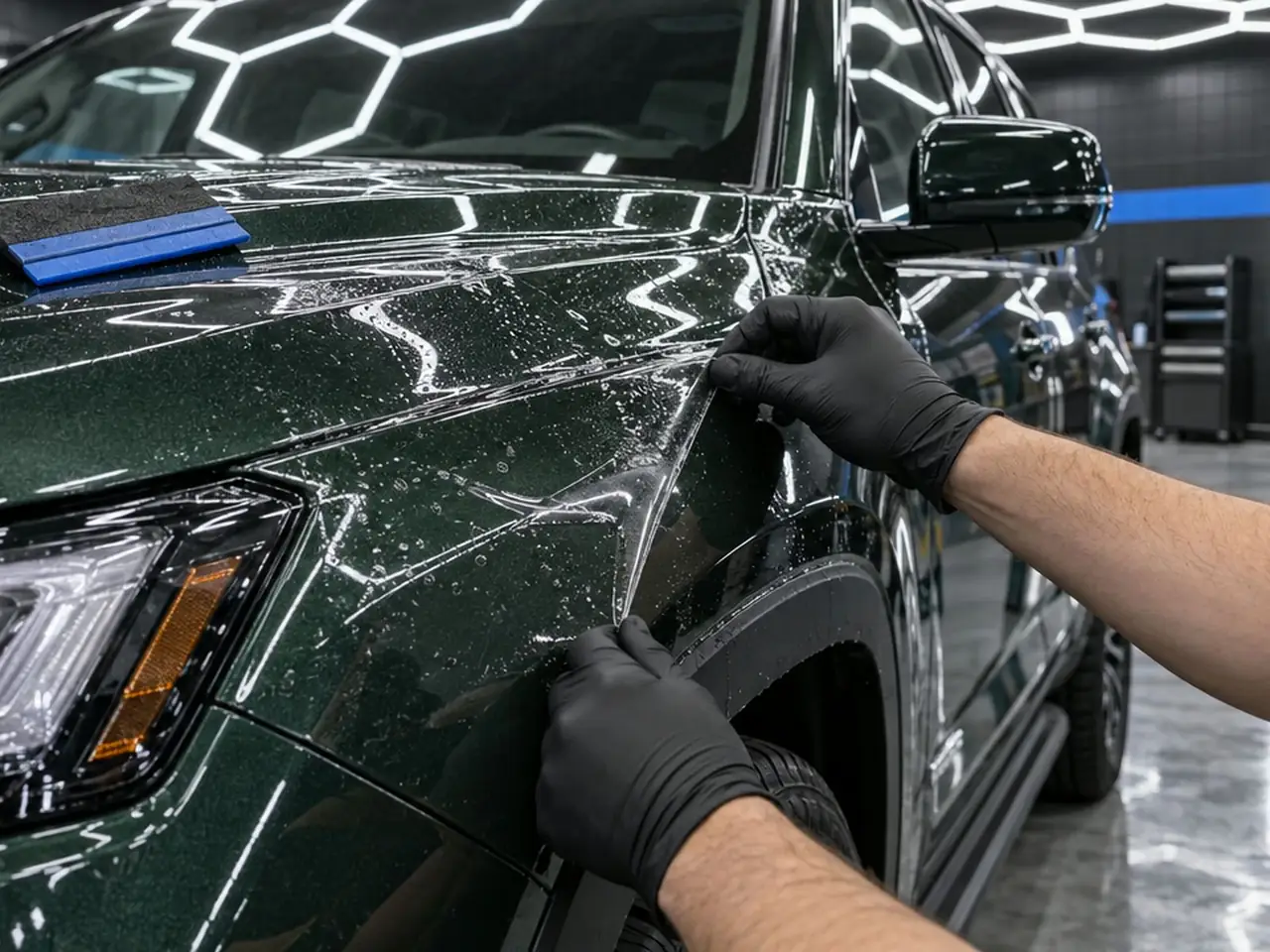
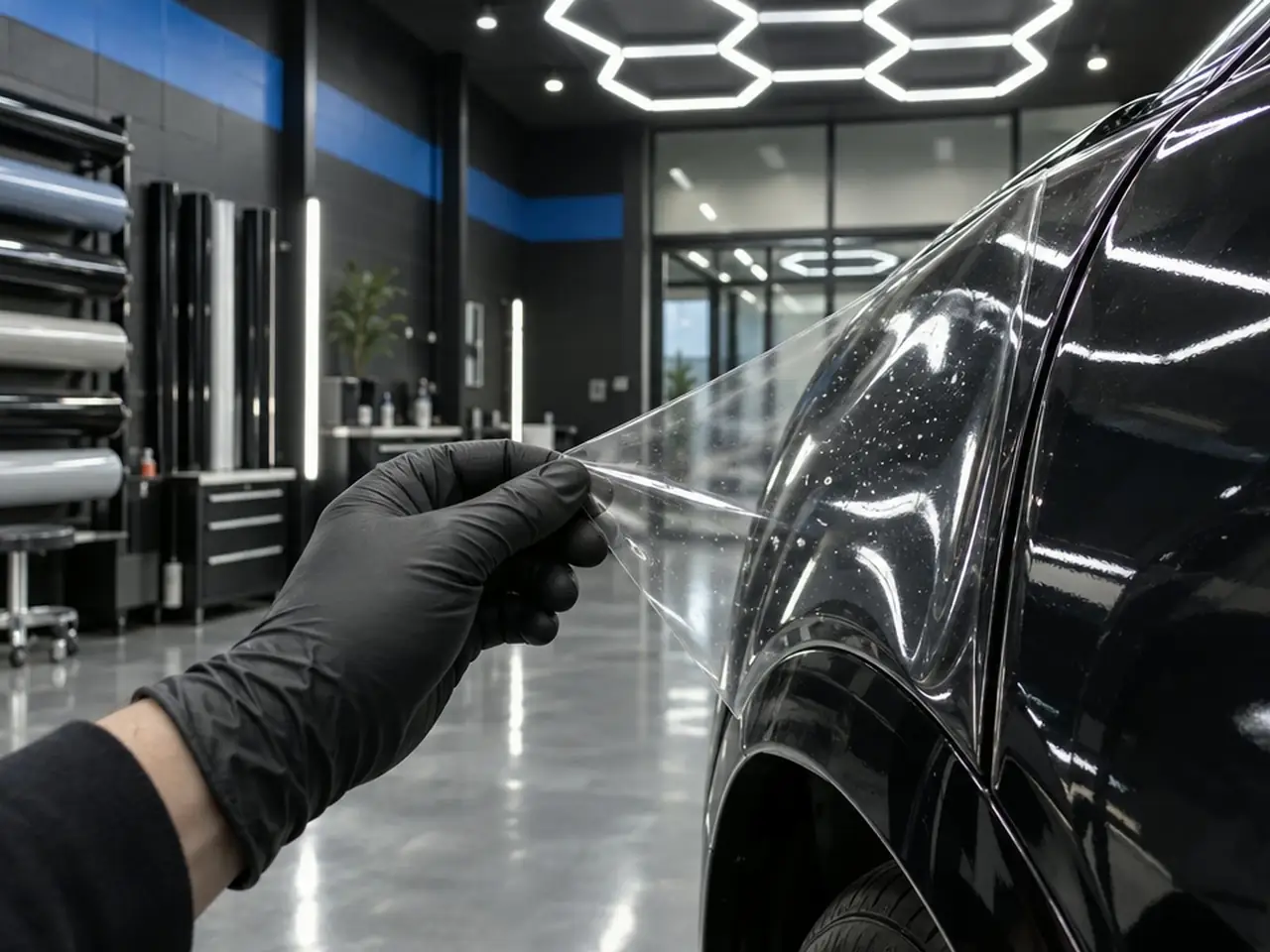
PPF is a transparent, flexible film with an adhesive on one side. An installer fits it to painted panels to help protect paint from road debris. When it wears or is damaged, it can be removed.
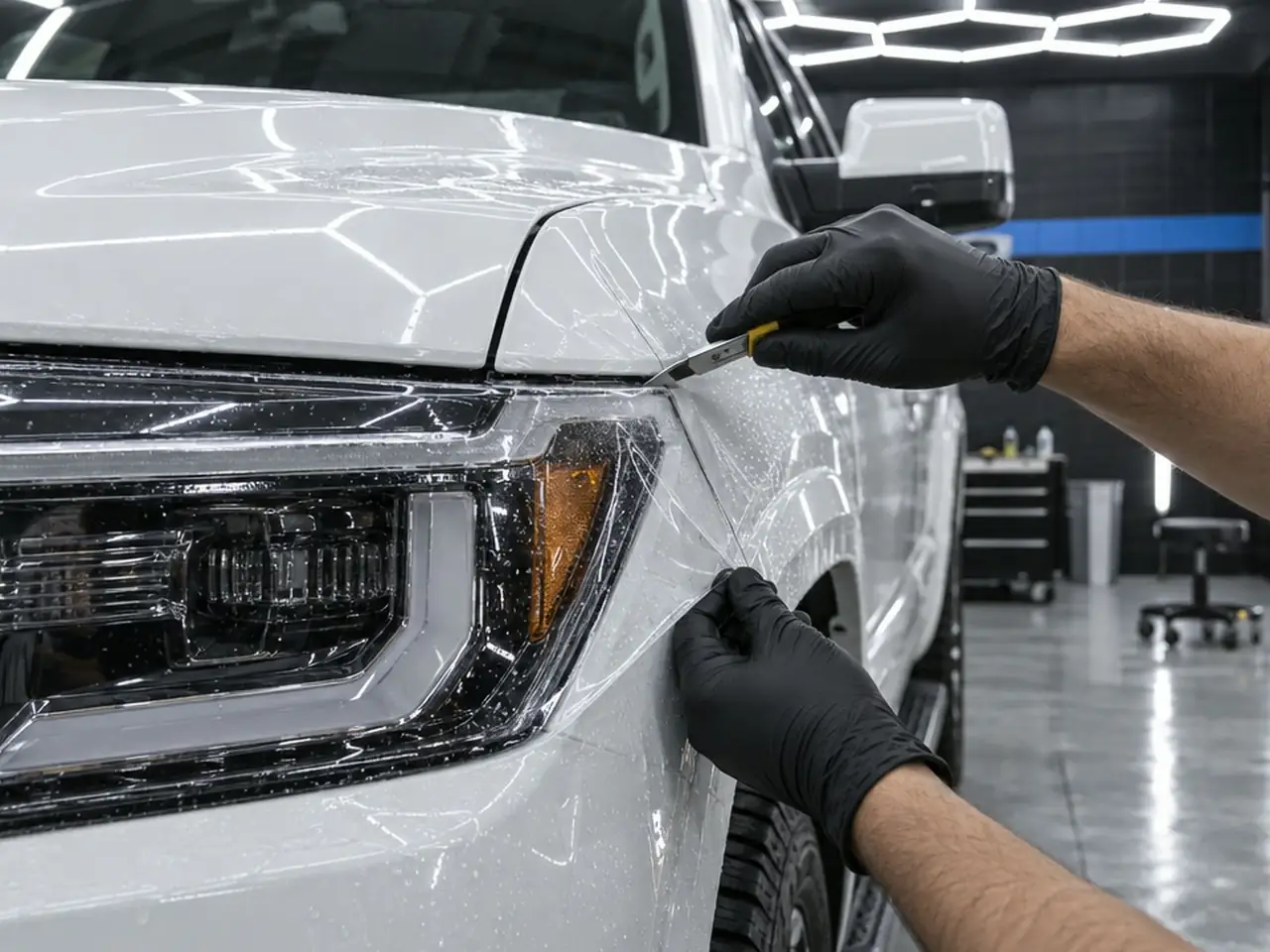
What it protects against
- Rock and gravel chips, mostly on the front end.
- Light scuffs and abrasion from daily use.
- Bug and bird-dropping etching if cleaned off promptly.
- Door-edge and trunk-edge chips.
- Some protection from sun and weather exposure to the paint underneath.
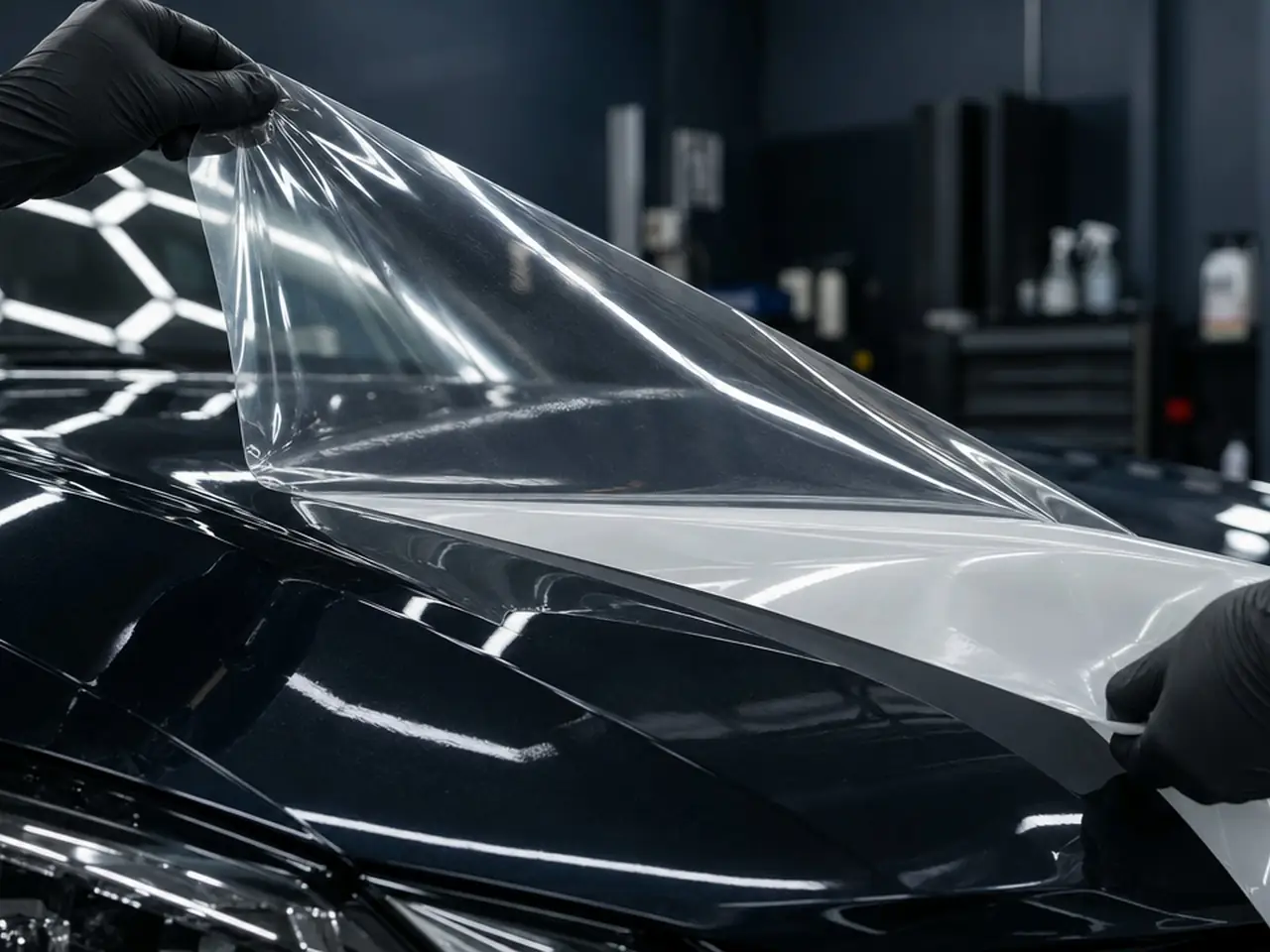
Coverage options
- Partial front: the front of the bumper and leading hood.
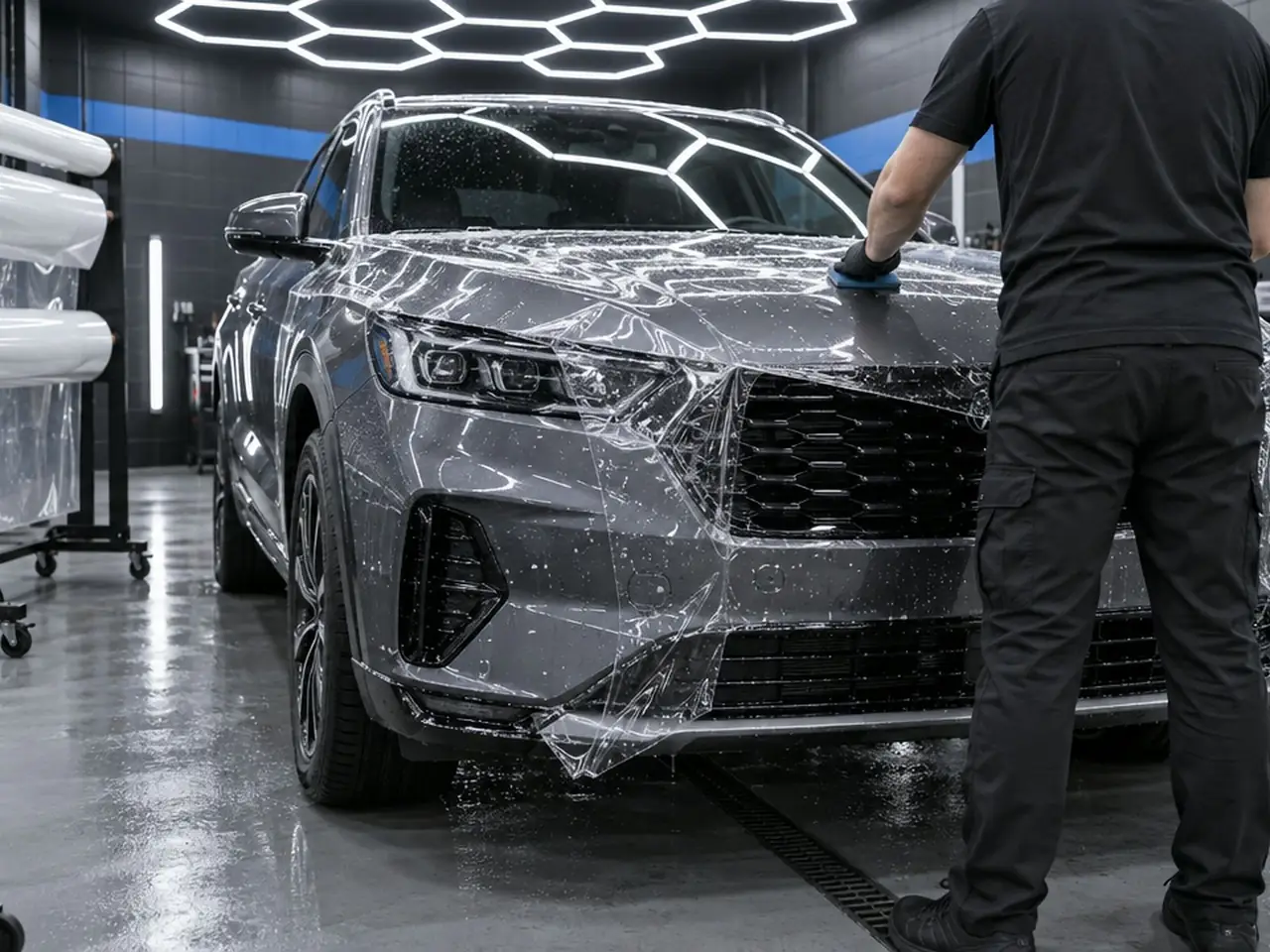
- Full front: bumper, hood, fenders and mirrors.
- High-impact areas: full front plus rocker panels and other wear spots.
- Full vehicle: every painted panel.
PPF vs wax and sealant
Wax and sealant are short-lived and light. PPF is physical protection against chips and scratches. They aren't rivals: many owners use film on the front end and wax on the rest.
Is it worth it? A way to decide
- New or leased car you want to hand back or sell looking right: strong case.
- Daily driver on highways with gravel: the front end is a common starting point.
- Track or off-road use: more coverage may make sense.
- Older car with existing damage: film protects good paint, it doesn't repair damaged paint.
- If a chipped hood wouldn't bother you, it may not be worth it for you.
Gloss or satin
Clear gloss film keeps factory gloss and disappears on the panel. Satin film turns glossy paint to a satin finish while still protecting it. Glacier's Iceberg is gloss; Blizzard is satin.
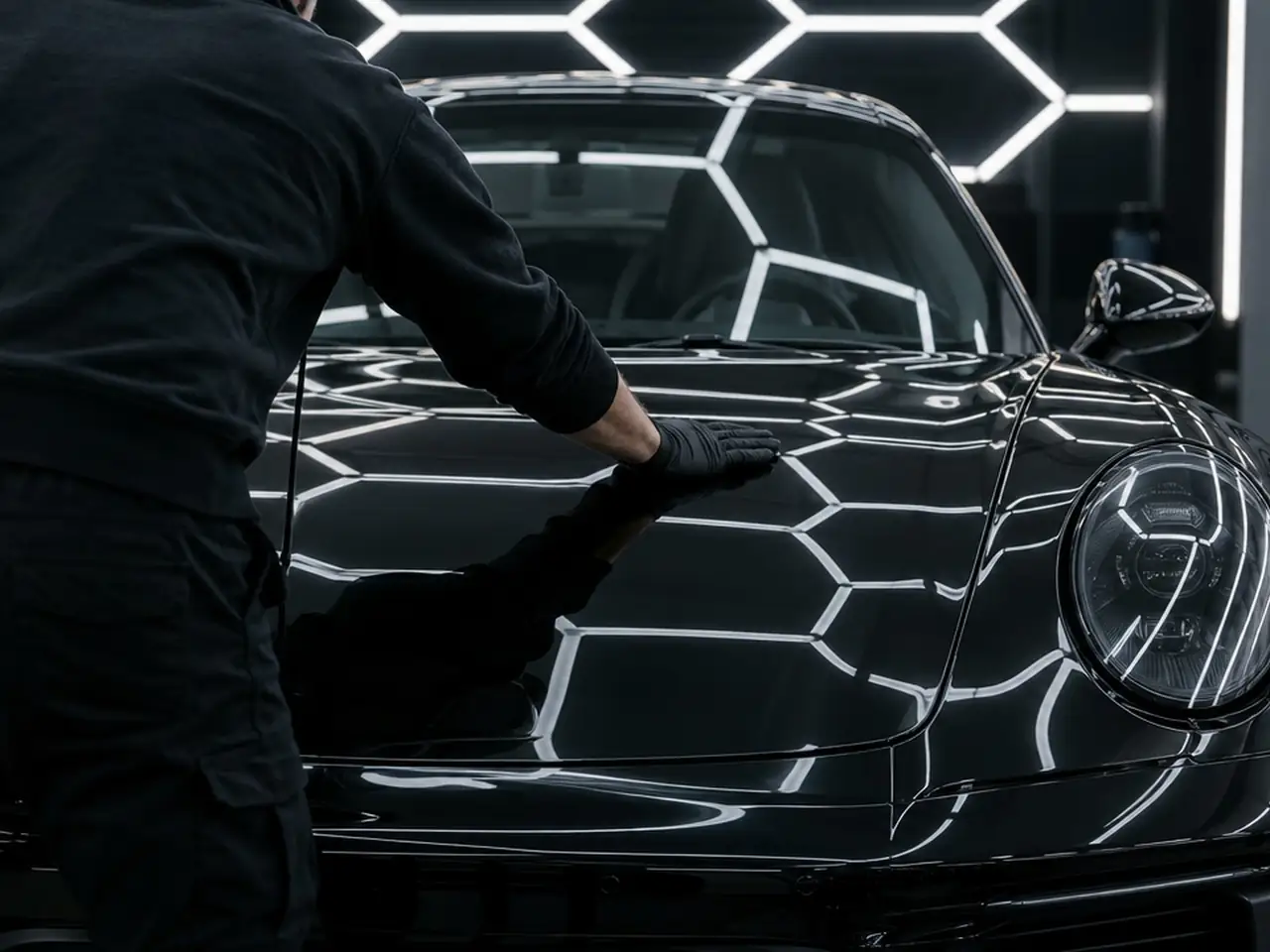
Installation and care
A good install depends on clean, decontaminated paint, a dust-controlled bay and patient edge work. Ask how the shop cuts the film, how long you'll wait before the first wash, and how to wash it. Hand washing with a soft mitt and mild soap is gentle on film. Avoid close-range pressure washing at edges.
Questions to ask an installer
- Which film and line will you use, and can I see the data sheet?
- How do you cut: plotter patterns or by hand?
- What is your prep process?
- How do you handle edges and seams?
- What warranty applies, in writing?
How long will my car be in the shop for PPF?
Time depends on how much of the vehicle is covered, how complex the panels are and how much prep the paint needs. A partial front is a smaller job than a full vehicle. Ask your installer how long to plan for and when you can pick the car up.
How should I prepare my car for PPF?
- Ask whether the shop prefers to wash the car or wants it arriving clean.
- Point out existing chips, scratches or repainted panels before work starts.
- Remove loose items and accessories from the areas being covered.
- Ask which panels the installer recommends for your driving.
How do I compare PPF quotes?
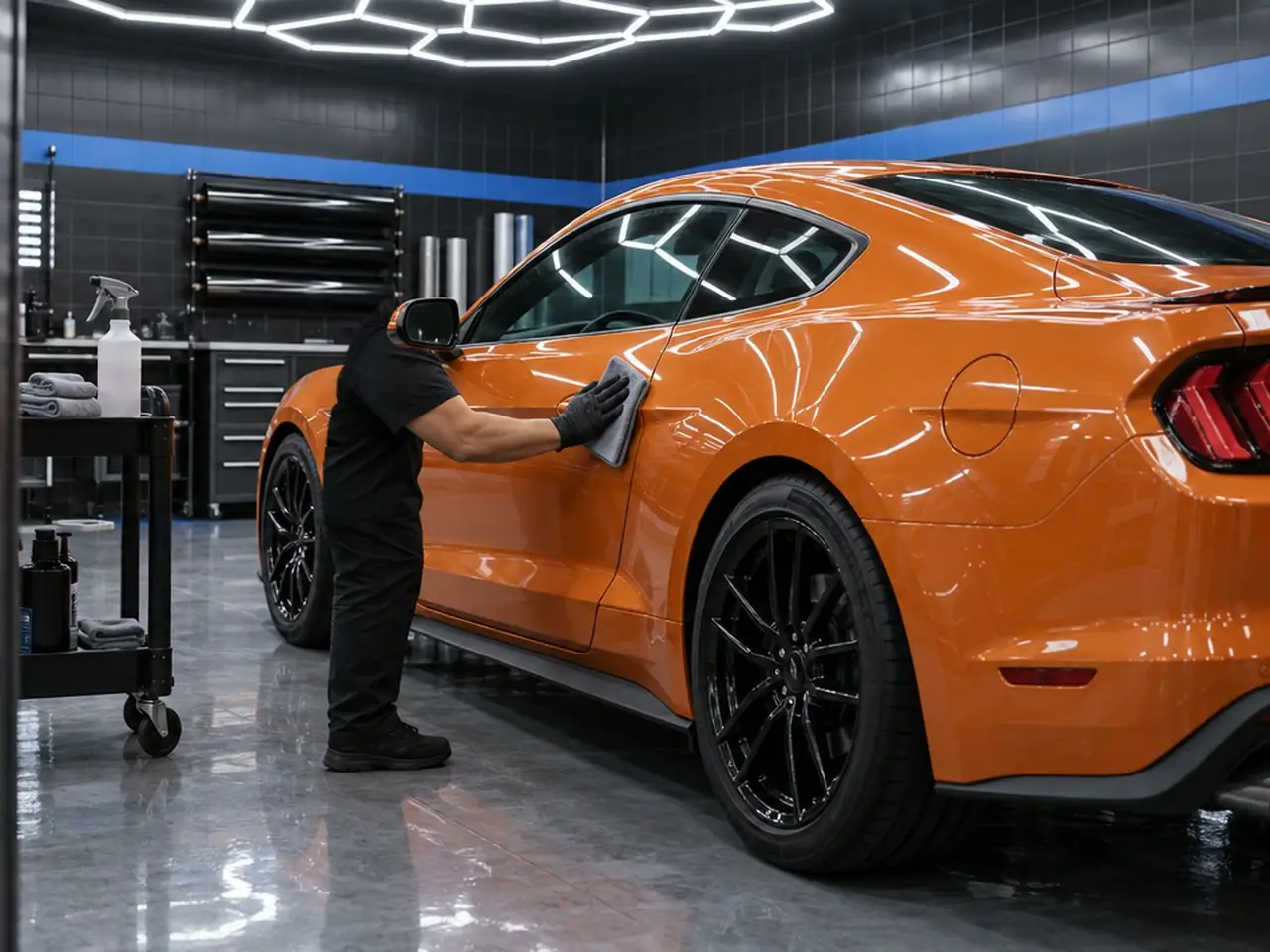
Compare like with like: the same coverage area, the same film and line, the same finish and the same inclusions. A quote that names each panel is easier to compare than one that says only front package.
What should I look at when I tour a PPF shop?
- Edges and corners on a finished car, seen in daylight.
- How panels are cleaned and prepared before film goes on.
- Whether the shop can show you the film line by name.
- How the shop keeps dust away from the work area.
What should I do after the car comes home?
Follow the installer's advice on washing and parking. Ask what to look for and who to contact if you see lifting at an edge or a spot that looks wrong, and photograph anything you want the shop to check.
Find a Glacier dealer
Glacier supplies professional film to tint shops and installers, not directly to the public. To have Glacier film installed, ask your tint shop for it by name, or use our dealer finder to find an installer near you.
In this guide
- What PPF is
- What it protects against
- Coverage options
- PPF vs wax and sealant
- Is it worth it? A way to decide
- Gloss or satin
- Installation and care
- Questions to ask an installer
- How long will my car be in the shop for PPF?
- How should I prepare my car for PPF?
- How do I compare PPF quotes?
- What should I look at when I tour a PPF shop?
- What should I do after the car comes home?
- Find a Glacier dealer
Quick answers
What is paint protection film?
A clear urethane film applied over paint to protect against chips, scuffs and road wear.
Does PPF yellow?
It varies by film and sun exposure. Ask your installer about the specific film.
Can PPF be removed?
Yes. Properly installed film on sound factory paint normally removes cleanly; repainted paint can be at risk.
Can PPF go over a repaint?
Often yes, if the paint is fully cured and sound. Ask your installer.
How do I pick an installer?
Look at their work, ask about prep and edges, and get the warranty in writing.
What does paint protection film protect against?
PPF mainly protects against rock and gravel chips on the front end, light scuffs and abrasion from daily use, and door-edge and trunk-edge chips. It also helps against bug and bird-dropping etching if cleaned off promptly, and gives some protection from sun and weather exposure to the paint underneath.
What coverage options does PPF come in?
Common coverage options are partial front (the front of the bumper and the front of the hood), full front (bumper, hood, fenders and mirrors), high-impact areas (full front plus rocker panels and other wear spots), and full vehicle, where every painted panel is covered. Starting with the front end is common on highway-driven cars.
What is the difference between gloss and satin PPF?
Clear gloss film keeps the factory gloss and disappears on the panel. Satin film turns glossy paint to a satin finish while still protecting it. Glacier's gloss PPF line is Iceberg, and its satin PPF line is Blizzard. Both are applied by professional installers.
Offer paint protection film at your shop? Apply for a wholesale account.