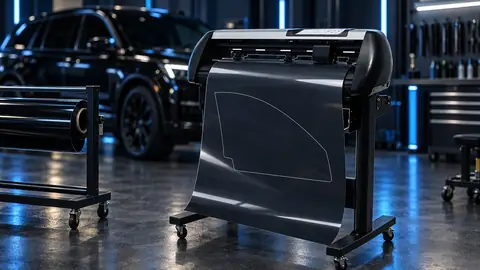
How to cut window film efficiently
To cut window film efficiently, plan the job before the roll comes off the rack: list the panels, check the pattern, lay out the cuts to use the film well, cut with a fresh blade or a calibrated plotter, then label and stage each panel flat. Glacier supplies Jaguar cutting plotters and cutting tools to tint shops and installers.
What does an efficient cutting workflow look like?
Efficient cutting is mostly planning. Time is lost and film is wasted when a panel is cut before anyone has checked what the job needs.
- List every panel on the job before the roll is touched.
- Check each pattern or measurement against the vehicle or the glass.
- Pull the right roll and confirm the line, finish and shade on the label.
- Lay out the cuts so the film is used well.
- Cut, label and stage each panel flat.
- Log what was used and put the partial roll away.
How do I plan the layout on the roll?
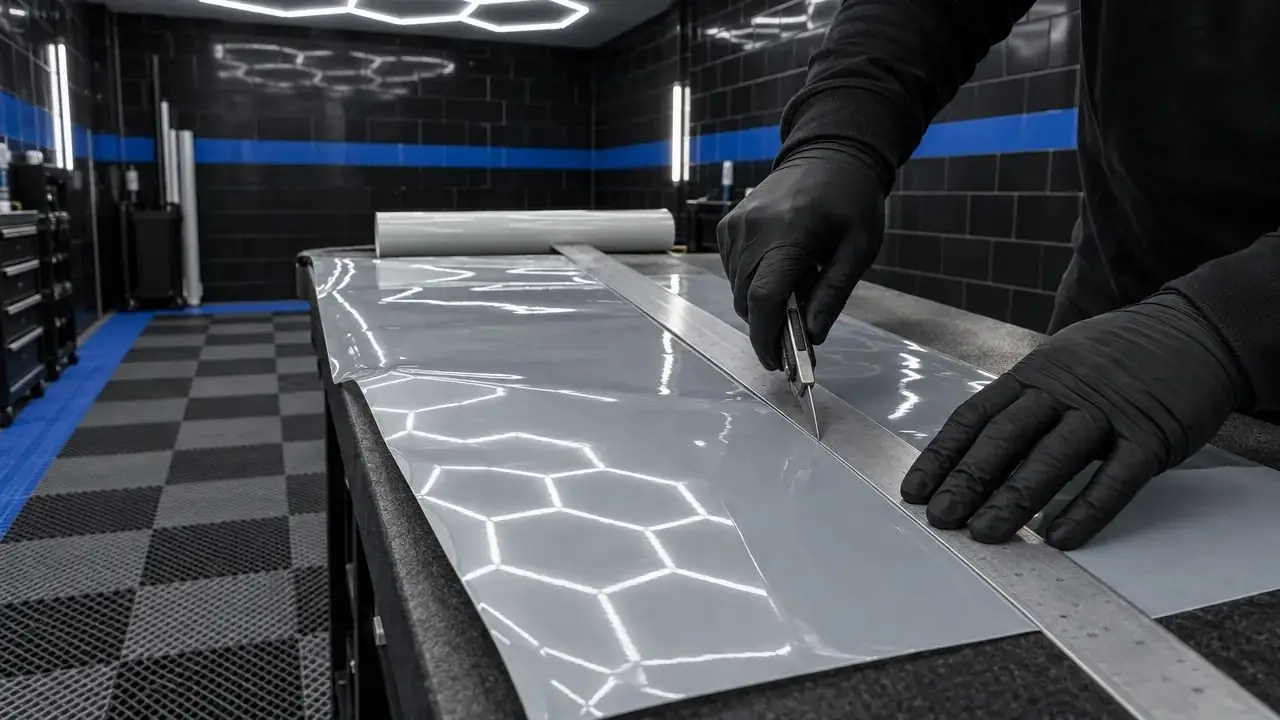
Layout is where film is saved or wasted. Think about the whole job, not one panel at a time.
- A common approach is to cut the largest panels first and fit smaller ones in the leftover film.
- Keep the film edge clean and use it where an edge is needed.
- Group panels from the same job on the same length of roll.
- Keep useful offcuts for small panels on later jobs and label them.
- If a pattern is uncertain, make a test cut on scrap before the real one.
What should I check on the roll before the first cut?
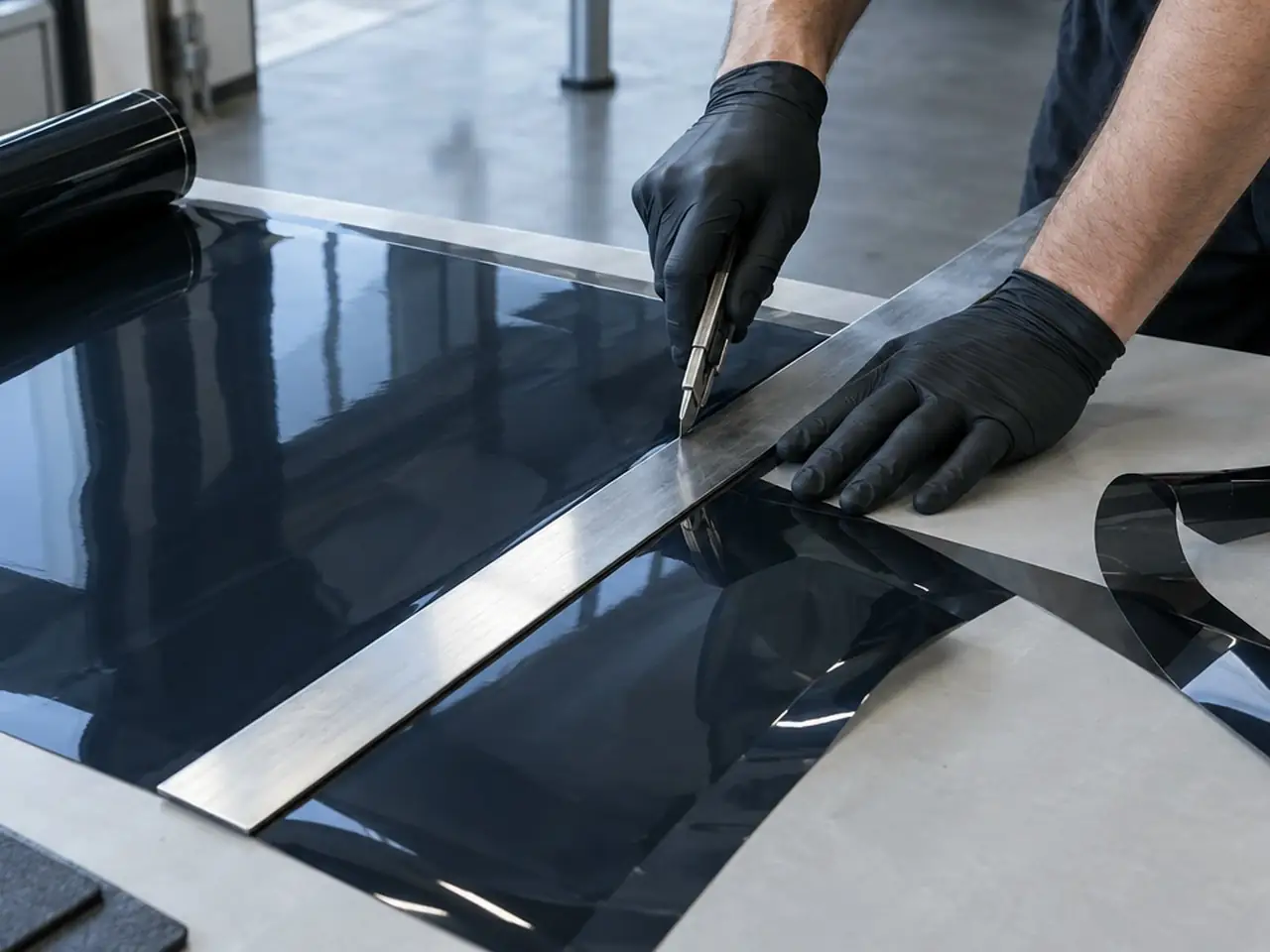
A minute spent on the roll saves a re-cut later.
- Confirm the line, finish and shade on the label.
- Look at the edge of the roll for dents or damage.
- Check the face for dust, marks or creases.
- Make sure the film is lying flat on the bench before you cut.
How does cutting change for different jobs?
The workflow is the same, but the planning changes with the job.
| Job | Plan for | Tip |
|---|---|---|
| Full vehicle | Many panels from one roll | Lay out the whole job before the first cut |
| Front windows only | Few panels and little scrap | Use a labeled offcut if one fits |
| Windshield strip | One awkward shape | Test cut on scrap first |
| Flat glass | Large panels | Plan seams and waste before you cut |
Should I cut by hand or on a plotter?
Both work. The choice depends on how repeatable your jobs are and how the shop is set up.
Ask your Glacier rep what product information is available.
| Question | Hand cutting | Plotter cutting |
|---|---|---|
| What suits it | One-off or unusual shapes | Repeatable vehicle patterns |
| What it needs | A clean surface, a steady hand and a fresh blade | A plotter, pattern software and calibration |
| Where it goes wrong | Wandering cuts and dull blades | Wrong pattern or a plotter out of calibration |
| Glacier page | Plotters |
How do I keep cuts accurate?
Accuracy is a habit. A few checks before and during the cut reduce re-cuts.
- Start every cutting session with a clean surface and a fresh blade.
- Check the pattern against the vehicle or glass before cutting the real film.
- On a plotter, run a test cut and calibrate before the first paid job; see the plotter calibration guide.
- Have a second person check the panel list on larger jobs.
- Stop and change the blade when a cut starts to drag or tear.
What do I do with offcuts, labels and scrap?
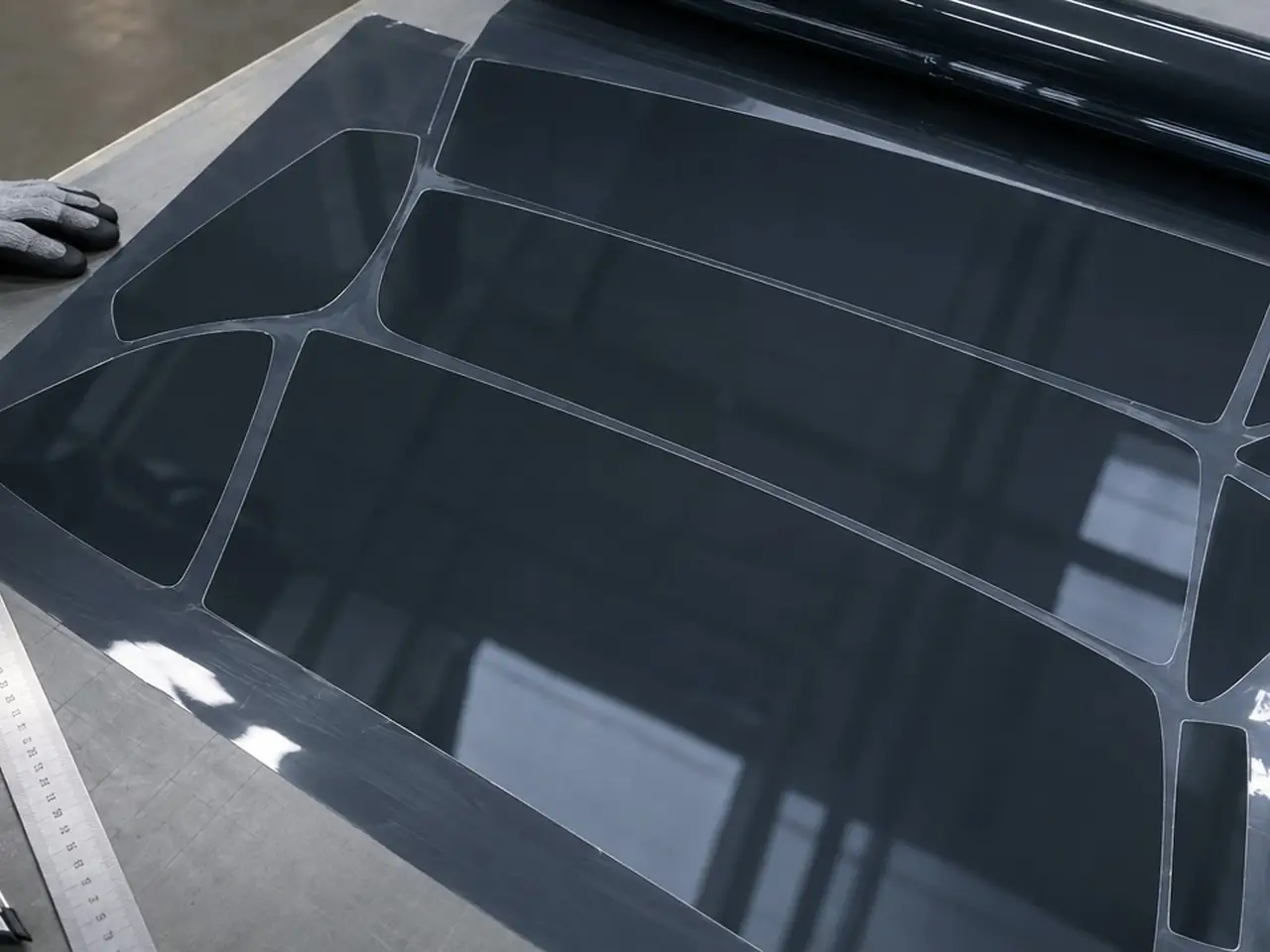
Offcuts are only an asset if you can find them and know what they are.
| Item | What to do | Why |
|---|---|---|
| Usable offcut | Label line, finish and shade, then store it flat | Saves a fresh roll for small panels |
| Cut panel | Label with the job and the window position | Stops panels going on the wrong glass |
| Scrap film | Bin it and keep blades in a disposal container | Keeps the bench clear and safe |
| Test cut | Keep it with the job notes until the job is done | Gives you a record if a pattern is questioned |
How should I stage cut panels?
Keep cut panels flat, clean and labeled until they go on the glass.
See the guide on keeping film rolls flat for more on handling.
What should I do at the end of a cutting session?
Finish the session the way you want to start the next one.
- Rewind and label the partial roll.
- Bin scrap film and used blades.
- Wipe the cutting surface.
- Update the cut log.
- Stage cut panels flat with the job label.
How do I cut down on waste over time?
Keep a simple cut log: job, panels, roll used and what is left. Review it when a roll runs out sooner than expected. The log shows whether the problem is layout, test cuts or re-cuts, and where to fix it.
Glacier supplies window film on rolls, Jaguar cutting plotters and cutting tools. Apply for a wholesale account, and a Glacier rep will follow up.
In this guide
- What does an efficient cutting workflow look like?
- How do I plan the layout on the roll?
- What should I check on the roll before the first cut?
- How does cutting change for different jobs?
- Should I cut by hand or on a plotter?
- How do I keep cuts accurate?
- What do I do with offcuts, labels and scrap?
- How should I stage cut panels?
- What should I do at the end of a cutting session?
- How do I cut down on waste over time?
Quick answers
10 questions. Select one to open it.
How do you cut window film efficiently?
List the panels, check the patterns, lay out the cuts on the roll, cut with a fresh blade or a calibrated plotter, then label and stage each panel flat. Log what is left on the roll.
How do I reduce window film waste?
Plan the layout for the whole job. A common approach is to cut large panels first and fit small ones in the leftovers. Keep labeled offcuts, and keep a cut log so you can see where film is being lost.
Is it better to cut window film by hand or on a plotter?
Hand cutting suits one-off shapes. A plotter suits repeatable vehicle patterns. Many shops use both. Ask your Glacier rep what product information is available.
How do I stop cuts wandering when I cut by hand?
Use a clean surface, a fresh blade and a steady guide. Change the blade as soon as a cut drags or tears the film.
How do I check a pattern before I cut?
Compare the pattern to the glass or vehicle, and make a test cut on scrap if anything is uncertain. Do this before the real film comes off the roll.
Why does my plotter cut off line?
Things to check are the blade, the pattern and the calibration. See the plotter calibration guide, and ask your Glacier rep about the Jaguar plotter.
What should I do with leftover film?
Label it with line, finish and shade, store it flat, and use it for small panels on later jobs. Unlabeled offcuts are easy to lose or mix up.
How should I store cut panels until install?
Flat, clean and labeled with the job and window position. Keep the liner protected and keep heavy items off them.
How often should I change the blade?
Change it when cuts start to drag or tear, and at the start of any session that needs clean cuts. Do not wait for the blade to fail.
Does Glacier supply plotters and cutting tools?
Glacier supplies Jaguar cutting plotters and installation tools, including blades, to tint shops and installers. Apply for a wholesale account, and a Glacier rep will follow up.
Cutting film in your shop? Apply for a wholesale account.