How to Remove Old Window Tint Safely
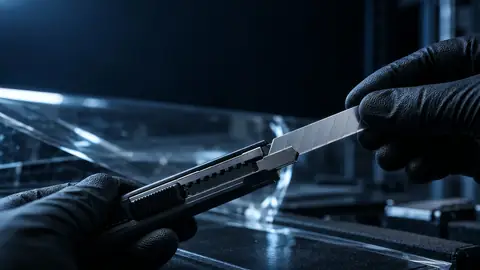
Work wet, hold the blade at a shallow angle and use steady passes. Choose a plastic blade where a metal edge could scratch the glass, take care around rear window defroster lines and handle exposed blades with care. This answer covers the scraping stage; the tint removal guide covers the full method.
What should I do before I scrape?
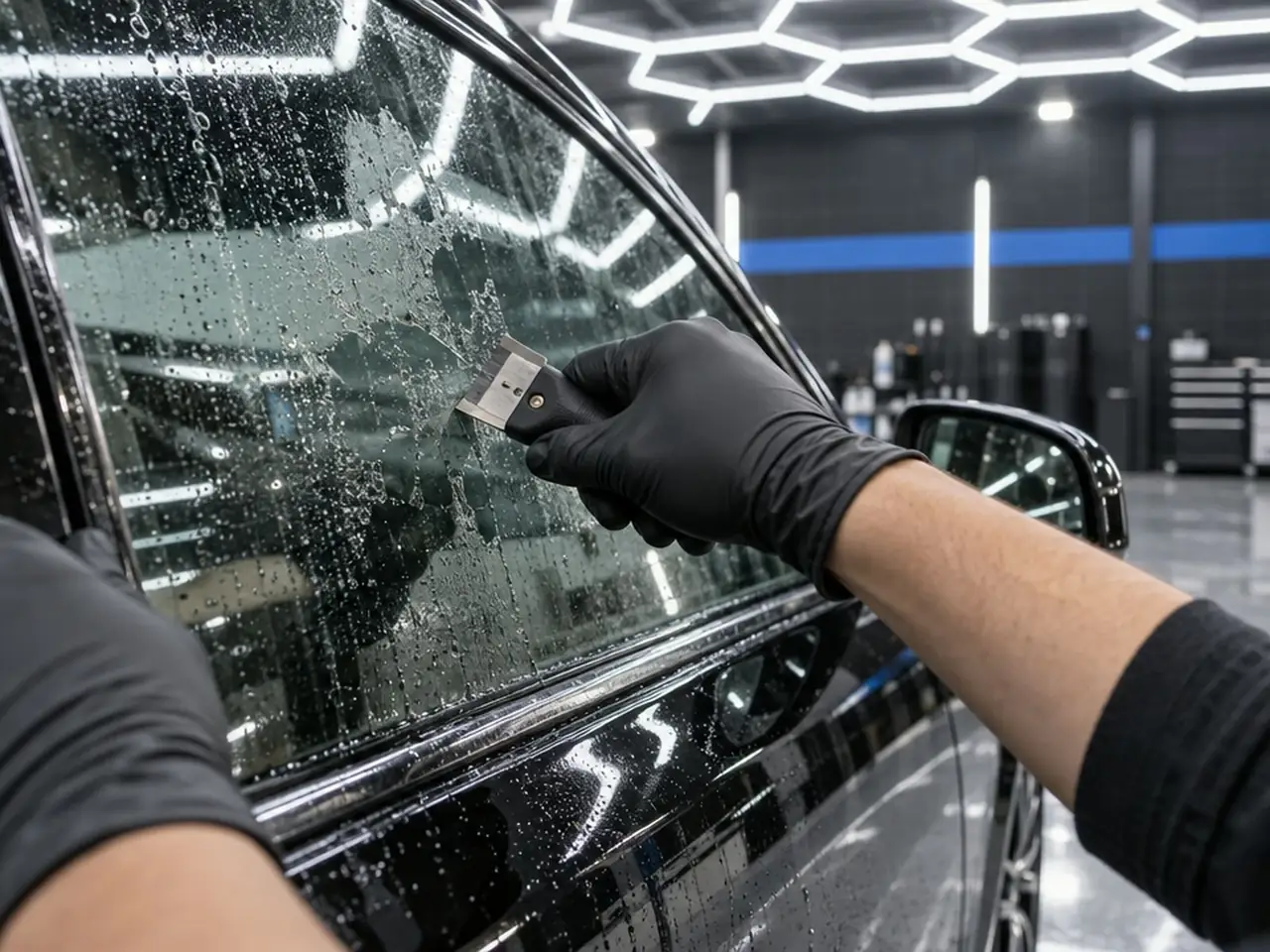
Protect the interior before the first pass. Lay towels or plastic sheeting over the door panel, seat and dash, because water and loosened film can run into trim, speaker areas and switch housings. Work in small sections so the glass stays wet and the film does not dry out under the blade. Keep a clean towel nearby to wipe grit off the glass and off the scraper between sections. Taking a few minutes to cover the cabin is faster than cleaning up a soaked door card or a scratched panel afterward.
- Wet the glass with soapy water or a cleaning solution so the blade glides and grit is less likely to scratch.
- Fit the blade and confirm it is held firmly.
- Note any defroster lines on a rear window and plan extra care there.
How should I hold and move the blade?
- Hold the blade at a shallow angle to the glass.
- Push in steady passes.
- Keep the exposed edge in mind at all times, and cover or remove it when you store the tool.
- Replace the blade once it is dull.
Which blade should I use?
| Situation | Choice |
|---|---|
| A metal edge could scratch the surface, such as coated or tinted glass | A plastic blade |
| A 1-inch blade is wanted | 1 Inch Scraper Handle, which takes steel or plastic 1-inch blades |
| A 4-inch blade is wanted | Long or Short 4 Inch Scraper, which take 4 Inch Carbon Steel Blades |
Where do spent blades go?
Spent blades belong in a rigid container, not loose in a bag, pocket or on a mat. Glacier supplies a Blade Disposal Container. Dispose of a full container following local rules.
Where is the full removal method?
The tint removal guide covers removal from start to finish.
For related reading, see the tint shop supplier guide to film and tools, the start-a-tint-shop checklist and window tint laws by state.
Quick answers
9 questions. Select one to open it.
Should I wet the glass before scraping?
Yes. Installers wet the glass so the blade slides smoothly and loose grit is less likely to leave scratches.
What angle should I hold the blade at?
A shallow angle to the glass, in steady passes.
Which blade is better for coated or tinted glass?
A plastic blade. Plastic blades are sold for surfaces that a metal edge could scratch.
How do I treat rear window defroster lines?
Defroster lines are the thin heating strips on the inside of a rear window. Installers take care around them during prep, so take extra care near them.
When should I replace a blade?
Replace it once it is dull.
Where do I put used blades?
In a rigid container, such as a Blade Disposal Container, and dispose of it following local rules.
What scraper handles does Glacier supply?
Glacier supplies a 1 Inch Scraper Handle, Long and Short 4 Inch Scrapers and an 8 Inch Big Mouth Handle, plus the blades they take.
Is this the whole removal process?
No. This answer covers the scraping stage. Read the tint removal guide for the full method.
Why does old tint often come off in pieces?
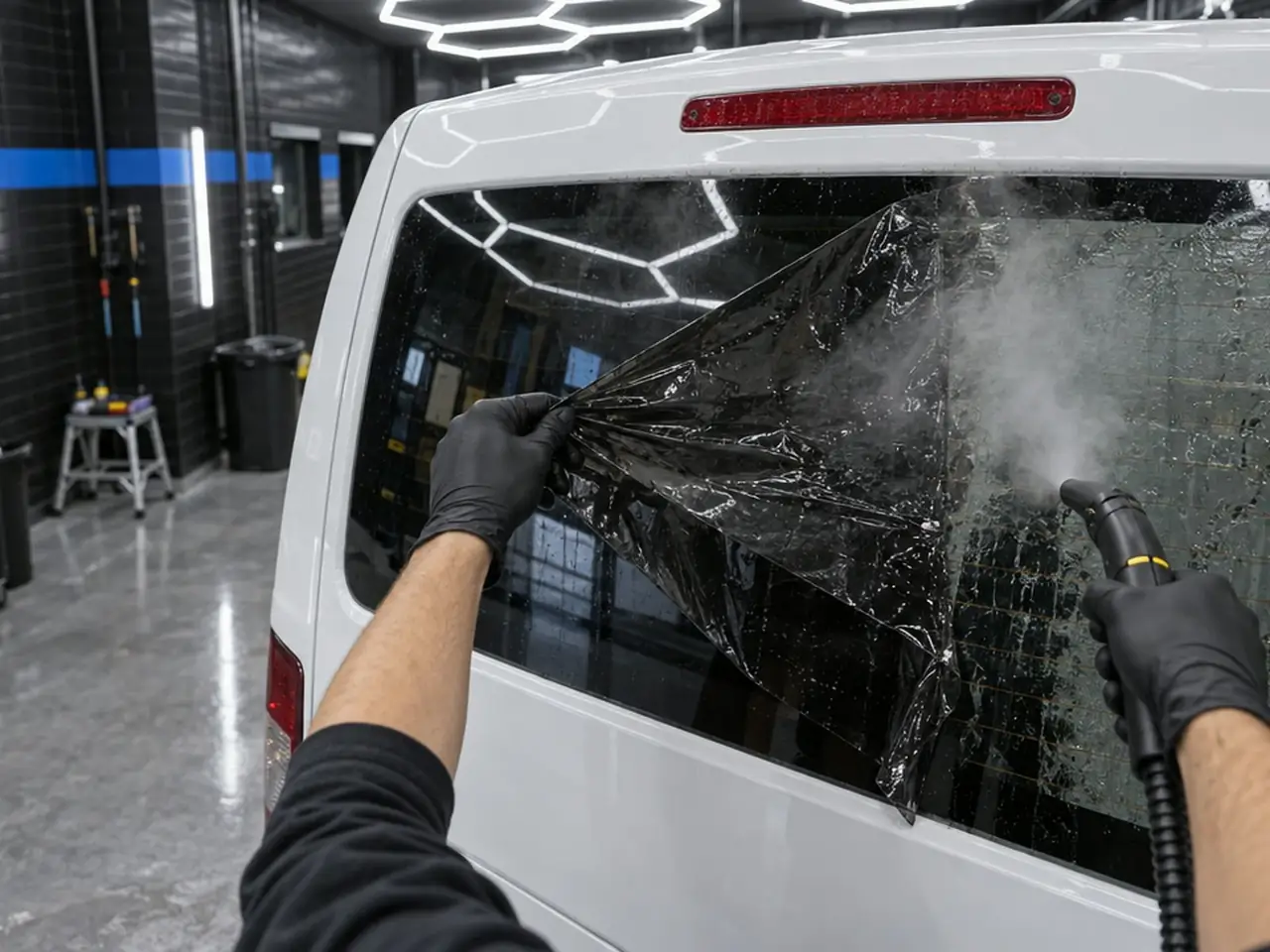
Old film often breaks into strips instead of lifting in one sheet. Re-wet the area, lift a fresh corner and work in short, steady pulls rather than forcing a long strip. Slow down near defroster lines, and stop to re-wet whenever the glass starts to dry.
Need film or tools for your shop? Apply for a wholesale account.