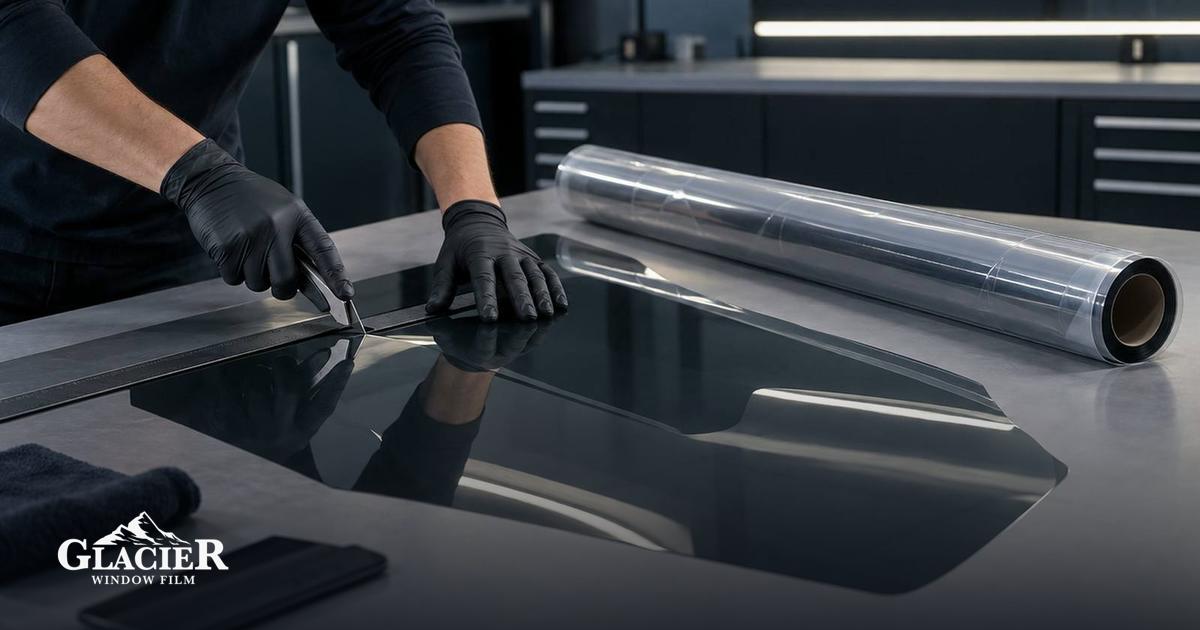
Minnesota window tint laws
Minnesota window tint law applies 50% to every regulated window, plus or minus 3 points. For sedans that covers front side, back side and rear windows. For SUVs, the front and back side windows are 50%; vans are exempt behind the driver, as are rear windows of vans and pickups. Reflectance is capped at luminous 20%, plus or minus 3.
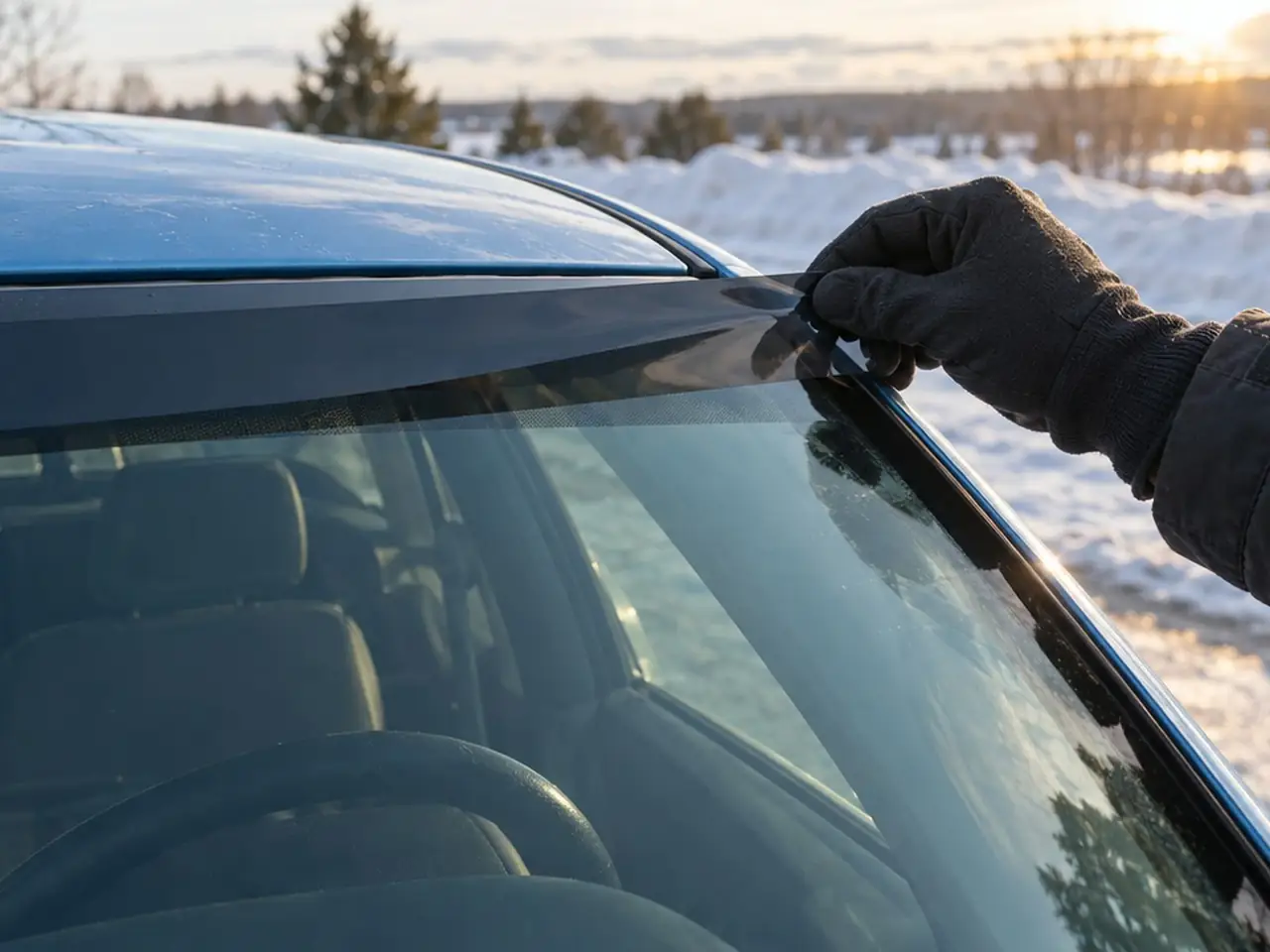
The windshield note is strict: no film that adds reflectance or reduces transmittance, and no strip allowance.
Film applied after Aug 1, 1985 must carry a permanent marking of its transmittance and reflectance percentages. For medical need, a prescription or physician/optometrist statement gives a minimum transmittance, temporary or permanent, and expires within 2 years unless permanent. A family or care-recipient prescription is usable if the vehicle is listed, and a 2026 amendment is retroactive to 7/1/2025.
This Minnesota summary rests on Minn. Stat. 169.71 subd. 4, 4a, verified November 12, 2026.
Glacier supplies window film to tint shops and installers nationwide; see the shade and product pages for lines.
This is general information, not legal advice; check your state's current rules before choosing a shade.
Minnesota VLT limits by window
Cars and sedans
Plus or minus 3 percentage points
Plus or minus 3 percentage points
Plus or minus 3 percentage points
Windshield. No film that adds reflectance or reduces transmittance; no strip allowance
SUVs, vans and trucks
Plus or minus 3; no SUV exemption
SUV 50%; vans exempt behind driver
SUV 50%; van and pickup rear exempt
Windshield. Same as sedan
Official sources
A guide, not legal advice: tint laws change, so confirm the current rules with Minnesota before you install. Last verified November 12, 2026.
Film lines for Minnesota shops
Glacier sells automotive window film in several visible light transmission (VLT) options. Compare the three ceramic lines (Premium Ceramic, Ceramic Plus and Ceramic Ultimate Plus), see the full window film range, or open a wholesale account. Not sure which shade fits Minnesota’s limits? Check the table above and confirm with Minnesota before you quote a film.
Minnesota tint law questions
What is Minnesota's front side window tint limit?
Front side windows must pass at least 50% of light, with a tolerance of plus or minus 3 percentage points. There is no SUV exemption for the front windows. The windshield cannot take any film that adds reflectance or reduces transmittance, and the state allows no strip at the top.
Which vehicles are exempt on rear windows in Minnesota?
SUVs follow the 50% rule on rear side and rear windows. Vans are exempt behind the driver, and the pickup exemption covers the rear window only. Hearses, limousines and police vehicles are also exempt. Sedans follow the 50% limit on all side and rear glass.
How does Minnesota handle medical tint exemptions?
A prescription or a physician or optometrist statement sets the minimum transmittance, and it can be temporary or permanent. It expires within 2 years unless permanent. A family or care-recipient prescription can be used if the vehicle is listed. The rules were amended in 2026, so confirm current requirements with the state.
Does Minnesota require tint film to be marked?
Yes. Film applied after August 1, 1985 must carry a permanent marking of its transmittance and reflectance percentages. Reflectance is capped at 20%, plus or minus 3, and the film cannot have a mirrored look.
Picking a shade? See choosing the right VLT, try it in the Film Studio or request a quote.