Window tint laws, explained
Window tint laws are set by each state, not nationally. They usually limit how dark the film can be on each window using VLT (visible light transmission), and may restrict reflective or colored film. Always check your state's current rules and ask your tint shop before choosing a shade.
How tint laws work
Most states set a minimum VLT for the front side windows, sometimes a different one for rear and back windows, and often allow a darker strip across the top of the windshield. Some states also restrict mirror-like or colored film, require a sticker or certificate, or treat SUVs and trucks differently from sedans.
The terms you'll see
- VLT: visible light transmission, the percentage of visible light passing through film and glass together. Lower is darker.
- Front side windows: the driver and front passenger windows, where limits are usually strictest.
- Rear side and rear windows: many states allow darker film here, sometimes with a side mirror requirement.
- Windshield strip: a limited band at the top; in some states it is measured from the AS-1 line marked on the glass.
- Reflectivity: limits on how mirror-like the film can be.
- Medical exemptions: some states allow darker tint with documentation.
Patterns, without the numbers
Limits differ widely: some states allow fairly dark front windows and others allow very little. The differences are large enough that moving states can make a legal tint illegal. For exact numbers, use your state's own rules.
How to check your state
Our state tint laws pages list rules for each state and DC, with the official source and the date compiled. Cross-check with your state's motor vehicle or highway patrol website, because laws change. A reputable shop will know your state's rules and tell you what is legal.
What a shop can and can't install
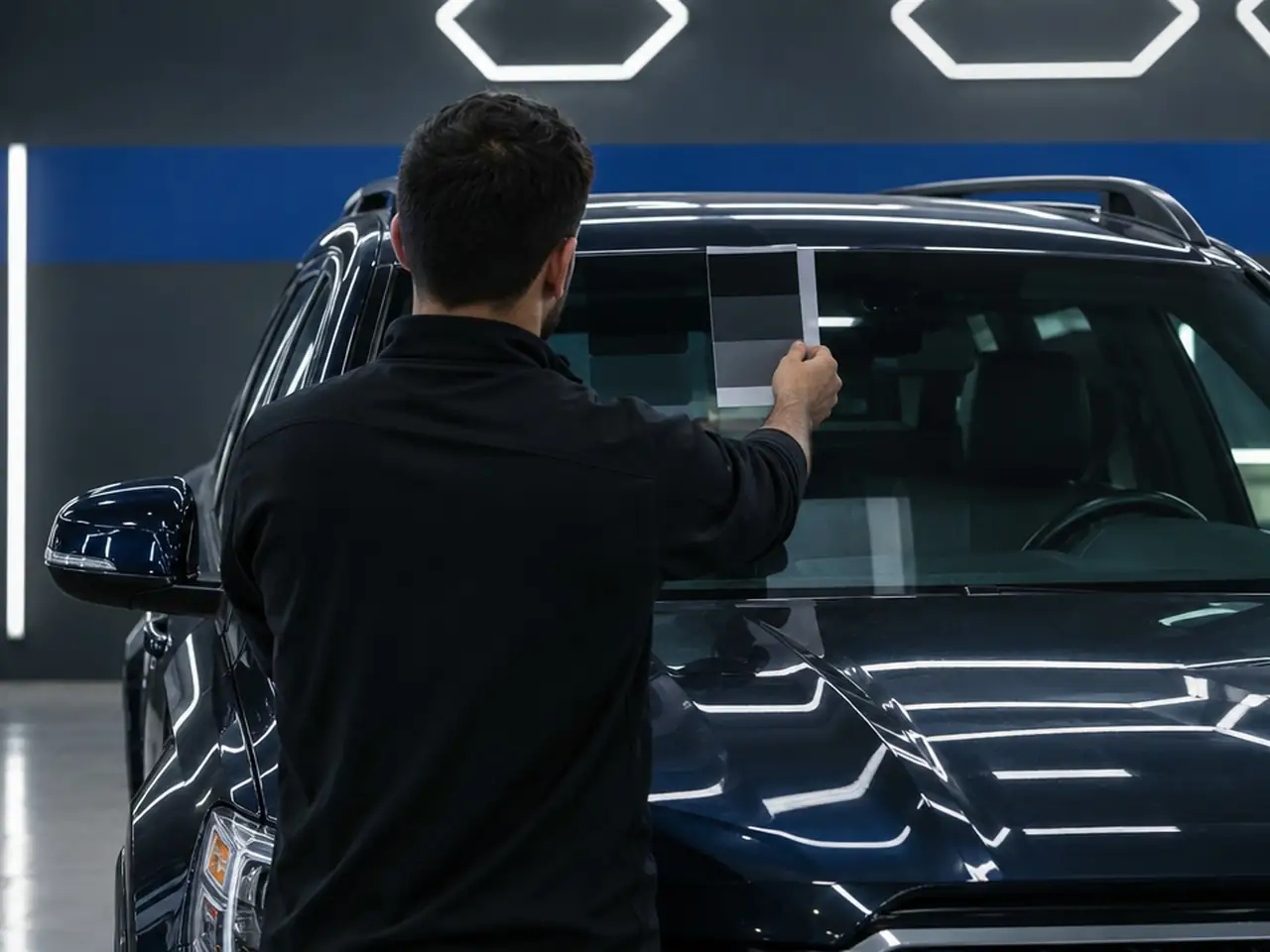
Many shops will only install within the legal limit and may decline illegal shades on the front windows. If you hold a medical exemption, bring the paperwork. Some states ask the installer to affix a compliance sticker.
Inspections and tickets
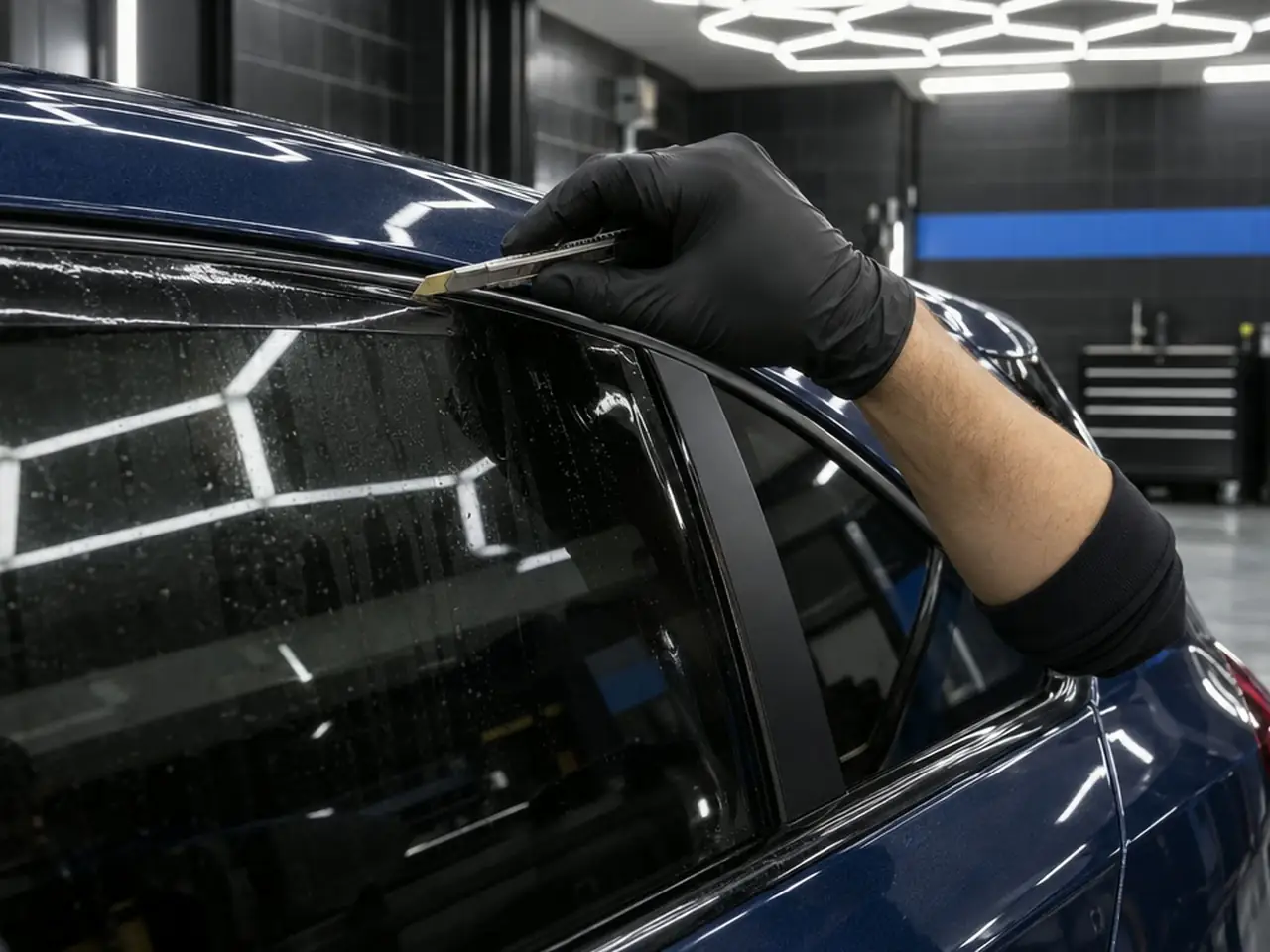
Enforcement varies. Some states test tint with a meter at inspection or in a traffic stop, and fines and remedies vary. A shop can tell you how your state handles it.
What should I do if I buy a car or move to a new state?
Each state sets its own rules. If you have moved, or bought a car that came from another state, check the new state's rules before you assume the existing film is legal.
- Look up the rules for each window on the car.
- Check whether SUVs, trucks and vans are treated differently from sedans.
- Ask whether a sticker or certificate is required.
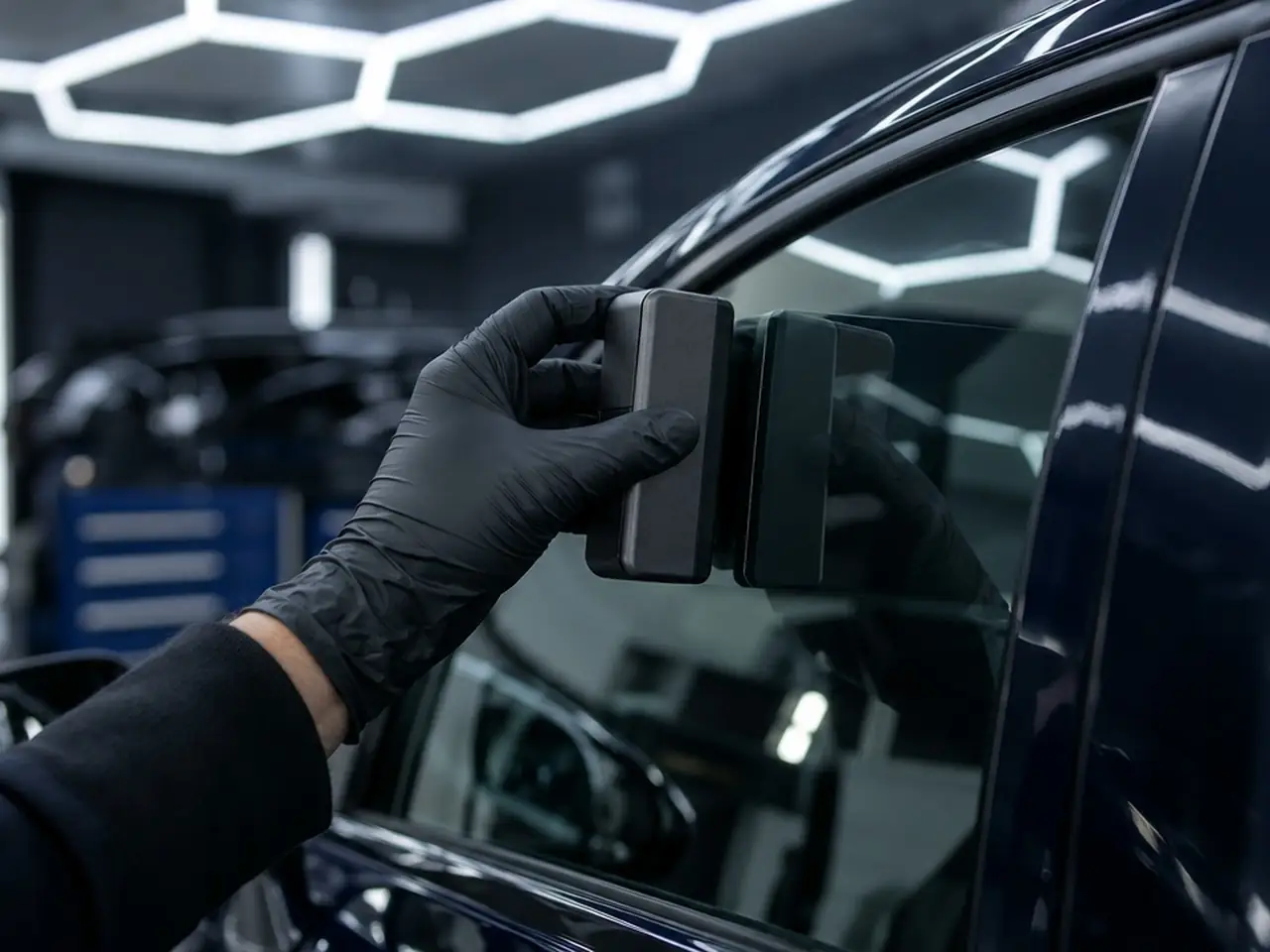
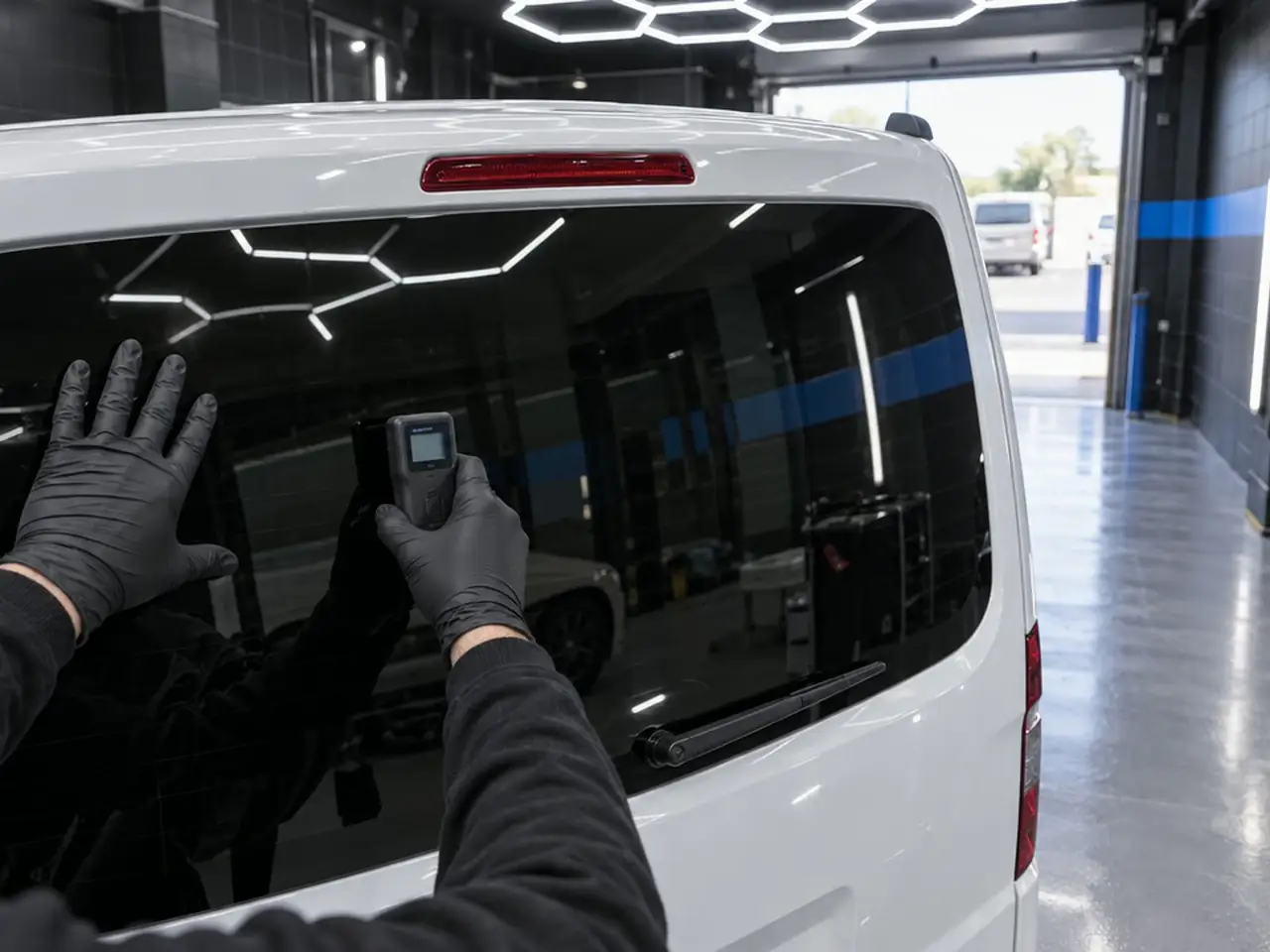
- Ask a shop to read the film on the glass with a meter.
How do I read a tint law page without mistakes?
Read the window name first, then the limit, then the notes. Many pages list a minimum VLT, which means the film and glass together must let at least that much light through, so a higher number is lighter tint. Do not mix up a minimum and a maximum.
- Check which vehicle type the row applies to.
- Check the date the page was last verified.
- Read the notes on reflectivity and colors.
- Check whether exemption paperwork must be carried in the car.
Why do limits differ by window?
Many states set a different limit for each window, and the front side windows are usually the strictest. Rear side and rear windows often allow darker film, so a shade that is fine on the back glass may not be allowed on the front. Check each window against your state's rules.
Who can I ask if the rules are unclear?
Your state's motor vehicle agency or highway patrol can answer questions about current rules. A reputable tint shop should know your state's rules and can tell you what it will install. If you are still unsure, choose the lighter option and confirm before you commit.
Find a Glacier dealer
Glacier supplies professional film to tint shops and installers, not directly to the public. To have Glacier film installed, ask your tint shop for it by name, or use our dealer finder to find an installer near you.
In this guide
- How tint laws work
- The terms you'll see
- Patterns, without the numbers
- How to check your state
- What a shop can and can't install
- Inspections and tickets
- What should I do if I buy a car or move to a new state?
- How do I read a tint law page without mistakes?
- Why do limits differ by window?
- Who can I ask if the rules are unclear?
- Find a Glacier dealer
Quick answers
Is there one national tint law?
No. Each state sets its own.
Are medical exemptions available?
In many states, with documentation. Check your state's rules.
Does the law differ for SUVs and trucks?
In many states, yes: rear windows are often treated differently.
Can I tint my windshield?
Most states allow only a strip at the top, and some prohibit more. Check your state.
Who enforces tint laws?
State and local police, and at vehicle inspection in states that require it.
What is VLT?
Visible light transmission: the percentage of visible light passing through film and glass.
Where can I check my state's tint rules?
Glacier's state tint laws pages list the rules for each state and DC, with the official source and the date compiled. Cross-check them with your state's motor vehicle or highway patrol website, because laws change. A reputable tint shop will also know your state's rules and tell you what is legal.
Will a tint shop install a shade that is illegal?
Many shops only install within the legal limit and may decline illegal shades on the front windows. If you hold a medical exemption, bring the paperwork to the shop. Some states also ask the installer to affix a compliance sticker, so ask your shop how your state handles it.
Need film for your shop? Apply for a wholesale account.