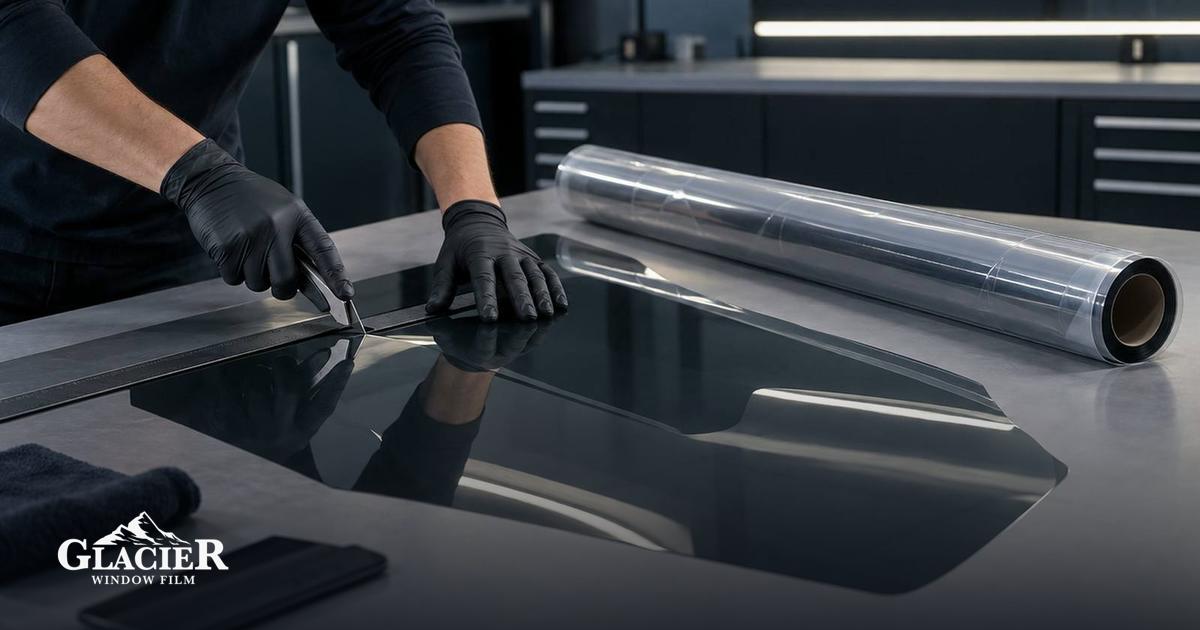
South Carolina window tint laws
South Carolina window tint law measures film plus factory glass combined. Under S.C. Code 56-5-5015, front side windows need 27%, non-reflective, for sedans and SUVs, and back side windows 27% on sedans. The rear window carries a conditional note; see the official source. On SUVs, multipurpose vehicles, other trucks, buses and RVs are exempt behind the driver; pickups keep 27%.
Tint must be 'nonreflective', designed to absorb light, with no numeric limit. The windshield allows a non-reflective strip along the top, not below the AS-1 line, and no film at all if AS-1 is not visible. No red, yellow or amber sunscreening device is allowed.
A certificate of compliance goes on the lower right of each tinted window, with VLT %, installer name, address and phone, and install date (56-5-5015(E)). For medical need, a physician or optometrist affidavit is kept in the vehicle at all times and updated every 2 years.
Source: S.C. Code 56-5-5015. Verified for South Carolina on November 12, 2026.
Glacier supplies window film to tint shops and installers nationwide; see the shade and product pages for lines.
This is general information, not legal advice; check your state's current rules before choosing a shade.
South Carolina VLT limits by window
Cars and sedans
Combined film plus factory glass; non-reflective
Combined; single device on side windows
Combined; 20% only for pre-1993 installs; both mirrors
Windshield. Non-reflective strip along top, not below AS-1 line; no film if AS-1 not visible
SUVs, vans and trucks
Combined; non-reflective
MPVs, other trucks, buses, RVs exempt; pickups keep 27%
Same exemption; pickups keep 27%
Windshield. Same as sedan
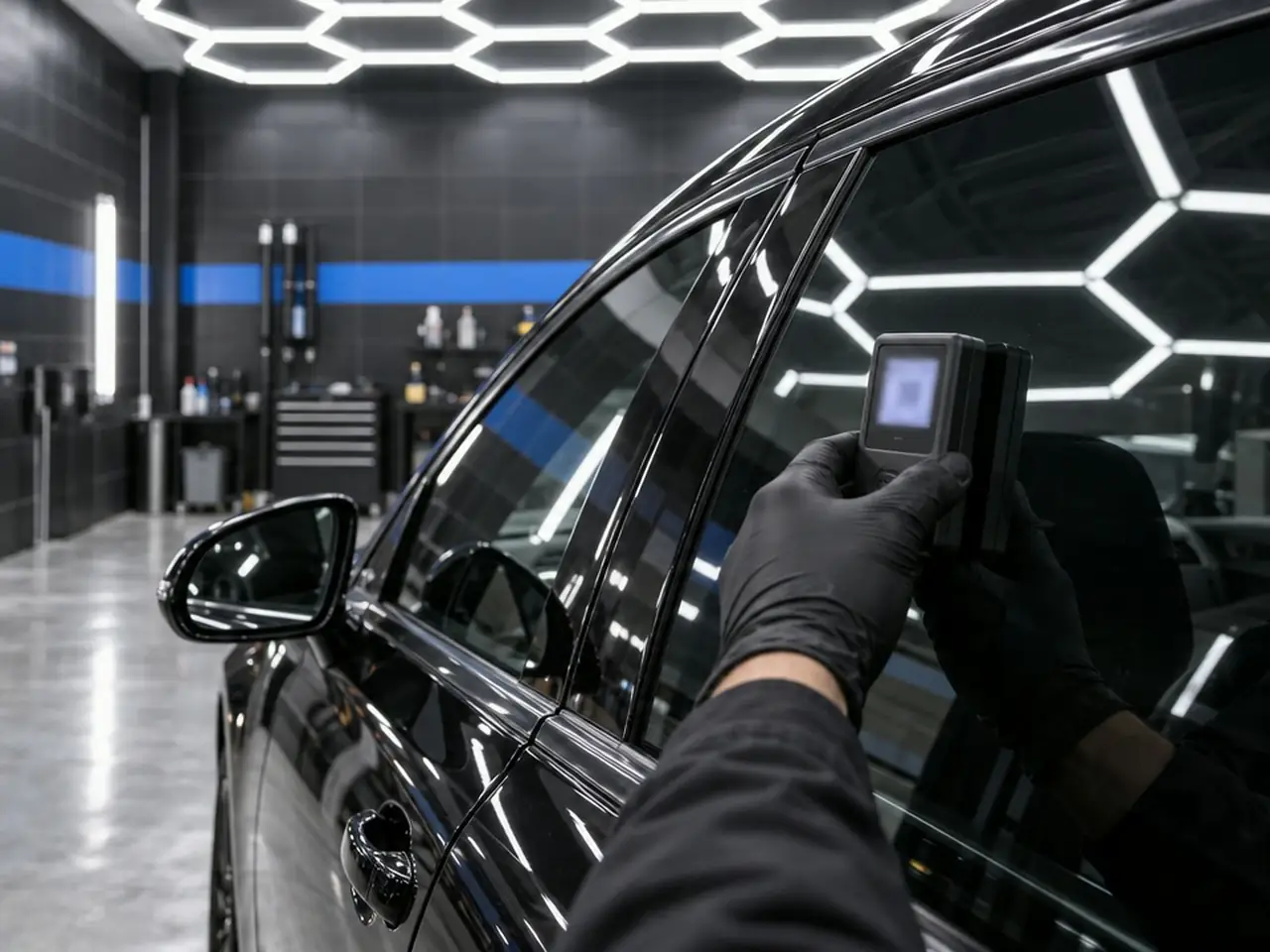
Official sources
A guide, not legal advice: tint laws change, so confirm the current rules with South Carolina before you install. Last verified November 12, 2026.
Film lines for South Carolina shops
Glacier sells automotive window film in several visible light transmission (VLT) options. Compare the three ceramic lines (Premium Ceramic, Ceramic Plus and Ceramic Ultimate Plus), see the full window film range, or open a wholesale account. Not sure which shade fits South Carolina’s limits? Check the table above and confirm with South Carolina before you quote a film.
South Carolina tint law questions
What VLT is legal for front side windows in South Carolina?
Front side windows must pass at least 27%, counting film and factory glass combined, and the film must be non-reflective. The statute states no tolerance. The same 27% applies to back side windows on cars.
Can an SUV have darker rear windows in South Carolina?
MPVs, other trucks, buses and RVs are exempt on back side and rear windows, but pickups keep the 27% limit. Cars must also have both mirrors for rear tint, and 20% applies only to pre-1993 installs.
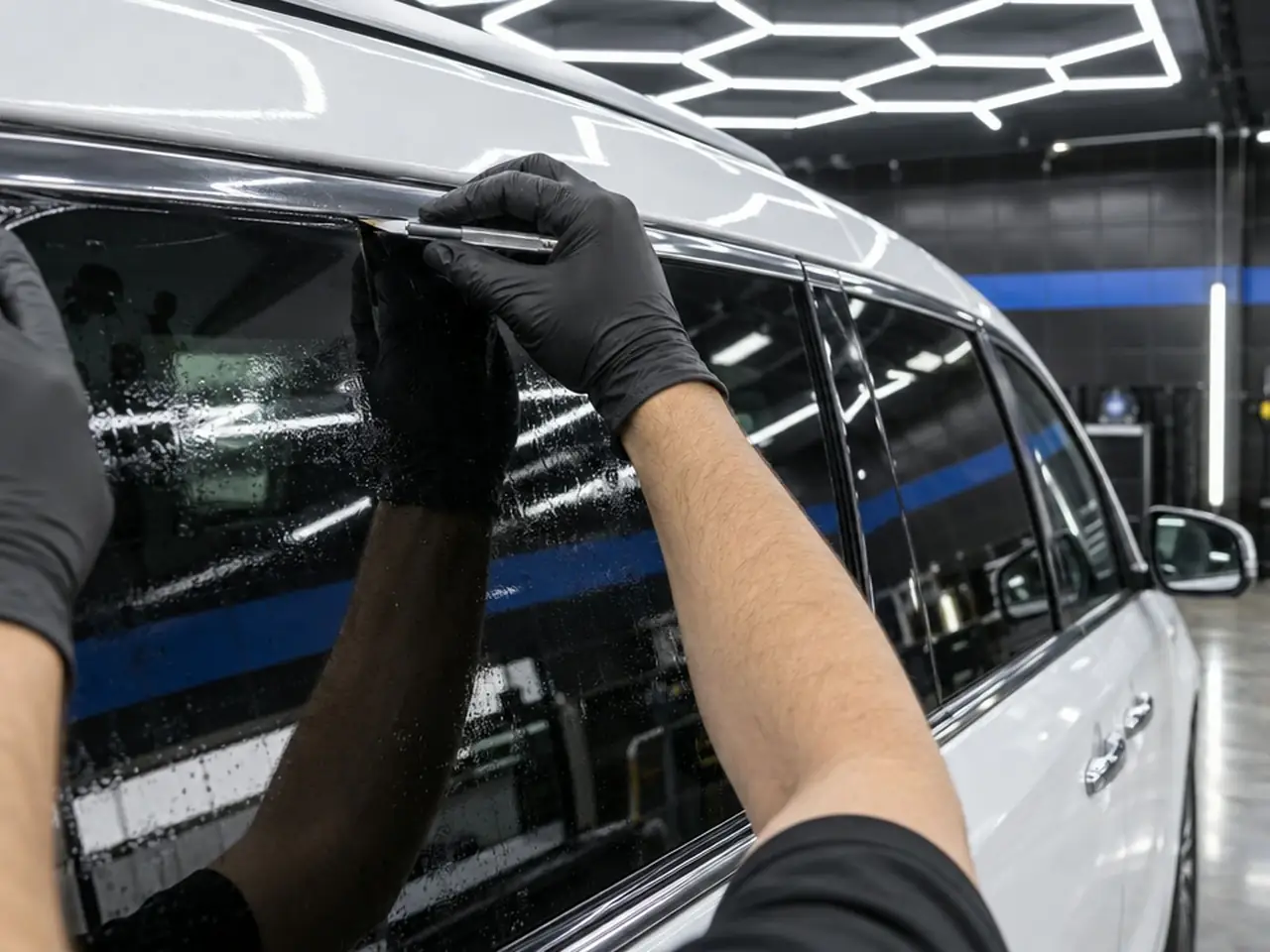
What does South Carolina require on the certificate?
A certificate of compliance goes on the lower right of each tinted window. It lists the VLT percentage, the installer's name, address and phone, and the installation date under 56-5-5015(E).
Is there a medical exemption for tint in South Carolina?
Yes. A physician or optometrist affidavit must be kept in the vehicle at all times and updated every 2 years. Law-enforcement K-9 vehicles also have an exemption. Reflectivity must simply be nonreflective, with no numeric limit.
Picking a shade? See choosing the right VLT, try it in the Film Studio or request a quote.