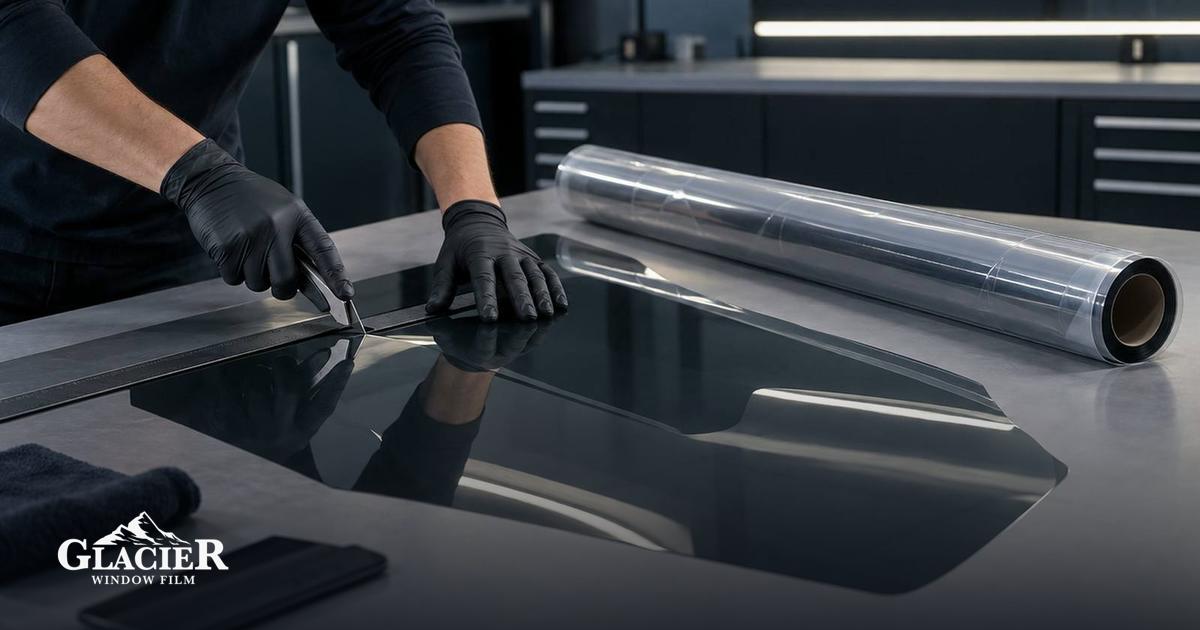
Connecticut window tint laws
Connecticut window tint law, Conn. Gen. Stat. 14-99g, regulates front and back side windows separately. Front side windows need 35% minimum, +/-3, reflectance capped at 27% (+/-3), not mirror-like. Back side windows on sedans need 35% minimum, +/-3, reflectance capped at 21% (+/-3). On SUVs, trucks, buses and MPVs are exempt behind the driver with dual mirrors.
The windshield may carry a transparent non-red, non-amber strip on top, with its bottom edge 29+ inches above the undepressed driver seat. Film that alters window color is barred unless within the limits.
Documentation matters here. After-factory tinted windows need a sticker on the lower left corner of each window, with a registration number and compliance certification, and the film maker must register the film and sticker with the DMV (14-99g(e)). Medical exemption requires a written application to the DMV commissioner with physician or optometrist documentation.
The Connecticut entry dates from a check on November 12, 2026 and names Conn. Gen. Stat. 14-99g.
Glacier supplies window film to tint shops and installers nationwide; see the shade and product pages for lines.
This is general information, not legal advice; check your state's current rules before choosing a shade.

Connecticut VLT limits by window
Cars and sedans
+/-3; reflectance 27% (+/-3) max, not mirror-like
+/-3; reflectance 21% (+/-3) max, not mirror-like
Exempt with outside mirrors both sides, 200 ft (14-99g(c)(10))
Windshield. Transparent non-red/amber strip on top, bottom edge 29+ in above undepressed driver seat.
SUVs, vans and trucks
+/-3; reflectance 27% (+/-3) max, not mirror-like
Trucks, buses, MPVs exempt behind driver with dual mirrors
Exempt with outside mirrors both sides, 200 ft
Windshield. Transparent non-red/amber strip on top, bottom edge 29+ in above undepressed driver seat.
Official sources
A guide, not legal advice: tint laws change, so confirm the current rules with Connecticut before you install. Last verified November 12, 2026.
Film lines for Connecticut shops
Glacier sells automotive window film in several visible light transmission (VLT) options. Compare the three ceramic lines (Premium Ceramic, Ceramic Plus and Ceramic Ultimate Plus), see the full window film range, or open a wholesale account. Not sure which shade fits Connecticut’s limits? Check the table above and confirm with Connecticut before you quote a film.
Connecticut tint law questions
What VLT do Connecticut front and rear side windows need?
Front and back side windows must each pass at least 35%, with a plus or minus 3 tolerance written into the statute. On trucks, buses and multipurpose vehicles, windows behind the driver are exempt when dual outside mirrors are fitted.
Does Connecticut require a sticker on tinted windows?
Yes. A sticker showing the registration number and a compliance certification goes on the lower left corner of each after-factory tinted window. Film makers must register their film and sticker with the DMV.
Are there reflectance limits in Connecticut?
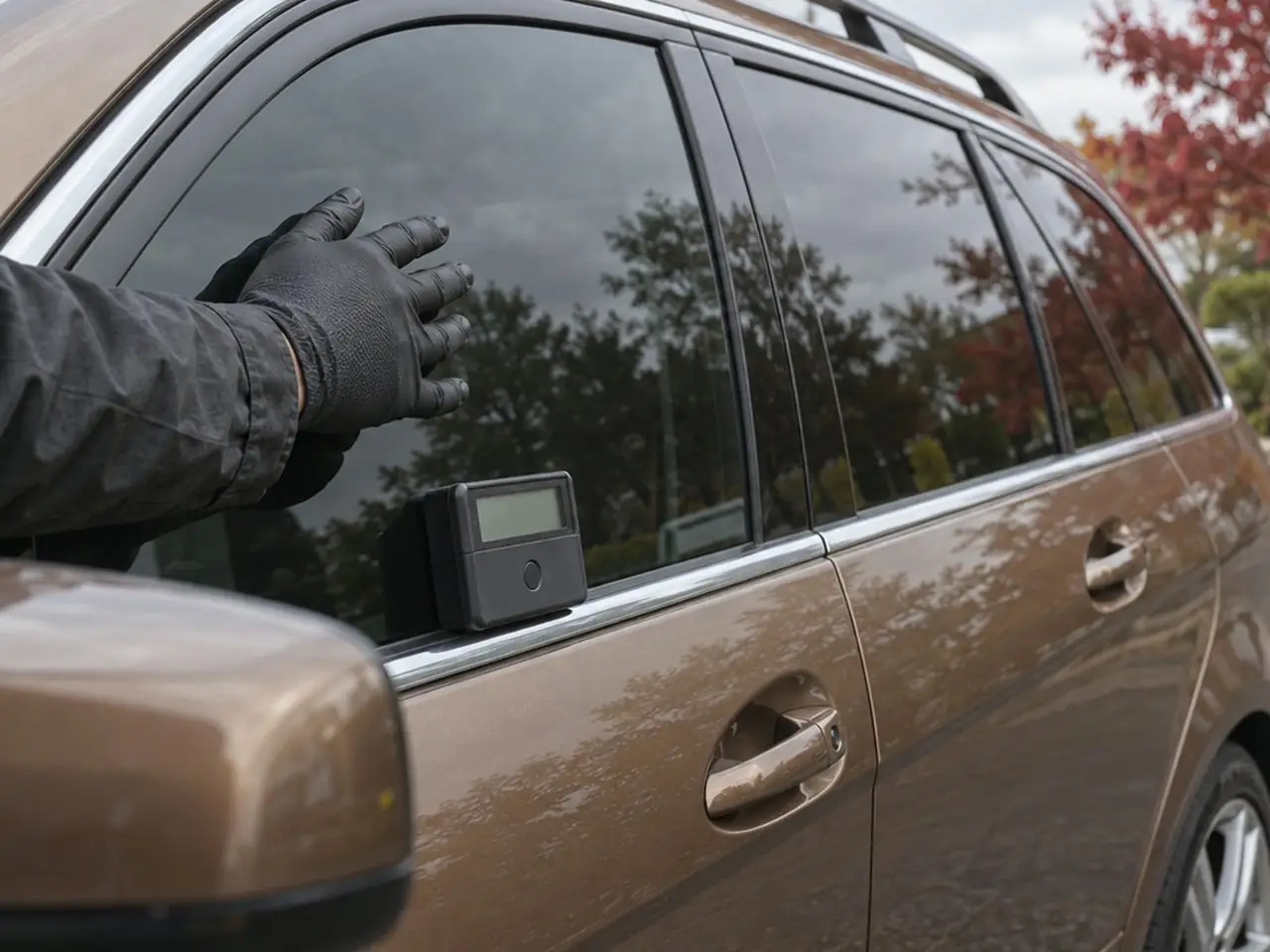
Tint must not be mirror-like. Reflectance may not exceed 27% on front windows or 21% on rear side windows, each with a plus or minus 3 tolerance. Film that alters the window color is barred unless it stays within these limits.
How does a medical exemption work in Connecticut?
You submit a written application to the DMV commissioner with documentation from a physician or optometrist. Livery vehicles are exempt separately. Ask the DMV what darkness limit applies once the exemption is granted, since it is not stated here.
Picking a shade? See choosing the right VLT, try it in the Film Studio or request a quote.