Colorado window tint laws
Colorado window tint law is most specific on the windshield: C.R.S. 42-4-227(1) is summarized as a minimum VLT plus a non-transparent top band that may not be red or amber or distort vision. Side and rear window limits carry a 'darker OK if' condition tied to the front sides and windshield, so see the table and official source.
What a shop checks before quoting in Colorado
Colorado is marked confirm with your state in the data, so a shop treats every figure as a starting point. Under C.R.S. 42-4-227(1), the data lists 27% on all windows except the windshield, with a darker-allowed condition on the back and rear windows tied to the front sides and windshield at 70%+, and a windshield of at least 70% VLT. Sedans and SUVs share the same rows. The data also lists no metallic or mirrored appearance on any window, and no certificate required. The notes field is empty, so it states no tolerance. Confirm with your state before quoting any film.
No metallic or mirrored appearance is allowed on any window, and no numeric reflectivity limit is listed. The data lists no certificate required, though required certificates may be displayed if they do not obstruct the view (42-4-227(1)(e)).
Medical exemption is not confirmed: the 2024 edition of section 42-4-227 lists none. Confirm with the official source, either Colorado State Patrol or the DMV, before choosing a shade.
Official sources for Colorado: C.R.S. 42-4-227(1). Date of verification for Colorado: November 12, 2026.
Glacier supplies window film to tint shops and installers nationwide; see the shade and product pages for lines.
This is general information, not legal advice; check your state's current rules before choosing a shade.
Colorado's window tint limits are flagged to confirm with your state, so this page does not give a darkness figure at a glance. Check the Colorado source below and confirm with your state before you quote.
| Vehicle | Front side | Back side | Rear window |
|---|---|---|---|
| Sedan | Confirm with your state | Confirm with your state | Confirm with your state |
| SUV, van or truck | Confirm with your state | Confirm with your state | Confirm with your state |
Source: C.R.S. 42-4-227(1). Data last verified 2026-11-12. Some states also set outside-mirror or reflectance conditions on these windows; see the state page.
Colorado VLT limits by window
Confirm with your state. We could not confirm every detail of Colorado’s rules from the official text, so treat these numbers as a starting point and check with the state before you quote a film.
Cars, sedans, SUVs, vans and trucks
All windows except windshield
Darker OK if front sides and windshield 70%+
Darker OK if front sides and windshield 70%+
Windshield. At least 70% VLT; non-transparent strip allowed on topmost 4 inches max, not red/amber.
Official sources
A guide, not legal advice: tint laws change, so confirm the current rules with Colorado before you install. Last verified November 12, 2026. Sources for this record: C.R.S. 42-4-227(1). The data was last verified November 12, 2026.
Film lines for Colorado shops
Glacier sells automotive window film in several visible light transmission (VLT) options. Compare the three ceramic lines (Premium Ceramic, Ceramic Plus and Ceramic Ultimate Plus), see the full window film range, or open a wholesale account. Not sure which shade fits Colorado’s limits? Check the table above and confirm with Colorado before you quote a film.
For related reading, see how to read tint VLT percentages, automotive window film rolls, how ceramic and carbon tint differ and windshield tint strip rules by state.
Colorado tint law questions
What is the front window tint limit in Colorado?
Front side windows must pass at least 27% of light, the same figure that applies to every window except the windshield. Sedans and SUVs share this limit. No meter tolerance is written into the section.
Can rear windows be darker than 27% in Colorado?
Darker tint is allowed on the back and rear windows only when the front sides and windshield are 70% or more. Otherwise 27% applies. Metallic or mirrored appearances are not allowed on any window, and there is no numeric reflectance limit.
Does Colorado have a medical tint exemption?
Not confirmed for this state. Section 42-4-227 in the 2024 edition lists no medical exemption, and later amendments may differ. Ask Colorado State Patrol or the DMV before assuming an exemption exists or installing darker film for a medical reason.
What are the windshield tint rules in Colorado?
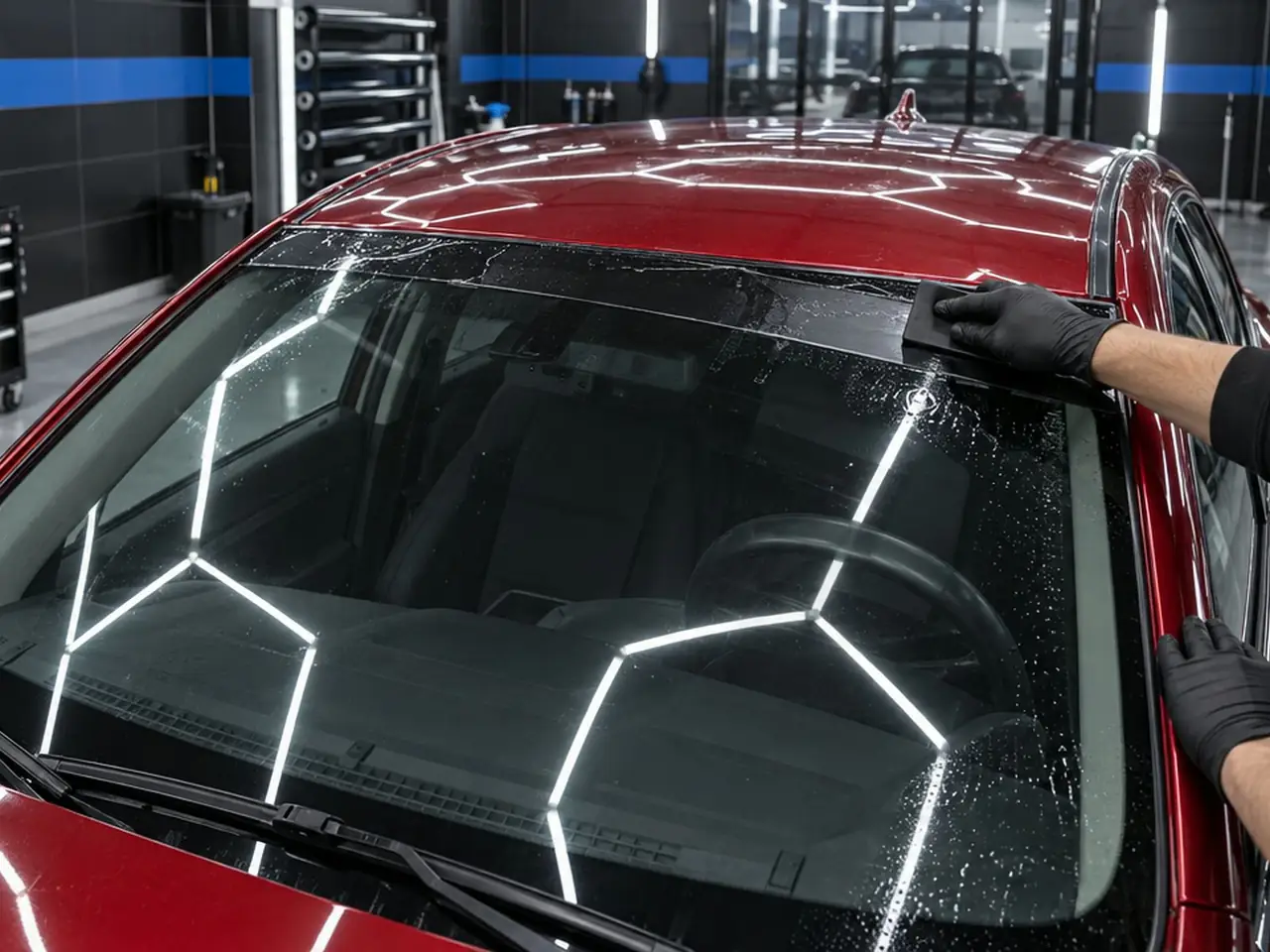
The windshield needs at least 70% VLT, with a non-transparent strip allowed on the topmost 4 inches at most. The strip cannot be red or amber, and it must not distort vision or affect perception of primary colors. No compliance certificate is required.
Do Colorado SUVs and vans follow different tint rows than sedans?
In the data, no. Sedans and SUVs list the same rows: 27% on the front, back and rear windows, and a windshield of at least 70% VLT. Because Colorado is marked confirm with your state, check with the state before quoting any vehicle class.
How do I confirm the current Colorado tint rule?
The state page lists C.R.S. 42-4-227(1) on the content.leg.colorado.gov site, and the data was last verified November 12, 2026. Because Colorado is marked confirm with your state, check with Colorado State Patrol or the DMV before quoting a film.
Picking a shade? See choosing the right VLT, try it in the Film Studio or request a quote.