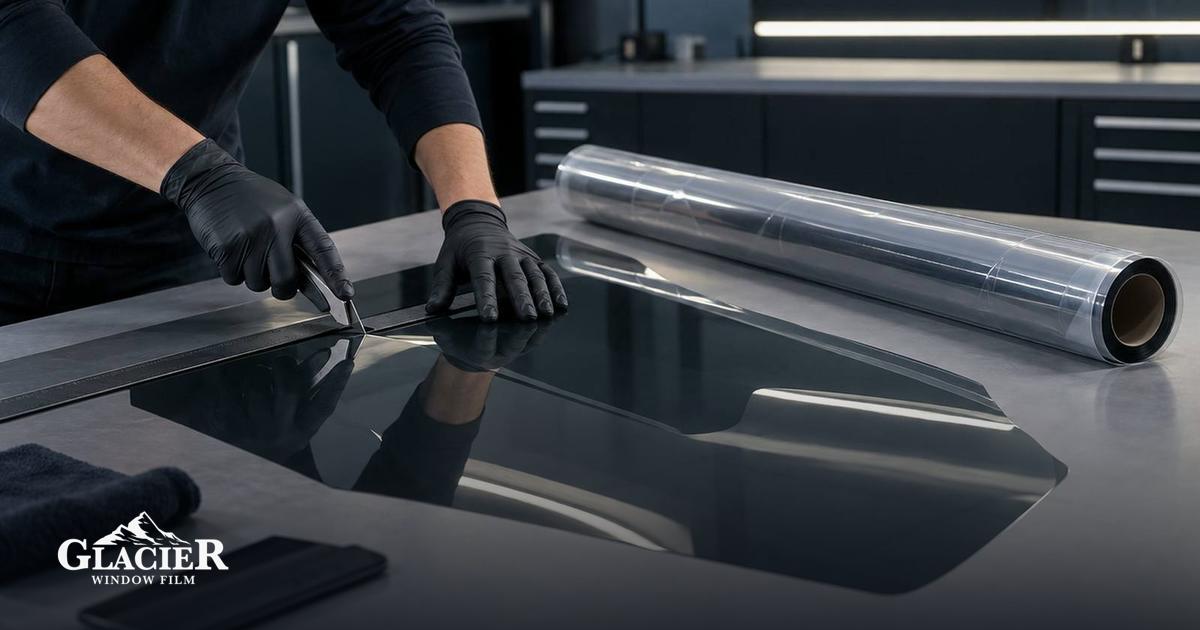
West Virginia window tint laws
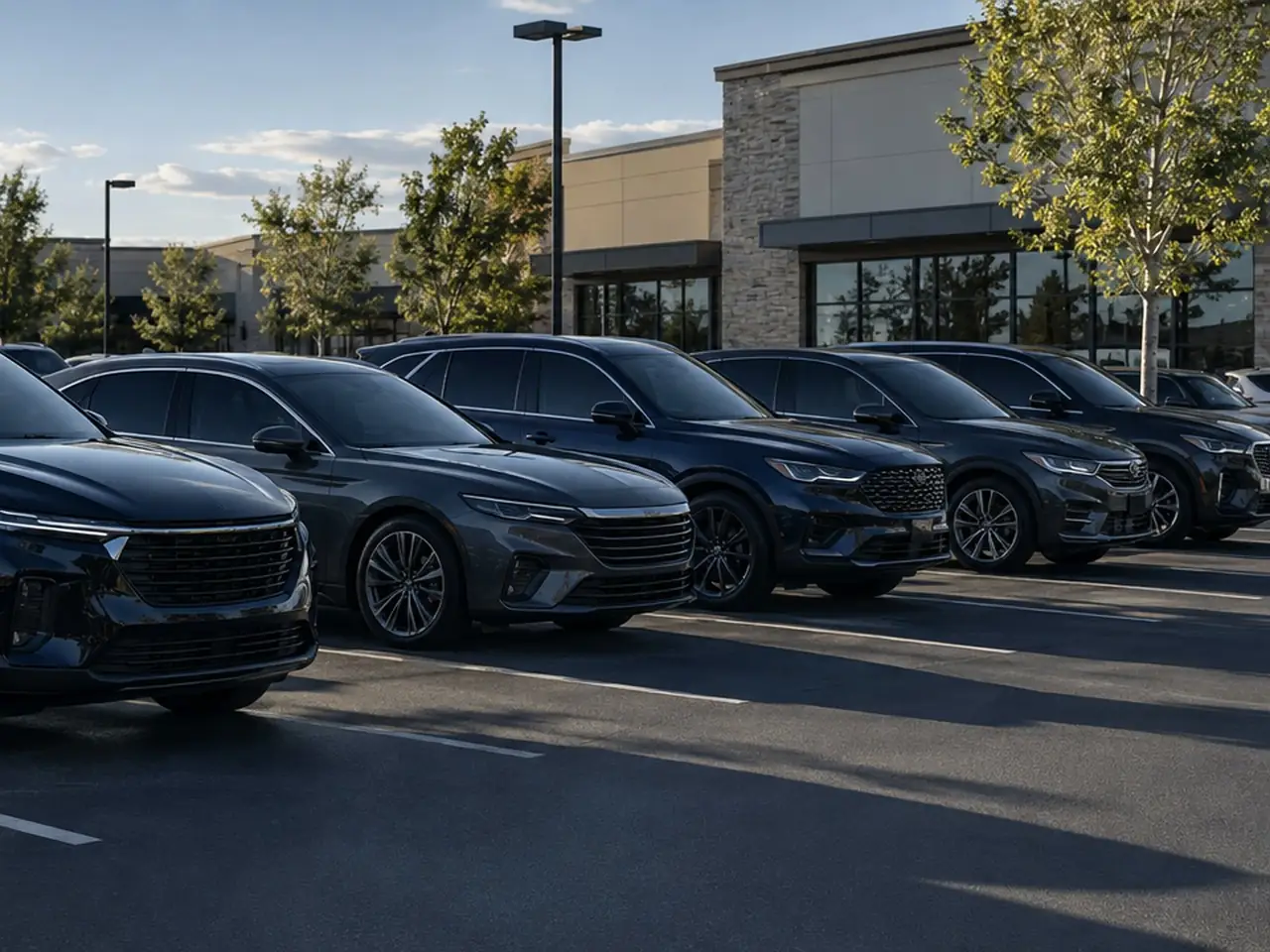
West Virginia names its reflectivity cap right alongside its darkness limit. Under W. Va. Code 17C-15-36a, sedans need 35% on the front side windows (nonreflective, reflectivity max 20%), 35% on the back side windows and 35% on the rear window, with both outside mirrors required. SUVs share the front figure; trucks, buses and MPVs are exempt behind the driver.
Reflectivity is capped at 20% on front, rear side and rear windows, and the windshield must be nonreflective. On the windshield, a nonreflective strip along the top is allowed, not red, yellow or amber, down to the AS-1 line or 5 in from the top, whichever is closer.
The data says the film maker must certify to the State Police and DMV and supply a label, 1.5 sq in or smaller, with the maker's name and % transmission, permanently placed at the lower left corner of each glazing surface; installing without the label is prohibited. A medical affidavit from a West Virginia-licensed physician or optometrist, carried by the afflicted person at all times, allows tint outside the limits.
Source: W. Va. Code 17C-15-36a. Verified for West Virginia on November 12, 2026.
Glacier supplies window film to tint shops and installers nationwide; see the shade and product pages for lines.
This is general information, not legal advice; check your state's current rules before choosing a shade.
West Virginia VLT limits by window
Cars and sedans
Nonreflective; reflectivity max 20%
Both outside mirrors required
Both outside mirrors required
Windshield. Nonreflective strip along top only, not red/yellow/amber, to AS-1 line or 5 in from top, whichever is closer
SUVs, vans and trucks
Same as sedan
Trucks, buses, MPVs exempt behind driver
Trucks, buses, MPVs exempt behind driver
Windshield. Nonreflective strip along top only, not red/yellow/amber, to AS-1 line or 5 in from top, whichever is closer
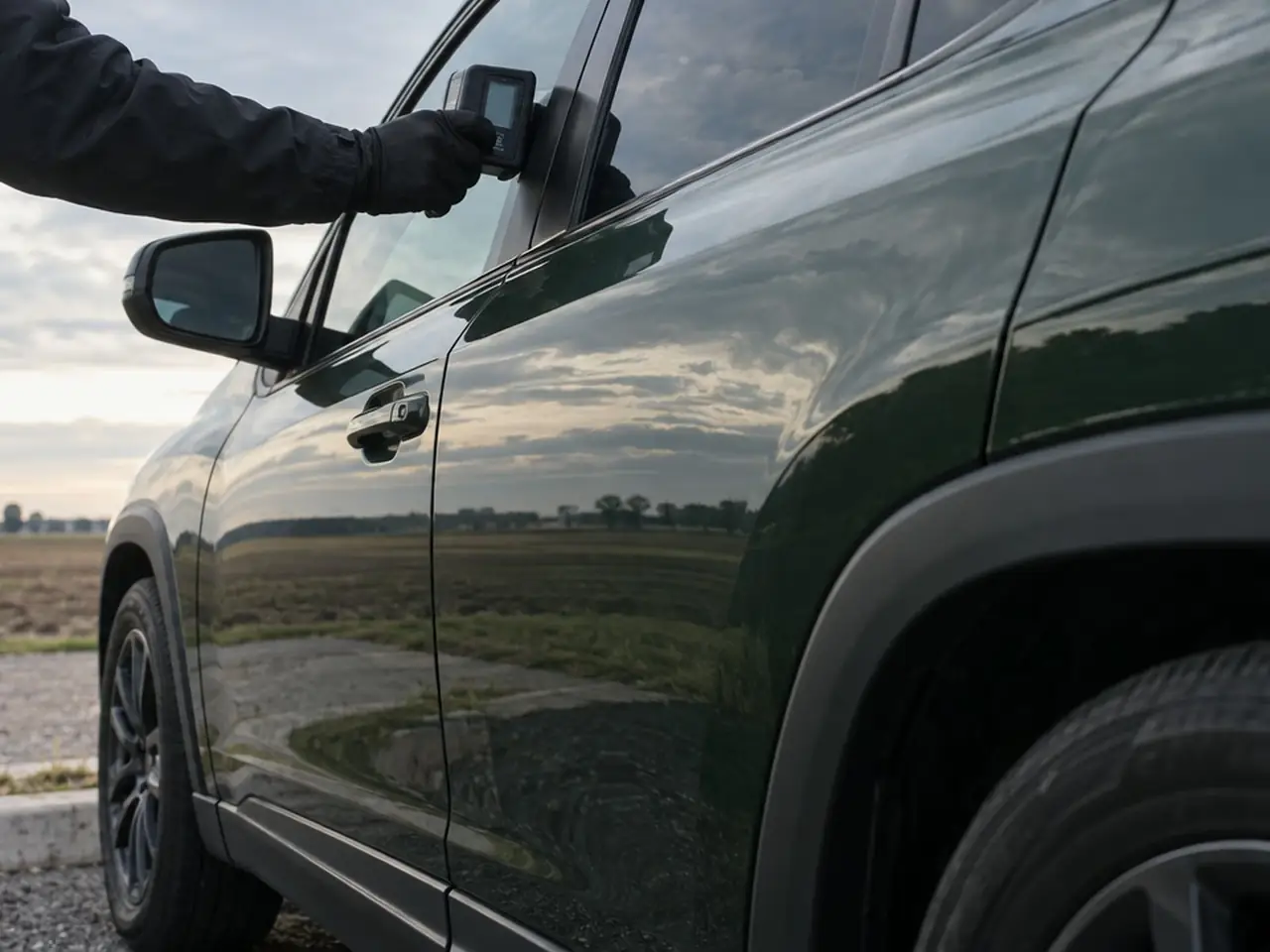
Official sources
A guide, not legal advice: tint laws change, so confirm the current rules with West Virginia before you install. Last verified November 12, 2026.
Film lines for West Virginia shops
Glacier sells automotive window film in several visible light transmission (VLT) options. Compare the three ceramic lines (Premium Ceramic, Ceramic Plus and Ceramic Ultimate Plus), see the full window film range, or open a wholesale account. Not sure which shade fits West Virginia’s limits? Check the table above and confirm with West Virginia before you quote a film.
West Virginia tint law questions
What is the front side tint limit in West Virginia?
Front side windows must pass at least 35% of light. The film must be nonreflective, and reflectivity may not exceed 20% on front, rear side and rear windows. The statute states no tolerance, and the windshield must be nonreflective.
Which vehicles are exempt from rear tint limits in West Virginia?
Trucks, buses, trailers, mobile homes and multipurpose passenger vehicles are exempt behind the driver. Cars need 35% on rear side and rear glass with both outside mirrors, and front side windows are 35% for all vehicles covered here.
What label is required on tinted windows in West Virginia?
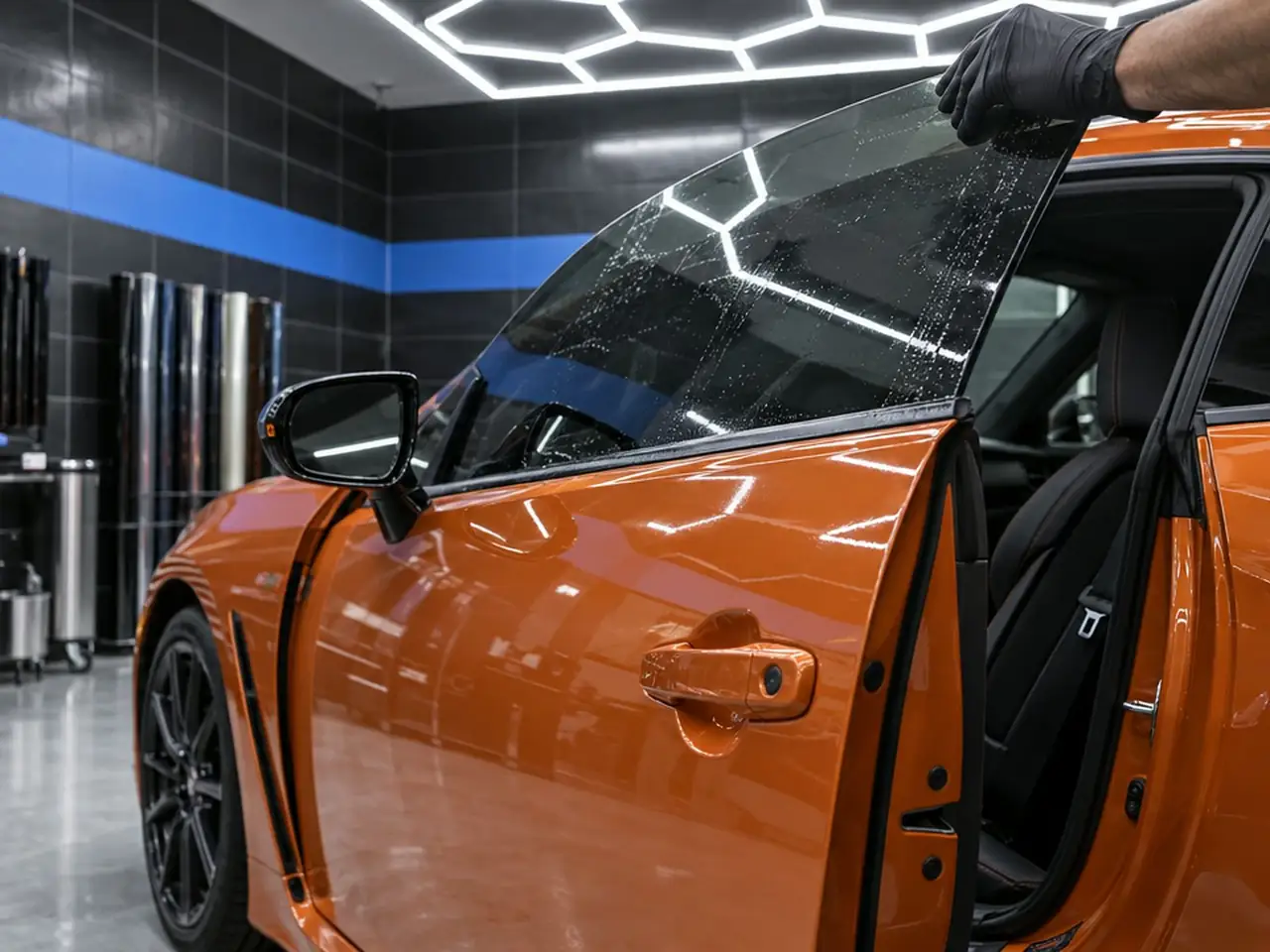
The manufacturer certifies to the State Police and DMV and supplies a label no larger than 1.5 square inches showing the maker's name and the percent transmission. It goes permanently in the lower left corner of each glazing surface, and installing without it is prohibited.
Does West Virginia allow medical exemptions for tint?
Yes. An affidavit from a West Virginia-licensed physician or optometrist, carried by the afflicted person at all times, allows tint outside the limits. A violation of the tint rules is a misdemeanor with a fine. Factory-installed screening is exempt.
Picking a shade? See choosing the right VLT, try it in the Film Studio or request a quote.