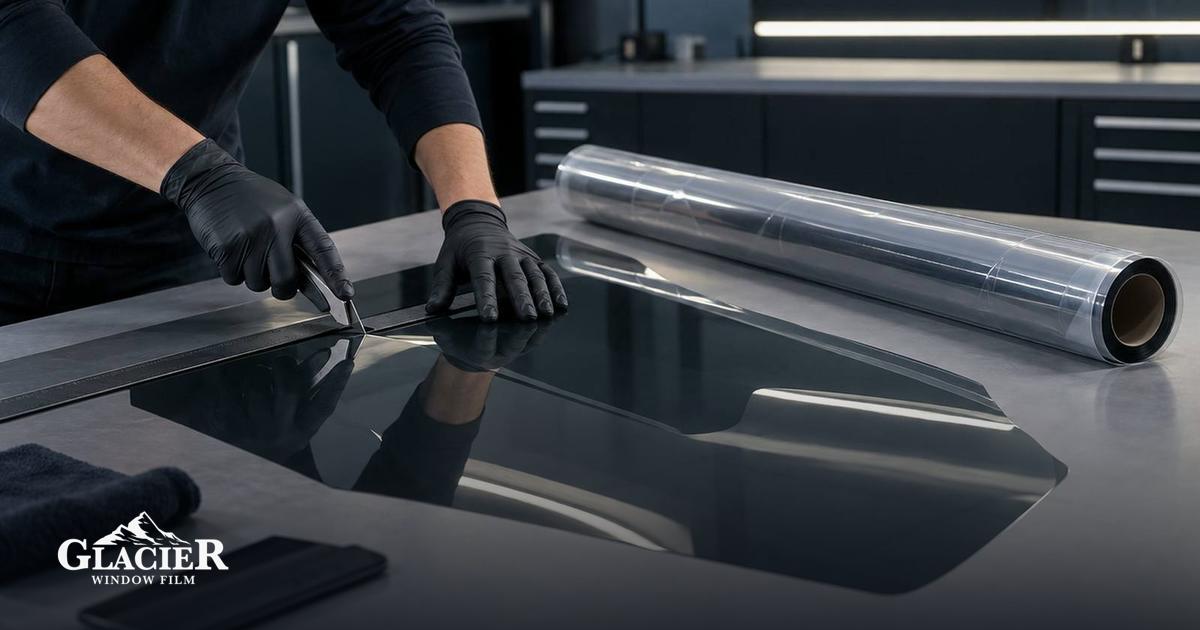
Wisconsin window tint laws
Wisconsin window tint law applies to film applied inside the glass, which must be nonreflective. Under Wis. Admin. Code Trans 305.32, front side windows need 50% with a 3% measuring tolerance, back side windows 35% and the rear window 35%, with dual outside mirrors if the rear is under 60% VLT. SUVs are treated like sedans.
What a shop checks before quoting in Wisconsin
For Wisconsin, a shop starts with placement: the data lists film inside the glass, nonreflective, with no numeric reflectance limit. Front side windows list 50% with a 3% tolerance under Trans 305.32(7); back side and rear windows list 35%, and sedans and SUVs match. Dual outside mirrors are listed if the rear window is under 60% VLT. Windshield film is listed only above the AS-1 'A' mark and outside the critical area, and with no mark, no film (Trans 305.34(6)(c)). No film certificate is listed; medical users carry a physician statement in the vehicle.
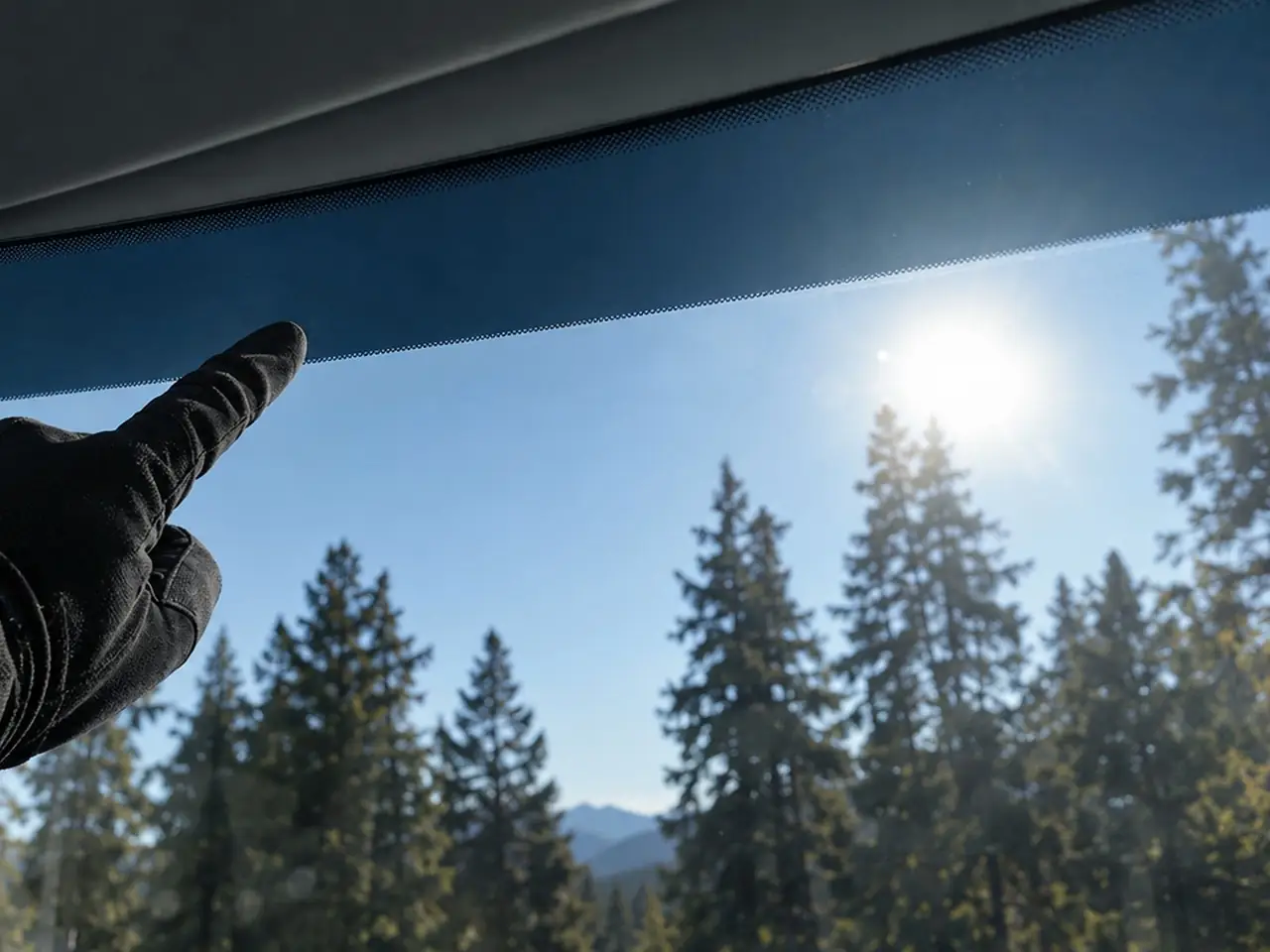
On the windshield, film is allowed only above the AS-1 'A' mark and outside the critical area; if there is no mark, no film is allowed (Trans 305.34(6)(c)). Applied films may not be reflective, though no numeric reflectance limit is given, and no color rule is listed.
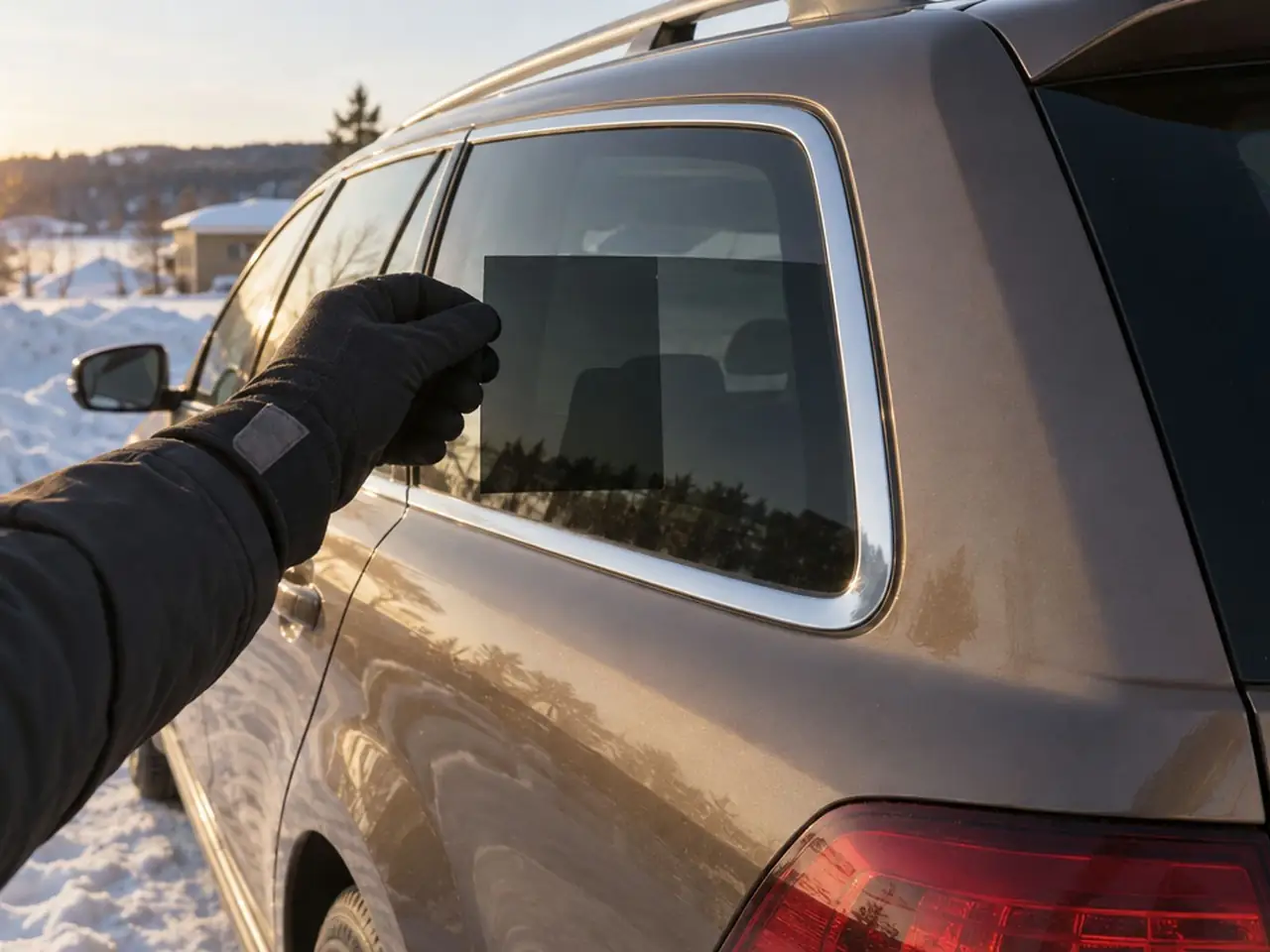
For medical need, the front windows may go to 35% on a recommendation from a physician or Christian Science practitioner; a written statement is carried in the vehicle, and the tint is removed on sale. Film itself needs no certificate.
Wisconsin's record cites Wis. Admin. Code Trans 305.32(4)-(7) and 305.34(6)(c), and it was last verified on November 12, 2026.
Glacier supplies window film to tint shops and installers nationwide; see the shade and product pages for lines.
This is general information, not legal advice; check your state's current rules before choosing a shade.
Wisconsin window tint law for sedans: front side windows 50% VLT or more, back side windows 35% VLT or more, rear window 35% VLT or more. The table lists SUVs, vans and trucks separately; confirm the current rule with your state before you quote.
| Vehicle | Front side | Back side | Rear window |
|---|---|---|---|
| Sedan | 50% VLT or more | 35% VLT or more | 35% VLT or more |
| SUV, van or truck | 50% VLT or more | 35% VLT or more | 35% VLT or more |
Source: Wis. Admin. Code Trans 305.32(4)-(7) and 1 more cited on this page. Data last verified 2026-11-12. Some states also set outside-mirror or reflectance conditions on these windows; see the state page.
Wisconsin VLT limits by window
Cars, sedans, SUVs, vans and trucks
Film inside glass, nonreflective; 3% tolerance
Film inside glass, nonreflective
Dual outside mirrors if rear window under 60% VLT
Windshield. Film only above AS-1 'A' mark and outside critical area; if no mark, no film
Official sources
A guide, not legal advice: tint laws change, so confirm the current rules with Wisconsin before you install. Last verified November 12, 2026. The Wisconsin entry lists Wis. Admin. Code Trans 305.32(4)-(7) and Trans 305.34(6)(c) as its sources and was last verified on November 12, 2026.
Film lines for Wisconsin shops
Glacier sells automotive window film in several visible light transmission (VLT) options. Compare the three ceramic lines (Premium Ceramic, Ceramic Plus and Ceramic Ultimate Plus), see the full window film range, or open a wholesale account. Not sure which shade fits Wisconsin’s limits? Check the table above and confirm with Wisconsin before you quote a film.
Shops working on this topic also use how to read tint VLT percentages, automotive window film rolls, how ceramic and carbon tint differ and windshield tint strip rules by state.
Wisconsin tint law questions
How dark can front side windows be in Wisconsin?
Front side windows must pass at least 50% of light, with film applied inside the glass and nonreflective. Officers allow a 3% tolerance when measuring under Trans 305.32(7). The rules do not distinguish vehicle types.
What are the back and rear window tint rules in Wisconsin?
Back side windows and the rear window must pass at least 35%, with nonreflective film inside the glass. If the rear window is under 60% VLT, dual outside mirrors are required. SUVs and trucks follow the same terms.
Does Wisconsin allow a medical exemption for window tint?
Yes. Front windows may go down to 35% on the recommendation of a physician or Christian Science practitioner. The written statement must be carried and must name the vehicle make, model, year and VIN. The provision covers vent and front side windows only, and film must be removed on sale.
Does Wisconsin require a label or have reflectivity limits?
No certificate or label is required for film. Applied films may not be reflective, with no numeric limit stated in the rule. Windshield film is allowed only above the AS-1 'A' mark and outside the critical area.
How should a Wisconsin shop treat the 3% tolerance when quoting?
The data lists that officers allow a 3% tolerance when measuring, citing Trans 305.32(7). It does not say how that applies to a given film, so a shop should quote films that meet the 50% front figure on their own and confirm any tolerance question with the state.
Where does a Wisconsin shop confirm the current tint rule?
The Wisconsin entry cites Wis. Admin. Code Trans 305.32(4)-(7) and Trans 305.34(6)(c) for the windshield, both on docs.legis.wisconsin.gov. The data was last verified November 12, 2026. Check those pages for the current wording before quoting a film.
Picking a shade? See choosing the right VLT, try it in the Film Studio or request a quote.