Why paint protection film can yellow, and how installers and owners reduce the risk
Paint protection film can yellow when its material or adhesive degrades from UV, heat or chemicals. Dirt and stains at the edges can look like yellowing, so it helps to tell them apart. Careful film choice, good prep and gentle washing lower the risk. This is general education, with no claims about any specific brand.
What does PPF yellowing look like?
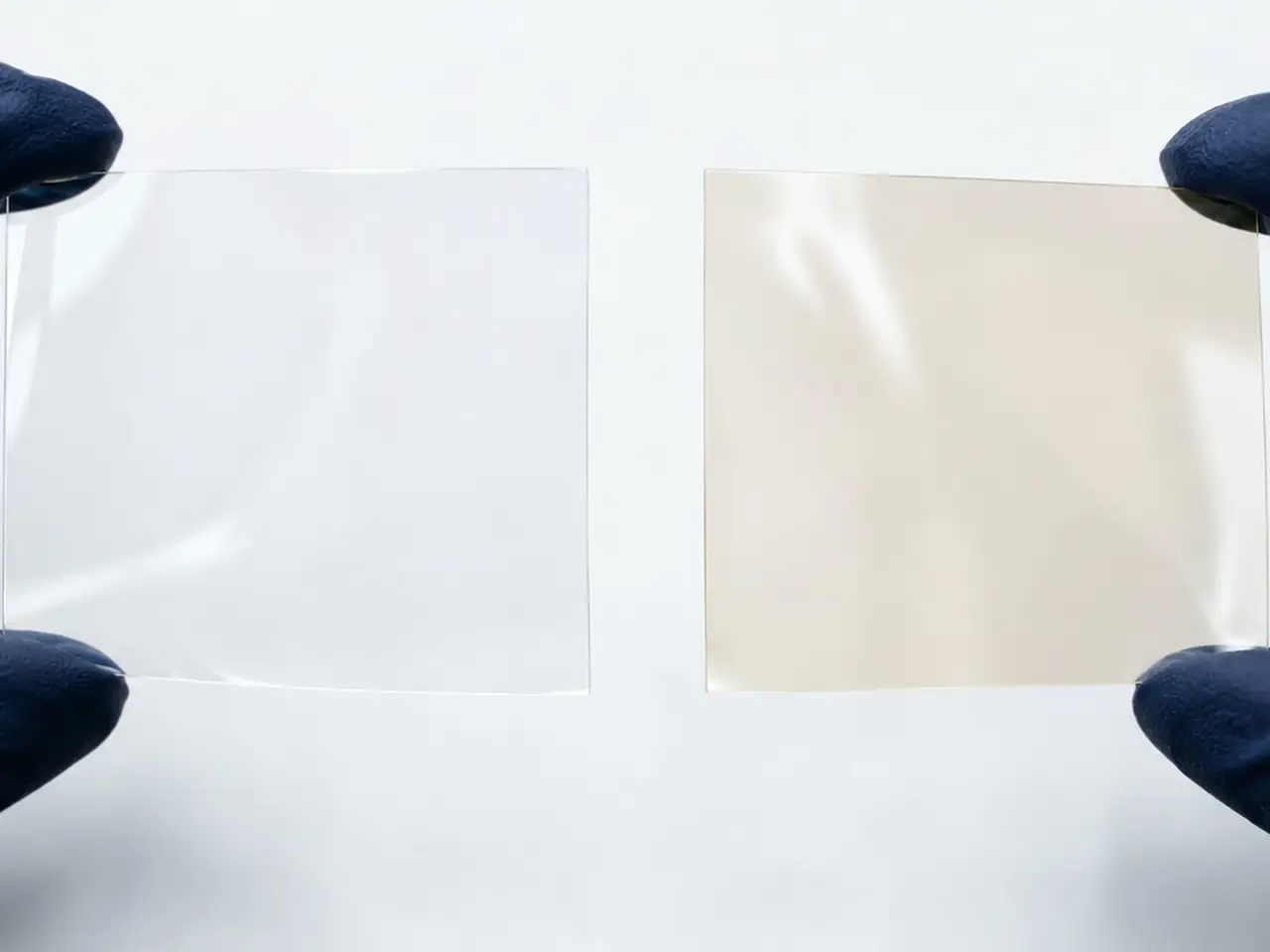
Yellowing is a color shift in the film itself, usually even across a panel and most visible on white and light paint. It is different from stains or dirt, which are often spotty or heaviest at edges.
An installer can usually tell the two apart by washing and decontaminating a test spot.
How is yellowing different from staining, fading and haze?
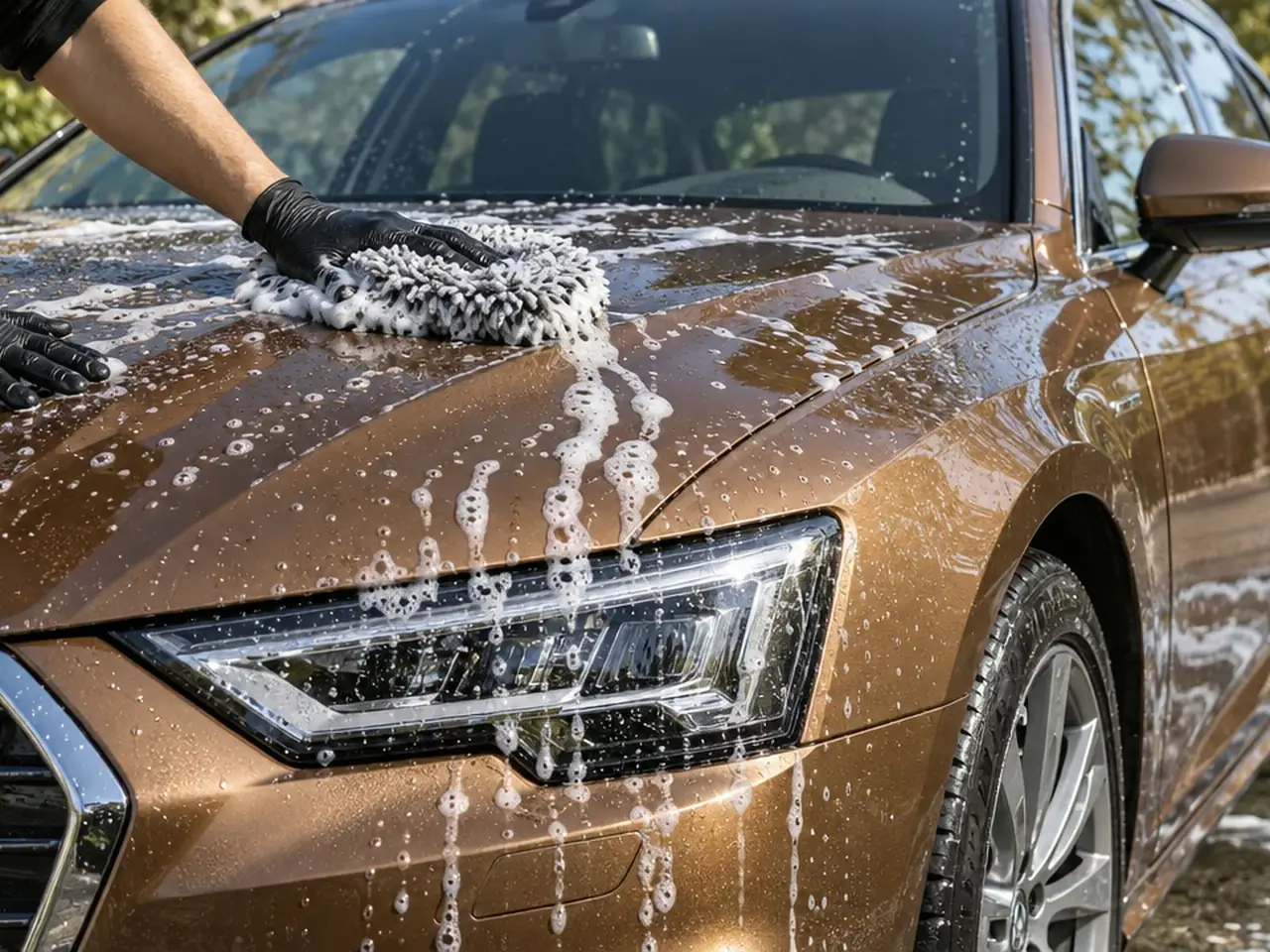
Customers use one word for several problems. Sorting them out first saves a wasted visit.
| What the customer sees | What it usually is | How an installer checks |
|---|---|---|
| Even warm color cast across a panel | Yellowing of the film | Compare to a clean reference; wash and decontaminate a test spot |
| Spots, streaks or heavier color at edges | Staining or buildup | Wash and decontaminate; see whether it lifts |
| Loss of color or gloss | Fading | Compare to an unexposed area, in daylight |
| Cloudy look | Haze from moisture or contamination under or in the film | Photograph in daylight; ask about install date and recent washing |
Why can PPF yellow?
No single cause explains every case. These are the factors installers and film makers discuss most.
- Film material: film chemistry and exposure both play a part.
- UV and heat: long exposure to strong sun and high temperature can age film and adhesive.
- Contaminants: road tar, bug and bird residue, pigments and harsh chemicals can discolor film. These can look like yellowing but are staining rather than a film change.
- Edges: dirt, wax and sealant build up where film meets paint or trim. It can look like yellowing, but it is staining rather than a film change.
- Installation: contamination trapped under film during install can show later.
- Roll age and storage: how film was stored before install may matter.
Why does yellowing show most on white cars?
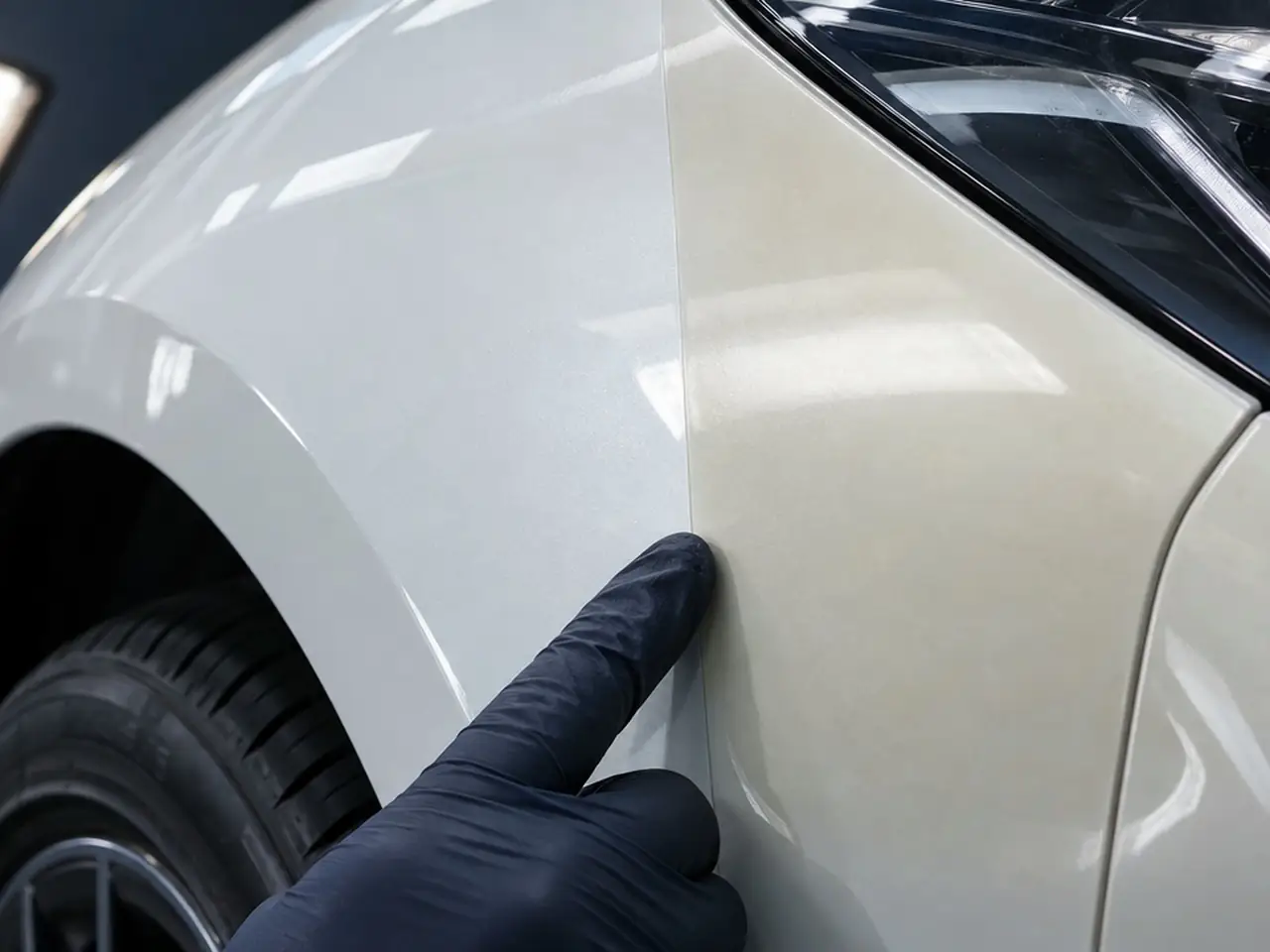
White and light paint give the eye a clean reference, so a slight warm cast stands out. The same shift on a dark car can go unnoticed.
That is why PPF on white vehicles is a common source of yellowing questions.
Does heat or climate make a difference?
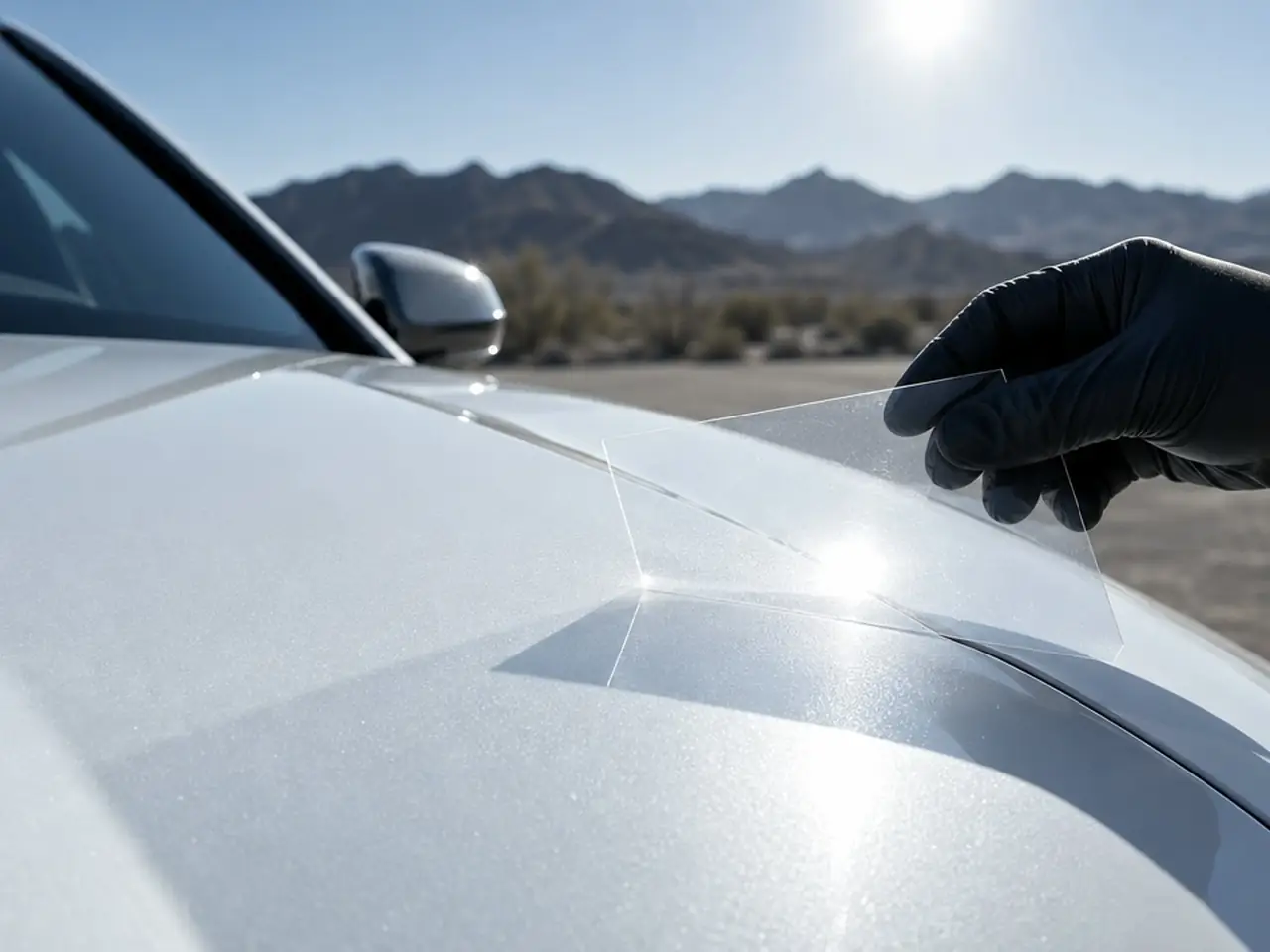
Strong sun and high temperature can age film and adhesive, so a car that lives outdoors in a sunny area faces more exposure than one kept under cover.
That is a general point about exposure, not a statement about any film. Parking in shade or under cover when practical is a sensible habit.
Who can influence each cause?
| Cause | What it looks like | Who can reduce it |
|---|---|---|
| Film material and aging | Even warm cast across the panel | Installer and supplier, by film choice |
| UV and heat exposure | Gradual cast on sun-facing panels | Owner, by parking and care |
| Contaminants | Spots, streaks, discolored patches | Owner, by prompt washing |
| Edge buildup | Dirty or gray lines at edges and seams | Installer, by clean edges; owner, by gentle care |
| Install contamination | Specks or haze under the film | Installer, by prep and a clean bay |
How do installers reduce the risk of yellowing?
- 1. Ask the supplier what the film is made of and what written information it has on aging.
- 2. Store rolls the way the supplier recommends and use film in good order.
- 3. Wash and decontaminate the paint, and keep the bay clean.
- 4. Finish edges cleanly so dirt has fewer places to collect.
- 5. Give the owner written aftercare instructions.
- 6. Record the film line and install date for each job.
What should an installer record on every job?
Good records turn a vague complaint into something you can answer. Keep a short card for each vehicle.
- Film line and finish.
- Install date and panels covered.
- Paint color and any prior paintwork noted before the job.
- Aftercare sheet given to the owner.
- Photos of the finished panels in daylight.
How can an owner reduce the risk?
- Wash the car regularly with a gentle, pH-neutral soap.
- Remove bird droppings, bug residue and tar promptly.
- Avoid solvents, strong degreasers and abrasive compounds on the film.
- Do not let wax or sealant build up at the edges.
- Park in shade or under cover when practical.
- Follow your installer's aftercare instructions.
How should an installer talk to customers about yellowing risk?
Be plain: all film ages, and care affects how it looks. Give the customer written aftercare and whatever written product information the supplier provides.
Do not promise that film will never change color. Promise what you can support, and record the film line and install date.
Can yellowed PPF be fixed?
If the cause is surface dirt or contamination, a careful wash and decontamination may restore the look. If the film material itself has changed color, removal and replacement is usually the option.
Ask the installer who put it on to assess it. Removal is a professional job, because pulling film badly can harm paint.
What should an installer ask a PPF supplier about yellowing?
- 1. What is the film made of, and how does the supplier describe its aging in sunlight?
- 2. What written product information covers discoloration?
- 3. If a customer reports a problem, what does the supplier need to see, and who handles it?
- 4. How should I store and handle rolls?
- 5. Can I get a sample to test on a panel?
What does Glacier say about its PPF?
Glacier supplies Iceberg gloss clear PPF and Blizzard satin PPF wholesale to installers and detailers. This guide makes no claim about how any film performs over time. Ask your Glacier rep what product information is available for Iceberg and Blizzard.
Where can I read more?
The PPF aftercare page is a hand-out for owners, the buying guide covers choosing and sampling film, and the install guide covers prep and edges. The glossary defines yellowing and related terms.
In this guide
- What does PPF yellowing look like?
- How is yellowing different from staining, fading and haze?
- Why can PPF yellow?
- Why does yellowing show most on white cars?
- Does heat or climate make a difference?
- Who can influence each cause?
- How do installers reduce the risk of yellowing?
- What should an installer record on every job?
- How can an owner reduce the risk?
- How should an installer talk to customers about yellowing risk?
- Can yellowed PPF be fixed?
- What should an installer ask a PPF supplier about yellowing?
- What does Glacier say about its PPF?
- Where can I read more?
Quick answers
14 questions. Select one to open it.
Why does PPF turn yellow?
PPF can yellow when the film material or adhesive degrades from UV, heat or chemicals. Dirt and stains that collect in the film or at its edges can look like yellowing.
Does paint protection film yellow on white cars?
It can, and it shows most on white and light paint because a slight warm cast stands out against a clean color. The same shift on dark paint may go unnoticed.
How can I tell yellowing from staining or dirt?
Yellowing is usually an even color shift in the film. Staining and dirt are often spotty or heaviest at edges. Washing and decontaminating a test spot helps tell them apart.
How do installers reduce the risk of PPF yellowing?
Choose film with written information on its material and aging, store rolls as the supplier advises, prep and decontaminate well, finish edges cleanly and give owners aftercare instructions.
How can owners keep PPF from yellowing?
Wash regularly with gentle soap, remove bird droppings and bug residue quickly, avoid solvents and abrasive compounds, keep wax off the edges and park in shade when practical.
Can yellowed PPF be fixed or cleaned?
Surface dirt may wash off. If the film material has changed color, removal and replacement is usually the option. Ask your installer to assess it.
Does the supplier publish information about yellowing?
It depends on the supplier and the film. Ask for the written product information and read what it says about discoloration. For Glacier film, ask your Glacier rep what product information is available for Iceberg and Blizzard.
What PPF questions should I ask a supplier before I stock it?
Ask what the film is made of, how the supplier describes its aging in sunlight, what written product information covers discoloration, who handles customer problems, storage advice and whether you can test a sample.
Does heat or sun make PPF yellow faster?
Strong sun and high temperature can age film and adhesive, so parking in shade or under cover when practical is a sensible habit.
What is the difference between yellowing and haze?
Yellowing is a warm color cast in the film. Haze is a cloudy look that can come from moisture or contamination under the film. Photos in daylight help an installer tell which it is.
Does wax or sealant cause yellow edges?
Buildup of wax, sealant and dirt where film meets paint or trim can look yellow or gray at the edge. Keeping edges clean and following your installer's care advice helps.
Why do some PPF edges look yellow before the rest of the film?
Edges collect dirt and residue more than the middle of a panel, so a line of color often shows there first. Gentle washing and clean edge work reduce it.
Should installers keep records to answer yellowing complaints?
Yes. A short record of film line, install date, panels covered and the aftercare sheet given makes it easier to look into a complaint and respond clearly.
Where can installers buy PPF wholesale?
Glacier supplies Iceberg gloss clear PPF and Blizzard satin PPF wholesale to installers, tint shops and detailers. Apply for a wholesale account or request a quote; Glacier ships nationwide.
Install PPF for customers? Apply for a wholesale account.