Architectural window film for installers
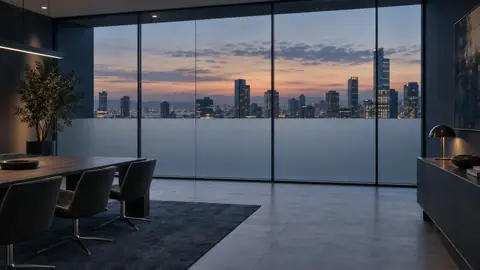
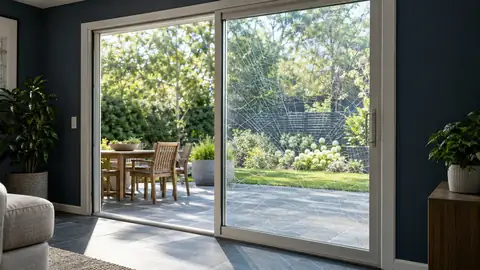
Glacier supplies architectural window film, also called flat glass film, along with privacy, safety, security and anti-graffiti film on rolls to shops and installers who work on offices, stores, schools, healthcare and homes. Glacier sells wholesale only. Ask your Glacier rep which film families are currently available.
What does Glacier supply for architectural jobs?
Each row links to the page for that line. Ask your Glacier rep which film families are currently available.
| Glacier line | What it is | Page |
|---|---|---|
| Architectural (flat glass) film | Solar control and glare film for flat glass | Flat glass window film |
| Privacy film | Frosted, gradient, patterned and custom-cut film for glass | Privacy window film |
| Safety film | Film designed to keep glass pieces in place if it breaks | Safety film |
| Security film | Film designed to hold broken glass together | Security Film |
| Anti-graffiti film | Replaceable layer over glass | Anti-graffiti film |
Who is architectural film supply for?
Glacier sells wholesale to shops, installers and dealers. A business that installs film on buildings can apply for a wholesale account and a Glacier rep will follow up.
- Tint shops that also do flat glass for homes, offices and storefronts.
- Installers working on schools, healthcare and public buildings.
- Sign and graphics shops cutting logos and bands from rolls.
- Dealers who resell Glacier film.
How is an architectural job different from an automotive one?
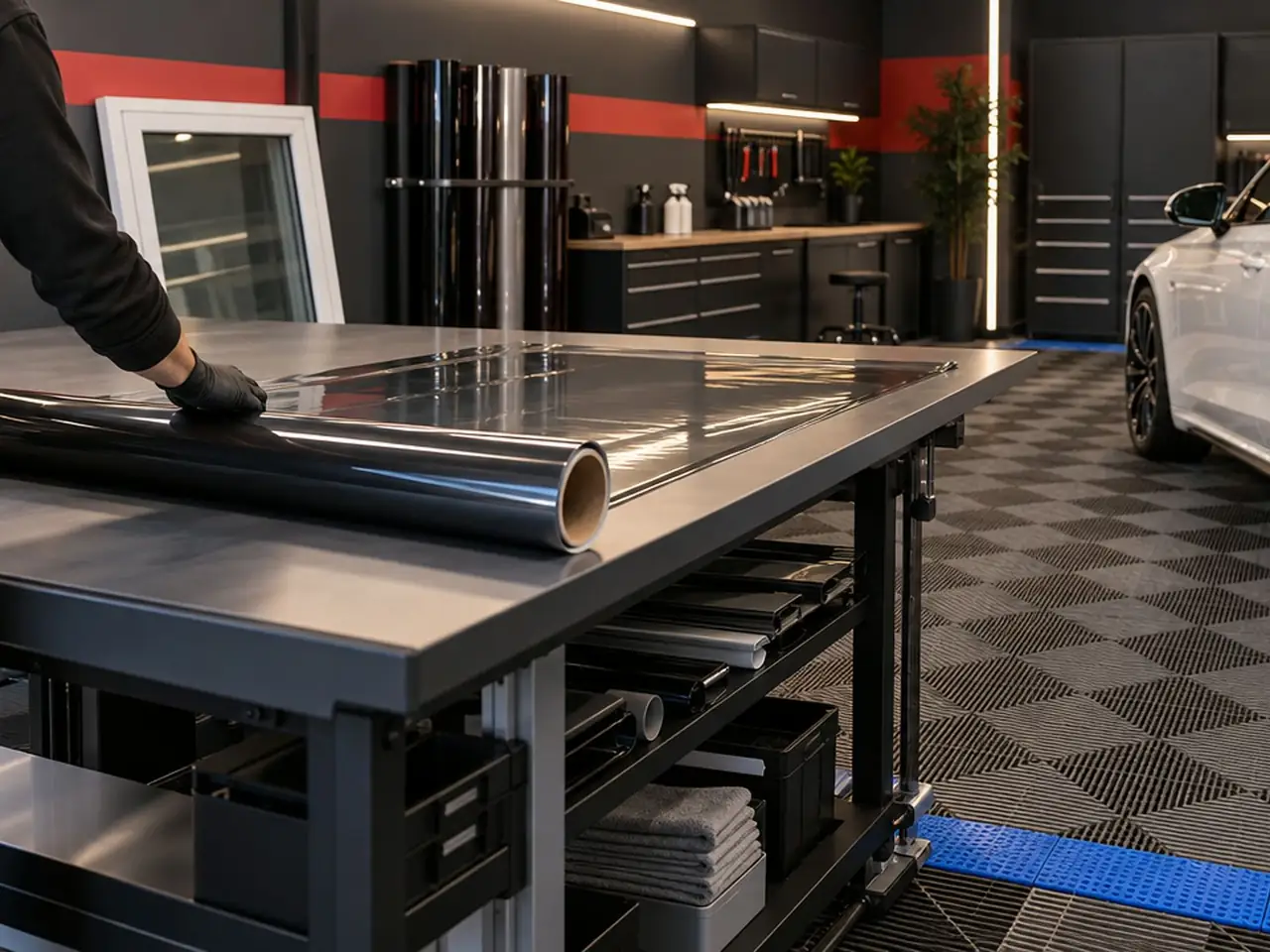
Building glass is bigger, flatter and expected to stay put. The job is as much about the glass and the building as the film.
Think in panes, not windows. A single opening may hold several panes of different glass, and openings that look square rarely are, so measure each pane at more than one point and note the smallest dimension. A pane schedule helps: write down the room, the direction the glass faces, the glass type and the film line chosen for it. That sheet keeps a large job organized, lets you cut similar panes together from the roll and gives the customer a clear record of what went where when the work is finished.
What do building owners use film for?
Owners usually describe a symptom, not a product: a hot desk by the window, a conference room with no privacy or a lobby door that worries them. Translate the symptom into a line before you quote. Heat and glare point toward flat glass film, an exposed sightline points toward privacy film, and broken-glass worries point toward safety or security film. Mixed buildings often need more than one line, so group panes by purpose and quote each group on its own.
- Sun and glare comfort near sunny windows.
- Daytime privacy and daylight balance.
- Keeping glass pieces together if a window breaks.
- Protecting glass from scratching and tagging.
How do installers approach a building job?
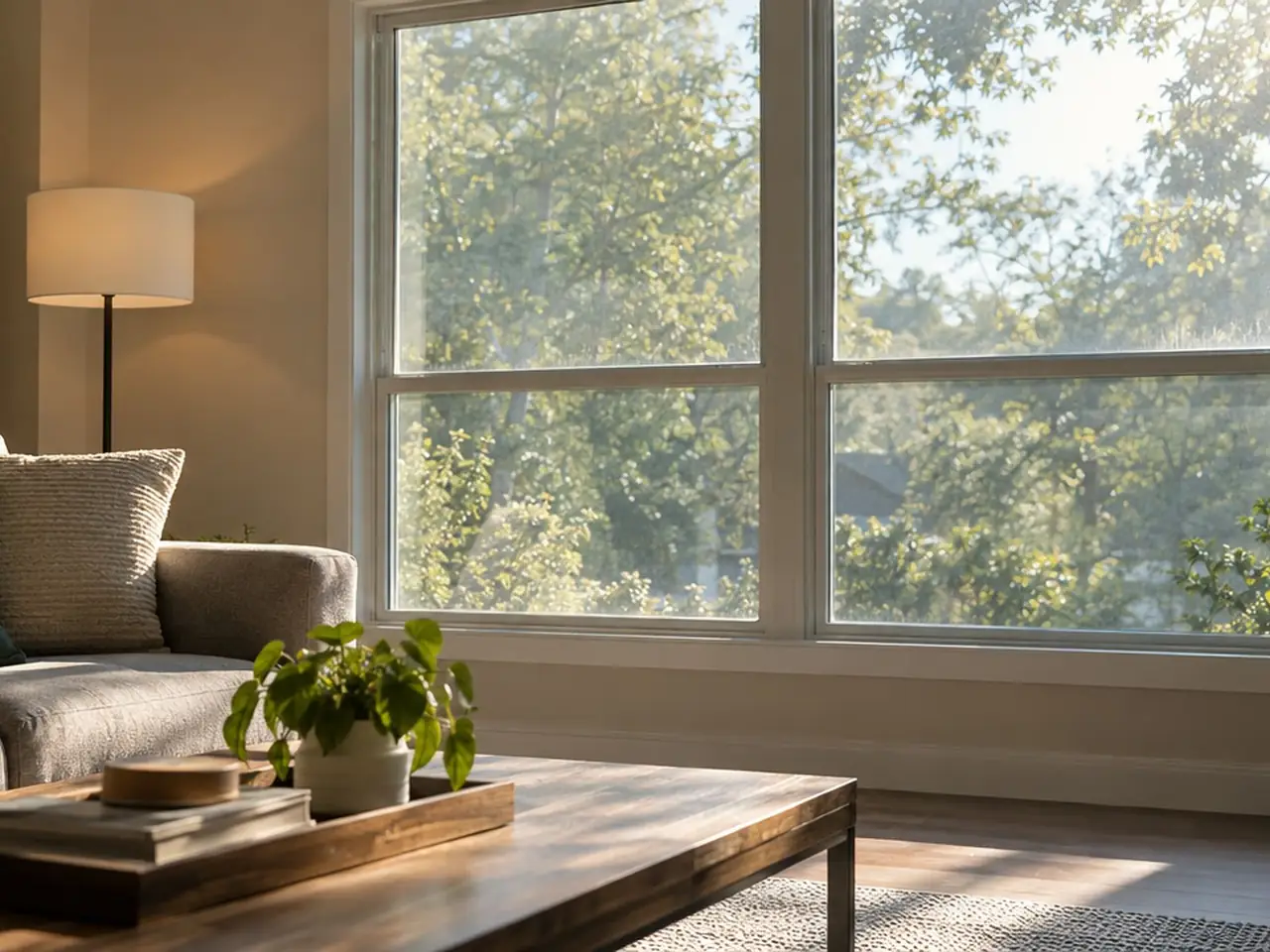
This is general good practice, not a Glacier procedure.
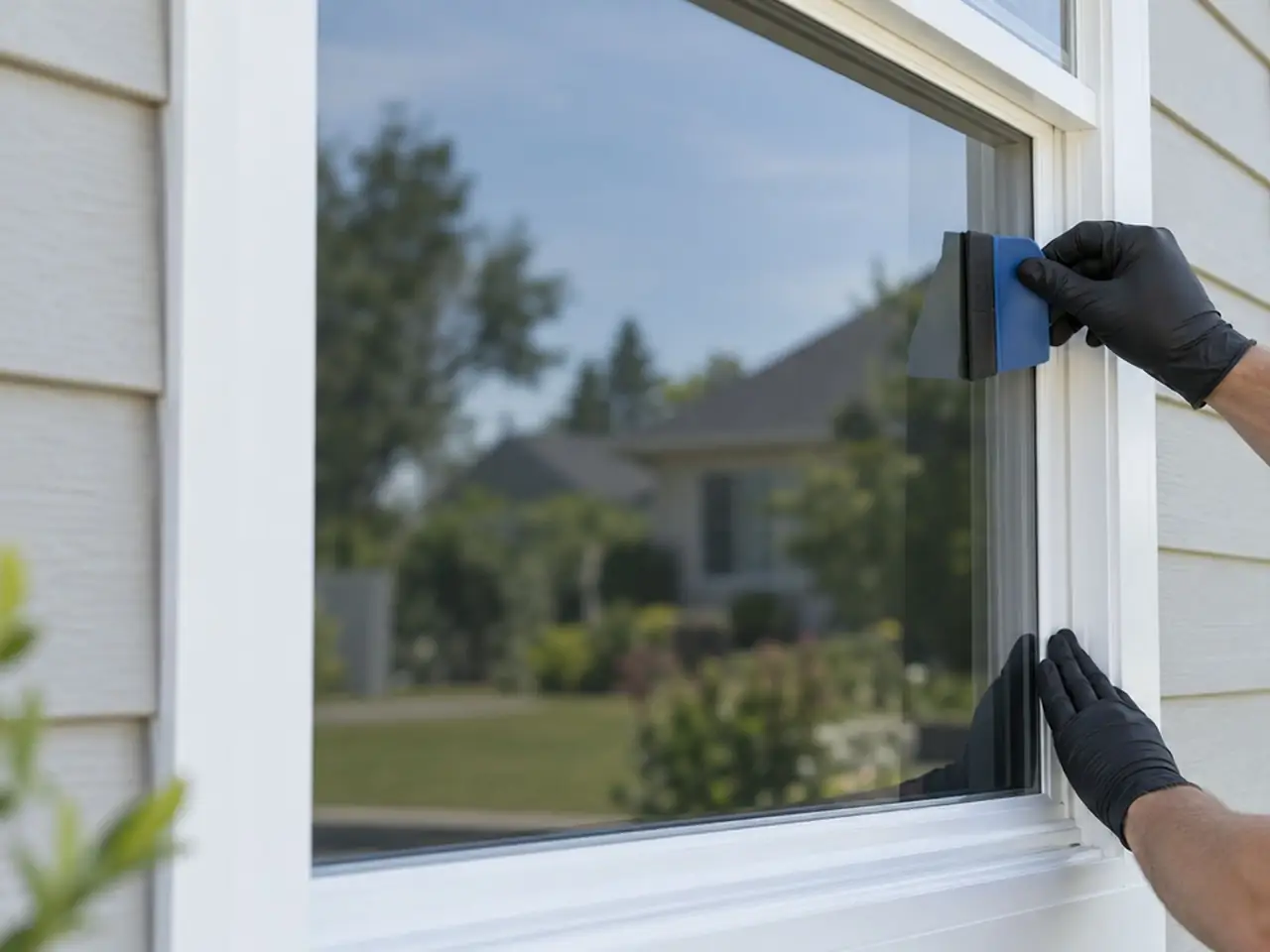
- 1. Walk the site, identify each type of glass and measure the panes.
- 2. Ask the glass or window maker what they allow before you bid.
- 3. Choose the film family for the goal.
- 4. Clean and scrape the glass, then cut the film to size.
- 5. Apply wet and squeegee from the center out.
- 6. Trim edges and explain care to the customer.
What should an installer ask a Glacier rep?
When breakage rather than sun or glare is the main worry, the Safety Window Film for Installers page is a better starting point than the Architectural Window Film: How Installers Choose page.
To go further, read how to choose security and safety film, the tint shop supplier guide to film and tools, the start-a-tint-shop checklist and ceramic window film for tint shops.
- Which film families are currently available.
- Spec sheets and samples for the lines you plan to bid.
- Availability and timing for your order.
Common questions
10 questions. Select one to open it.
Who supplies architectural window film to installers?
Glacier supplies architectural (flat glass) film on rolls to shops and installers, wholesale only. Ask your Glacier rep which film families are currently available.
What is architectural window film?
Architectural window film, also called flat glass film, is applied to the glass of offices, stores, homes and public buildings to manage sun, glare and fading.
Does Glacier supply safety, security and anti-graffiti film?
Yes. Glacier supplies safety film, security film and anti-graffiti film on rolls to shops and installers.
Does Glacier supply privacy film for offices and storefronts?
Yes. Glacier supplies frosted, gradient, patterned and custom-cut privacy film on rolls.
Where can I get spec sheets for a bid?
Some line pages show a spec table. Ask your Glacier rep for spec sheets for the lines you plan to bid.
Can a contractor open a Glacier wholesale account?
Glacier sells to shops, installers and dealers. If you install film on buildings, apply for a wholesale account and a Glacier rep will follow up.
Does Glacier sell to building owners?
No. Glacier does not sell to building owners. A shop or installer buys the film and installs it.
What is the difference between safety film and security film?
Safety film aims to protect people from glass fragments. Security film is typically thicker and aimed at resisting forced entry for longer. Many jobs use one film for both purposes.
Can one building job use more than one film line?
An office may need glare film on exterior windows, privacy film on meeting-room glass and safety film near doors. Group panes by purpose, choose a line for each group and record it on the pane schedule so the customer can see what went where.
How should I handle windows of different sizes on one job?
Measure every pane, group matching sizes and cut those together from the roll to limit waste. Cut the largest panes first, then check whether the leftover film covers any of the smaller ones before you open a fresh length.