
Side Swipe: contour squeegee with a molded grip
Handled contour squeegee with a molded grip
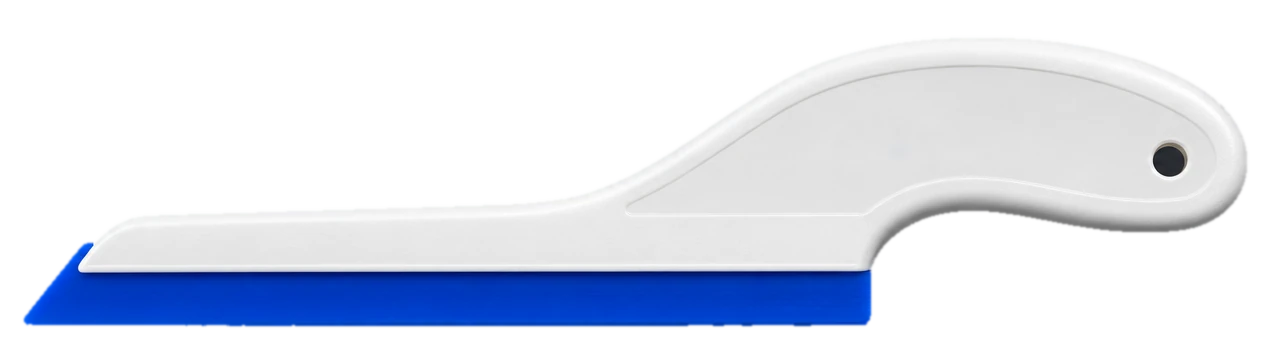
Side Swipe
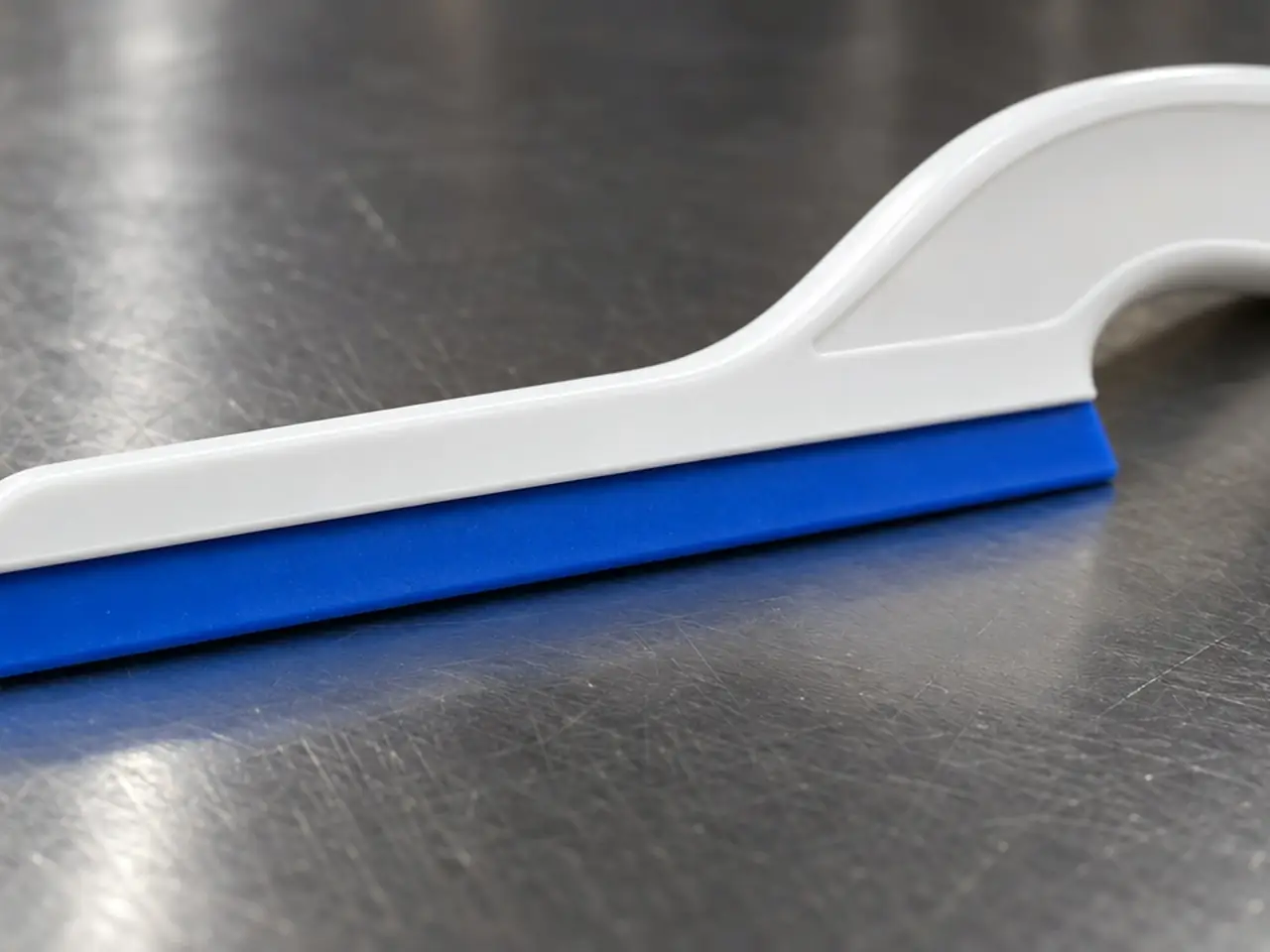
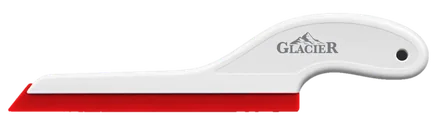
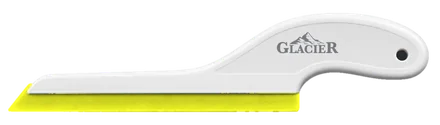
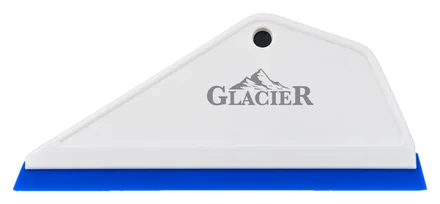
Side Swipe is a contour squeegee with a molded grip, the handled counterpart to No Handle Side Swipe. It has a white handle body and a blade along the bottom edge, and it comes in blue, red and yellow. Swap to a larger squeegee for open glass.
How installers use it
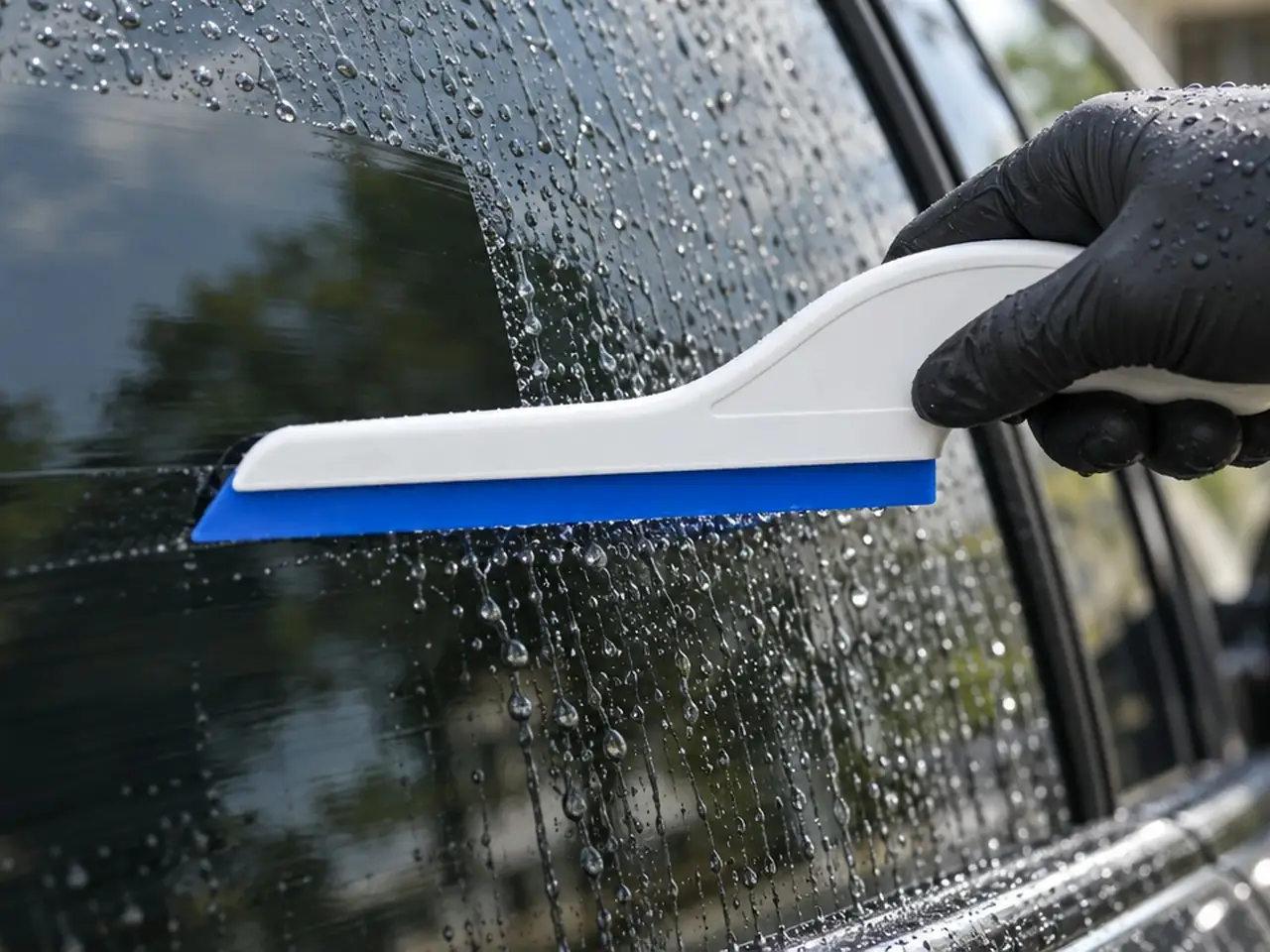
- Wet the film and glass with slip solution before working the contour area.
- Hold the molded grip and keep the blade against the surface you are seating.
- Use short, controlled strokes along trim and into recesses.
- Swap to a larger squeegee for the open areas of glass.
Why shops like it
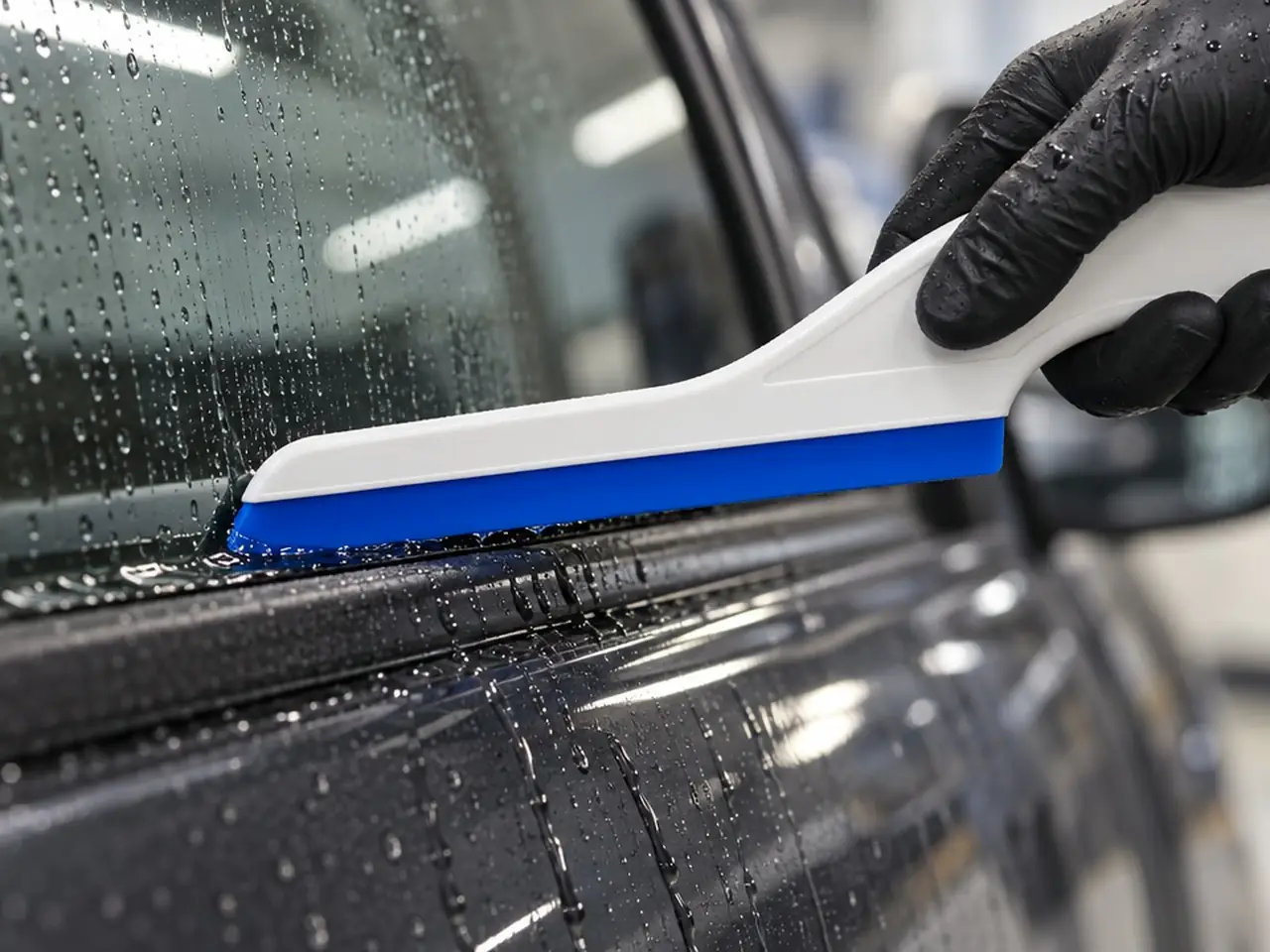
A handle adds leverage, control and comfort. If you would rather hold the body directly, No Handle Side Swipe is the version without a grip.
At a glance
- Type
- contour squeegee with grip
- Body
- white
- Colors
- blue, red, yellow
Pairs with
Next to the Lil Chizler, a small contour tool for tight corners, the Side Swipe is the handled option for working along a contour.
Why choose the handled Side Swipe?
The Side Swipe is a contour squeegee with a molded grip, the handled counterpart to the No Handle Side Swipe. If you want a built-in handle shape, this is the version to try; if not, the No Handle Side Swipe is the alternative.
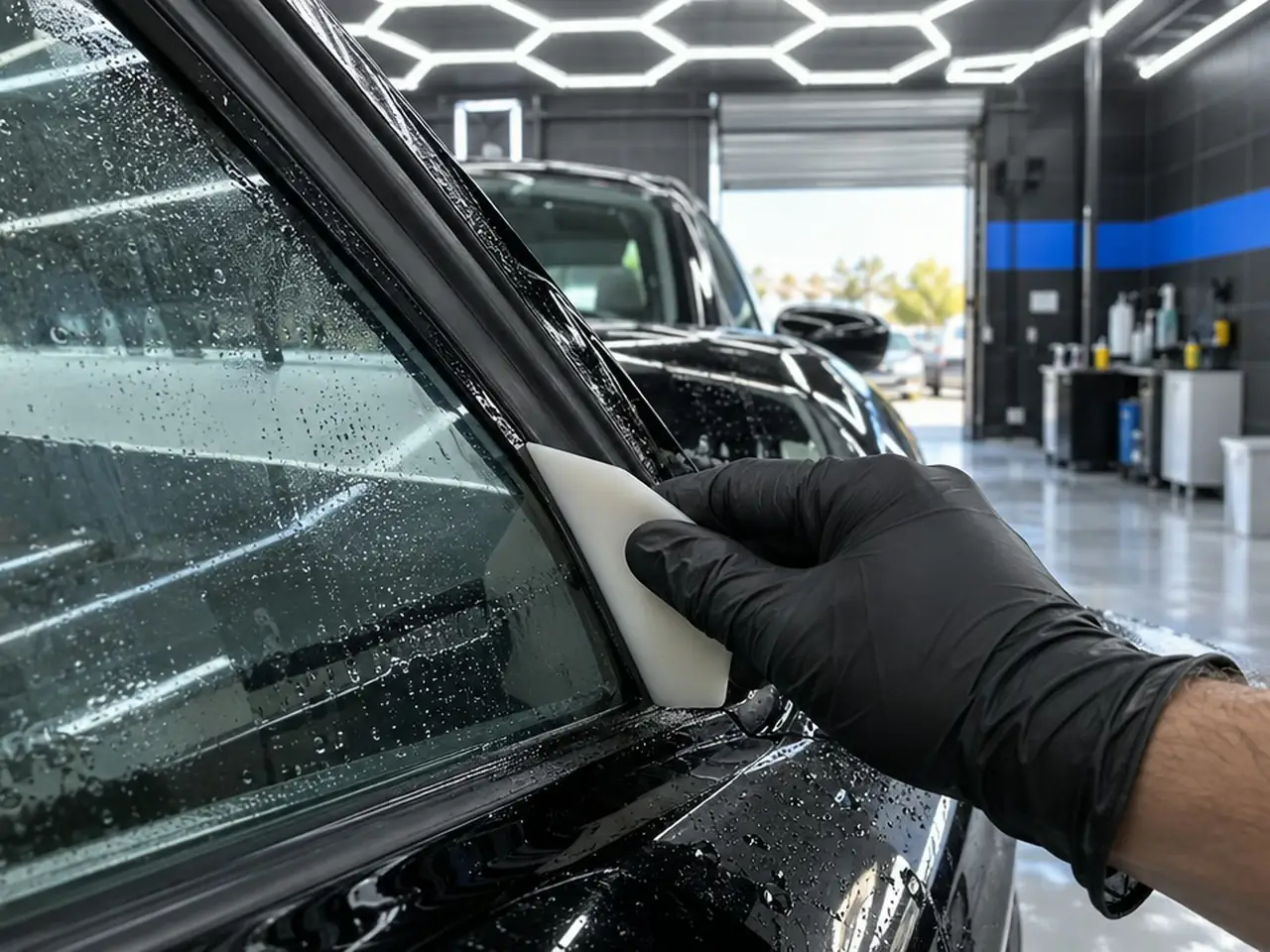
How do you use a Side Swipe squeegee?
- Clean and wet the glass or panel.
- Hold the molded grip and set the contour edge on the surface.
- Push solution out in controlled strokes along the contour.
- Work along the contour of the area.
- Wipe displaced solution away.
- Rinse and store the tool.
The grip changes how you steer. Hold the molded grip so your hand sits behind the blade, set the edge against the surface, and let wrist movement guide short strokes along the contour. With the grip in your palm, pressure stays even through a curve and your fingers stay clear of the glass. Move steadily along the line rather than stabbing at one spot, and wipe displaced solution as you go to see where film still needs seating.
Who buys the Side Swipe?
- Window tint shops
- Installers who prefer a handled contour tool
- Dealers outfitting tint bays
- Mobile installers
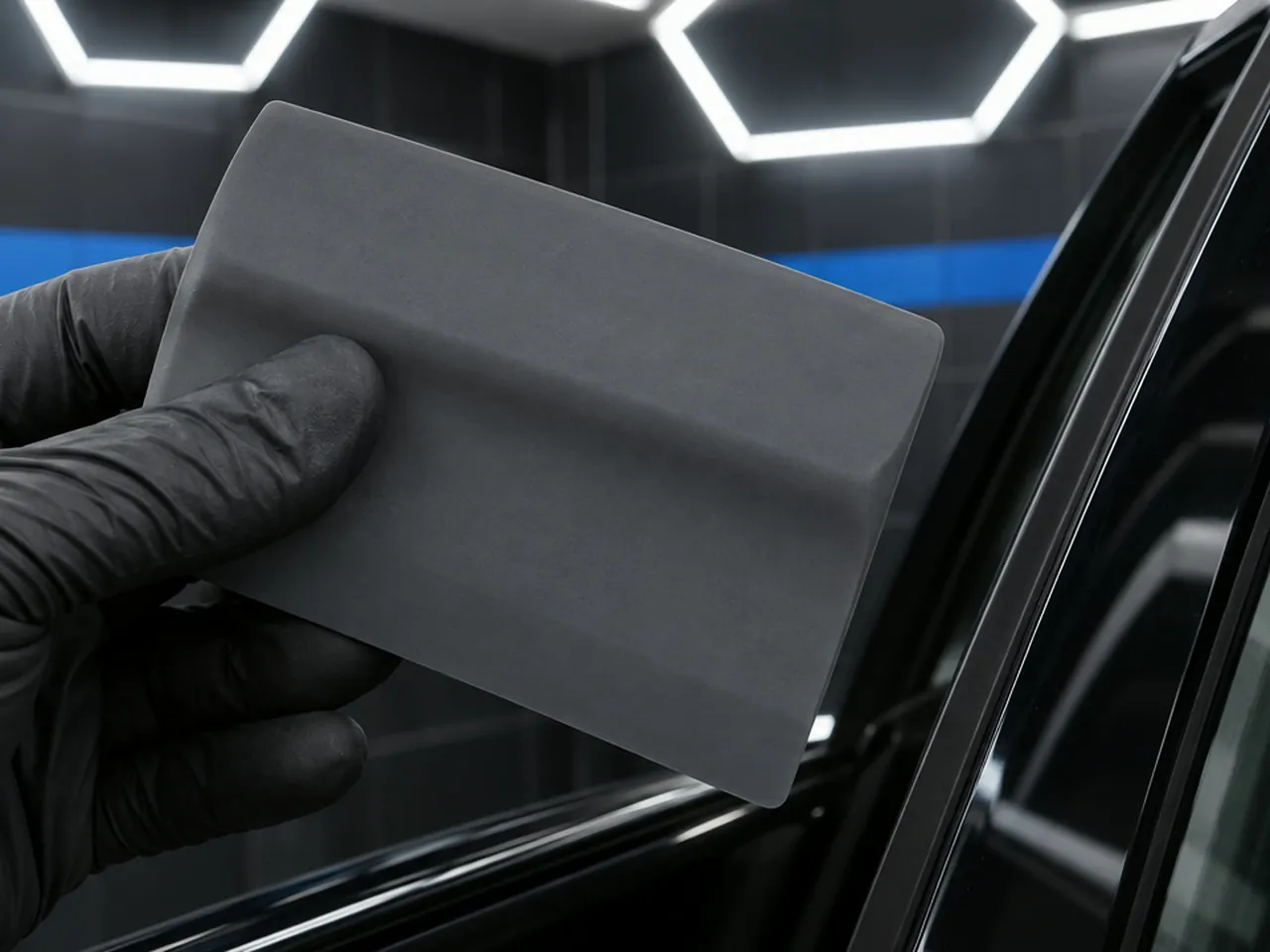
Side Swipe or No Handle Side Swipe?
They are the same family. The Side Swipe has a molded grip; the No Handle version does not and is shaped for door-handle recesses.
| Tool | Shape or format | What it is for |
|---|---|---|
| Side Swipe | Contour squeegee, molded grip | Handled counterpart to the No Handle Side Swipe |
| No Handle Side Swipe | Contour tool, no handle | Door-handle recesses and side-swipe trim |
| Lil Chizler | Small contour tool | Tight corners and trim lines |
Choosing between the two comes down to how you like to hold a tool. A handle is easier on the hand over a long run of trim, while the No Handle version is shaped for handle recesses where a grip would get in the way. The Side Swipe also comes in blue, red and yellow, so a shop with several in a bay can tell them apart at a glance.
Does Glacier supply Side Swipe to shops across the US?
Glacier serves shops and installers across the US. Ask your Glacier rep about availability and how to set up a wholesale account.
For related reading, see how tint shops choose squeegees, blades and hard cards, tool sets for window tint and flat glass film, how to prep glass for tint and the tint shop equipment checklist.
Keep exploring

Guides

Quick answers
Why choose a handled tool?
A handle adds leverage, control and comfort.
Is there a no-grip version?
Yes, No Handle Side Swipe, shaped for handle recesses and side-swipe trim.
What do handled side tools like this reach?
Handled side swipers are generally used for hard-to-reach film areas, such as the lower areas of rear windows.
Which Side Swipe color should I choose?
The Side Swipe comes in blue, red and yellow on a white handle body. Pick whichever color helps you tell tools apart in a shared bay. Ask your Glacier rep what product information is available.
How should I hold the Side Swipe on a tight contour?
Hold the molded grip so your hand stays behind the blade and your wrist steers the short strokes. That keeps pressure even through a curve and keeps your fingers off the glass. Move steadily along the contour and wipe displaced solution as you go.