
Turbo Squeegee — 6 Inch
6-inch hard squeegee for bigger panels
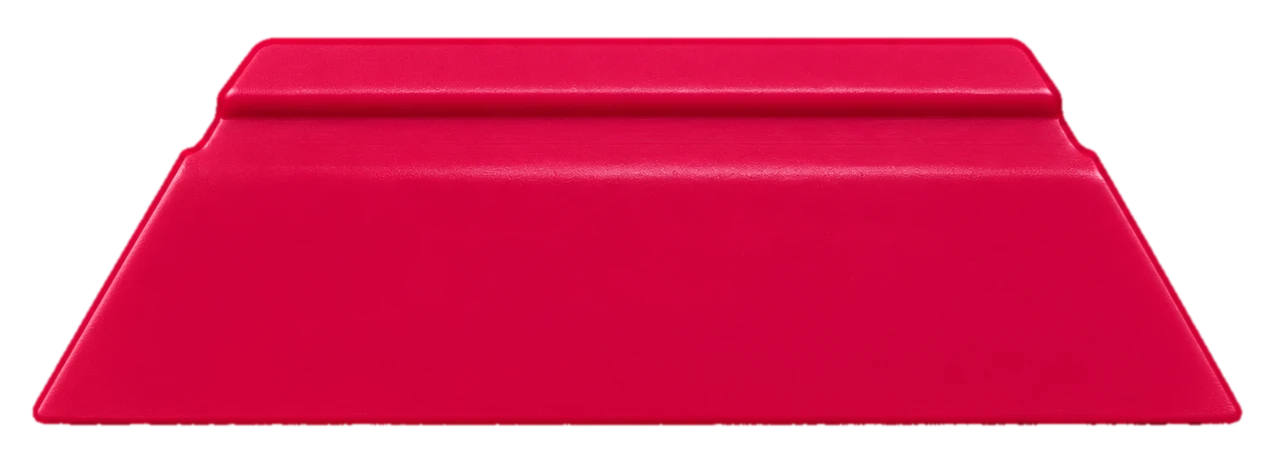
Turbo Squeegee — 6 Inch
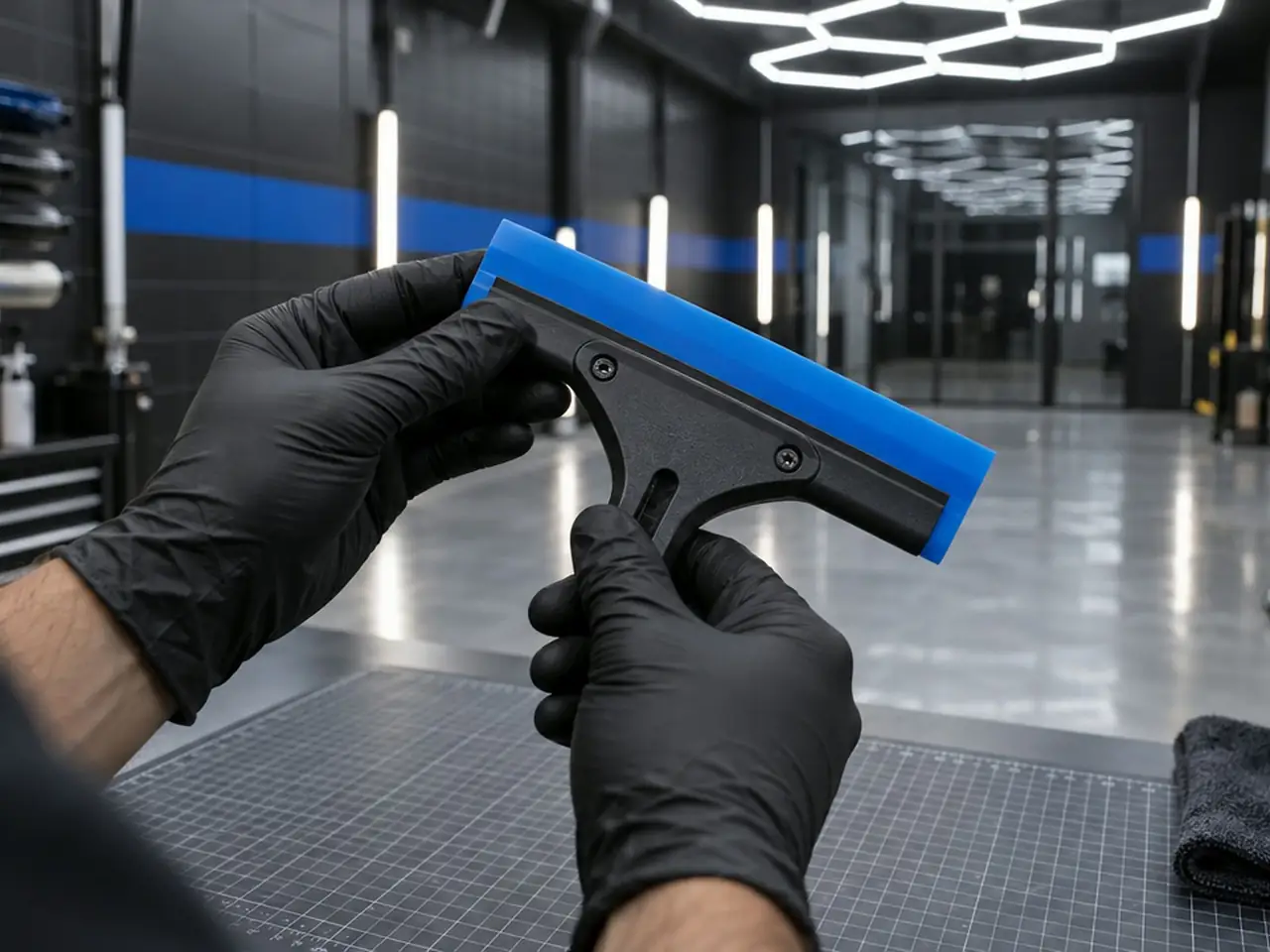
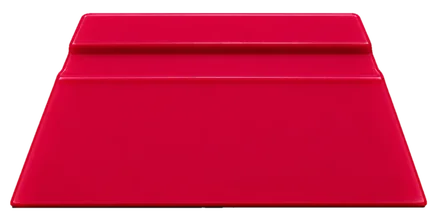
Turbo Squeegee 6 Inch is a 6-inch hard squeegee for tack-down on bigger panels. It is crimson, the same tool as the 4 Inch at a wider width. The wider blade covers more per pass on bigger glass, while the 4 Inch suits tighter work near edges.
How installers use it
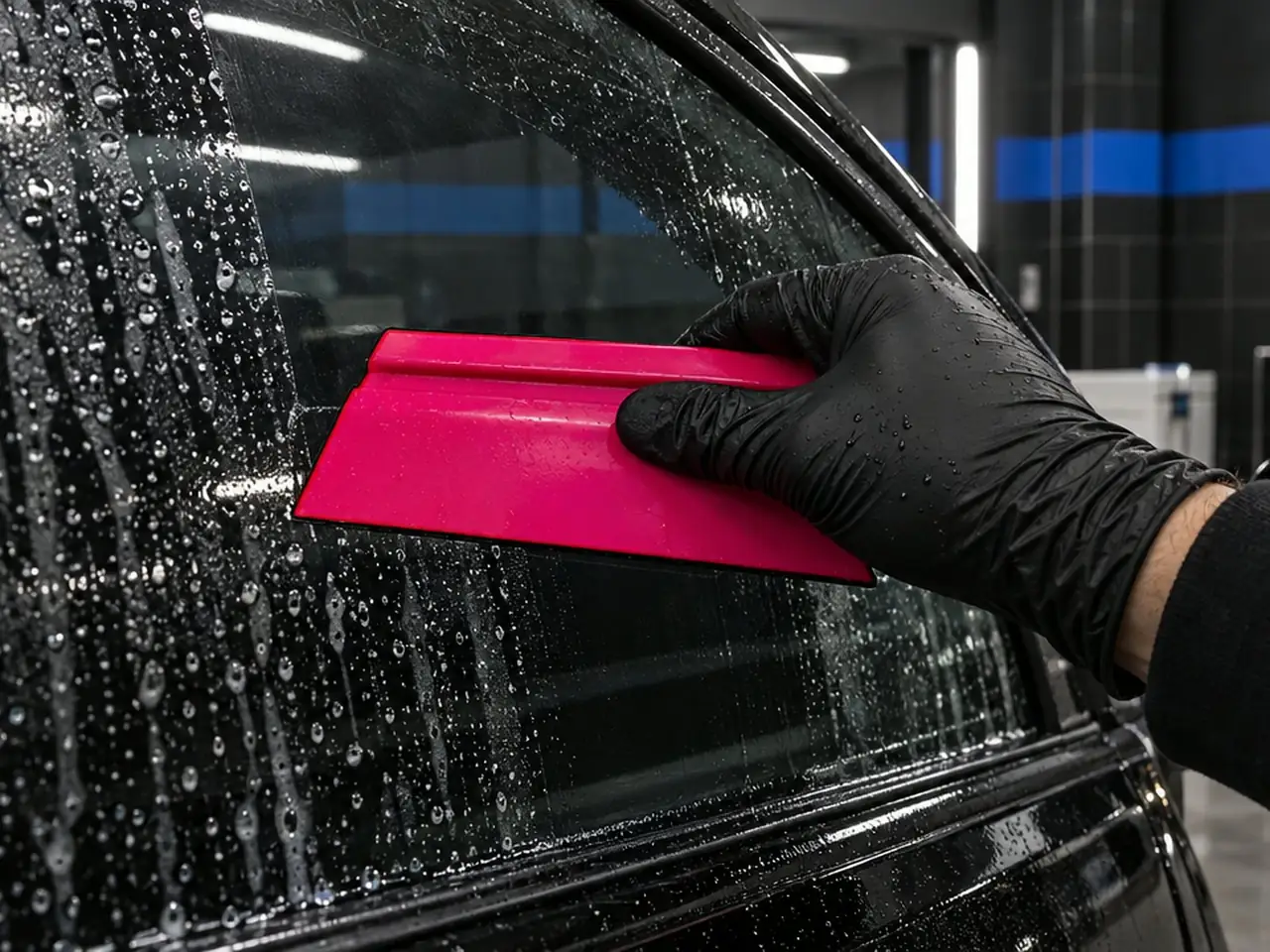
- Spray the glass and the adhesive side of the film so the film can slide into place.
- Tack the center, then work outward with firm, overlapping strokes.
- Let the wider blade cover more per pass on bigger glass and panels.
- Switch to the 4 Inch Turbo for tighter, more controlled work near edges.
Why shops like it
Wider squeegees are generally chosen for larger panels such as hoods and roofs, where coverage per pass matters. Pair it with the 4 Inch so the width matches the job.
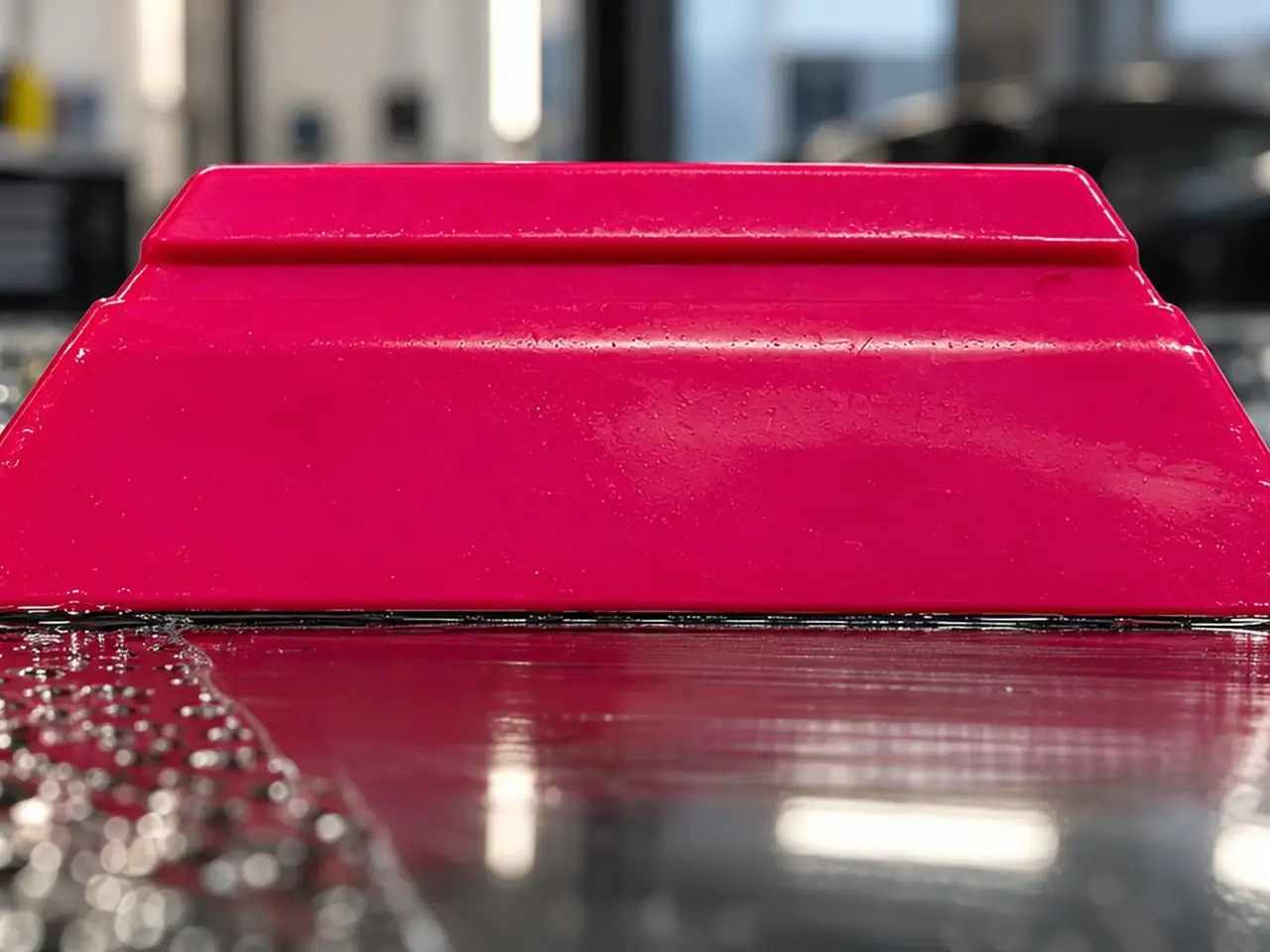
At a glance
- Type
- hard squeegee
- Size
- 6 inch
- Color
- crimson
Pairs with
The 4 Inch Turbo trades coverage for control, the 6 Inch does the reverse, and the Big Titan is the full-size hard squeegee beside both.
About the Turbo Squeegee — 6 Inch
A 6-inch hard squeegee for fast tack-down on bigger panels.
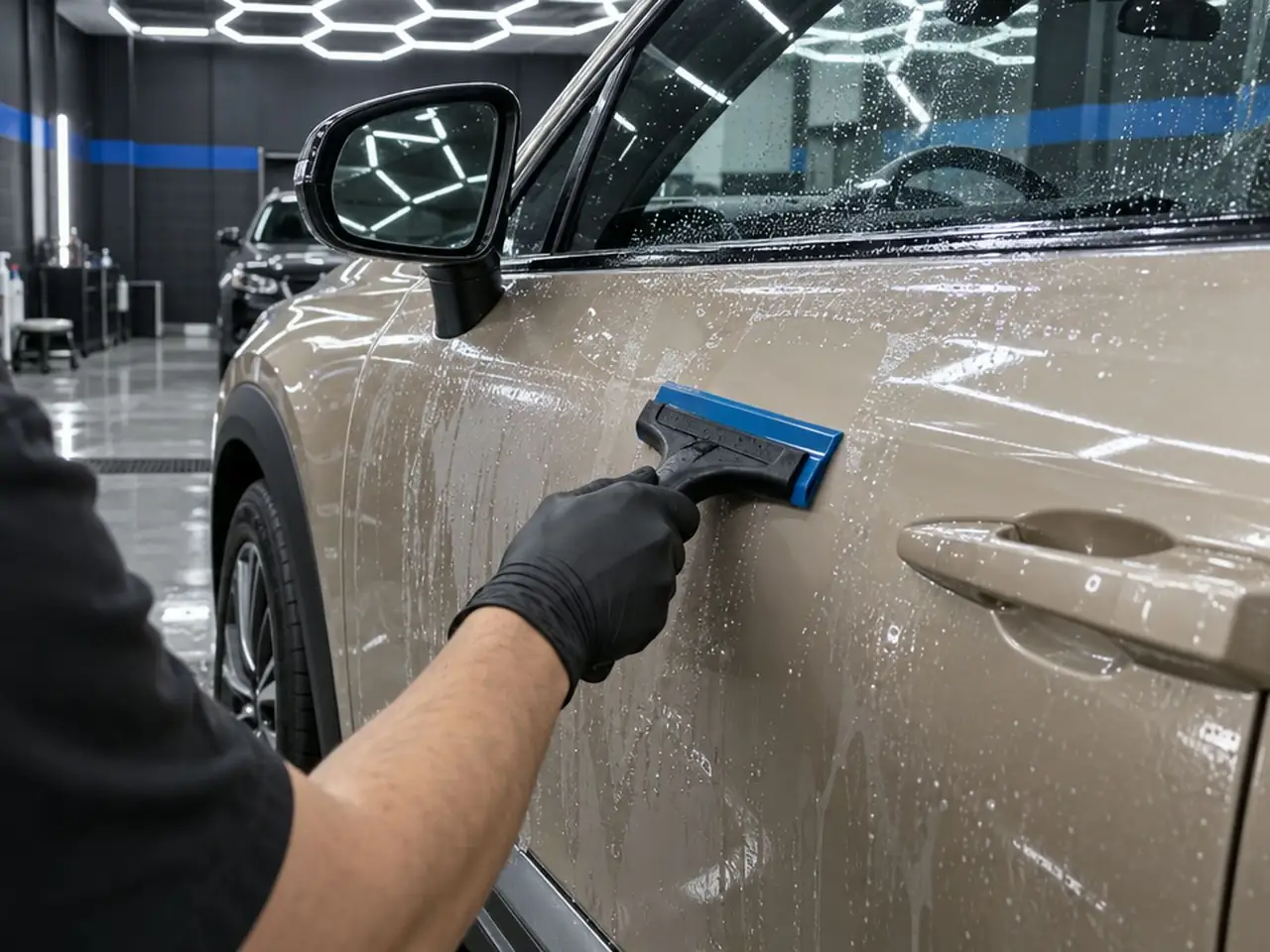
Why choose between 4 inch and 6 inch Turbo squeegees?
Blade width changes control. The 4 inch is sized for focused, controlled tack-down passes. The 6 inch gives more coverage per pass on bigger glass and panels. Choose by the glass in front of you.
Pick by the glass, then change tools when the glass changes. A bigger window rewards the 6 inch, because fewer passes mean fewer chances to miss a strip. Near the edges and on smaller panels, the 4 inch gives you more control. The Big Titan is Glacier's full-size hard squeegee and sits beside the two Turbo widths. Matching width to the glass in front of you, rather than to habit, keeps passes efficient and controlled.
How do you use a Turbo squeegee?
- Clean and wet the glass and film.
- Anchor the film, then start from the center.
- Use overlapping strokes toward the edges.
- Choose the 4 inch or the 6 inch to suit the glass.
- Keep the blade clean between passes.
- Dry the tool and store it blade-safe.
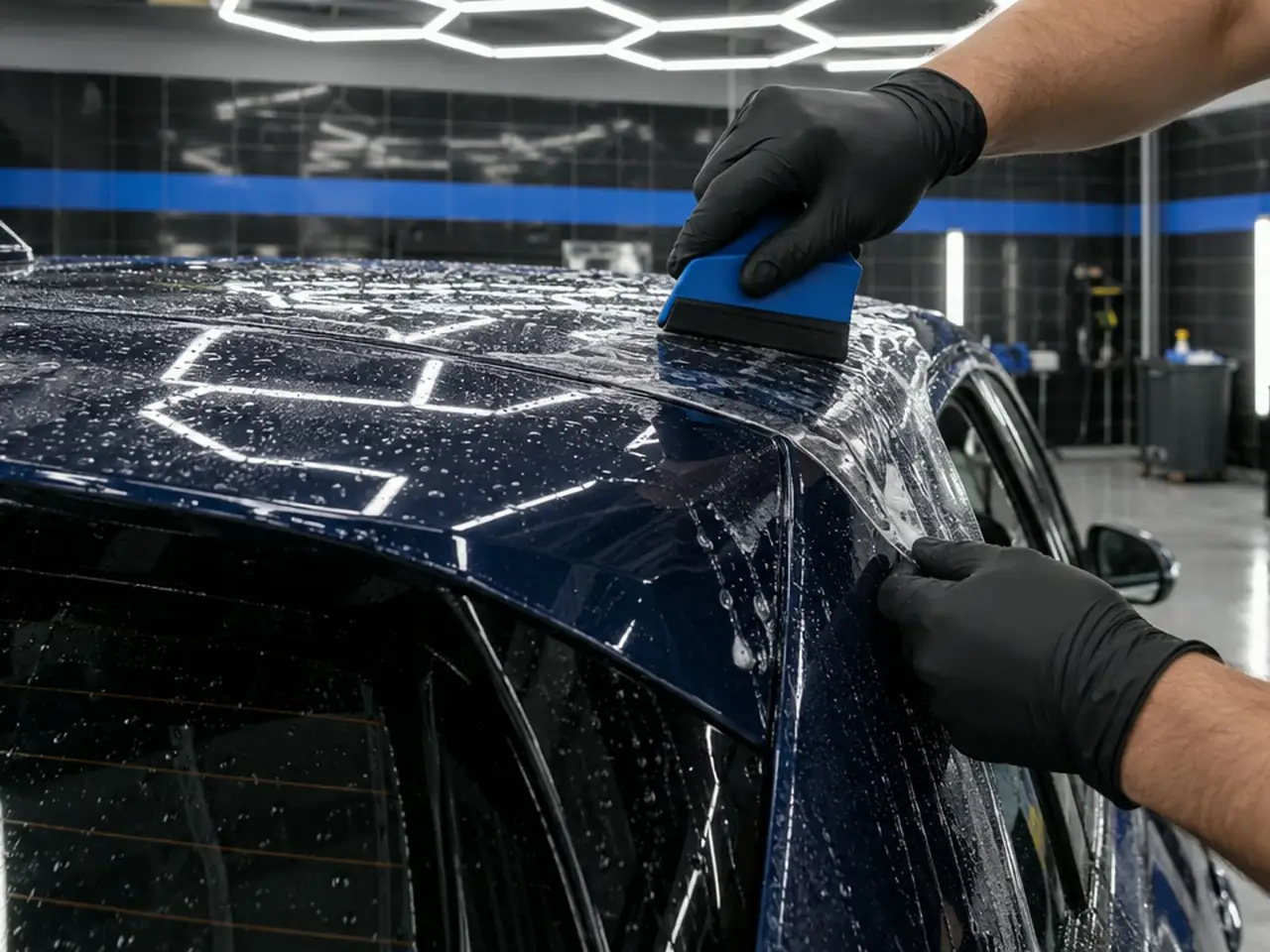
On a wide piece of glass, the first stroke sets the tone. Tack the center to anchor the film, then work outward with firm strokes that overlap by part of the blade so no strip is skipped. Keep the hard blade flat to the glass and let the wide edge push solution toward the perimeter. Because a hard blade is unforgiving of grit, wipe the edge between passes; a dirty blade is a faster route to scratches than a heavy hand. Dry the tool and store it blade-safe when the glass is done.
Who buys Turbo squeegees?
- Tint shops equipping installers
- Mobile installers
- Dealers and fleet outfitters
- Installers adding a second squeegee size
How do Turbo squeegees compare with the Big Titan?
The Big Titan is Glacier's full-size hard squeegee; the Turbo comes in two blade widths. Ask your rep how they compare.
| Tool | Size | What it is for |
|---|---|---|
| Turbo Squeegee 4 in | 4 inch | Focused, controlled tack-down passes |
| Turbo Squeegee 6 in | 6 inch | More coverage per pass on bigger glass and panels |
| Big Titan Squeegee | Full-size | Fast, clean tack-down on bigger glass |
Does Glacier supply Turbo squeegees to shops across the US?
Glacier serves shops and installers across the US. Ask your Glacier rep about availability and how to set up a wholesale account.
Shops working on this topic also use how tint shops choose squeegees, blades and hard cards, tool sets for window tint and flat glass film, how to prep glass for tint and the tint shop equipment checklist.
Keep exploring

Guides
Quick answers
What is the 6 Inch for?
Tack-down on bigger glass and panels where coverage per pass matters.
When is the 4 Inch the better pick?
For tighter, more controlled work and smaller panels.
Do wider squeegees need different technique?
Installers generally tack the center first and work outward with overlapping strokes, keeping the surface wet.
How do I keep a hard squeegee from scratching glass?
Keep the glass and film wet, wipe the blade between passes, and clear any grit before it touches the glass. Overlap strokes rather than leaning harder, and dry the tool and store it blade-safe afterward.