How to choose PPF coverage levels for a shop to quote
PPF coverage levels run from partial front through full front and high-impact areas to full body, with rocker, door-edge and windshield film as add-ons. A shop picks a few clear levels, explains what each protects and leaves out, and quotes from its own costs. Glacier supplies PPF rolls wholesale to installers.
What PPF coverage levels can a shop offer?
Most shops sell PPF as a short menu of coverage levels rather than panel by panel. Each level answers a different customer worry, from chips on the bumper to a fully protected car.
Use the table as a starting frame and adjust the names and contents to your own shop.
| Coverage level | Areas covered | Who it suits | What to explain |
|---|---|---|---|
| Partial front | Part of the bumper and the leading edge of the hood, sometimes mirrors | Owners who want chip protection on the most exposed panels at the smallest scope | Unfilmed paint beside the film still takes wear; the film edge is visible up close |
| Full front | Whole bumper, hood, fenders and mirrors, sometimes headlights | Daily drivers and highway commuters | Panels are covered edge to edge on the front end only; the rest of the car is not |
| High-impact areas | Full front plus areas such as rocker panels, A-pillars and the roof leading edge | Enthusiasts, track or road-trip drivers, owners of low or wide cars | Which extra panels were chosen and why; this is a build-your-own step up from full front |
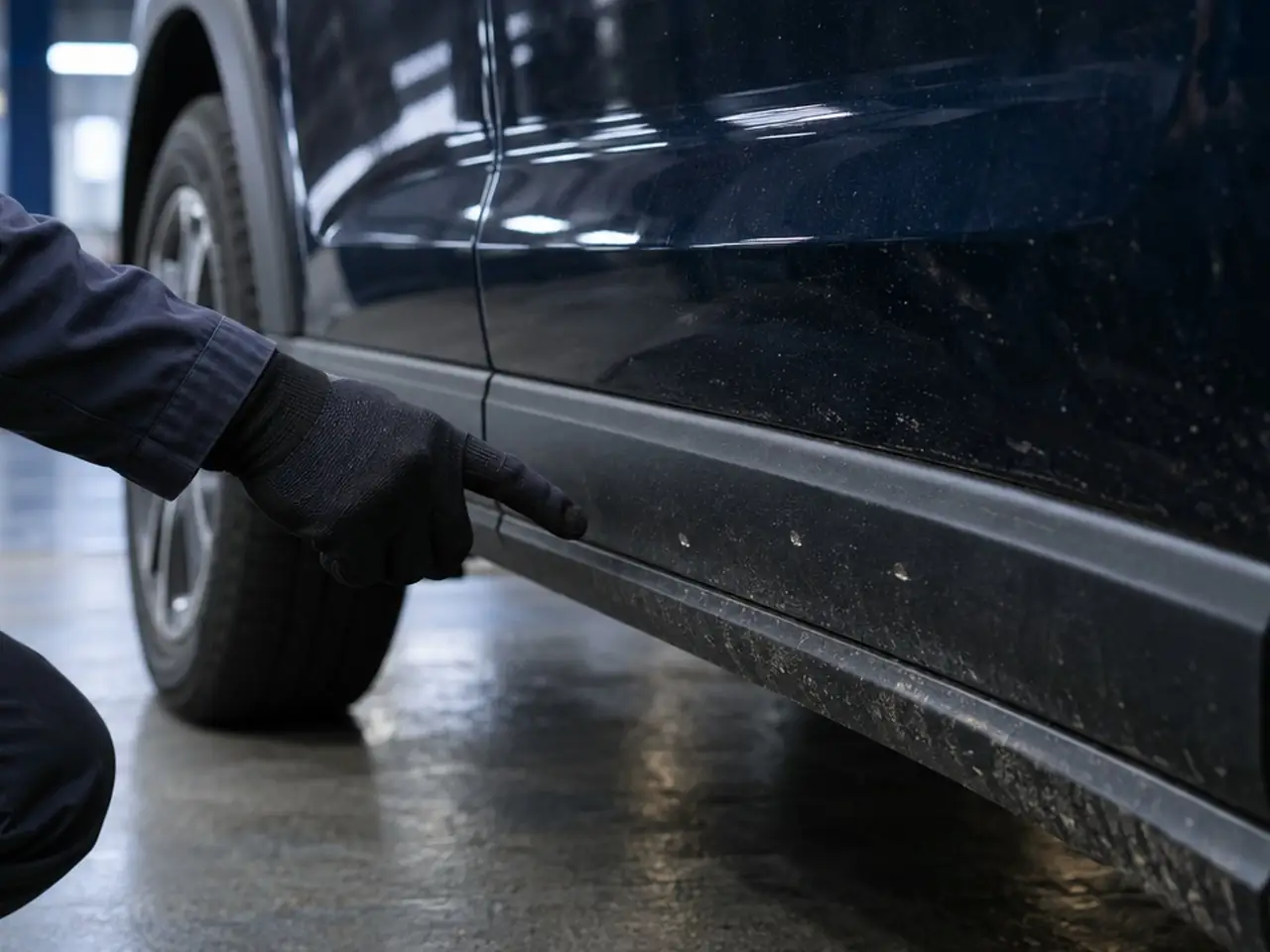
| Rocker and door-edge | Rocker panels, door edges, door cups, sills, trunk loading edge | Owners who see wear from doors, bags and gravel; also an add-on to any level | Small areas that are easy to overlook; explain where wear happens on that vehicle |
| Full body | Every painted panel | Owners of new or high-value vehicles who want one consistent finish everywhere | Install scope, finish choice and care routine are the biggest conversation here |
| Windshield and glass add-on | Windshield, and glass areas the shop chooses to service | Owners who drive highways or want glass kept in good condition | It is a glass service, separate from paint film; check local rules on film on windshields |
How do I decide which level to recommend?
Ask how the customer drives, parks and values the car, then match the answer to a level. Recommending is easier when you listen first.
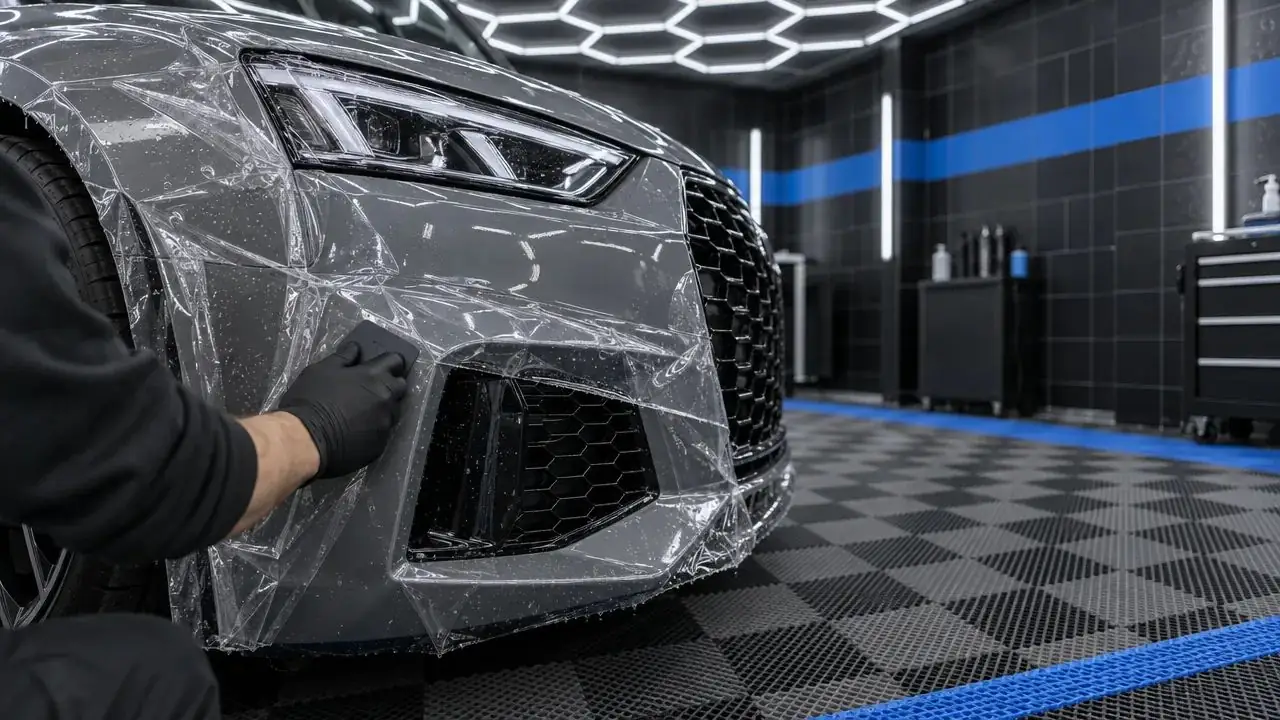
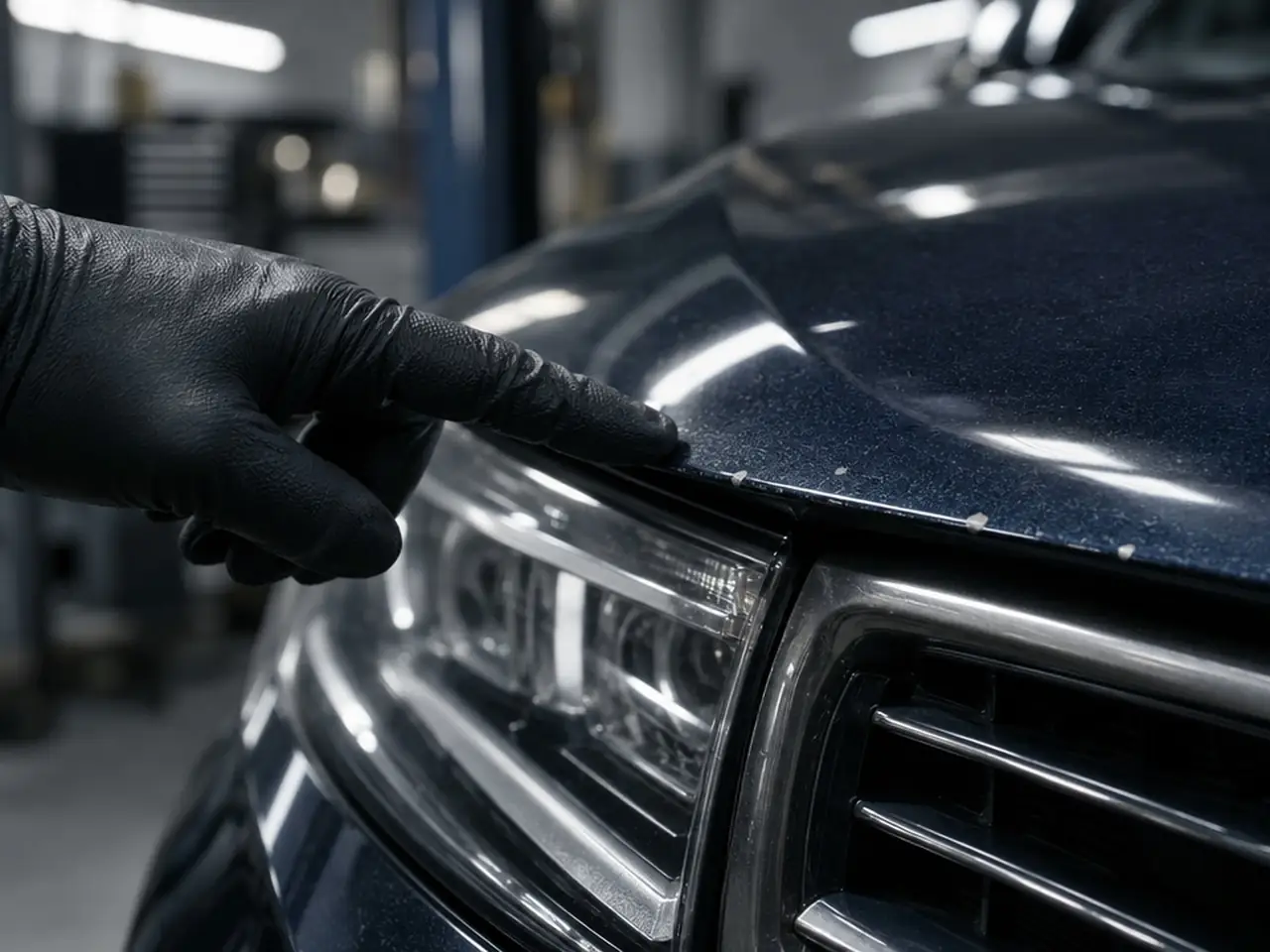
Walk each level on a real vehicle before you print the menu. Use removable tape to mark where the film would stop, then stand at conversational distance and look at the tape line. On partial coverage, the stopping point becomes a visible edge beside bare paint, so decide whether it falls at a body line or in the middle of a panel. Photograph the taped car. Those photos give your counter staff something concrete to show customers when they explain what a level leaves uncovered.
| What the customer tells you | Level to discuss first | Why |
|---|---|---|
| Mostly city driving, wants to limit chips | Partial front or full front | Front end takes most road debris |
| Long highway commutes | Full front, then high-impact areas | More road debris reaches the front and the sides |
| New or high-value car, wants it kept as delivered | Full front up to full body | Consistent protection and one finish across the car |
| Low, wide or track-driven car | High-impact areas | Extra panels exposed to debris and wear |
| Frequent door, bag or gravel wear | Rocker and door-edge add-on | Targets the places those marks appear |
| Highway driver who also worries about glass | Any paint level plus windshield film | Glass is a separate service |
How should a shop explain coverage levels to a customer?
Start with where the customer drives and parks, not with the film. People choose coverage when they can picture the damage it is meant to prevent.
Keep each level to one sentence on what is covered and one on what is not.
- Show the car and point to each panel the level covers.
- Say plainly what stays unprotected at that level.
- Explain finish: gloss clear keeps factory gloss, satin changes the look of glossy paint.
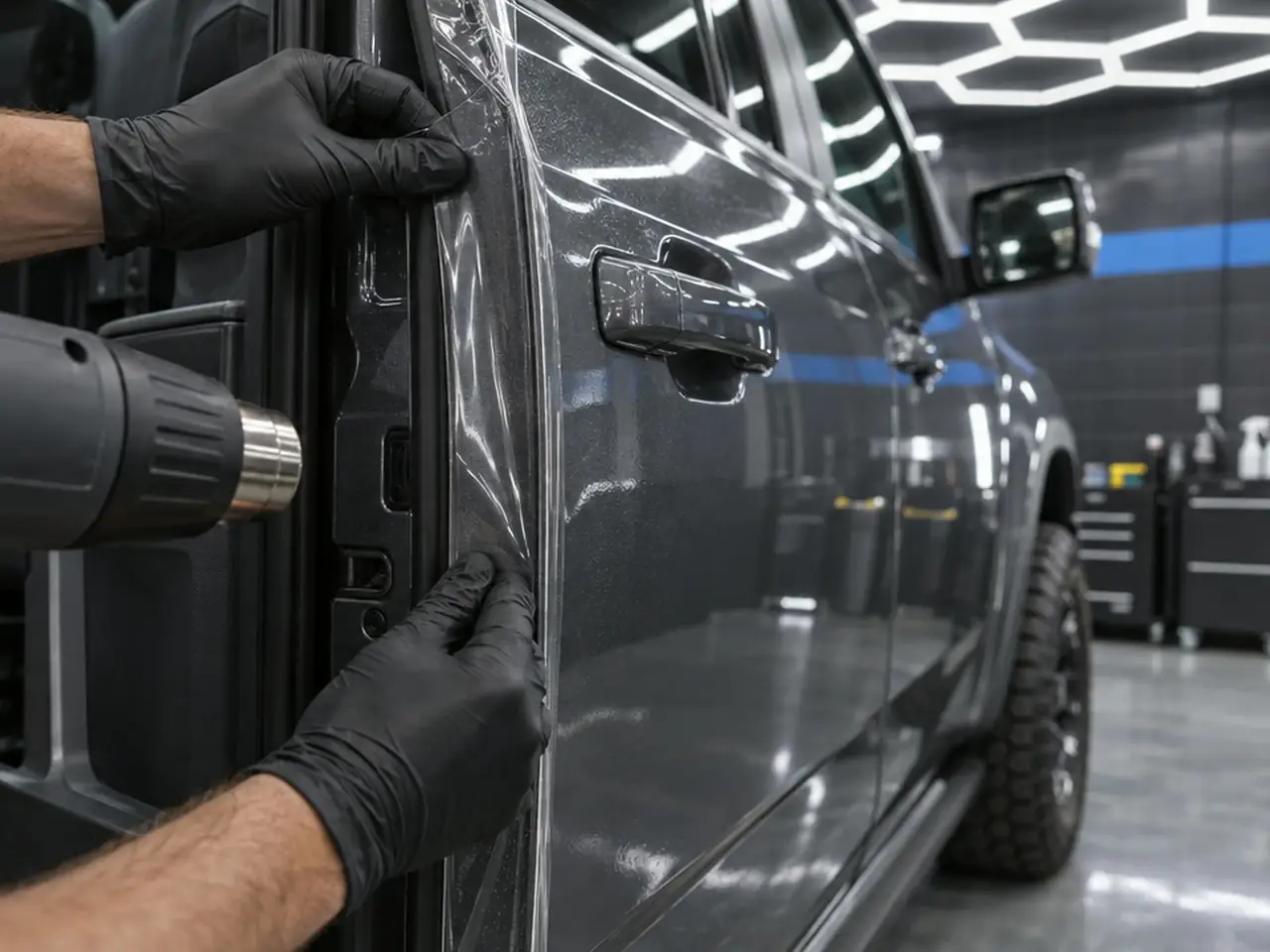
- Describe prep, install and aftercare in plain steps.
- Do not promise the film makes paint damage-proof; it is a protective layer that wears over time.
- Give care instructions in writing.
How do I build a PPF coverage menu without listing prices?
A menu is a set of named levels with defined contents. Prices, labor and timing belong in your own quote, set from your own costs, not in the menu itself.
Build it in this order.
- 1. List the panels on a typical vehicle you work on, front to back.
- 2. Group them into a handful of levels, each one a clear step up from the last.
- 3. Name each level for what it covers, not for a marketing label.
- 4. Write one line for who it suits and one line on what it leaves uncovered.
- 5. Add a short list of optional extras: door edges, door cups, sills, windshield film.
- 6. Decide which finish options apply to each level, then test the menu on a few real vehicles before you print it.
How should I name my coverage levels?
Names should tell the customer what they are buying. Compare these approaches.
| Approach | Example | Trade-off |
|---|---|---|
| Name by area | Front end, Front end plus sides, Full vehicle | Clear and honest; easy to explain at the counter |
| Name by level | Level one, level two, level three | Simple, but says nothing about what is covered |
| Name by marketing label | Any invented brand-style name | Customers may assume more is covered than is |
Where does windshield film fit in a PPF menu?
Windshield protection film is a glass service, so it works as an add-on to any paint level, not as a level of its own. Glacier Guard is Glacier's windshield protection film, supplied on a roll to installers.
It is a different product from paint protection film and from window tint. Check your state's rules on film on windshields before offering it.
How does finish change the coverage conversation?
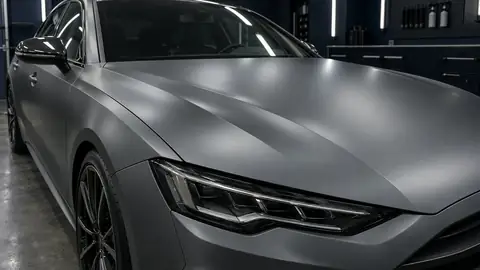
Glacier supplies two PPF finishes: Iceberg, a gloss clear film, and Blizzard, a satin film. Gloss keeps factory gloss; satin gives glossy paint a satin look.
Raise the finish early. Partial coverage puts film beside bare paint, so the customer should know how the finish will look on the car before the job.
| Coverage level | Gloss clear (Iceberg) | Satin (Blizzard) |
|---|---|---|
| Partial or full front | Film blends with the rest of the paint | A satin front end beside glossy paint is a visible choice; show a sample |
| Full body | Car looks as delivered | Whole car changes to a satin look |
What mistakes should a shop avoid when building a menu?
Review the menu against what customers actually chose. After a season of quotes, count how often each level was picked and which add-ons got asked about. Levels nobody picks can be merged into the neighbor, and an add-on requested again and again may deserve its own line on the menu. Keep the review to names, contents and the finish options, since costs stay in your own written quote. Print the revised version only after a few vehicles in the bay have tested it.
- Too many levels, which makes the decision harder for the customer.
- Levels that do not say which panels are included.
- Promising protection against all damage.
- Skipping the finish conversation on partial coverage.
- Leaving out the care instructions.
- Copying another shop's menu without checking it against your own bay and skills.
What should I ask a PPF film supplier before I build my menu?
Your menu depends on what the supplier can reliably send. Ask these questions before committing.
- What film types and finishes are offered, and in what roll format?
- Is film sold as rolls for plotter or hand cutting, or as pre-cut kits?
- Do you provide samples and product information sheets?
- What product information is available for each film line?
- What care guidance can I give customers?
- How do availability and timing work for an order?
- Do you also supply the tools, plotter and prep supplies I need?
How does Glacier supply PPF for these coverage levels?
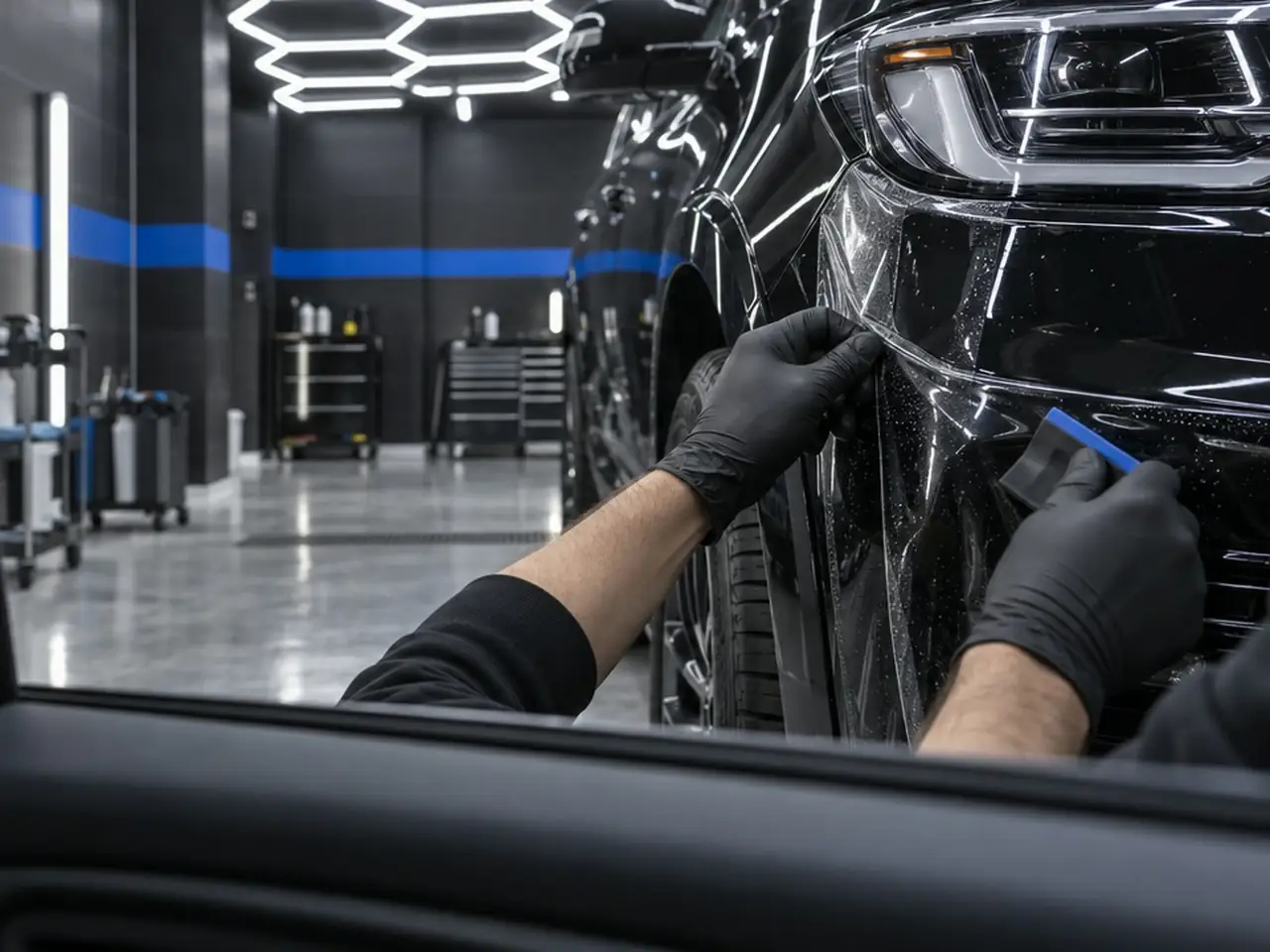
Glacier supplies PPF on rolls. Glacier sells wholesale to PPF installers, tint shops, detailers and dealers, and ships nationwide.
Ask your Glacier rep about samples, availability and timing for your order, and what product information is available for each film line.
Which related guides help me finish the menu?
Use the buying guide to pick a finish and ask the right questions, the install guide to plan your bay and training, and the aftercare page for the customer hand-out.
For the quoting mechanics, choose How to quote a PPF job instead of this menu guide, and use PPF Clear vs Satin when the open question is finish.
Related guides on this site include the PPF installation guide, PPF aftercare, a new PPF installer tool kit and the tint shop supplier guide to film and tools.
In this guide
- What PPF coverage levels can a shop offer?
- How do I decide which level to recommend?
- How should a shop explain coverage levels to a customer?
- How do I build a PPF coverage menu without listing prices?
- How should I name my coverage levels?
- Where does windshield film fit in a PPF menu?
- How does finish change the coverage conversation?
- What mistakes should a shop avoid when building a menu?
- What should I ask a PPF film supplier before I build my menu?
- How does Glacier supply PPF for these coverage levels?
- Which related guides help me finish the menu?
Quick answers
13 questions. Select one to open it.
What are the usual PPF coverage levels?
Shops commonly offer partial front, full front, extended or high-impact areas, and full body, with door edges, rockers and windshield film as add-ons. Names and contents vary by shop, so define each level clearly on your own menu.
What is the difference between partial front and full front PPF?
Partial front covers part of the bumper and the leading edge of the hood. Full front covers the whole bumper, hood, fenders and mirrors, sometimes headlights. Full front gives edge-to-edge coverage on the front end, while partial leaves more paint exposed.
What counts as high-impact areas for PPF?
High-impact areas are the panels that take the most chips and scuffs, usually the front end plus extras such as rocker panels, A-pillars and the roof leading edge. Each shop defines its own list, so state exactly which panels the level includes.
Should door edges and rocker panels be part of a coverage level or an add-on?
Either works. Many shops sell them as add-ons to any level because wear there depends on how the owner uses the car. Whichever you choose, list the panels clearly so the customer knows what is included.
How do I explain full body PPF to a customer?
Say every painted panel is covered with film, then walk through finish choice, prep, install steps and aftercare. Be clear the film is a protective layer that wears over time, not a guarantee against all damage.
Is windshield protection film part of PPF coverage?
No. Windshield protection film is a separate glass service that shops add next to paint protection film. Glacier Guard is Glacier's windshield protection film. Check your state's rules on film on windshields before offering it.
How do I build a PPF coverage menu without putting prices on it?
Define each level by the panels it covers, who it suits and what it leaves uncovered, then keep pricing in your own written quote. This keeps the menu clear and lets you quote each vehicle from your own costs.
What should I ask a PPF supplier before choosing film?
Ask about finishes, roll format, samples, product information, care guidance, and how availability and timing work. Ask your Glacier rep what product information is available for each film.
Can a detailer or new installer buy Glacier PPF for a coverage menu?
Yes. Detailers, PPF installers, tint shops and dealers can apply for a wholesale account or request a quote. Glacier sells wholesale only and does not sell to vehicle owners.
How many coverage levels should a PPF menu have?
Most shops keep a short menu with a few clear levels, each a step up from the last, plus a short list of add-ons. Keep each level defined by the panels it includes.
What should a PPF coverage level leave out of its description?
Prices, labor and timing belong in your own written quote. The menu description should say what is covered, who it suits and what stays unprotected.
What should I do when a PPF customer wants something between two coverage levels?
Start from the nearest level and list the extra panels as a custom add-on on the written quote. Name each panel added, so the customer sees exactly what is covered. Do not invent a new level for one car.
How do I show where partial front PPF coverage will end?
Mark the stopping line on the car with removable tape before you quote, then photograph it from a normal viewing distance. The customer sees where the film edge will sit beside bare paint and can choose a larger level if the edge bothers them.
Ready to quote PPF jobs? Request a quote.