How to choose window film by use case
Choose window film by the job: automotive film for car glass, architectural film for home and office sun and glare, privacy film for frosted or patterned looks, and security or safety film for glass that must hold together when broken. Glacier supplies each type to shops that install it.
Which window film fits which use?
Start with the goal, then match the film type.
| Use | Goal | Film type | Glacier page |
|---|---|---|---|
| Car, truck or fleet | Heat, glare and privacy on vehicle glass | Automotive window film | Automotive window film |
| Home | Sun, glare and privacy on household glass | Architectural (flat glass) or privacy film | Flat glass window film |
| Office | Sun and glare control, plus privacy for meeting rooms | Architectural or privacy film | Flat glass window film |
| Storefront | Glare control, signage, protecting glass | Architectural, perforated, security or anti-graffiti film | Perforated window film |
| Privacy | Block the view in, add a decorative look | Frosted, gradient or patterned privacy film | Privacy window film |
| Security | Hold broken glass together | Security or safety film | Security Film |
Which film is right for a car?
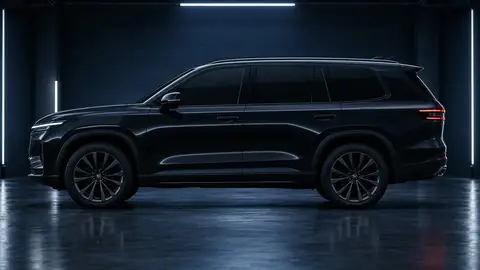
Vehicle glass is tinted with automotive window film. Glacier's automotive range comes in three ceramic lines: Premium Ceramic, Ceramic Plus and Ceramic Ultimate Plus. They are different grades; compare their spec tables and ask a Glacier rep which suits your customers.
Check local tint rules before choosing a shade. VLT is the share of visible light that passes through, and lower is darker.
Fleet and work vehicles follow the same logic: pick the line first, then the shade each window position allows. The ceramic vs carbon vs dyed guide explains how film constructions differ.
Which film is right for a home or office?
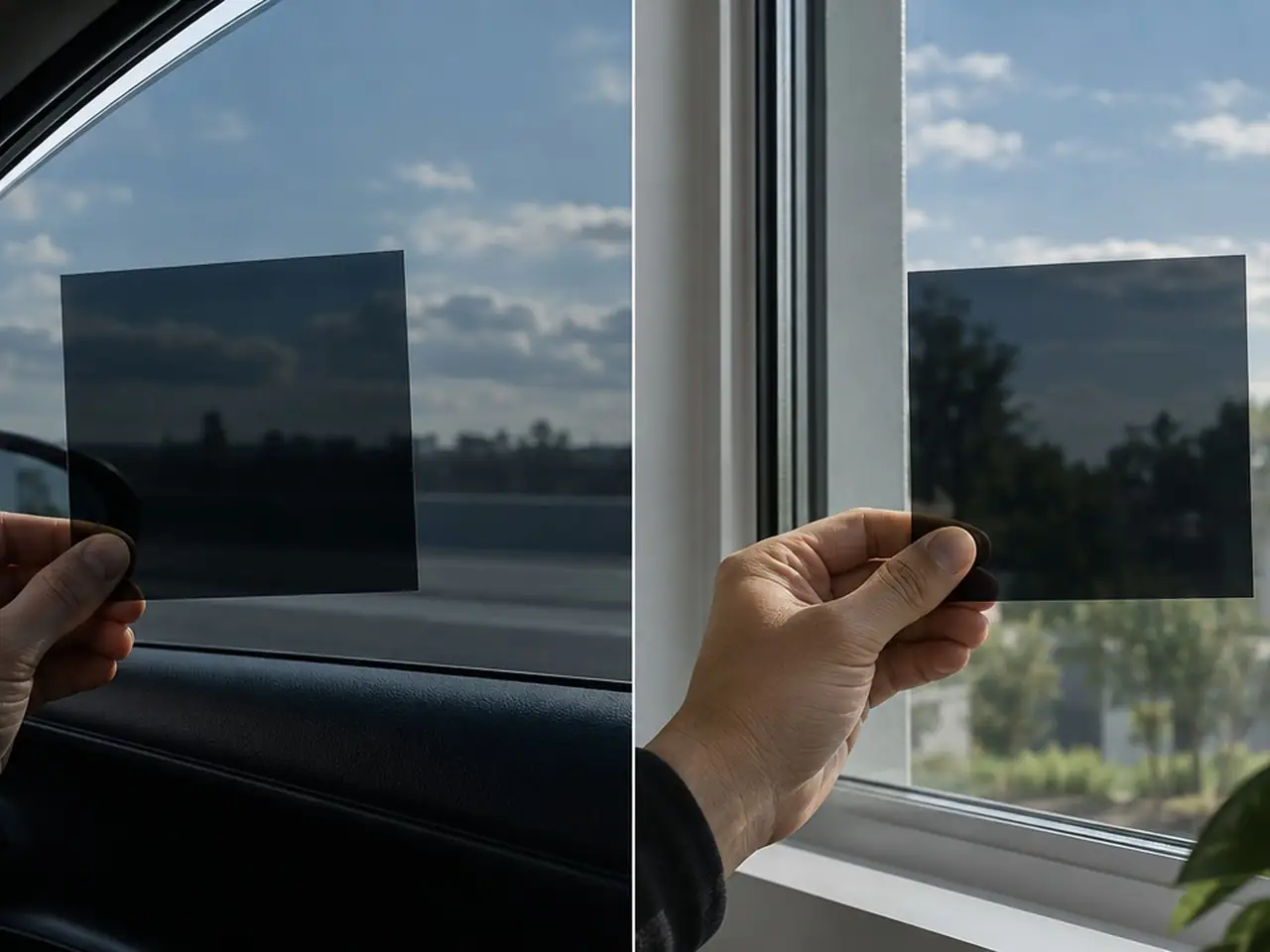
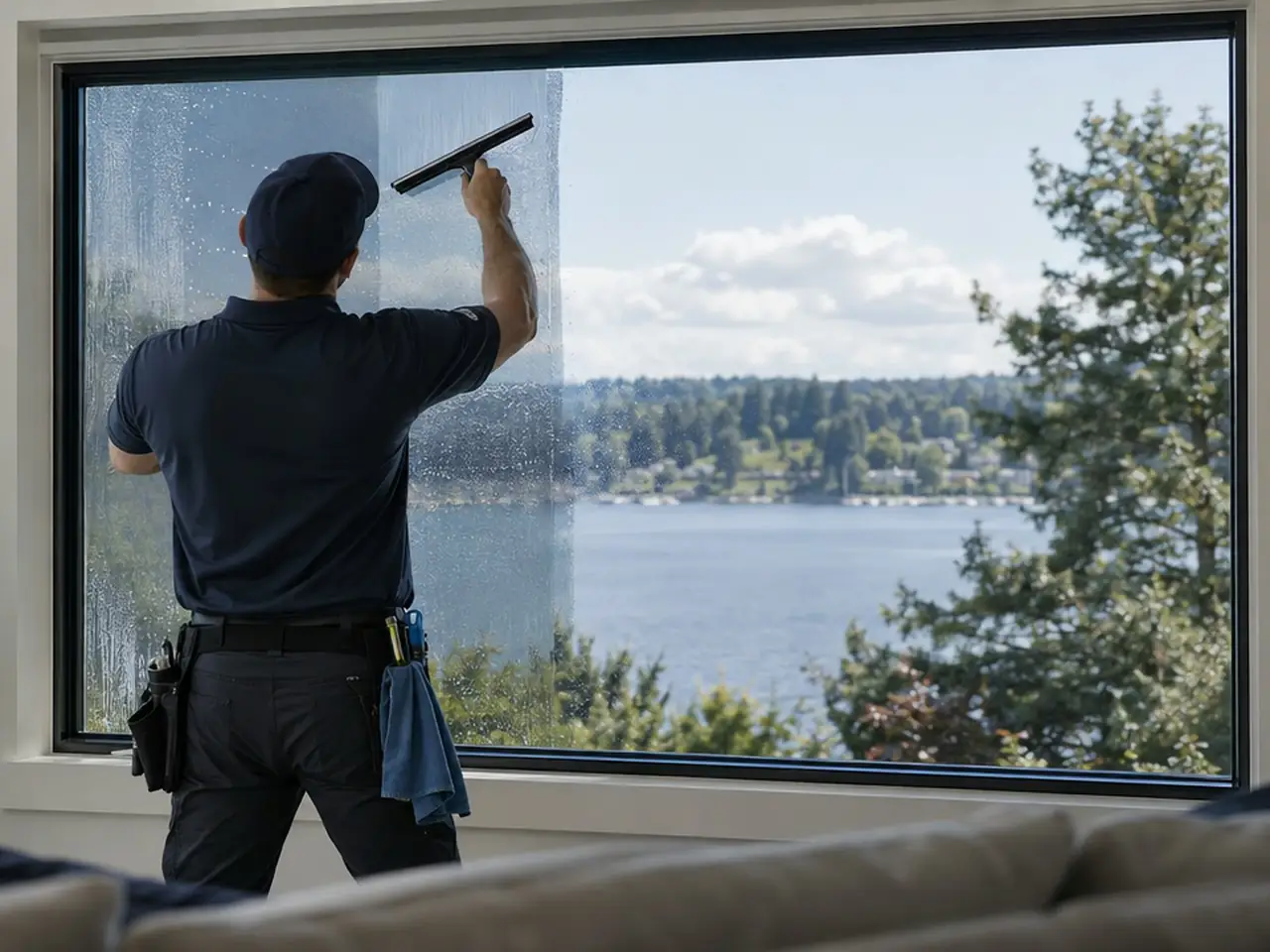
Building glass uses architectural film for sun and glare, or privacy film for a frosted or patterned look. Glass type and condition matter, so the installer should check the glass before film is chosen.
For offices, think about each room separately: a sunny perimeter window, a meeting-room partition and an entry door may each call for a different film.
Landlords, associations and building managers may have rules about window changes. Check before you order.
What film suits a storefront?
Storefronts often combine goals: control glare, show graphics and protect the glass. Perforated film is printable one-way-vision film used for graphics. Security film holds broken glass together, and anti-graffiti film is a replaceable clear layer over glass.
Which film gives privacy?
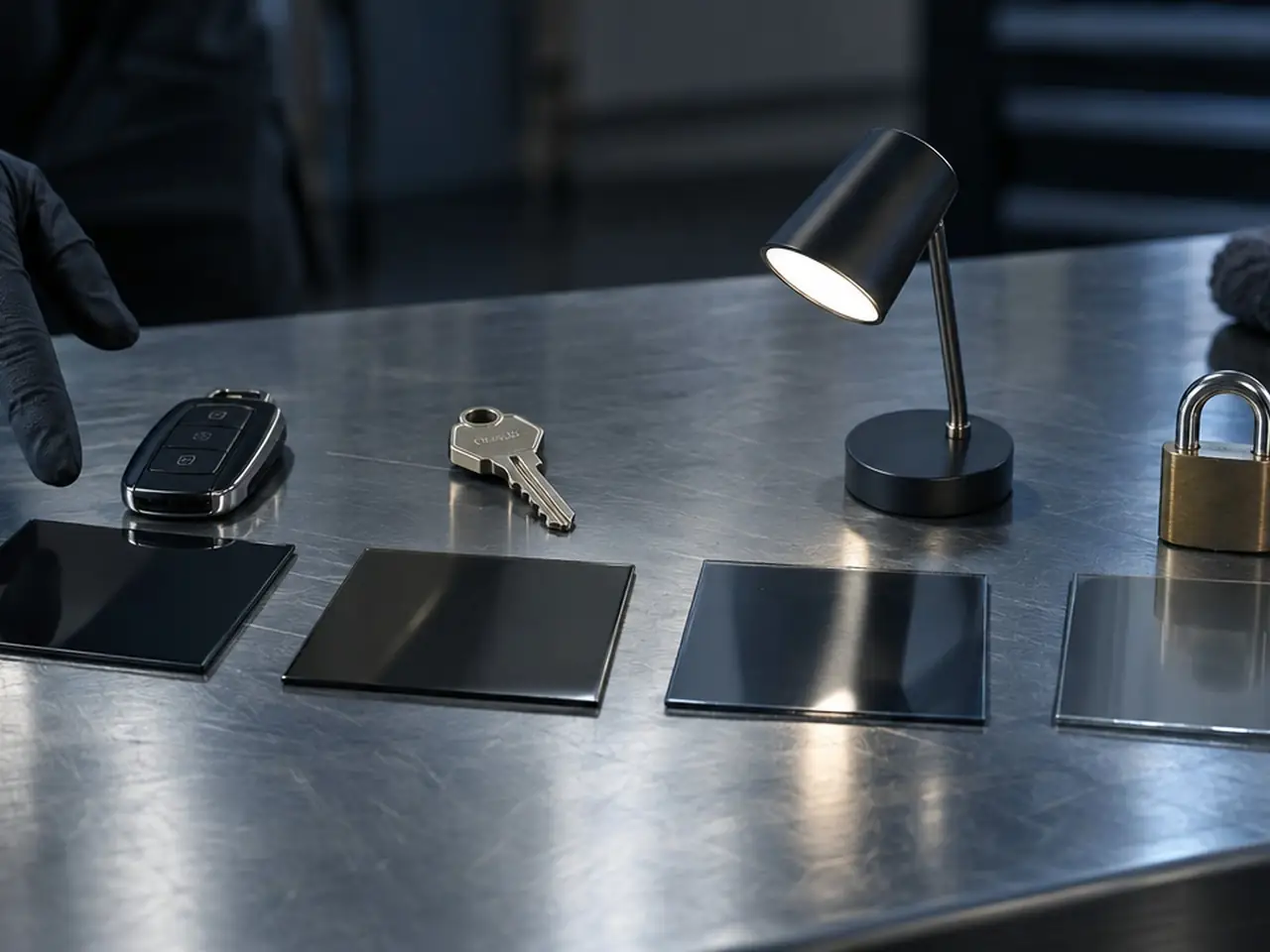
Privacy film is frosted, gradient or patterned film that limits the view through glass. It works differently by day and night, so ask your installer what to expect. The privacy film guide covers types and glass cautions.
Which film is right for security?
Security film holds glass together if it breaks. It does not make glass unbreakable and it is not a guarantee against break-ins. Safety film keeps glass pieces in place. The security and safety guide explains the difference.
What should I ask the installer?
- Which film do you recommend for this glass, and why?
- Does this glass need anything checked before film goes on?
- How do you handle edges, and what should I expect to see after install?
- What are the care instructions for this film?
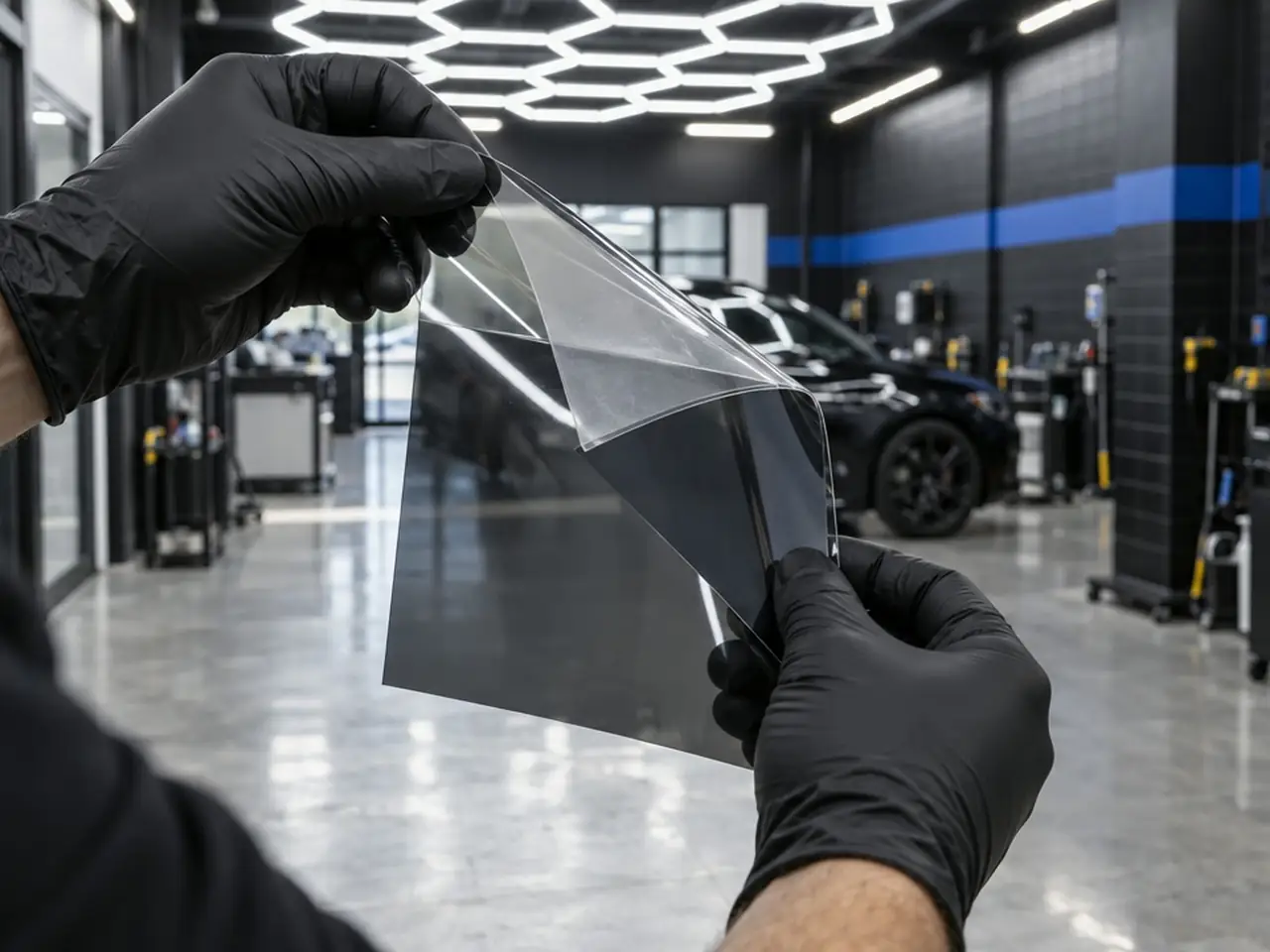
- Can I see a sample or a preview of the shade?
Which mix-ups should I avoid?
| Common mix-up | What to remember |
|---|---|
| Using car film on a building | Automotive and architectural films are made for different glass; choose by the job |
| Expecting privacy film to hide everything | Privacy depends on light, so ask what to expect by day and at night |
| Treating security film as a lock | It holds broken glass together; it does not stop every break-in |
| Choosing a shade first | Pick the goal and the film type first, then check local rules and shade |
| Mixing up PPF and window film | PPF protects paint; window film goes on glass |
How do I decide between film types?
Work through these questions in order.
- 1. What is the main goal: heat and glare, privacy, safety or security?
- 2. What is the glass: a vehicle, a home window, a storefront, a door?
- 3. Does the glass already have film, a sticker or damage?
- 4. Are there local rules for vehicle tint or building changes?
- 5. Would a preview help? Try the Film Studio to see shades.
- 6. Which shop will install it, and what film do they stock?
Who is this guide for?
Shops that want a quick way to guide customers to the right film, and customers comparing options before they visit a shop. Glacier sells wholesale to shops, installers and dealers, not to drivers or homeowners.
How do I order film for these jobs?
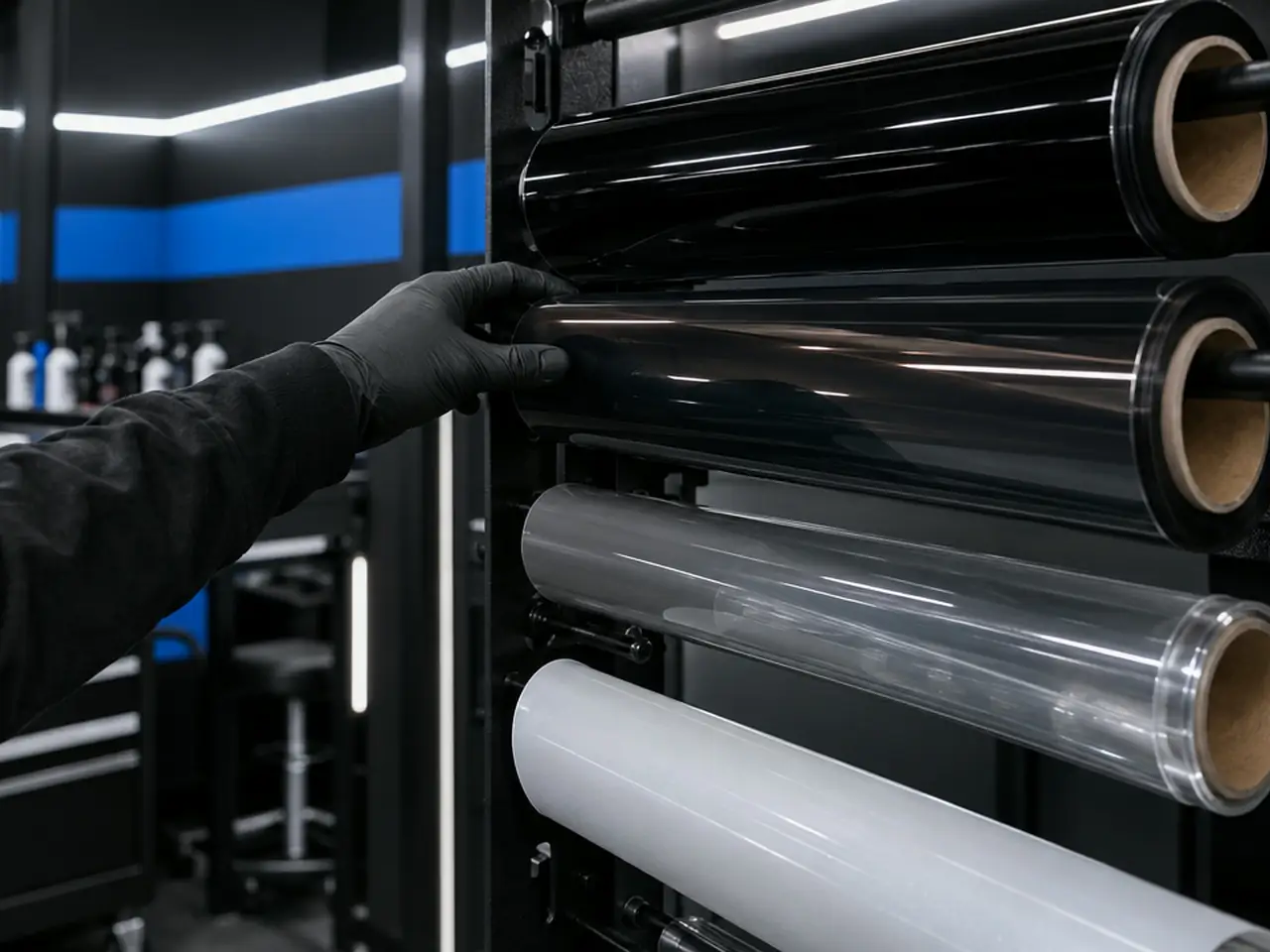
Shops can apply for a wholesale account or request a quote with the lines and sizes they need. Glacier ships nationwide. Customers can ask their tint shop for Glacier film by name.
In this guide
- Which window film fits which use?
- Which film is right for a car?
- Which film is right for a home or office?
- What film suits a storefront?
- Which film gives privacy?
- Which film is right for security?
- What should I ask the installer?
- Which mix-ups should I avoid?
- How do I decide between film types?
- Who is this guide for?
- How do I order film for these jobs?
Quick answers
10 questions. Select one to open it.
What type of window film should I use for my car?
Use automotive window film. Glacier's automotive range has three ceramic lines, Premium Ceramic, Ceramic Plus and Ceramic Ultimate Plus. Check local tint rules for each window, then ask your tint shop which line they stock.
What is the difference between automotive and architectural window film?
Automotive film is made for vehicle glass. Architectural film, also called flat glass film, is made for building glass such as homes, offices and storefronts. A professional installer picks the film based on the glass and the goal.
What window film gives privacy at home?
Frosted, gradient or patterned privacy film limits the view through glass. How well it works varies between day and night, so ask your installer what to expect. See the privacy window film guide for types and cautions.
Can window film stop a break-in?
Security film holds broken glass together, which can slow entry, but it does not make glass unbreakable and it is not a guarantee against break-ins. See the security and safety film guide.
What is the difference between safety film and security film?
Both keep glass pieces together when it breaks. Ask your installer which suits your glass and goal.
What film do I use for a storefront?
Storefronts often use architectural film for glare, perforated film for printed graphics, security film to hold broken glass together or anti-graffiti film to protect the glass. Pick by the main goal for each window.
Does Glacier make ceramic window film?
Yes. Glacier's automotive window film is ceramic-only and non-dyed. Ask your Glacier rep about the other film lines.
Can I preview window film shades before I buy?
Yes. The Film Studio lets you preview shades. Your shop can also show you samples.
Can a homeowner buy Glacier window film directly?
No. Glacier sells to shops, installers and dealers. A professional shop can install Glacier film for a home or business.
How do shops order film for different jobs?
Apply for a wholesale account or request a quote with the lines, sizes and quantities needed. Glacier ships nationwide.
Install film for cars, homes or businesses? Apply for a wholesale account.