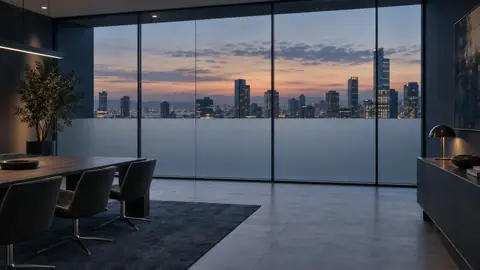
Low-reflective residential window film and HOA rules: what to consider
Low-reflective residential window film has a neutral, non-mirror look from outside, which is why homeowners ask about it when an HOA restricts exterior appearance. HOA rules differ by community, so check the governing documents and get written approval before installing. This is general education for installers and homeowners, not legal advice.
What do HOAs usually review about window film?
Some HOAs treat changes to a home's exterior look as modifications that need approval. Window film can fall under that, but each community writes its own rules, and some say nothing about it.
- How reflective or mirror-like the glass looks from outside.
- Exterior color or tint, and whether it matches neighboring homes.
- A uniform look across the street or the building.
- Whether an approval form is required before work starts.
- Whether the film changes anything visible from the street.
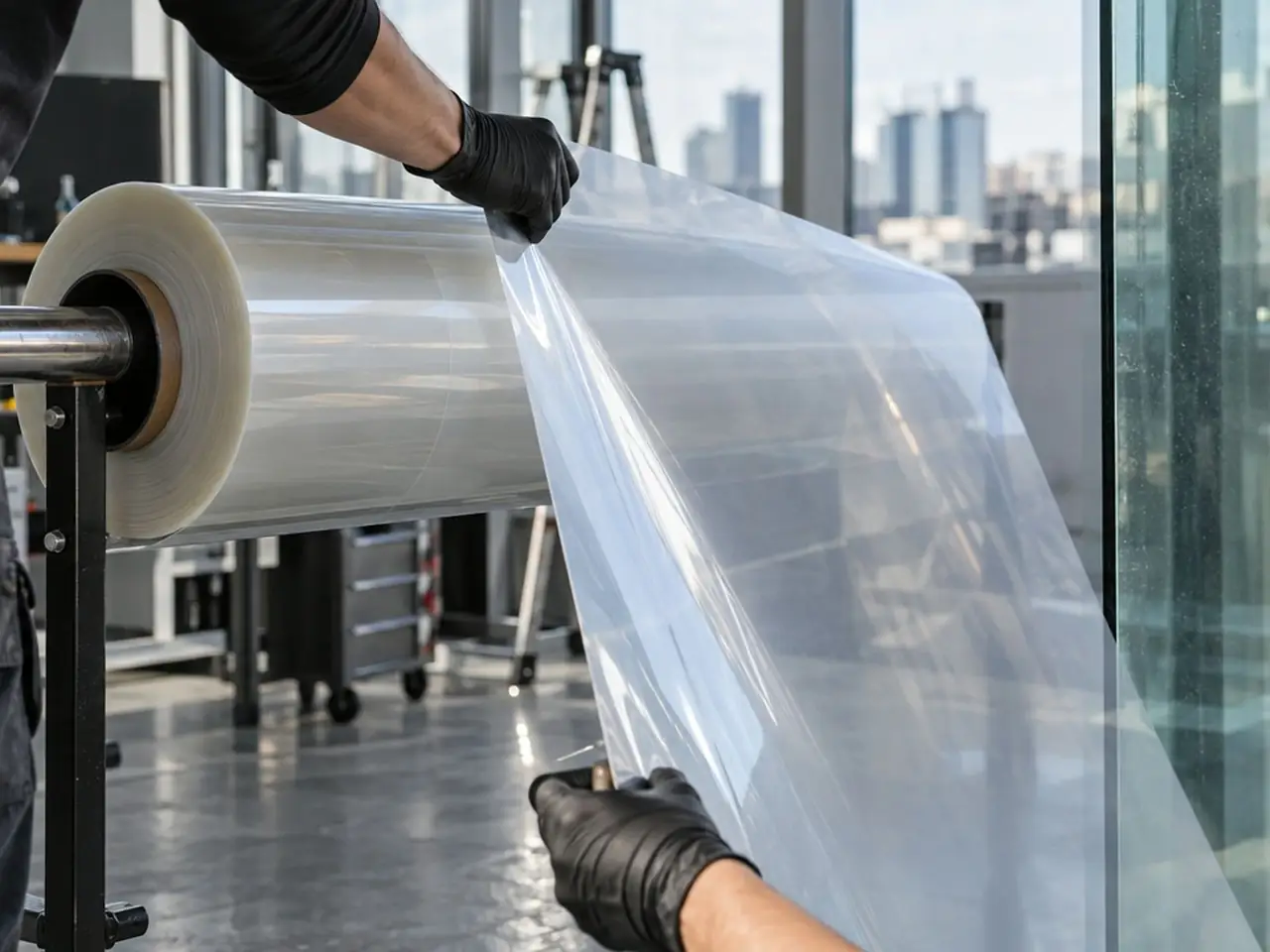
What does "low-reflective" mean?
Reflectivity describes how mirror-like the glass looks from outside. A low-reflective film looks closer to plain glass; a highly reflective film can look like a mirror in sunlight.
It is a different property from how dark the film is and from how well it controls heat or glare.
How do residential film looks compare for HOA purposes?
This table is qualitative. Always judge a film on a sample against the real glass.
| Film look | From outside | What an HOA may ask about |
|---|---|---|
| Reflective (mirror-like) | Shiny, mirror-like in sun | Reflectivity limits |
| Low-reflective or neutral | Close to plain glass, depending on shade | Color and darkness |
| Clear film | Almost invisible | Whether any film needs approval |
| Frosted or decorative | Obscured view, patterned or white | Visibility of the pattern from the street |
Does low-reflective mean light or clear?
No. A film can be dark and still look non-mirror-like. Ask for the reflectance figure if the spec sheet lists one, and compare it with the HOA's wording.
If the rules use words like "mirrored" or "reflective" without a number, ask the board or architectural committee how they judge it.
Judge a sample the way the neighbors will see it, not the way it looks on a bench. Carry it outside, hold it against the real glass, and walk to the curb to look back at the house. Check it in bright sun and again under cloud, because mirror-like glare shows up at some angles and disappears at others. Look at it again after dark with the interior lights on. Photograph each view so the architectural committee can see what you saw, and note which window each photo shows.
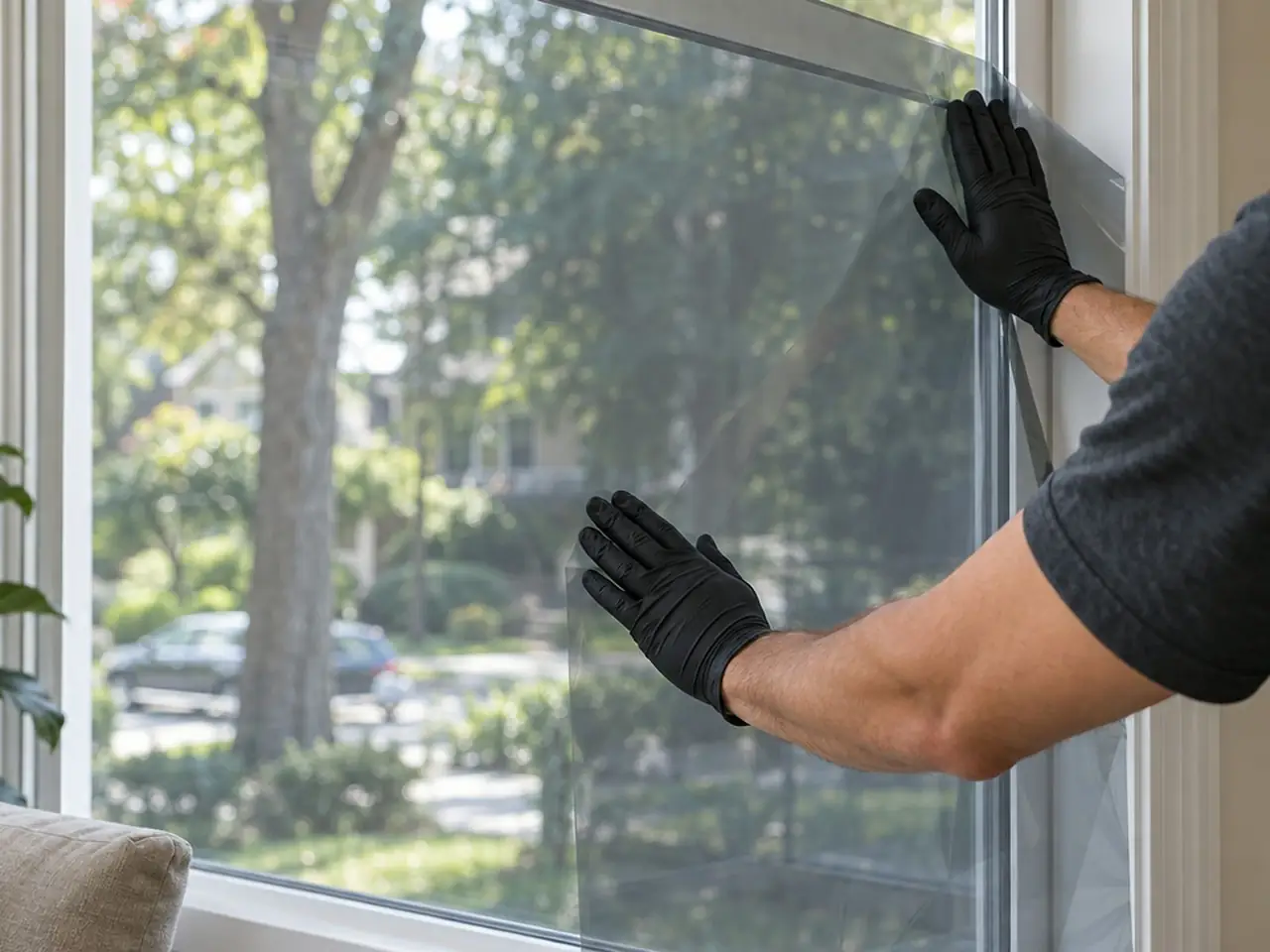
How do I check my HOA's rules before installing film?
- 1. Get the governing documents and any architectural guidelines.
- 2. Search them for window, film, tint, glass, reflective and exterior modification.
- 3. Ask the board or architectural committee whether film needs approval.
- 4. Submit the film's spec sheet and a sample if they ask for one.
- 5. Get the approval in writing and keep a copy with the job file.
- 6. Ask a lawyer if the wording is unclear or the board disagrees.
What should an installer do on HOA jobs?
A little paperwork up front prevents a lot of trouble later. Ask the customer early whether the home is in an HOA.
- Ask for the written HOA approval before you book the work.
- Bring samples and look at them outside on the real window.
- Give the customer the film's spec sheet to submit with their request.
- Keep a copy of the approval and the film code in the job file.
- Check the window maker's warranty and glass type before you quote.
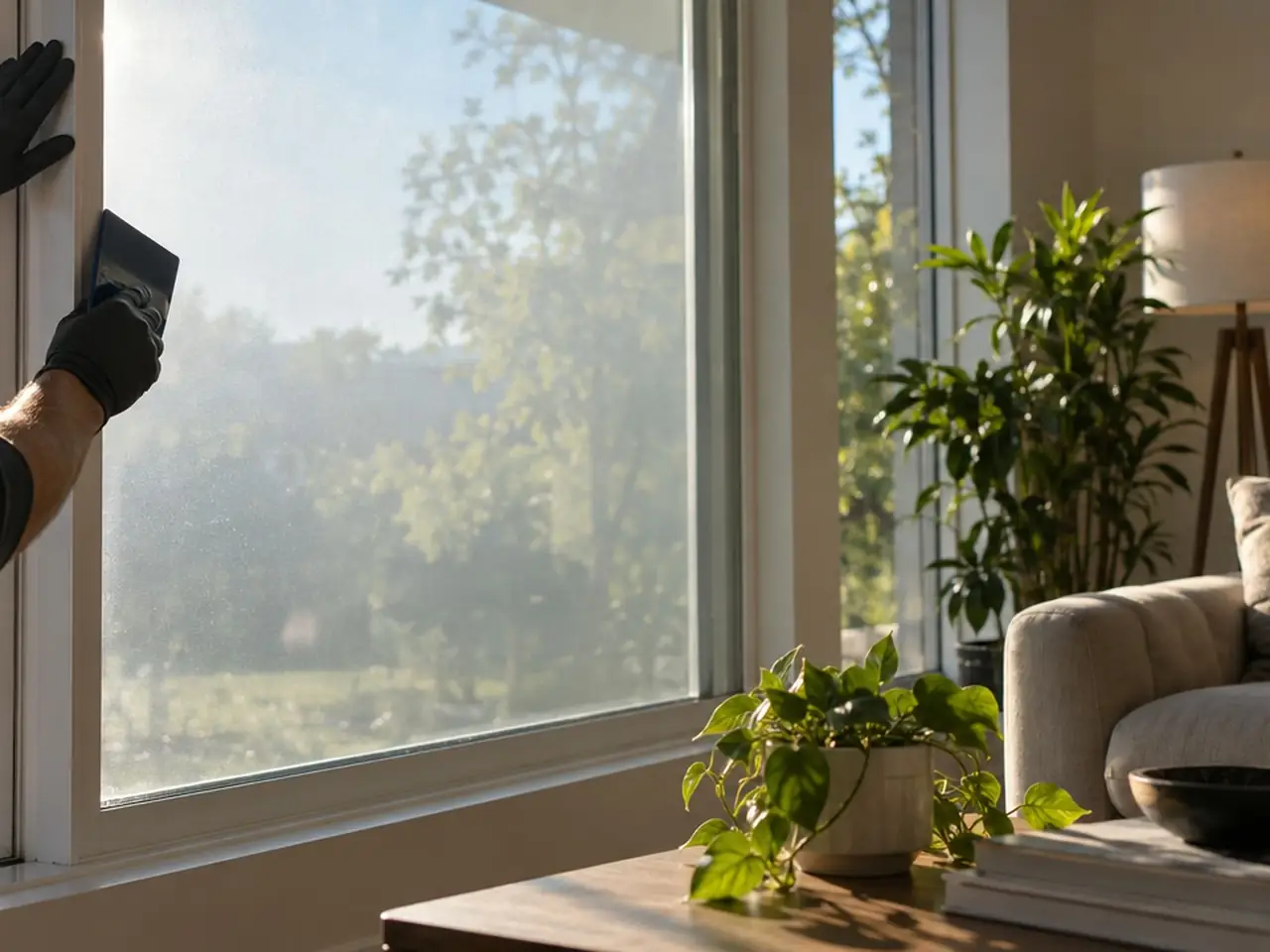
Why do homeowners ask about low-reflective film?
Homeowners usually want sun and glare control without changing how the house looks from the street. When an HOA is involved, a neutral exterior look can make approval easier, but it is never guaranteed.
What should a homeowner do before calling an installer?
- Find out whether the home is in an HOA and get the rules.
- Check the window warranty for limits on film.
- Decide the goal: less glare, less fading, more privacy or a cooler room.
- Ask the installer for samples to view on the real windows.
- Ask the installer to explain what the film will look like from the street.
What if the HOA says no?
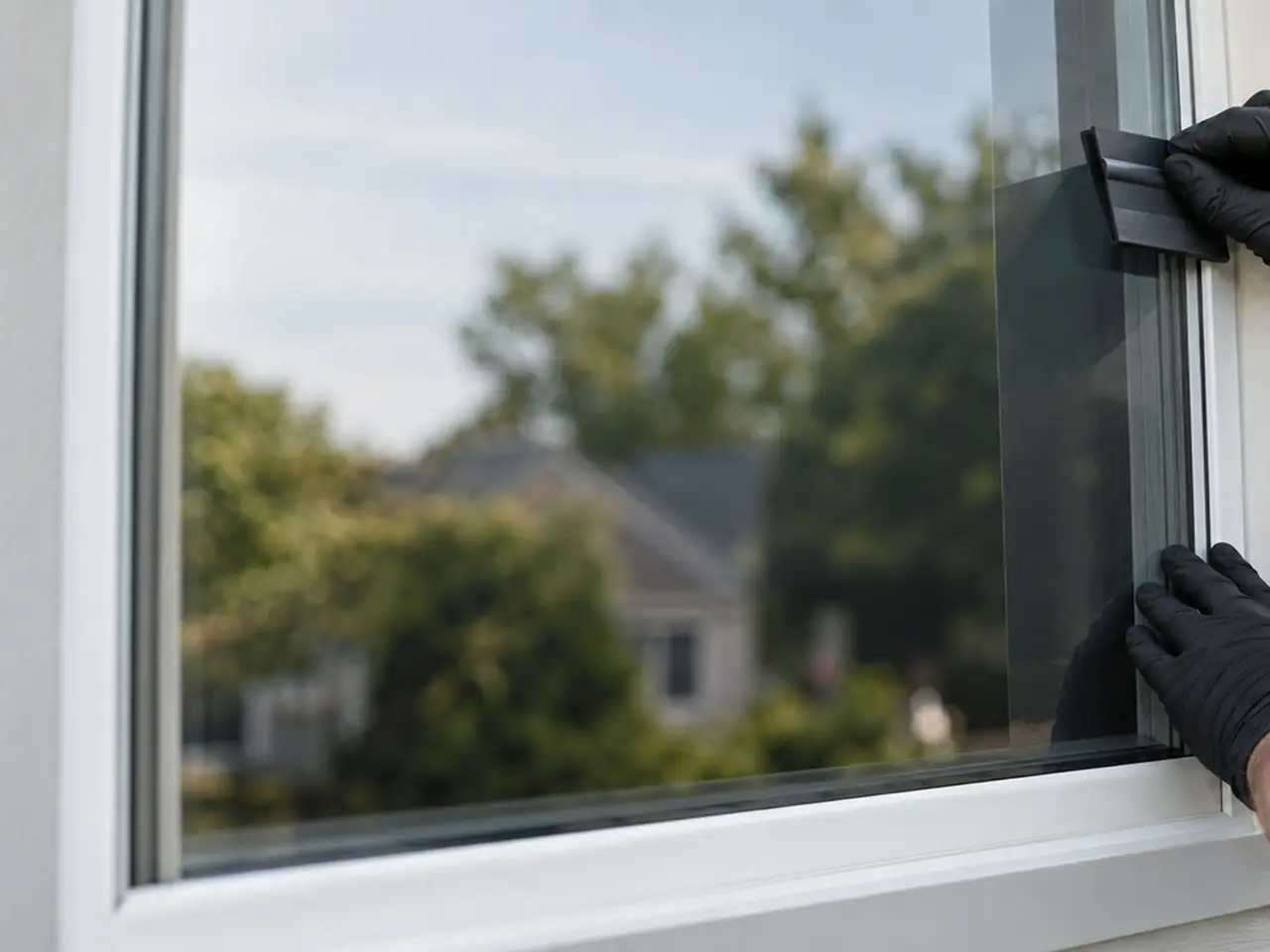
If the board is open to a revised request, make the revision narrow. Name the exact windows, say which face the street and which do not, and name the film by its product code so the approval attaches to something specific. Boards sometimes approve rear or side glass when street-facing glass is a sticking point, so offering that split can save the whole job. Remember that an approval covers the film named in it, so if you change the film, ask the board to confirm the change in writing before you install.
- Ask the board which part of the film is the concern: reflectivity, color or the change itself.
- Ask whether a lighter or clearer film would be approved.
- Ask whether the rules allow film on the inside of the glass only.
- Consider interior alternatives, such as shades, if film is not allowed.
- Get any decision in writing.
What about double-pane windows?
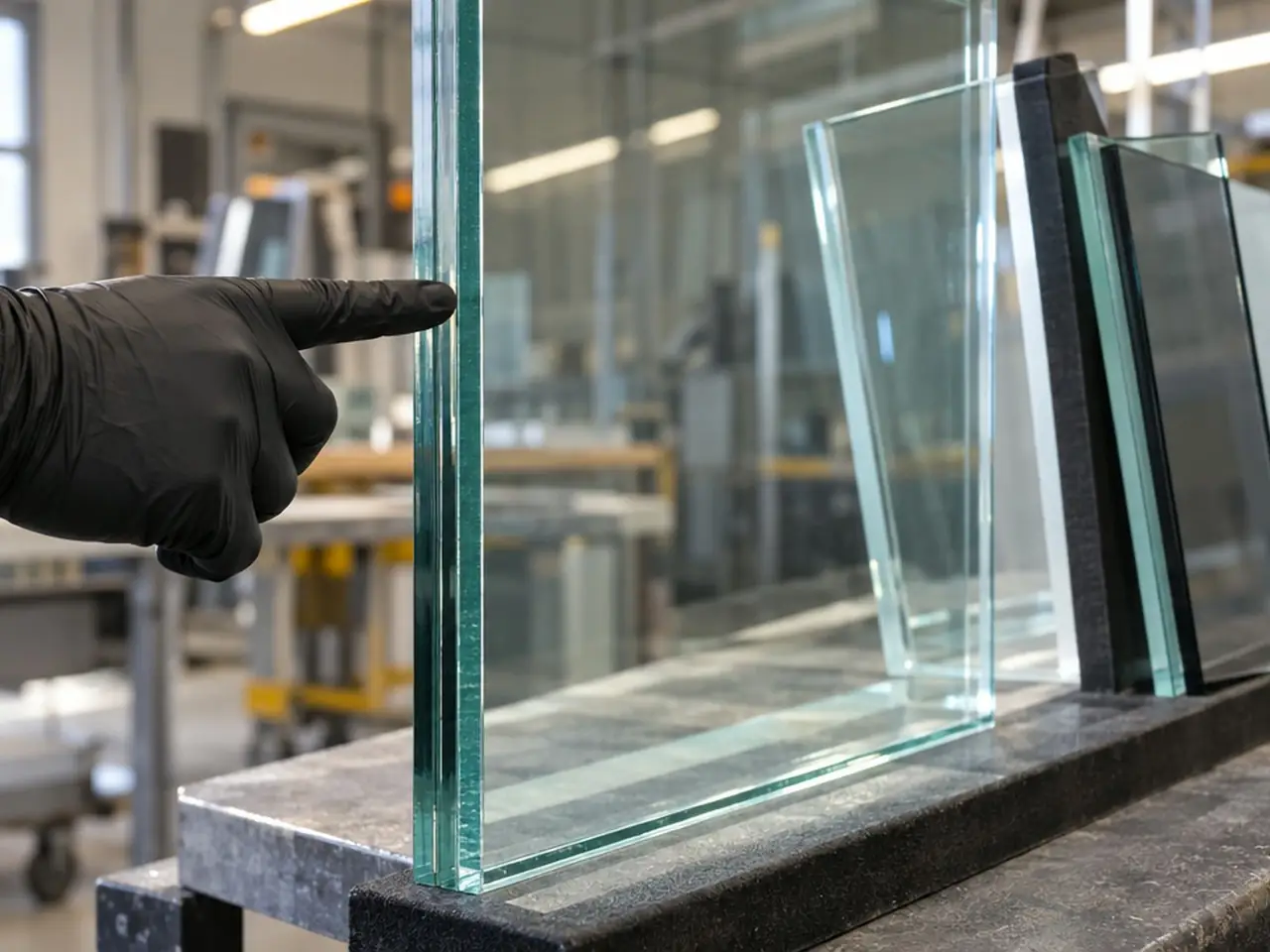
Film choice on insulated glass is a glass-compatibility question as well as an HOA question. Some glass types carry a risk of thermal stress, and some window warranties limit film.
Confirm with the window or glass maker before choosing a film, whatever the HOA says.
Are HOAs the only rules to check?
No. Local codes, rental agreements and window warranties can also matter. Installers should confirm what applies to the property before work starts.
How can a shop support residential film jobs?
Glacier sells to shops, installers and dealers, not to homeowners. Shops that do residential work can ask a Glacier rep about samples and spec sheets for the film lines they offer. Glacier ships nationwide. This guide makes no claim about how any specific Glacier film looks or performs; check the spec table and a sample.
This guide covers the approval side of residential film; choose How to choose privacy window film instead when the real question is frosted versus gradient or patterned looks, and Glass types and film compatibility questions when the glass itself is the open issue.
For related reading, see automotive window film rolls and what film a tint shop should carry.
In this guide
- What do HOAs usually review about window film?
- What does "low-reflective" mean?
- How do residential film looks compare for HOA purposes?
- Does low-reflective mean light or clear?
- How do I check my HOA's rules before installing film?
- What should an installer do on HOA jobs?
- Why do homeowners ask about low-reflective film?
- What should a homeowner do before calling an installer?
- What if the HOA says no?
- What about double-pane windows?
- Are HOAs the only rules to check?
- How can a shop support residential film jobs?
Quick answers
12 questions. Select one to open it.
Is low-reflective window film allowed by my HOA?
It depends on your community's rules. Read the governing documents and ask the board or architectural committee, and get any approval in writing before installing.
What window film is HOA approved?
No film is approved everywhere, because each HOA writes its own rules. Show the board a sample and the spec sheet and ask for written approval.
What is the difference between reflective and low-reflective window film?
Reflective film can look mirror-like from outside in sunlight. Low-reflective film looks closer to plain glass. Reflectivity is separate from darkness and from heat or glare control.
Does low-reflective film still reduce heat and glare?
Performance depends on the specific film. Compare spec sheets at the same shade rather than assuming the look from outside tells you the performance.
Do I need HOA approval for clear window film?
Some HOAs treat any film as an exterior change, and others do not. Ask your HOA before installing.
Can an HOA make me remove window film?
That depends on your governing documents and local law. Ask a lawyer or your HOA about your situation.
Does window film affect my window warranty?
It can. Some window and glass makers limit coverage when film is applied. Check the warranty and ask the maker before installing.
Is frosted or privacy film an HOA issue?
It can be, because it changes how the window looks from the street. Check your rules and ask before installing.
Can homeowners buy window film directly from Glacier?
No. Glacier sells to shops, installers and dealers. A professional installer can supply and install film for a home.
What should an installer ask a homeowner in an HOA?
Ask whether the home is in an HOA, whether approval is required and whether the customer has it in writing. Bring samples and the spec sheet for the board.
Should I photograph the film sample on the glass for the HOA board?
Photos taken outside in daylight, from the street and at an angle, show the board what a spec table cannot. Label each photo with the window and the film code, and attach them to the written request so the approval refers to what was shown.
Do back-yard windows face the same HOA review as street-facing windows?
It depends on how the community words its rules. Many reviews focus on what is visible from the street, but some cover every exterior change. Ask the board or committee which windows are covered and get the answer in writing.
Install residential window film? Apply for a wholesale account.