How to quote a PPF job
To quote a PPF job, fix the scope first: coverage level, finish and the panels included. Then inspect the vehicle and its paint, decide how edges and seams will be handled, write it all on an estimate and give aftercare in writing. Glacier supplies Iceberg gloss clear and Blizzard satin PPF rolls to installers.
What is the first step in quoting a PPF job?
Settle the scope before anything else, using the named coverage levels in the coverage guide (/resources/how-to-choose-ppf-coverage-for-a-shop-to-quote/).
What should I check on the vehicle before quoting?
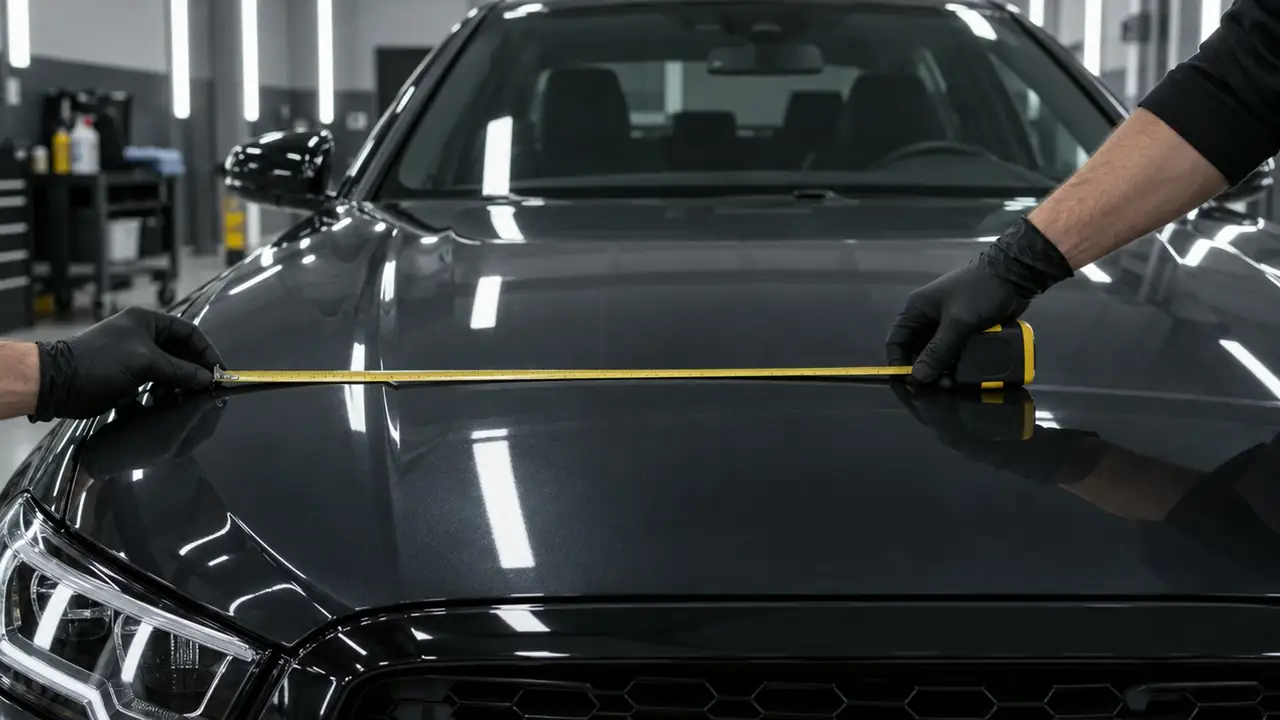
Look at the car in daylight and under bay lights before you commit to anything. What you find changes the scope, so record it.
| What you see | Why it matters on the quote |
|---|---|
| Chips and scratches | Film does not remove them; tell the owner what will still show |
| Repainted or repaired panels | Ask the owner; repainted paint may not hold film the way factory paint does |
| Peeling or damaged clear layer | Weak or repainted paint can be pulled up when film is removed, so decide with the owner whether to proceed |
| Dirt and bonded contamination | Decides how much prep the panel needs |
| Trim, badges and sensors | Parts that must come off or be worked around |
| Aftermarket parts | Confirm what the owner wants filmed |
How do I choose the finish to quote?
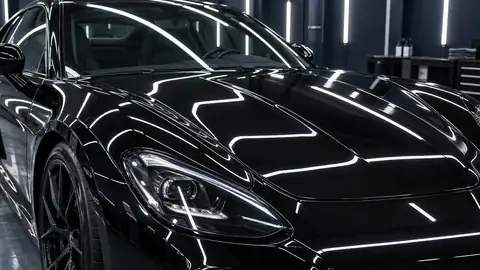
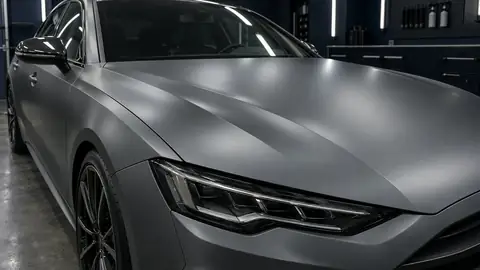
Finish is a scope decision, not a detail. Iceberg is gloss clear PPF that keeps the factory look. Blizzard is satin PPF that gives glossy paint a satin look. Finish names are not standardized across the industry, so show the customer a sample on a real panel in daylight.
| Customer wants | Quote this finish | Glacier line |
|---|---|---|
| The paint to look as it came | Gloss clear | Iceberg |
| A satin look over glossy paint | Satin | Blizzard |
| Windshield protection added to a paint job | Quote it as its own line, not as a finish | Glacier Guard |
How do I decide on edges, seams and wraps?
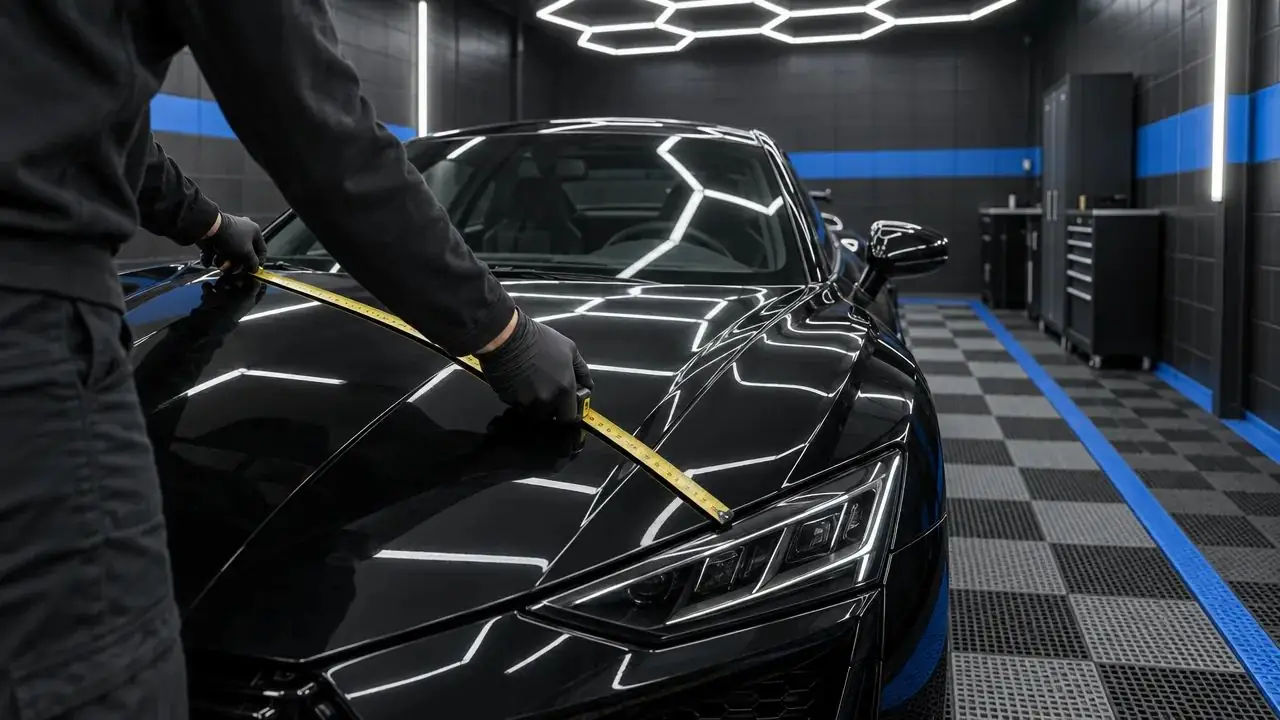
Decide edge treatment before you cut, then write the decision down. These are general good-practice questions, not a Glacier procedure.
- Where will each panel end: on a trim line, a panel gap or the panel edge?
- Will the film wrap an edge, or stop short of it?
- Does a large or complex panel need a seam, and where will it fall?
- Which edges will be visible up close, and has the customer seen them on the car?
- Are there trim pieces to remove so an edge can tuck cleanly?
- Do not promise there will be no seams or visible edges unless you are sure.
What goes on a written PPF estimate?
Write it so a stranger could read it and know exactly what was agreed. Your own number and booking details come from your own costs and process, so they are not set out here.
| Item | Why it belongs |
|---|---|
| Make, model and trim | Ties the quote to one vehicle |
| Coverage level and named panels | Prevents disputes about what was included |
| Finish and film line | Records the look the customer chose |
| Add-ons | Shows extras as separate lines |
| Existing paint issues | Records what was there before the film |
| Edge and seam approach | Sets expectations for visible edges |
| What is not included | Closes the gaps where scope creeps |
| What could change the quote | Names what you will stop and discuss |
| Customer sign-off | Records the agreement before you cut |
What do I tell the customer about aftercare?
Bring it up at the quote, not at pickup. Give it in writing and use your own care card. The PPF aftercare page is a hand-out you can adapt.
- Tell the customer in writing when it is safe to wash for the first time.
- Hand wash with soft mitts and a pH-neutral soap.
- Keep pressure washer spray at a distance and away from edges.
- Remove bird droppings and bug residue promptly.
- Tell the customer to ask you before using any new product, especially on Blizzard satin film.
- Film is a protective layer that wears; it does not make paint damage-proof.
How do I avoid scope creep on a PPF job?
Scope creep is extra work that never made it onto the estimate. A few habits stop it.
- Quote panels by name, not by phrases like "the front".
- List what is not included on the same page.
- Photograph the car with the customer before you start.
- Write every change on the estimate before you act on it.
- If prep reveals new damage, stop and talk before you go on.
- Keep one decision-maker per job and get sign-off before cutting.
Which Glacier products go on a PPF quote?
Glacier supplies Iceberg, Blizzard and Glacier Guard as rolls, plus installation tools and Jaguar cutting plotters, to installers, tint shops, detailers and dealers. Sales reps provide samples. Ask your Glacier rep what product information is available. Apply for a wholesale account, and a Glacier rep will follow up.
In this guide
- What is the first step in quoting a PPF job?
- What should I check on the vehicle before quoting?
- How do I choose the finish to quote?
- How do I decide on edges, seams and wraps?
- What goes on a written PPF estimate?
- What do I tell the customer about aftercare?
- How do I avoid scope creep on a PPF job?
- Which Glacier products go on a PPF quote?
Quick answers
10 questions. Select one to open it.
How do I quote a PPF job?
Fix the scope first, meaning coverage level, finish and the panels included. Inspect the vehicle and its paint, decide on edges and seams, then put all of it on a written estimate with a list of what is not included.
Can this guide tell me what to charge for PPF?
No. Charges come from each shop's own costs and process, so this guide gives no numbers. What it covers is how to define the scope so your own number is tied to a clear list of panels, finish and conditions.
Should I quote by panel or by package?
Most shops sell named coverage levels such as partial front, full front, high-impact areas and full body, with add-ons as separate lines. Panels are named inside each level so everyone knows what is filmed.
Do I need to see the car before quoting?
It is the safest way. Condition, previous repairs and trim matter. If you must quote remotely, say that the quote is provisional until you inspect the paint, and write down what could change it.
What should I do about existing paint damage?
Record it, show it to the customer and write it on the estimate. Film does not remove chips or scratches. If the paint looks weak or repainted, decide with the owner whether to go ahead.
How do I choose between gloss and satin PPF to quote?
Go by what the customer wants. Iceberg is gloss clear for an unchanged look. Blizzard is satin for a satin look over glossy paint. Show a sample on a real panel before the customer decides.
What should a PPF estimate say about edges and seams?
Say where panels end, whether edges are wrapped or stopped short and whether large panels need a seam. Tell the customer that edges can be visible up close, and note it on the estimate.
What belongs on the not-included list?
Any panel, add-on or service you are not doing: for example an unfilmed panel, prior damage repair or windshield film. Writing it down prevents disputes at pickup.
How should I explain aftercare when quoting?
Tell the customer you will give written care instructions, including when it is safe to first wash and what to avoid near edges. The PPF aftercare page is a hand-out you can adapt.
How do I stop customers adding work mid-job?
Write every change on the estimate before you act on it. If something new appears at prep, stop and talk to the customer, and keep one decision-maker who signs off before you cut.
Ready to quote PPF jobs? Request a quote.