
1 Inch Scraper Handle
Handle for 1-inch blades
1 Inch Scraper Handle
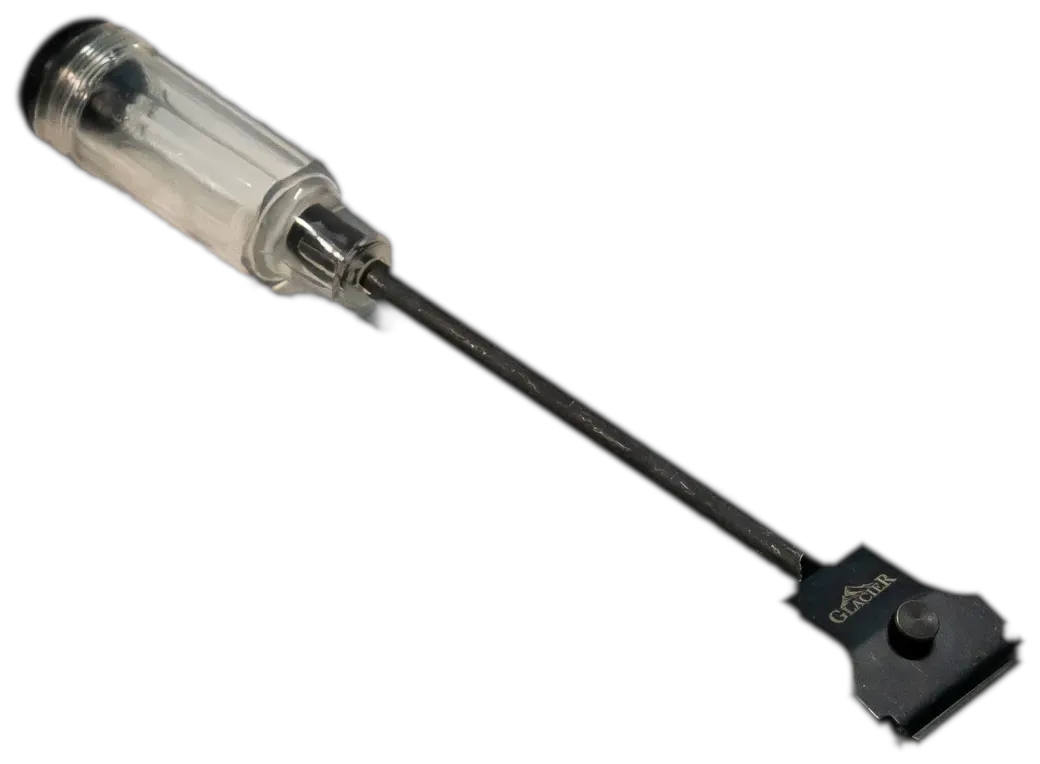
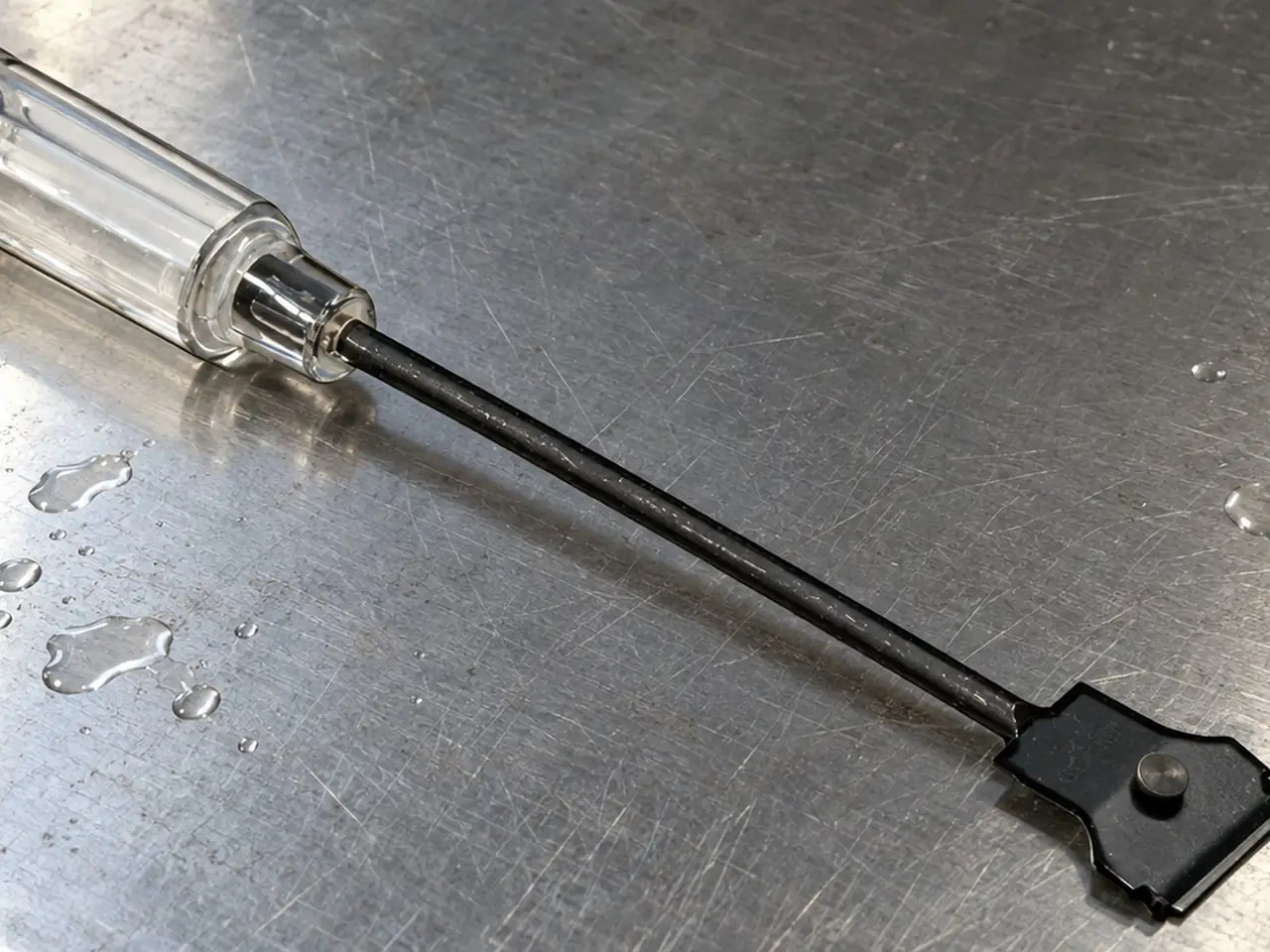
The 1 Inch Scraper Handle is a handle that holds 1-inch scraper blades. It has a clear grip and a long black shaft ending in a small head. One handle takes either of Glacier's 1-inch blade types, steel or plastic.
How installers use it
- Seat a 1-inch blade in the head and make sure it is held firmly before you start.
- Choose a plastic blade where a metal edge could scratch, such as coated or tinted glass.
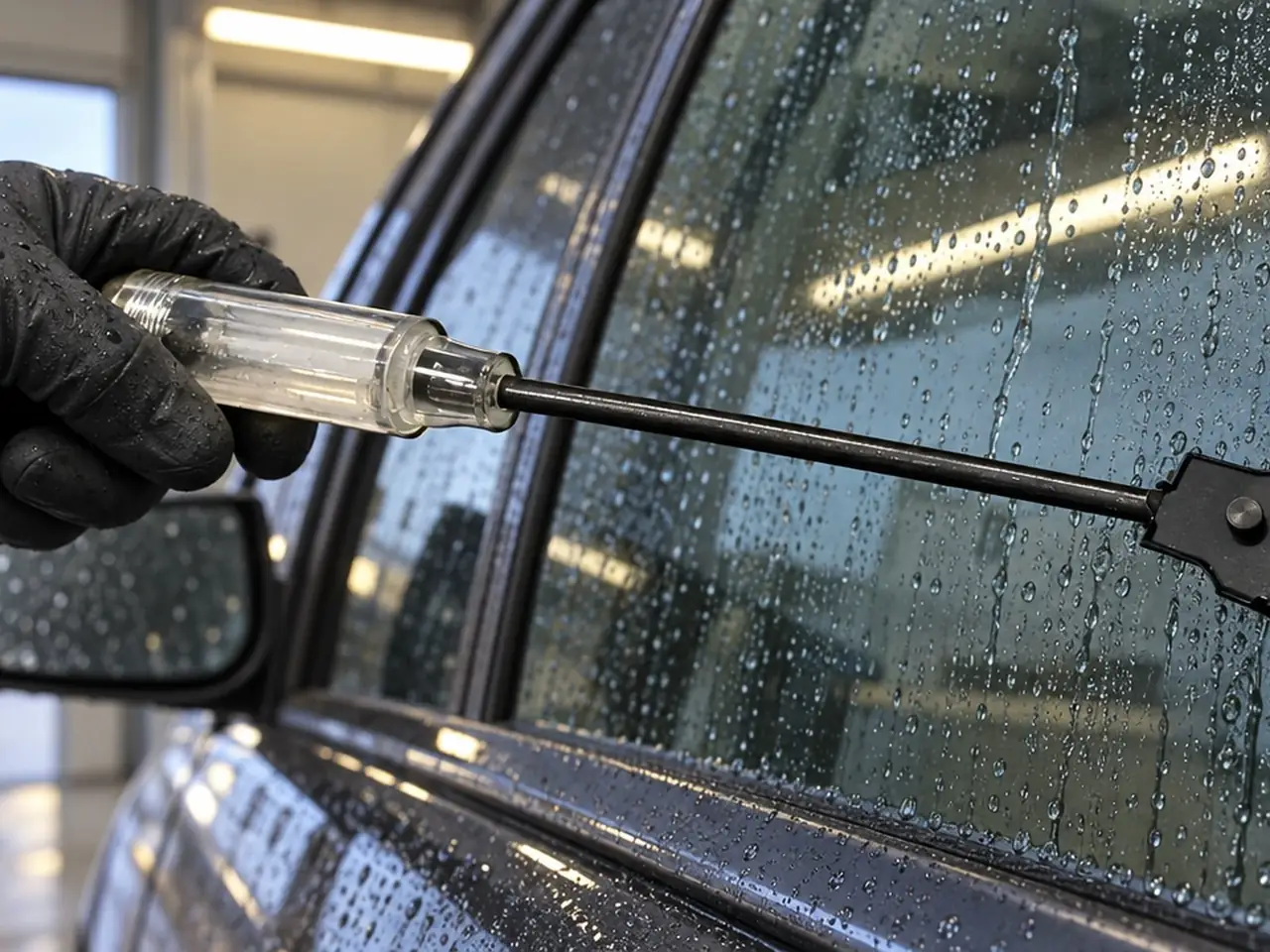
- Hold the blade at a shallow angle to the glass.
- Handle the exposed blade with care, since the edge is sharp, and replace it once it is dull.
Why shops like it
A single handle that accepts both steel and plastic 1-inch blades means a shop can choose the edge to suit each surface without carrying two sets of handles.
One handle with two blade choices means the decision moves from the toolbox to the blade box. A shop can keep a pack of each type and load whichever suits the glass in front of it. Seat the blade and tug it lightly to confirm it holds before the first pass. Spent blades belong in the Blade Disposal Container, not loose on a tray where an exposed edge can catch a hand.
At a glance
- Type
- scraper handle
- Takes
- 1-inch blades (steel or plastic)
- Grip
- clear
- Shaft
- long, black, with a small head

Pairs with
Next to the Long 4 Inch Scraper and the 8 Inch Big Mouth Handle, which offer wider working widths, this handle is the small-blade option that takes either steel or plastic 1-inch blades.
Why use the 1 Inch Scraper Handle?
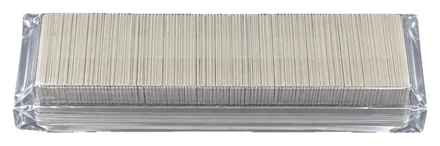
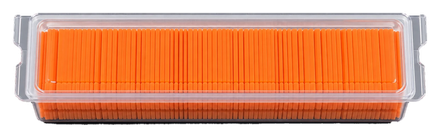
One handle, two blade options: Glacier's 1 Inch Scraper Blades for general use, and the 1 Inch Plastic Scraper Blades, described as safer than steel on coated or tinted glass.
- Takes 1-inch standard or plastic blades.
- Blades are sold in 100-packs.
- Supplied by Glacier to tint and PPF shops.
How do you use the 1 Inch Scraper Handle?
- 1. Choose the blade: standard or plastic.
- 2. Load it and confirm it is held firmly.
- 3. Wet the surface and scrape in short controlled passes with your free hand clear.
- 4. Swap the blade at the first sign of dragging.
- 5. Put spent blades in a container made for them and follow local disposal rules.
The long black shaft lets you choose where to hold. Grip toward the back and the free hand and fingers stay well away from the exposed blade while the small head works a small area. Keep the blade at a shallow angle and push in short passes rather than bearing down. On tinted glass, use a plastic blade and keep the standard steel blade off it, since the plastic edge is the gentler choice.

Who buys the 1 Inch Scraper Handle?
- Tint shops doing detail scraping.
- Installers prepping edges and small areas.
- Shop managers stocking blade packs.
- Dealers supplying consumables.
How does the 1 Inch Scraper Handle compare with other Glacier scrapers?
| Item | Blade size | Notes |
|---|---|---|
| 1 Inch Scraper Handle | 1 inch | Pairs with 1 Inch Scraper Blades or 1 Inch Plastic Scraper Blades |
| Long / Short 4 Inch Scraper | 4 inch | Wider working width |
| 8 Inch Big Mouth Handle | 8 inch | Widest option |
Where do shops get it?
Glacier serves shops and installers across the US; ask your Glacier rep about availability. Request a quote for 1 Inch Scraper Handle. Glacier sells to shops, installers and dealers, not to drivers or homeowners directly.
Related guides on this site include how tint shops choose squeegees, blades and hard cards, tool sets for window tint and flat glass film, how to prep glass for tint and the tint shop equipment checklist.
Keep exploring
Guides
Quick answers
Which blades fit this handle?
It takes 1-inch blades, including Glacier's 1 Inch Scraper Blades and 1 Inch Plastic Scraper Blades.
Why keep plastic blades on hand?
Plastic blades are sold for surfaces that a metal edge could scratch, so a shop can choose the blade by the job.
How are the 1-inch blades sold?
Blades are sold in 100-packs. The 1 Inch Scraper Handle takes either Glacier's standard 1-inch blades or its 1 Inch Plastic Scraper Blades, so a shop can choose the edge to suit each surface.
How do I confirm a 1-inch blade is seated before scraping?
Load it in the head, then give it a light tug with the edge pointed away from you. It should not shift. A blade that moves in the head will chatter on the glass and is a hazard to the hand holding the shaft.
How do I know it is time to change the blade?
Change it when the blade starts dragging instead of gliding, even on wet glass. A dull edge needs more pressure to do the same work, and more pressure is how glass and film get marked.