
Bulldozer: wide plastic scraper for film and adhesive
Wide plastic scraper
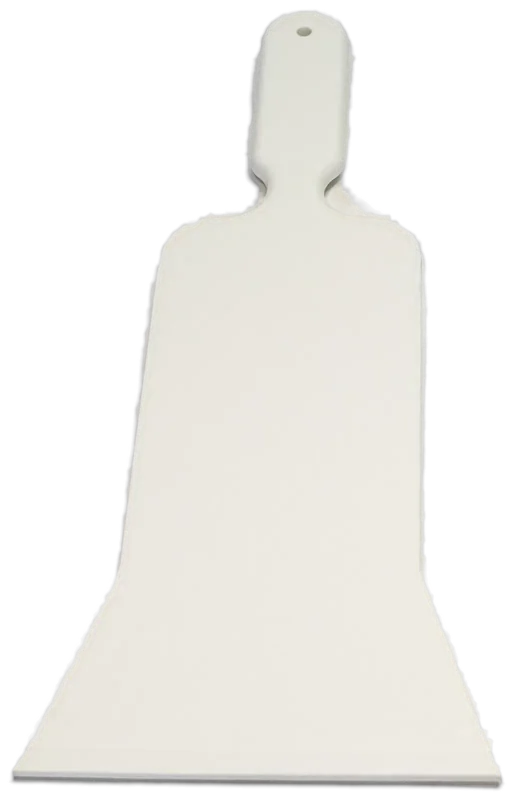
Bulldozer
The Bulldozer is a wide plastic scraper for clearing film and adhesive off glass, with more coverage per pass than a standard scraper blade. Glacier supplies it to tint removal crews, tint shops and detailers who buy wholesale. It suits open glass rather than edges and trim.
How installers use it
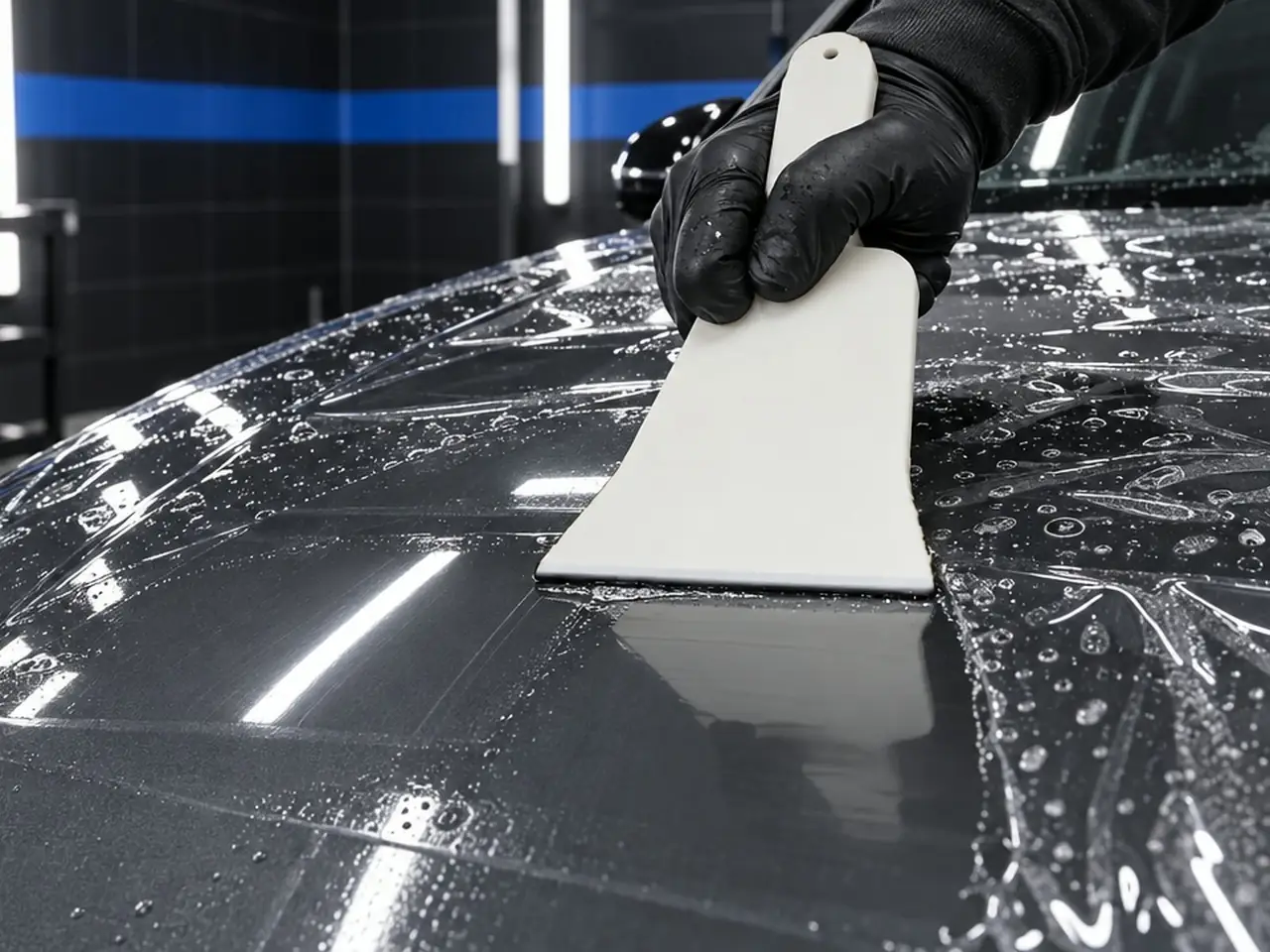
- Wet the glass with solution so the edge can glide.
- Lay the wide edge on the glass and push in steady passes.
- Wipe off the residue and repeat on stubborn areas.
- Keep the edge clean so grit is not dragged across the glass, then rinse and store the tool.
Why shops like it
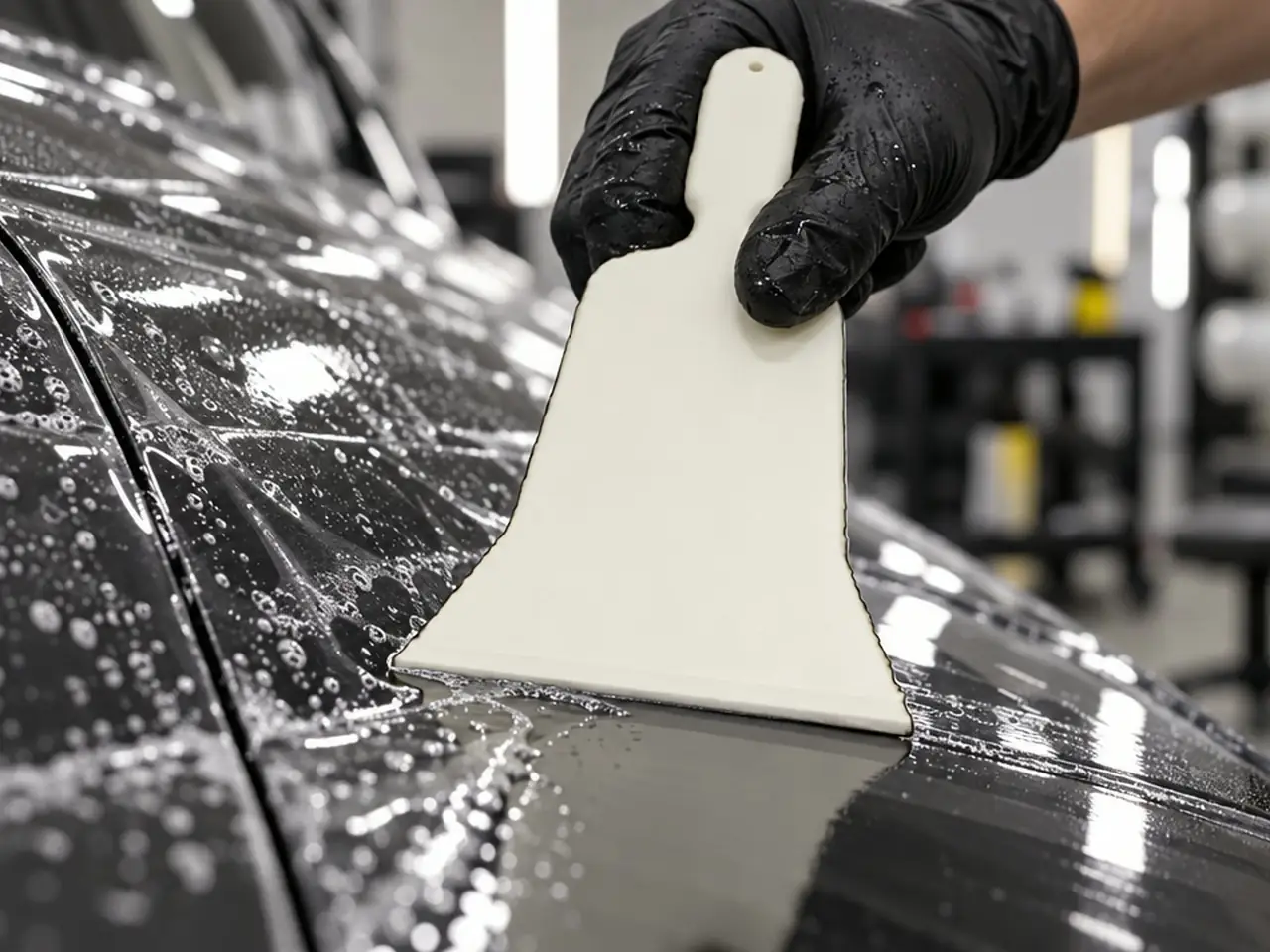
A wide edge covers more open glass in each pass. Narrower tools such as the Slim Foot or Corner Reach Triangle handle the edges and tight corners.
At a glance
- Type
- wide plastic scraper
- Use
- clearing film and adhesive from open glass
- Photo colors
- white
Pairs with
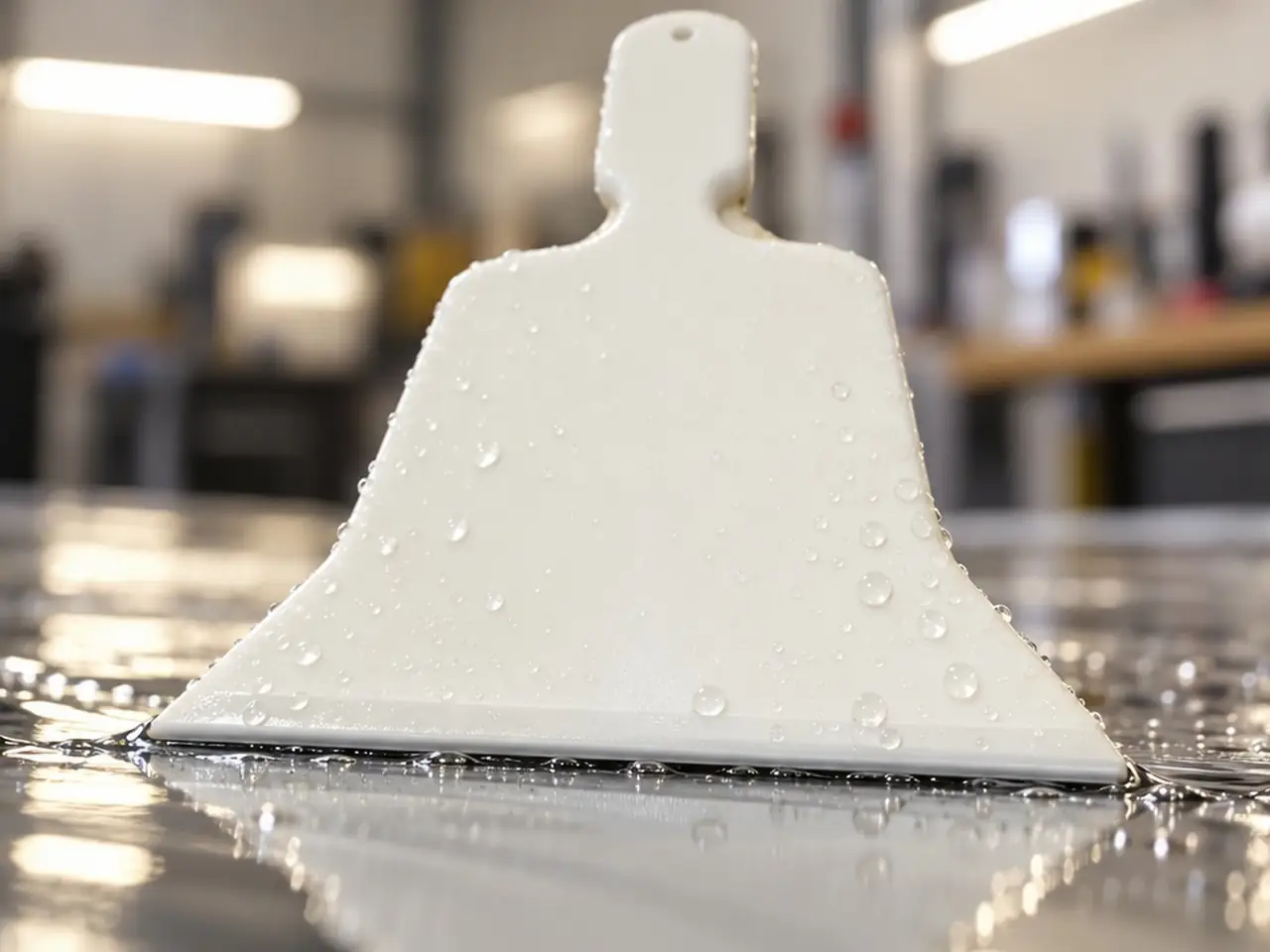
Where the Gator is flexible and the Conqueror is rigid, the Bulldozer is the one built around width and coverage on open glass.
Why use the Bulldozer?
The Bulldozer is a wide plastic scraper with more coverage per pass than a standard scraper blade, for clearing film and adhesive off glass.
A wide tool suits open glass; for edges and trim, a narrower tool such as the Slim Foot or Corner Reach Triangle fits better. Ask your rep for blade width.
Width is the whole story with the Bulldozer, and it is also its limit. A broad edge cannot turn a tight corner, so plan the job in two stages. Clear the field of the glass with the Bulldozer, then switch to the Slim Foot or Corner Reach Triangle for the border. That order keeps the large tool away from trim and spares the narrow tools glass that a wider edge clears in far fewer strokes.
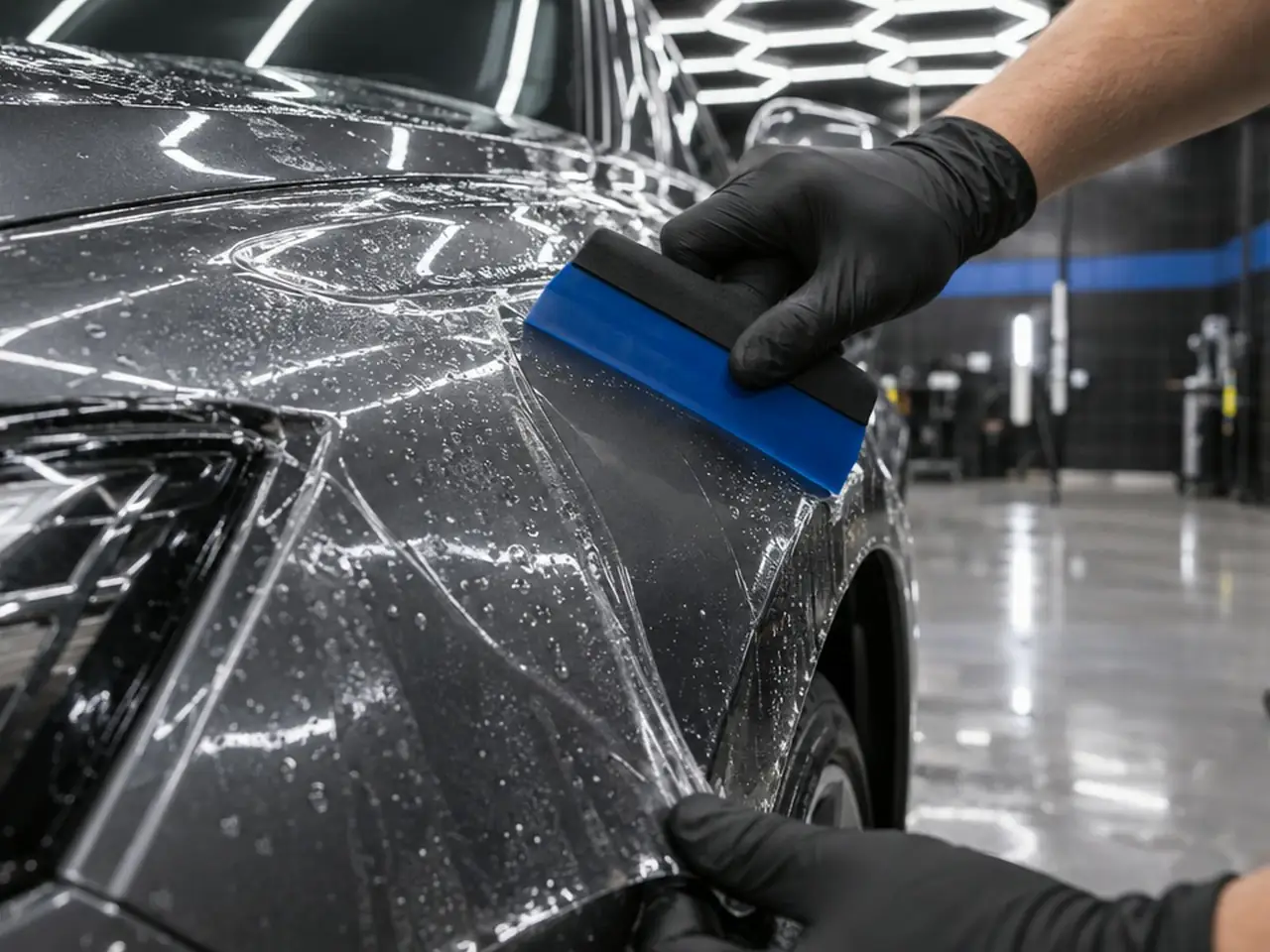
How do you use the Bulldozer?
- Wet the glass with solution.
- Lay the wide edge on the glass.
- Push in steady passes.
- Wipe the residue.
- Repeat on stubborn areas.
- Rinse and store.
Who buys the Bulldozer?
- Tint shops doing removal
- Mobile removal crews
- Detailers
- Fleet outfitters
On a large rear window, the Bulldozer earns its width. Start at one side and overlap each pass slightly so no strip of adhesive is left between strokes, moving the same way each time. Keep the plastic edge flat against the glass and the solution flowing, because a dry pass drags and a dry, gritty pass is how scratches start. Stop short of the perimeter, where defroster lines and gasket sit, and leave that margin for a smaller tool.
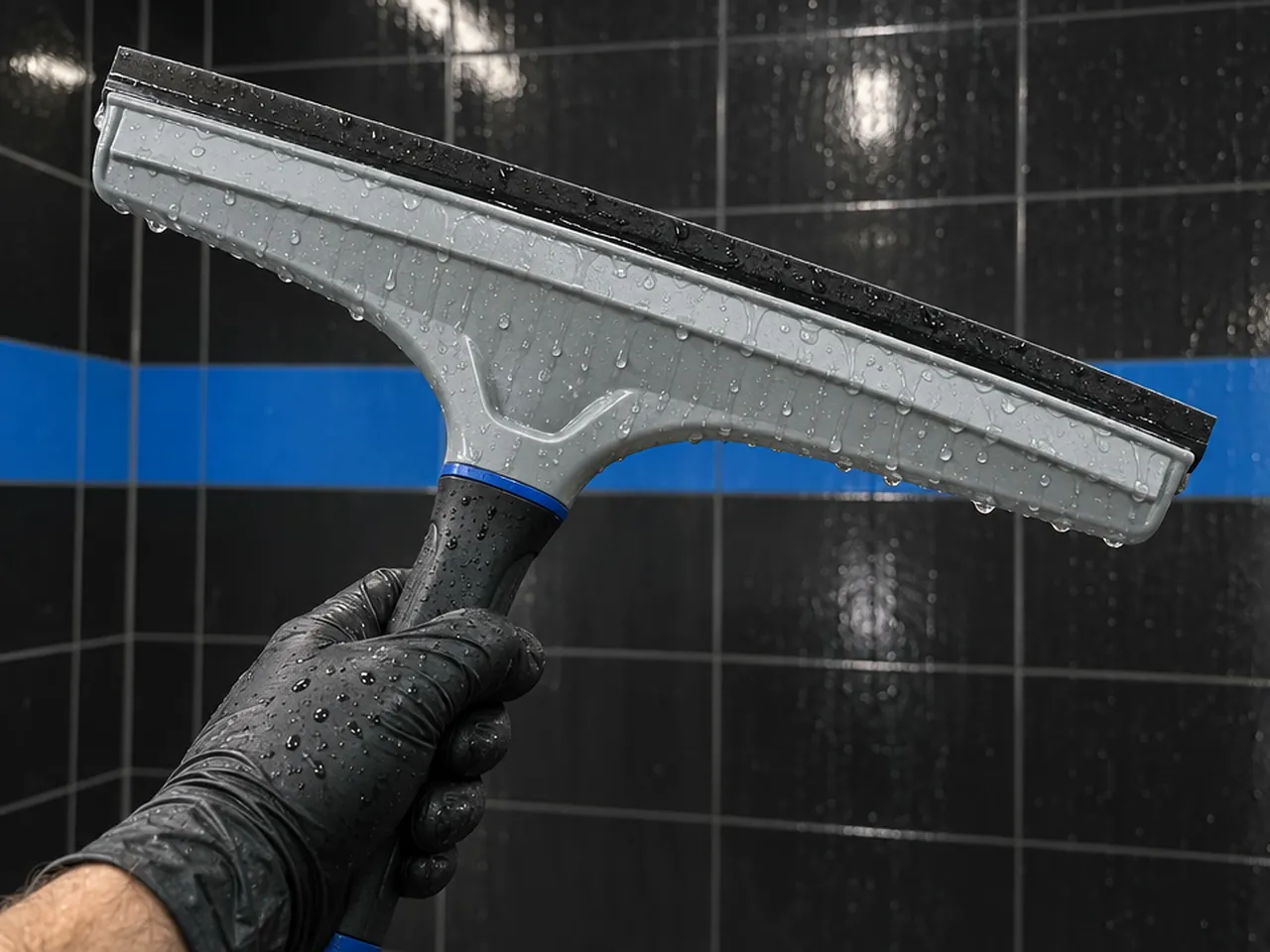
How does the Bulldozer compare with other Glacier tools?
Bulldozer is wide and plastic; Conqueror is rigid; Gator is flexible.
| Tool | Shape or format | What it is for |
|---|---|---|
| Bulldozer | Wide plastic scraper | More coverage per pass |
| Conqueror | Rigid scraper | Tint and adhesive removal |
| Gator | Flexible plastic scraper | Glass and paint-safe scraping |
Does Glacier supply Bulldozer to shops across the US?
Glacier serves shops and installers across the US. Ask your Glacier rep about availability and how to set up a wholesale account.
Related guides on this site include how tint shops choose squeegees, blades and hard cards, tool sets for window tint and flat glass film, how to prep glass for tint and the tint shop equipment checklist.
Keep exploring
Related products

Guides
Quick answers
What is the Bulldozer for?
Clearing film and adhesive off glass. Its wide plastic edge gives more coverage per pass than a standard scraper blade.
When is a wide scraper the wrong choice?
Near edges and tight corners, where a narrower tool such as the Slim Foot or Corner Reach Triangle fits better.
Bulldozer or Conqueror?
The Bulldozer is wide and plastic. The Conqueror is a rigid edge built for removal.
Why does the Bulldozer leave streaks of adhesive between passes?
Usually the passes do not overlap or the glass has dried. Wet the glass again, overlap each stroke slightly, and keep the edge clean so residue is not smeared back across the pane. Stubborn spots can be repeated or finished with the Conqueror.
What should I check on the Bulldozer edge before each window?
Look for grit, dried adhesive or nicks along the plastic edge. A dirty edge drags debris across the glass, so wipe it clean and rinse it. If the edge no longer sits flat on the pane, it is time for a different tool.