
PPF Squeegee — Round Corner
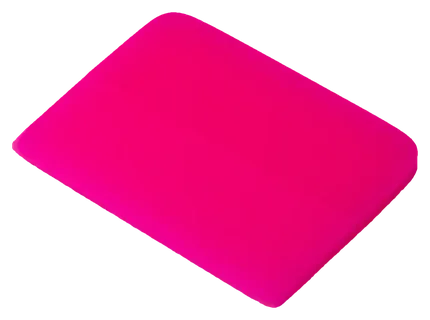
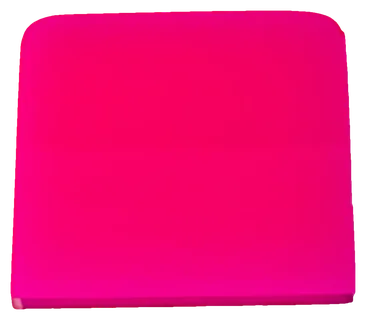
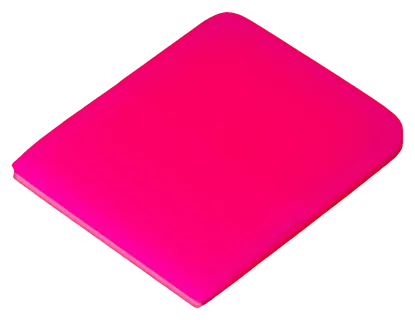
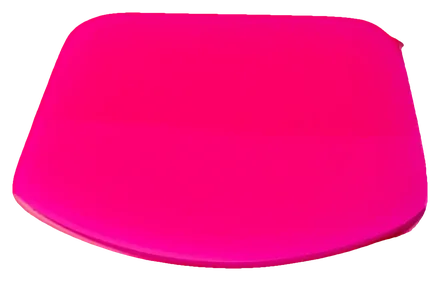
PPF contour squeegee with a rounded corner
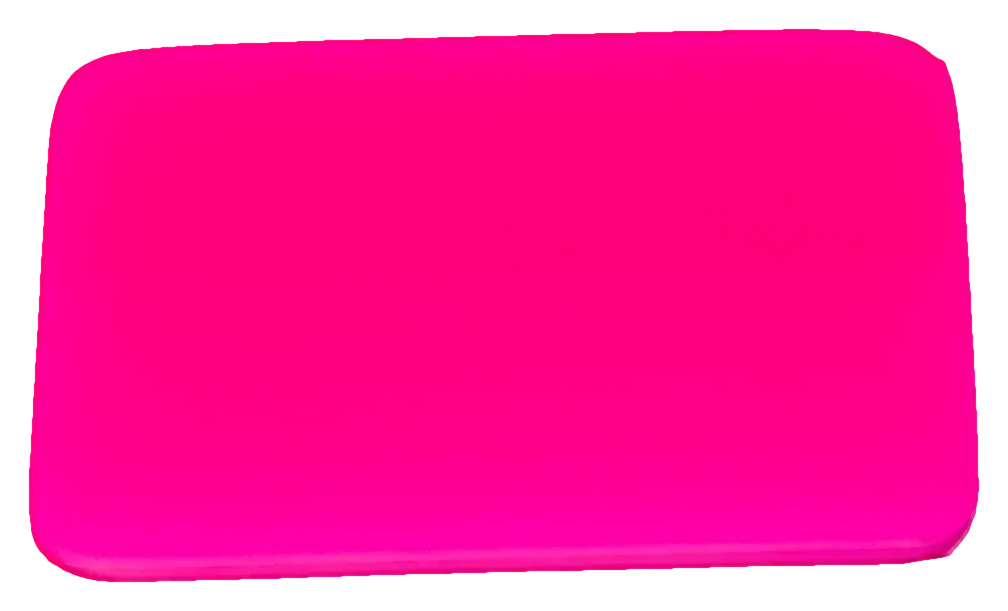
PPF Squeegee — Round Corner
The Round Corner PPF squeegee is a pink contour squeegee with a rounded corner, shaped for curved trim lines without a sharp edge catching the film. It is one of six shaped squeegees Glacier supplies for PPF installers. Rounded-corner squeegees are generally used on curved or uneven surfaces.
How installers use it
- Keep the top of the film wet with slip solution so the squeegee glides.
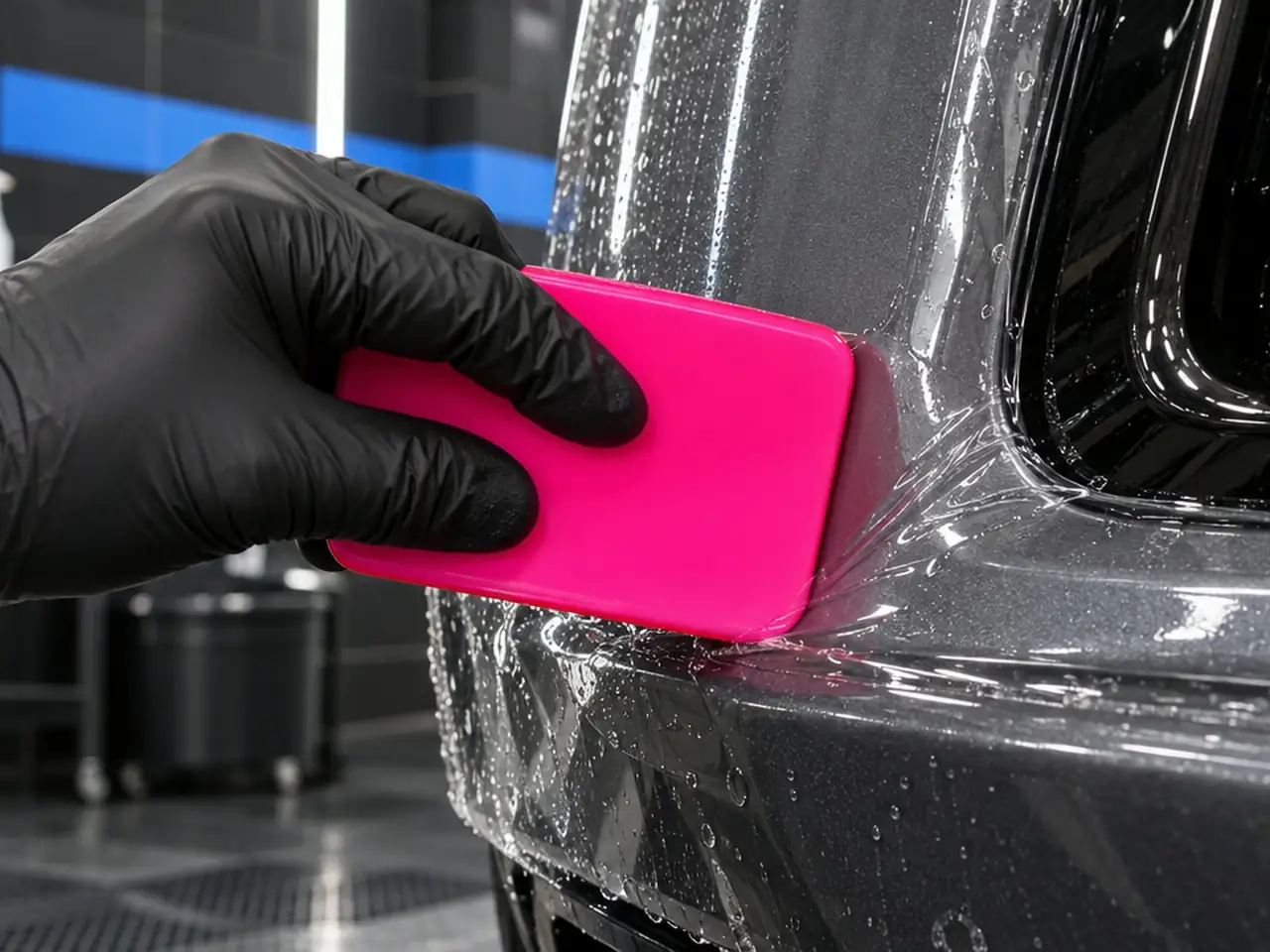
- Lead with the rounded corner along curved trim lines and edges.
- Keep strokes smooth and steady so the corner follows the curve.
- Switch to Angled for lines that meet at an angle.
Hold Round Corner so the rounded corner, not the straight edge, leads into a curve. The pink squeegee follows a curved trim line because no sharp point is there to catch the film, so it moves through valleys and edges that a sharp-cornered tool would snag. Keep the film wet, use smooth, steady strokes and let the corner ride the curve instead of forcing it. Pressure should stay even from start to finish, since a sudden push can trap solution against an edge.
Why shops like it
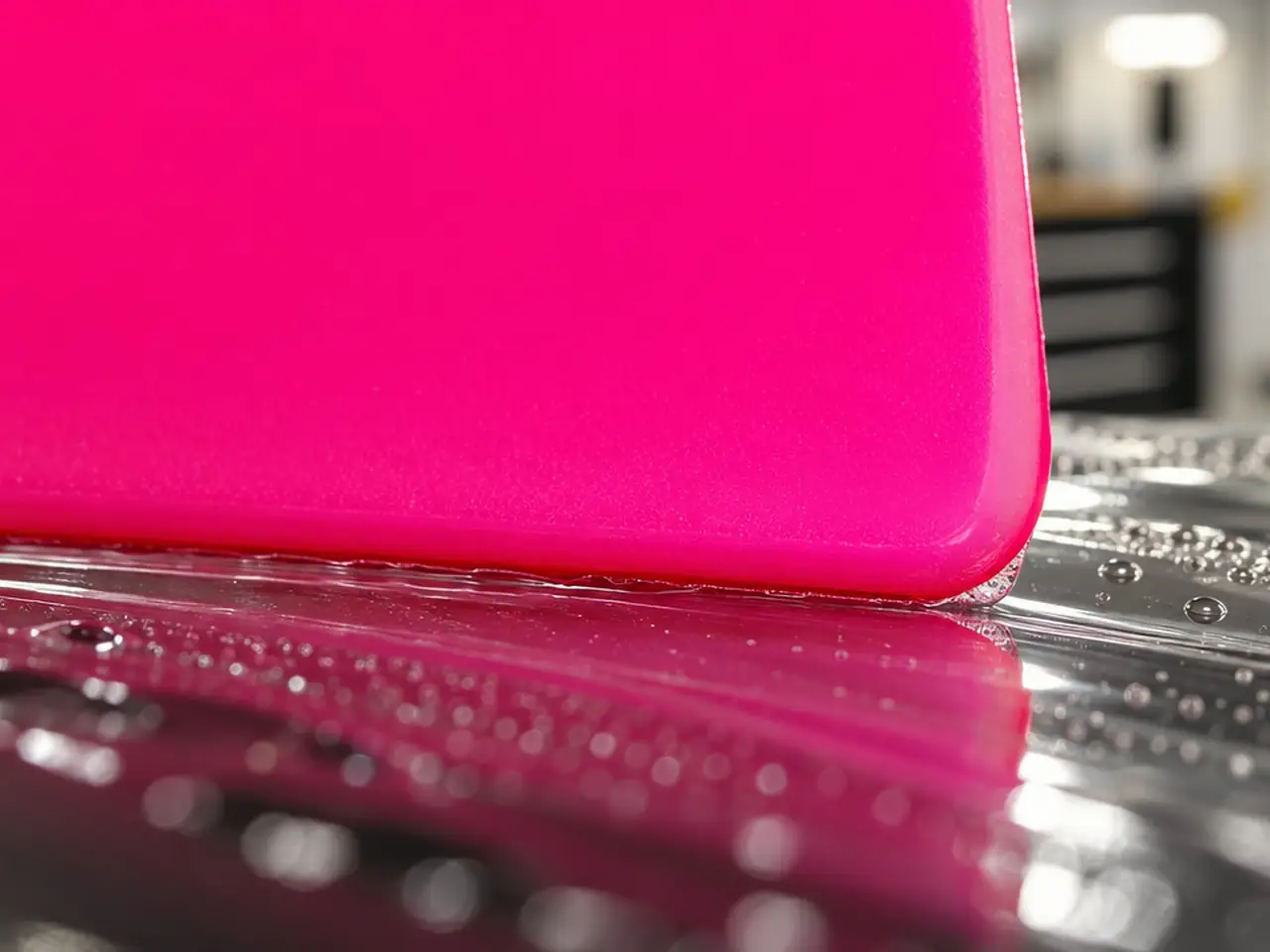
The rounded corner follows a curve without a sharp point to snag the film. That makes it a natural pick for edges and valleys that a sharp-cornered tool could catch on. Overlap your strokes so no strip of film is skipped.
Know where it stops being the right tool. Round Corner shines on curves, so when a line turns at an angle, switch to Angled, and when a section bows across a wider contour, Sector covers it better. Small is the answer for narrow detail where even this corner is too large. Changing shape as the panel changes keeps the film pressed where it should be. Treat the shape as a cue for the next move, and set the tool down as soon as the line stops curving.
At a glance
- Type
- PPF contour squeegee
- Shape
- rounded corner
- Color
- pink
- Use
- curved trim lines, work where a sharp corner could catch the film
Pairs with
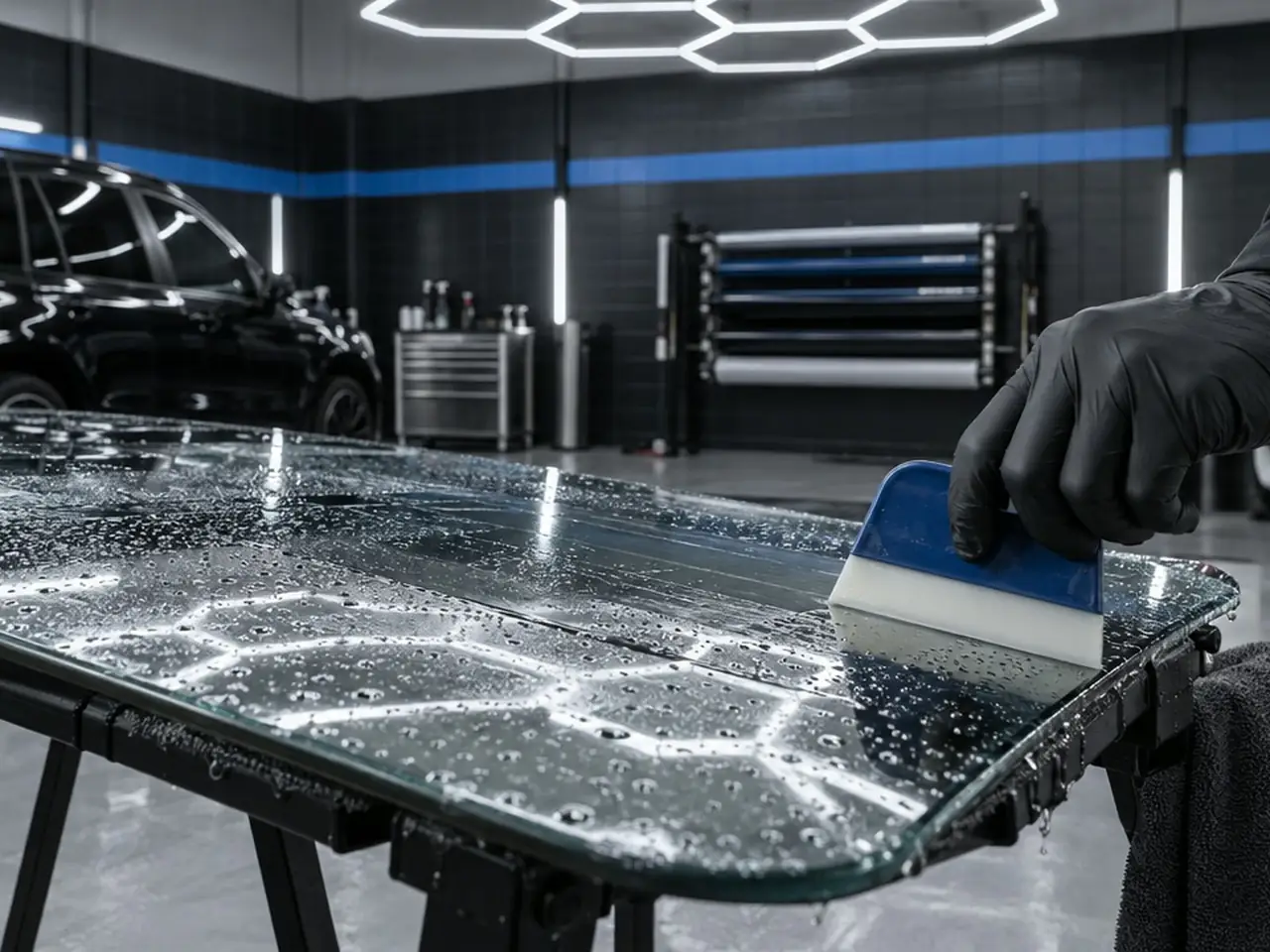
PPF Squeegee Angled is shaped for angled trim lines and panel edges, while Round Corner is built for curved trim lines where a sharp edge could catch the film.
About the PPF Squeegee — Round Corner
A PPF contour squeegee with a rounded corner — one of the shaped squeegees Glacier supplies for PPF installers.
Why does PPF need its own squeegees?
PPF follows curved painted panels, so installers use shaped tools rather than a flat glass blade. Glacier supplies each of these as a shaped contour squeegee for PPF installers, in sizes from detail work to full panels.

How do you use a PPF squeegee?
- Clean and decontaminate the panel before film goes on.
- Wet the panel and film with your slip solution.
- Start in the center with the larger squeegee.
- Work toward the edges in overlapping strokes.
- Switch to a smaller or shaped squeegee for curves and edges.
- Check for trapped solution and finish edges per your process.
Who buys PPF squeegees?
- PPF installers building a full tool roll
- Tint shops adding PPF
- Detailers moving into paint protection
- Fleet and dealership outfitters

Which PPF squeegee for which job?
Match size and shape to the panel. Glacier describes each squeegee as follows:
| Squeegee | Shape or size | What it is for |
|---|---|---|
| Large | Panel-size blade | Sized for full-panel PPF work |
| Medium | Mid-size blade | Between the Small and Large |
| Small | Compact | Detail work a full-panel squeegee can't reach |
| Angled | Angled edge | Angled trim lines and panel edges |
| Round Corner | Rounded corner | Curved trim lines without a sharp edge catching film |
| Sector | Sector shape | Curved edge for contoured panel sections |
Does Glacier supply PPF squeegees to shops across the US?
Glacier serves shops and installers across the US. Ask your Glacier rep about availability and how to set up a wholesale account.
Shops working on this topic also use how tint shops choose squeegees, blades and hard cards, tool sets for window tint and flat glass film, how to prep glass for tint and the tint shop equipment checklist.
Keep exploring


Guides
Related products.


Quick answers
Why choose a rounded corner?
It follows curves smoothly instead of a sharp corner catching the film.
Where is it used?
On curved trim lines, edges and uneven surfaces.
When should you switch from Round Corner to Angled?
Switch to Angled for lines that meet at an angle. Round Corner suits curved trim lines, edges and uneven surfaces, where its rounded corner follows the curve without a sharp point to snag the film. Keep strokes smooth and steady, and overlap them.
Which stroke suits a curved trim line?
Use a smooth, steady stroke that lets the rounded corner follow the curve, with the film wet and each pass overlapping the last. Avoid stabbing the corner into the line. Short, even travel keeps the film from being snagged or skipped.