
Teflon Slip Tape, Thick
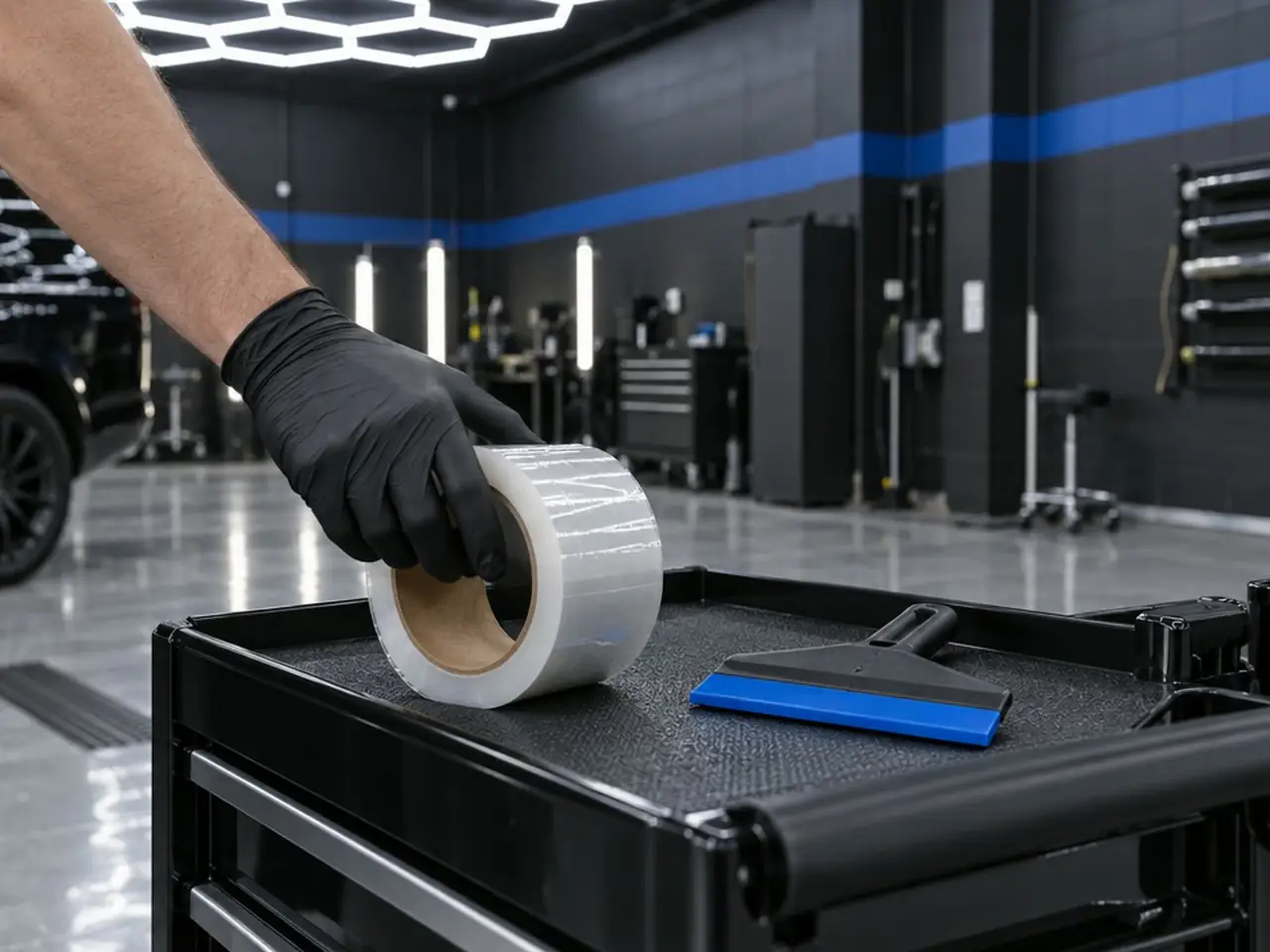
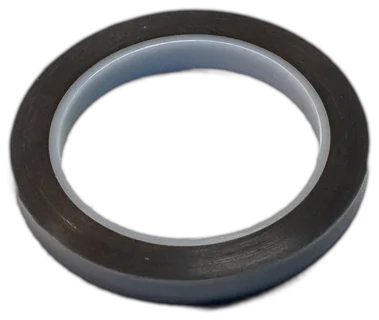
Teflon Slip Tape Thick is a roll of Teflon slip tape that reduces friction during PPF and wrap installs. It goes on the edge of a tool such as a hard card so the tool glides over film instead of grabbing. Glacier lists Teflon slip tape in Thick and Thin versions.
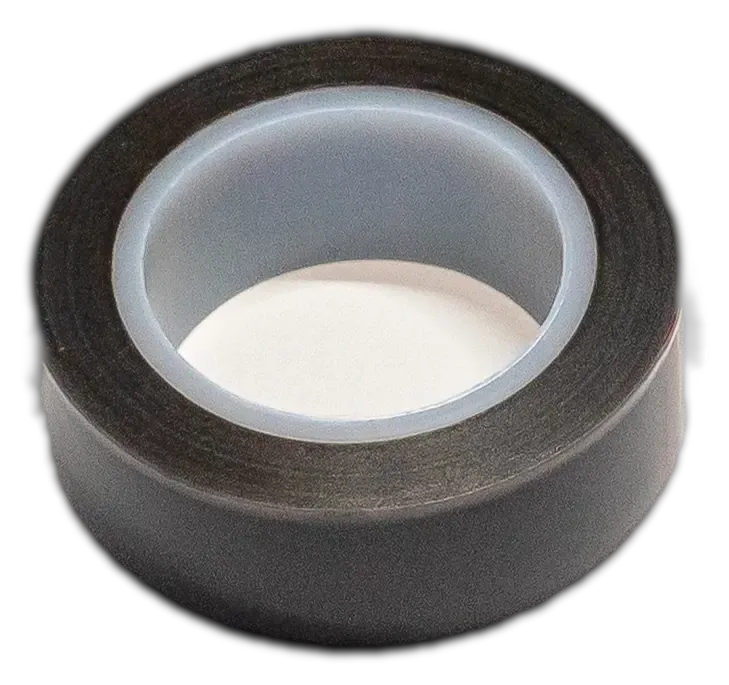
Teflon Slip Tape — Thick
Teflon Slip Tape Thick is a roll of Teflon slip tape that reduces friction during PPF and wrap installs. It goes on the edge of a tool such as a hard card so the tool glides over film instead of grabbing. Glacier lists Teflon slip tape in Thick and Thin versions.
How installers use it
- Clean and dry the working edge of the tool so the tape grips.
- Cut a length and wrap it over the edge that touches the film, pressing it flat with no lifted ends.
- Keep the film wet with slip solution as usual; tape on the tool complements wet slip rather than replacing it.
- Check that the tape is labeled for the tool type you are using, and swap it when it lifts or wears through.
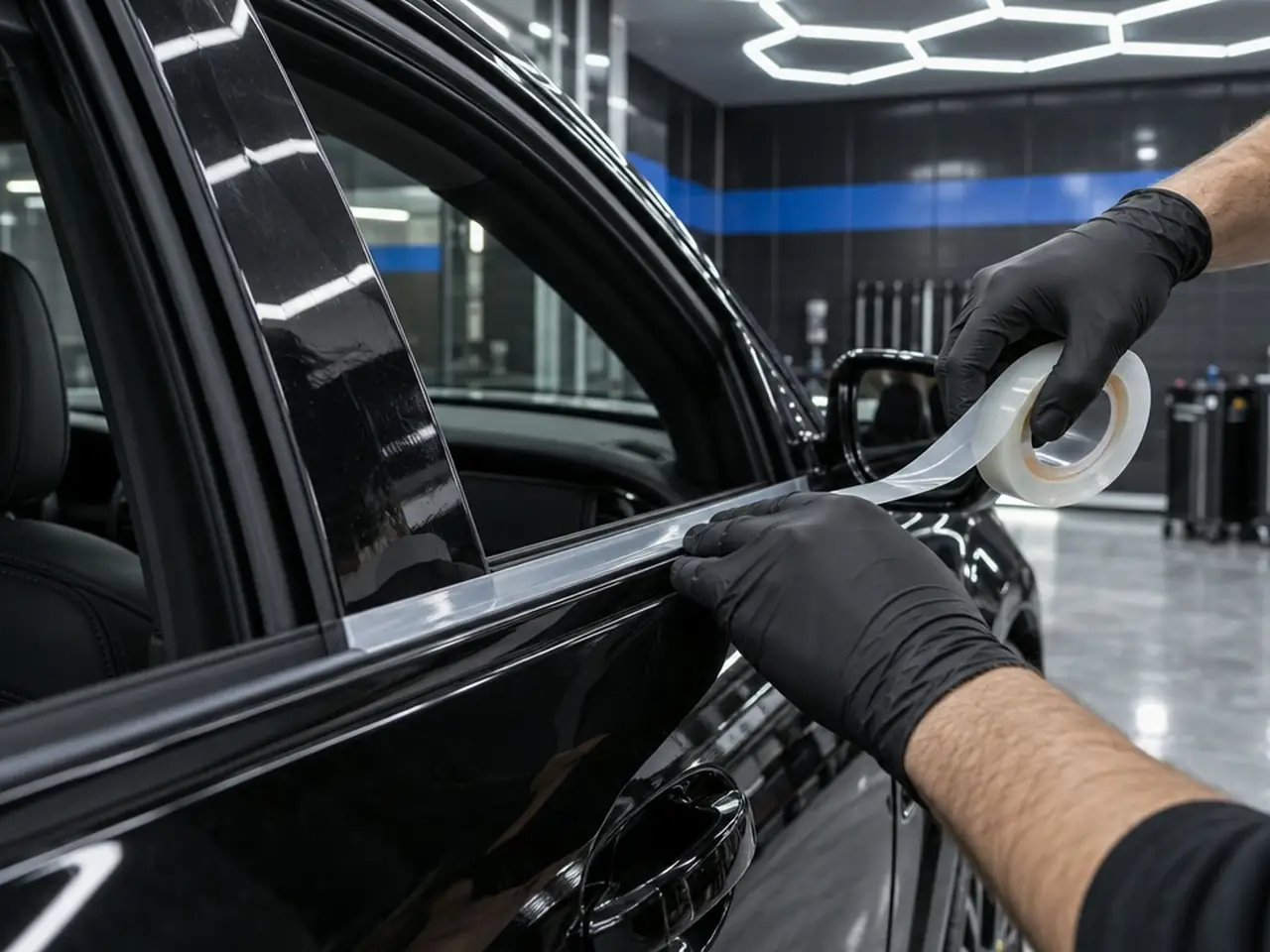
Tape goes on before the work starts, not during it. Clean and dry the tool edge, lay the tape along the edge that will meet the film, and press it down so it sits flat from end to end. Then wet the film as usual and run a test stroke on a scrap area. A hard card with fresh tape should travel the film instead of grabbing it. Tape one tool at a time so you can tell which edge is doing the gliding.
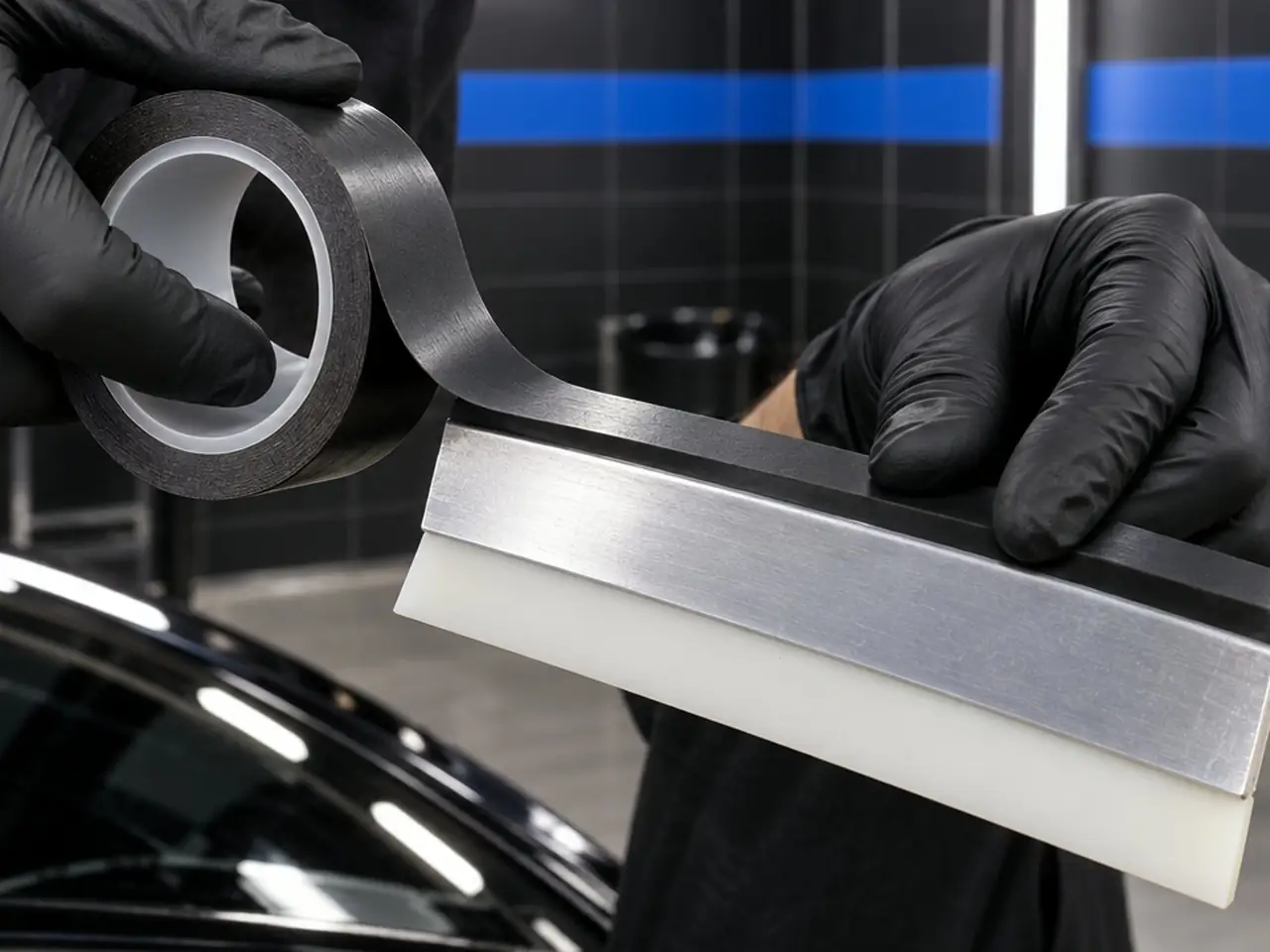
Why shops like it
Shops use slip tape so a card or squeegee can glide across film during PPF and wrap work. Glacier lists it in Thick and Thin versions.
Trimming the ends neatly at application and replacing the strip as soon as an end lifts keeps the surface smooth. Replace tape that has started to drag, so the tool does not catch without anyone noticing why.
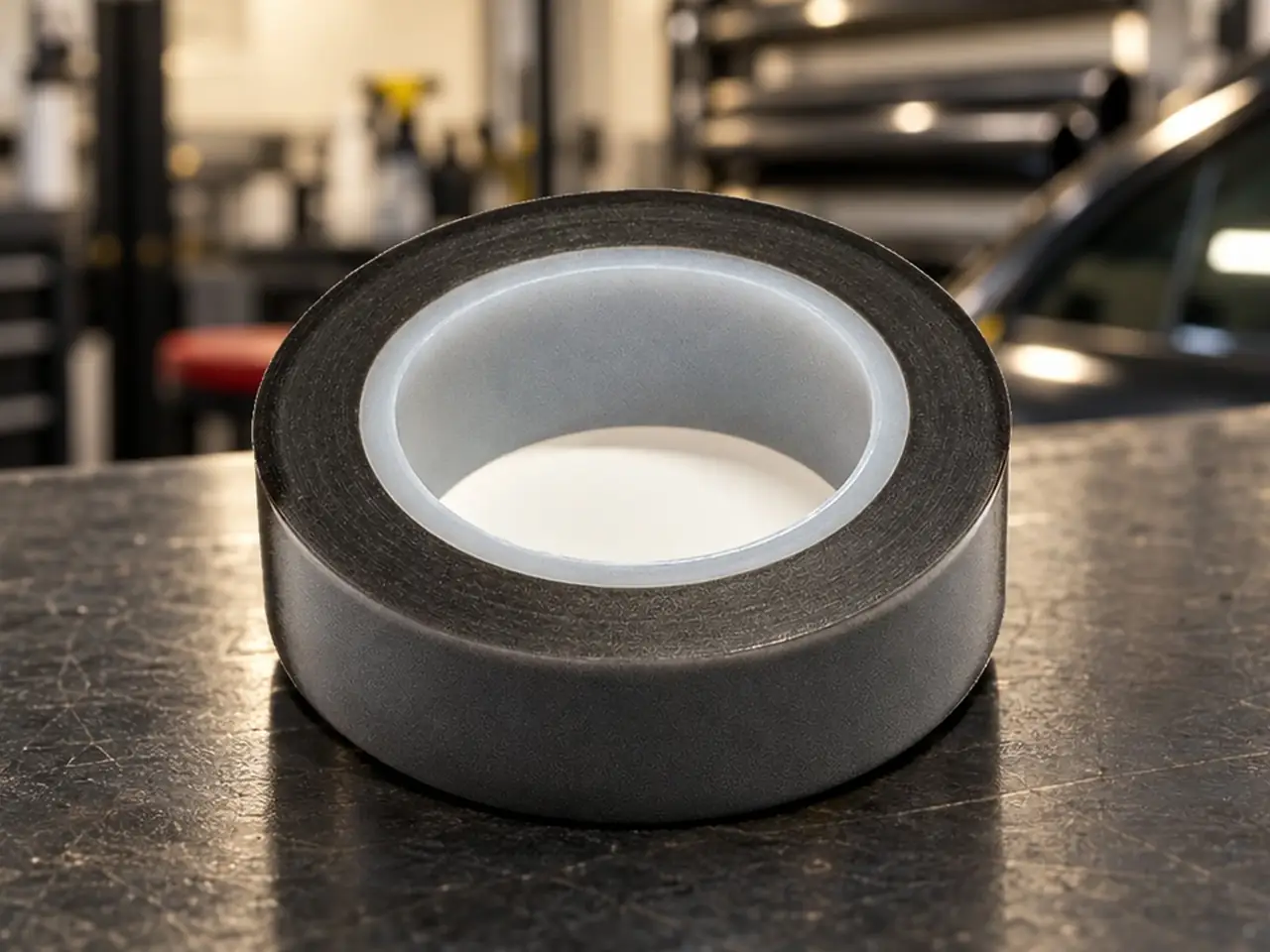
At a glance
- Type
- Teflon slip tape
- Version
- Thick
- Pair
- Teflon Slip Tape — Thin
- Use
- PPF and wrap installs where a tool needs to glide
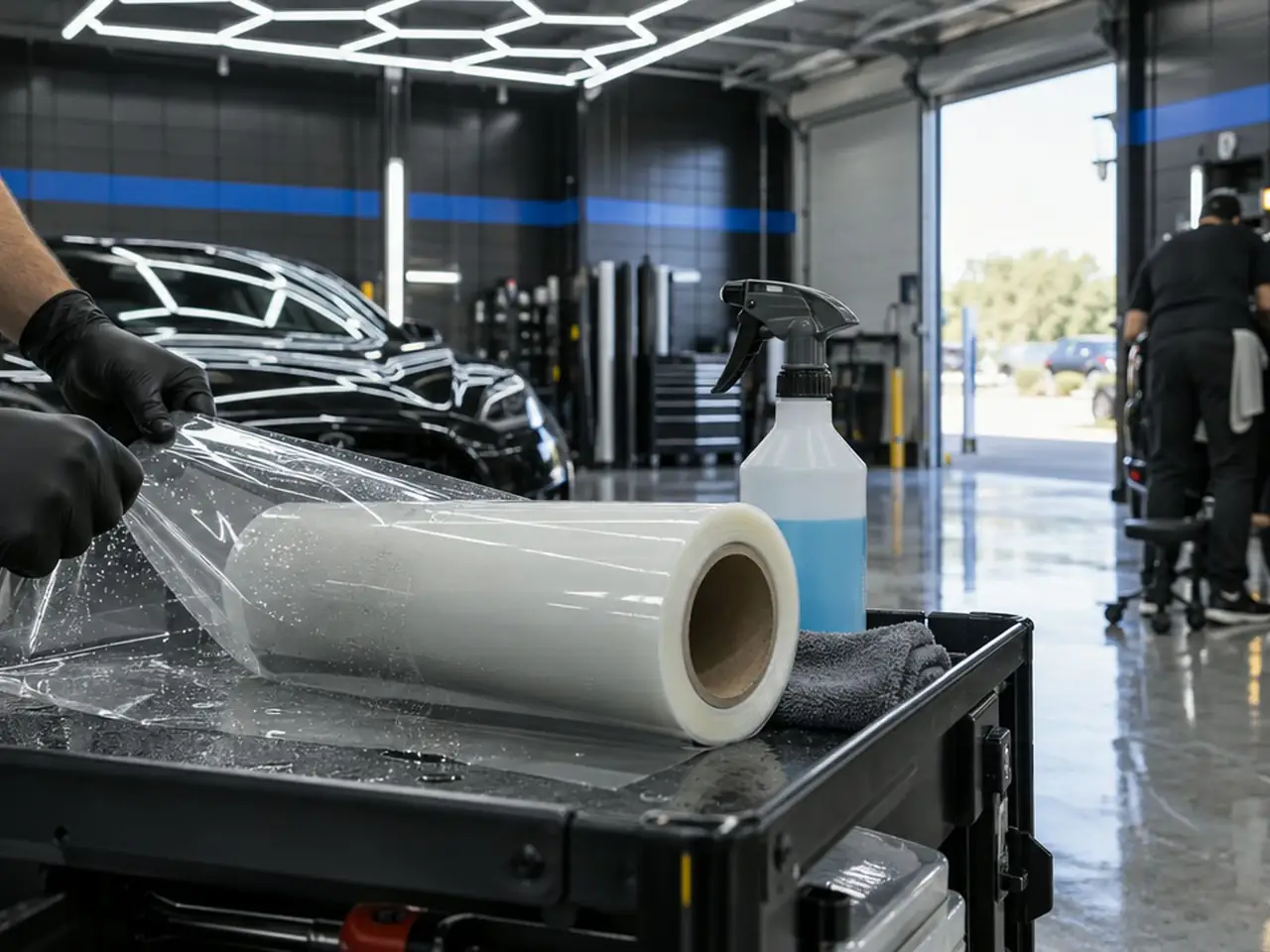
Pairs with
Set beside Teflon Slip Tape — Thin, the other listed version of the same tape, and the Hard Card it commonly goes onto, this Thick roll is tape for the tool edge rather than a tool itself.
Why use the Teflon Slip Tape, Thick?
Less drag on the film means smoother, more controlled strokes. Glacier describes slip tape as reducing friction during PPF and wrap install.
- Reduces friction during PPF and wrap install.
- Supplied by Glacier to tint and PPF shops.
How do you use the Teflon Slip Tape, Thick?
- 1. General practice: clean and dry the tool edge or surface where the tape will go.
- 2. Apply the tape smoothly with no wrinkles or trapped debris.
- 3. Trim it neatly so there are no loose ends to catch film.
- 4. Test on a scrap area before working on a customer's paint.
- 5. Replace the tape when it is worn, dirty or lifting.
Who buys the Teflon Slip Tape, Thick?
- PPF installers.
- Wrap shops.
- Shops building their PPF installation kit.
- Dealers supplying installer consumables.
Where do shops get it?
Glacier serves shops and installers across the US; ask your Glacier rep about availability. Request a quote for Teflon Slip Tape, Thick. Glacier sells to shops, installers and dealers, not to drivers or homeowners directly.
To go further, read how tint shops choose squeegees, blades and hard cards, tool sets for window tint and flat glass film, how to prep glass for tint and the tint shop equipment checklist.
Keep exploring
Related products
Guides
Quick answers
What is the difference between the two rolls?
Glacier lists the tape in Thick and Thin versions. This is the Thick version.
What does slip tape do?
It reduces friction on a tool edge so the tool slides across film more easily.
Does slip tape replace slip solution?
No. Keep the film wet with slip solution as usual. Tape on the tool complements wet slip rather than replacing it, and it helps a card or squeegee glide over film instead of grabbing. Replace the tape when it lifts or wears through.
Why trim the ends of the tape neatly?
Loose or ragged ends are what catch the film. A clean, flat end lets the tool pass over the film without snagging, which is the whole reason for putting tape on the edge in the first place.
Should the tool be taped before the film is wet?
Yes. Tape grips a clean, dry edge better, so apply it first. Once it is pressed flat, wet the film with slip solution and begin, since the tape works alongside the solution and does not replace it.