
Yellow Contour: contoured blade for curves
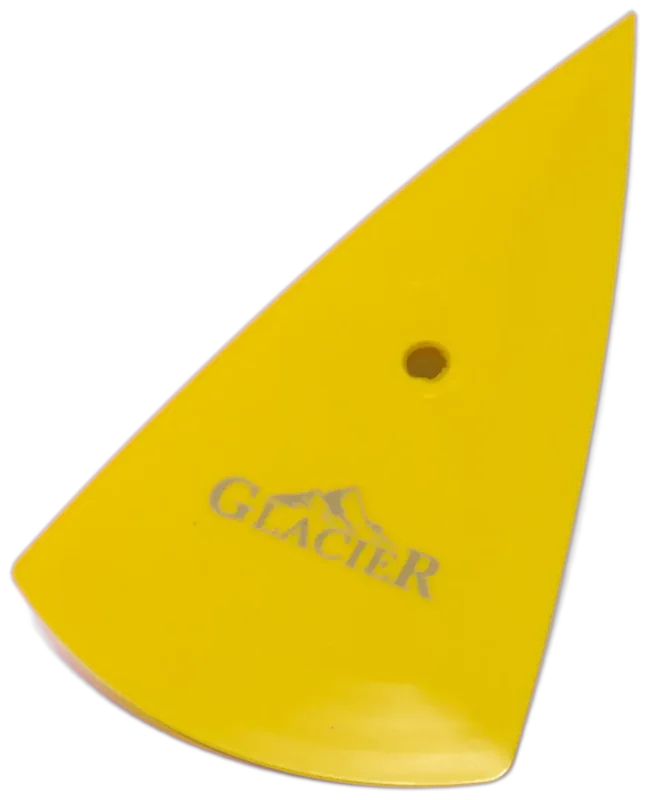
The Yellow Contour is a yellow contoured blade shaped to follow curves and tight body lines that a straight edge cannot. It carries the Glacier logo and is one of the scrapers in Glacier's installation tools range. Choose it where the surface curves.
Yellow Contour
The Yellow Contour is a yellow contoured blade shaped to follow curves and tight body lines that a straight edge cannot. It carries the Glacier logo and is one of the scrapers in Glacier's installation tools range. Contour-style tools are sold with curved edges to match concave and curved surfaces.
How installers use it
- Choose it where the surface curves and a straight edge would ride over it.
- Run the curved edge along the body line so the shape follows the surface.
- Use slip solution with tools of this type to avoid scuffing, as film-tool sellers advise, and work with steady passes.
- Return to a straight tool for flat areas.
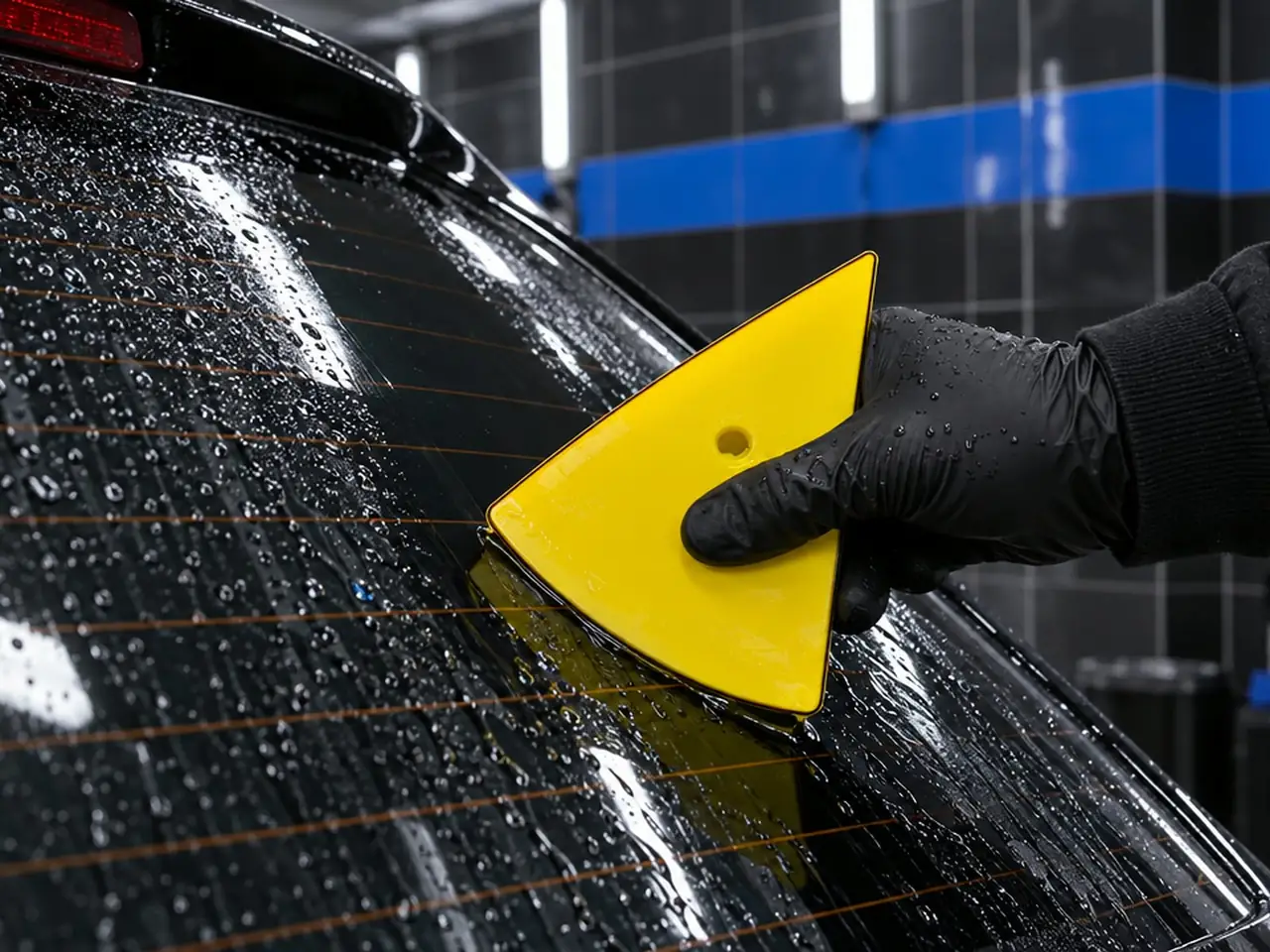
Match first, then move. Before the Yellow Contour touches the glass, lay its curved edge against the curve and see whether it sits along the body line; if it rocks, the shape is wrong for that spot. Once it seats, draw it along the line with light, steady passes and keep slip solution on the surface so the yellow blade slides instead of scuffing. Curved surfaces are what this shape is for.
Why shops like it
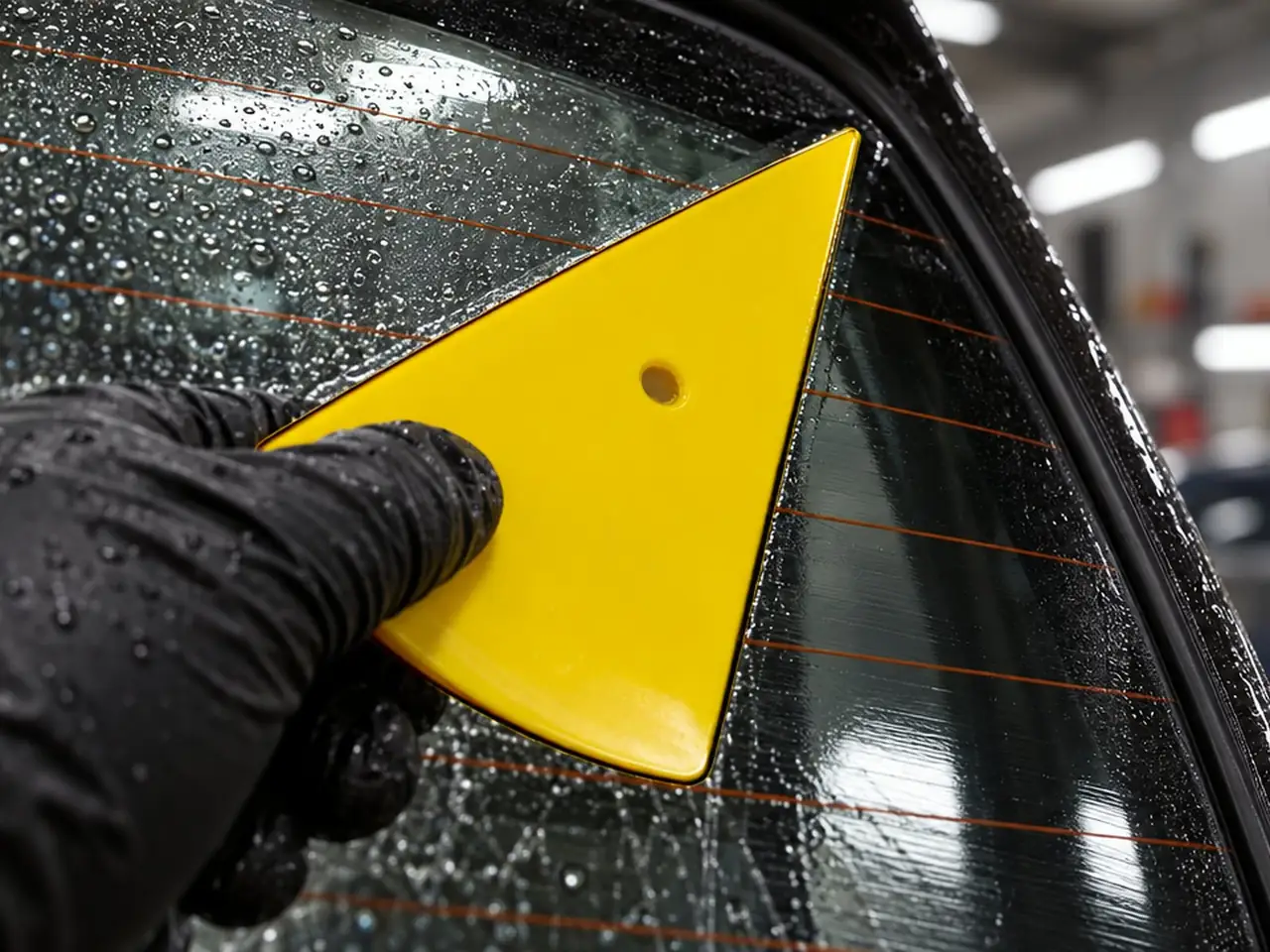
The curved shape follows contoured glass and tight lines, so installers can work surfaces a straight edge rides over without changing technique.
At a glance
- Type
- contoured blade
- Color
- yellow, with Glacier logo
- Use
- curves and tight body lines
Pairs with
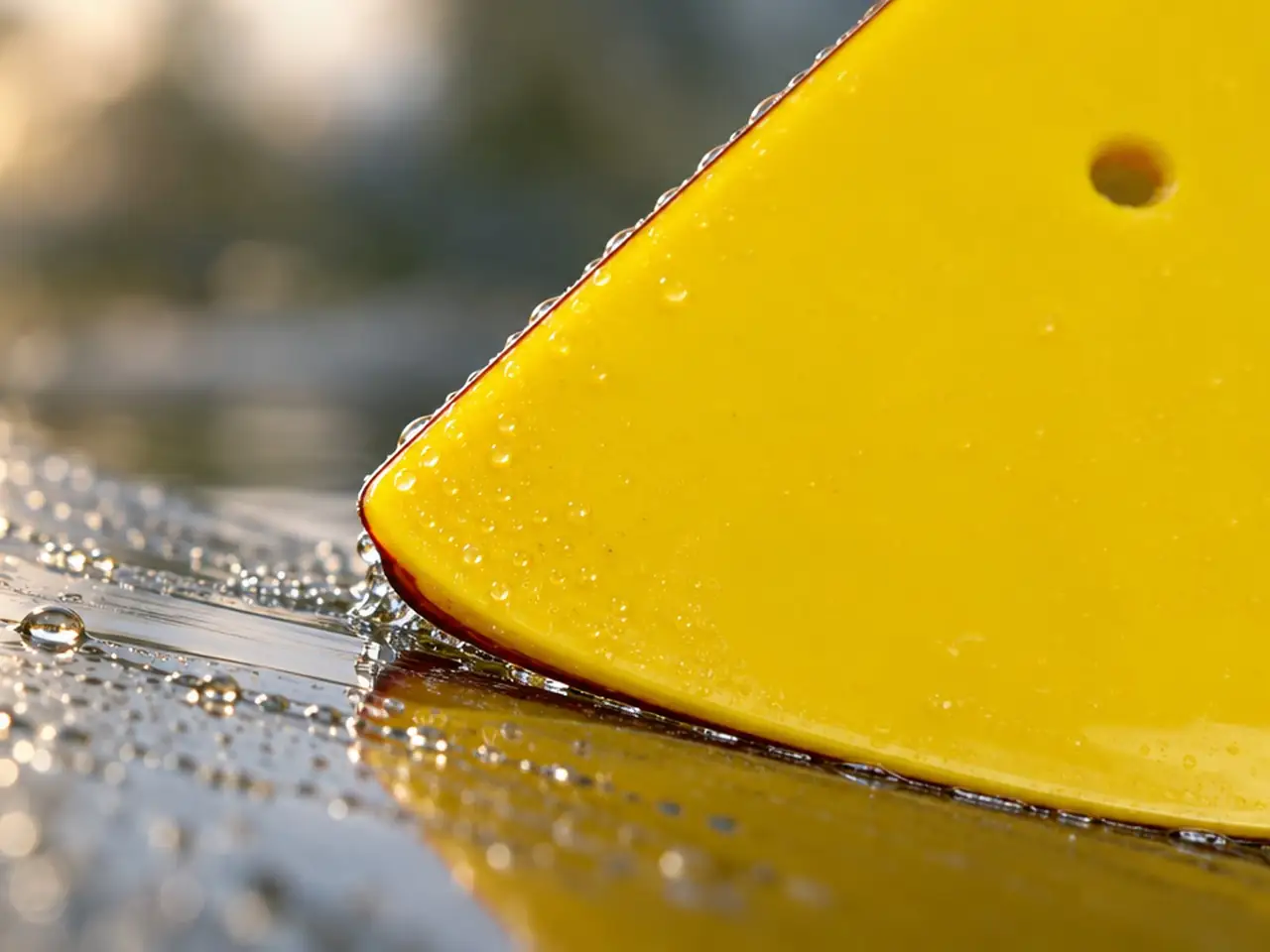
Among Glacier's contour tools, the Lil Chizler is the small one for tight corners and trim lines, the PPF Sector squeegee covers contoured panel sections, and the Yellow Contour is the contoured blade for curves and tight body lines.
Why use the Yellow Contour?
The contoured edge follows curves and tight body lines a straight edge can't. Ask your rep about sizes and the surfaces it suits.
It is a contour tool, so match it to the shape of the surface; ask your rep how it compares with the Lil Chizler and the PPF Sector squeegee.
A curved edge touches along only part of its length, so bringing the Yellow Contour onto a flat panel just because it is already in hand gives uneven work. Go back to a straight tool for flat areas and use the contour only where the surface turns. For a tight corner or trim line, the Lil Chizler is the small contour option, and the PPF Sector squeegee covers contoured panel sections.
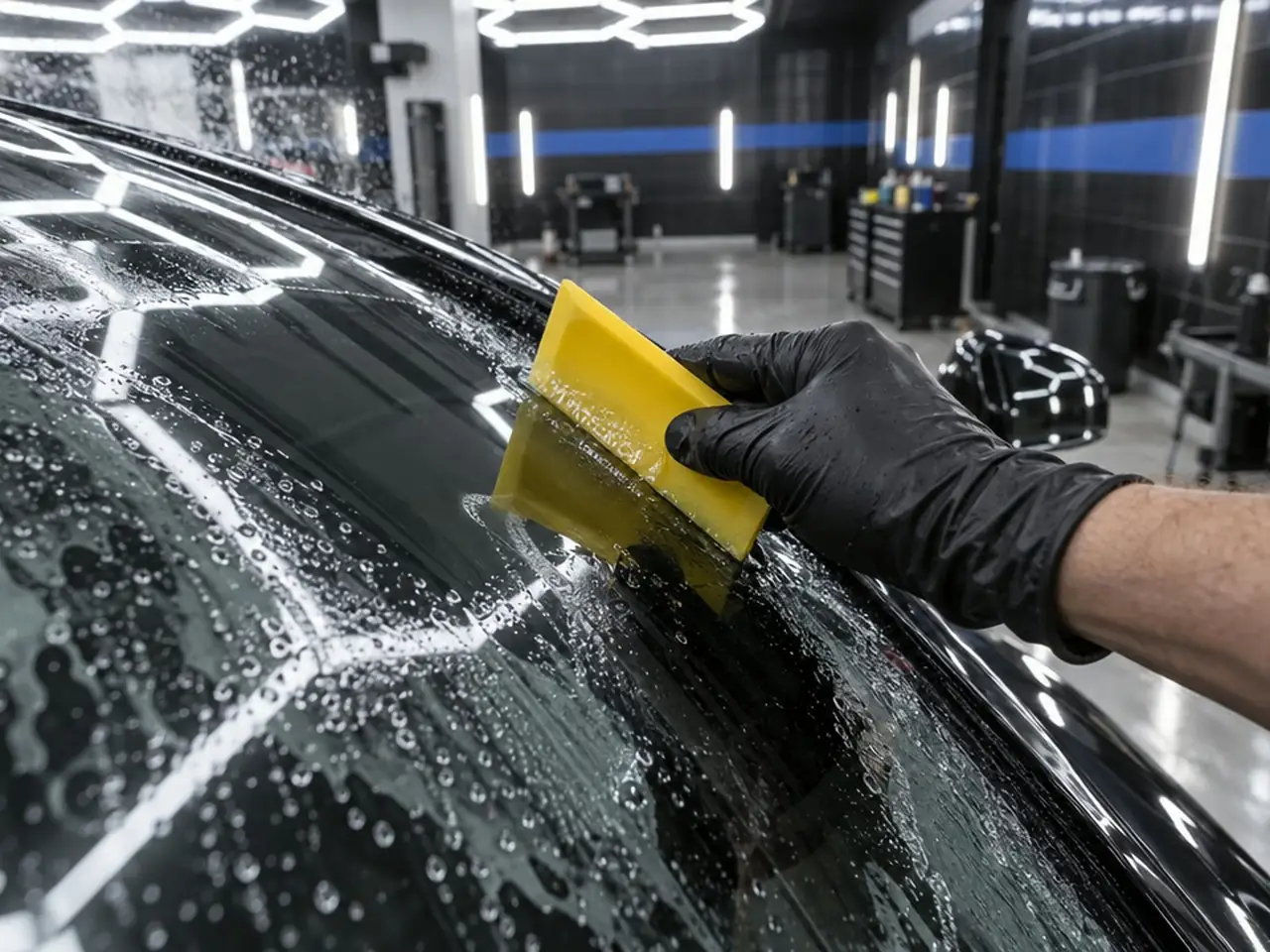
How do you use the Yellow Contour?
- Wet the surface.
- Match the contour to the curve.
- Use light strokes along the line.
- Wipe away solution.
- Check the line in bay light.
- Rinse and store.
Who buys the Yellow Contour?
- Window tint shops
- Installers working curves and body lines
- Dealers outfitting bays

How does the Yellow Contour compare with other Glacier tools?
Glacier has several contour tools; the Yellow Contour is a contoured blade.
| Tool | Shape or format | What it is for |
|---|---|---|
| Yellow Contour | Contoured blade | Curves and tight body lines |
| Lil Chizler | Small contour tool | Tight corners and trim lines |
| PPF squeegee, Sector | Sector-shaped | Contoured panel sections |
Does Glacier supply Yellow Contour to shops across the US?
Glacier serves shops and installers across the US. Ask your Glacier rep about availability and how to set up a wholesale account.
Shops working on this topic also use how tint shops choose squeegees, blades and hard cards, tool sets for window tint and flat glass film, how to prep glass for tint and the tint shop equipment checklist.
Keep exploring
Related products

Guides
Quick answers
What is it shaped for?
Curves and tight body lines that a straight edge cannot follow.
Why a curved edge?
Contour tools are sold with curved edges to match concave and curved surfaces, such as strongly curved rear glass.
When should you go back to a straight tool?
Return to a straight tool for flat areas. The Yellow Contour is shaped for curves and tight body lines that a straight edge rides over, such as strongly curved rear glass, so match it to the shape of the surface and use slip solution with steady passes.
How do I know the Yellow Contour fits a curve?
Lay the curved edge against the surface before wetting it. If the edge sits along the body line without rocking, the shape matches. If it rocks or leaves a gap, choose a different contour tool, or return to a straight edge for that section.
Why does slip solution matter with a contoured blade?
A curved edge meets the surface along a smaller stretch, so a dry pass is more likely to scuff. Wet the surface, keep passes steady and light, and wipe away solution afterward so you can check the line in bay light.