How to price a window tint job
A tint shop prices a window tint job by estimate, not from a posted price list. The shop weighs vehicle size, film line, number of windows, old film removal and job complexity, then quotes the specific vehicle. Quoting each job keeps the price tied to the work actually involved.
What do tint shops weigh when pricing a job?
Most shops look at the same handful of factors before giving a number.
- Vehicle size and glass shape: a larger vehicle or heavily curved glass takes more film and more time.
- Film line: shops usually quote differently for each film line they carry.
- Window count: a full vehicle, a front pair and a windshield strip are different jobs.
- Old film removal: taking off existing film adds labor.
- Complexity: tight trim, steep curves and heat shrinking all add time.
- Your own costs: film, labor, shop time and overhead.
Why quote by estimate instead of a price list?
No two vehicles are alike, and a flat list can miss the work in front of you. An estimate lets the shop price what the job really needs.
It also starts a conversation. The customer describes what they want, and the shop explains the film choices and any limits.
How does a shop build a quote?
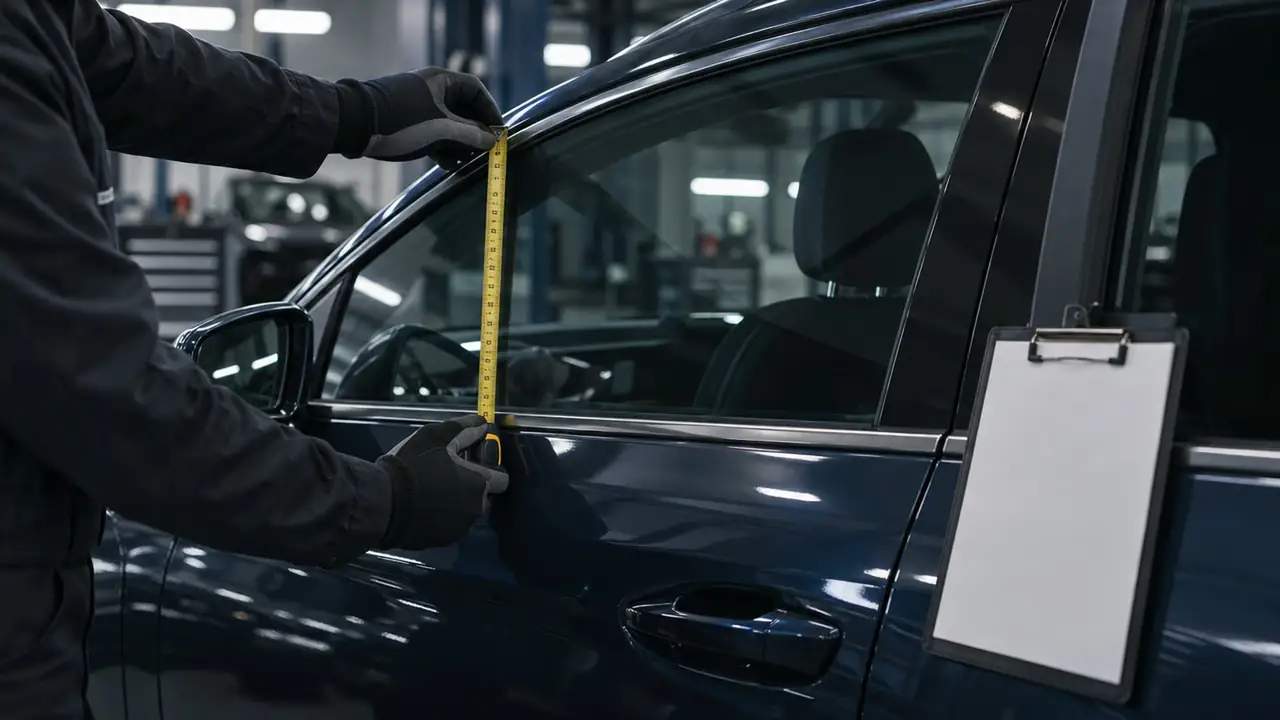
Quote from what you see, not from what you assume. Walk around the vehicle with the customer and photograph each window you will cover, noting steep curves, damaged trim and any film already on the glass. Those photos protect both sides if the job later turns out different from the first conversation. They also let a second installer pick up the work without asking the customer to repeat everything, and they make it simple to review the quote when a similar vehicle comes in.
- 1. Get the vehicle details, or look at the vehicle in person.
- 2. Confirm which windows the customer wants done.
- 3. Check for old film that has to come off.
- 4. Talk through the film line and shade options.
- 5. Check the vehicle state's tint rules before agreeing a shade.
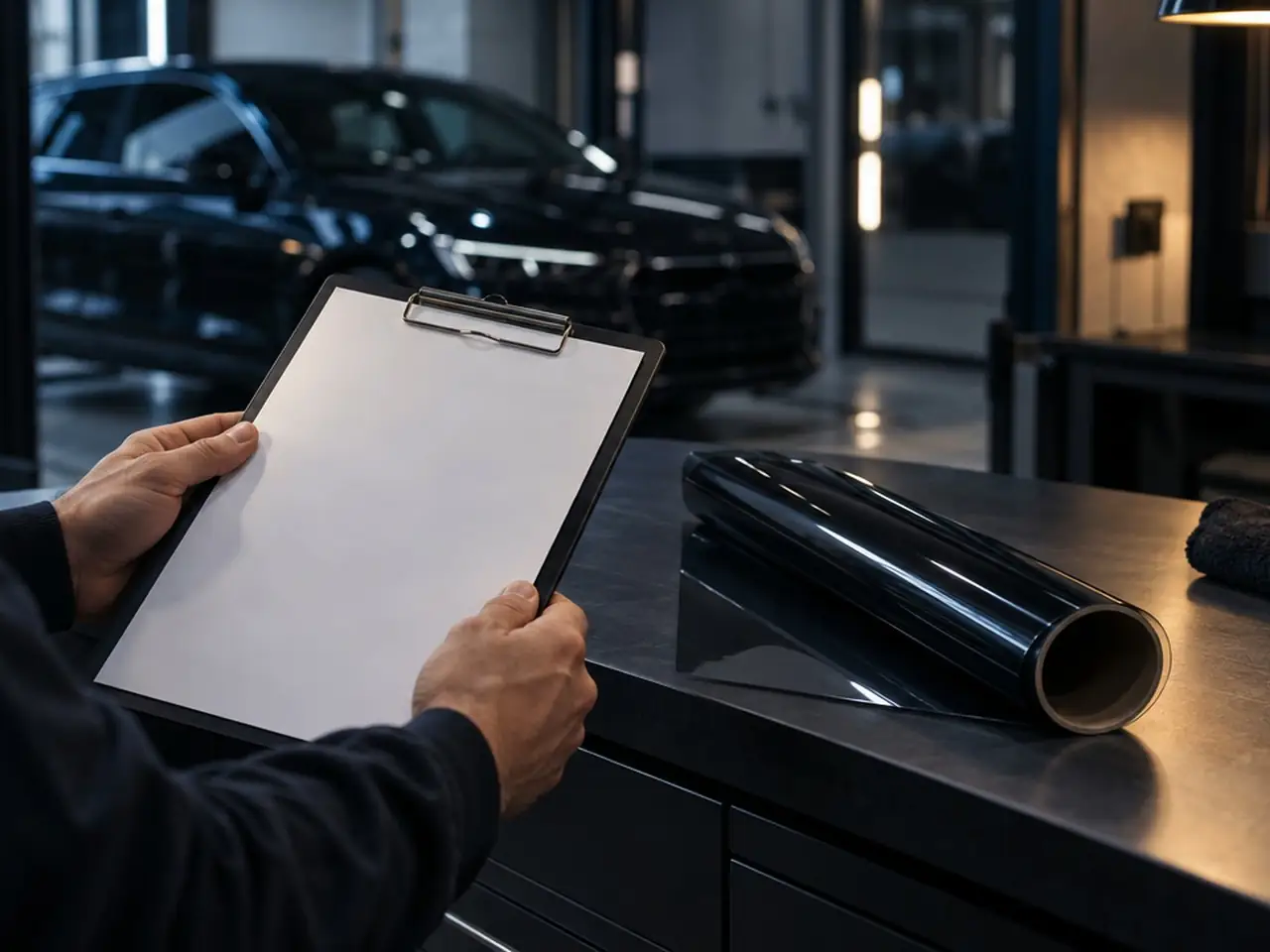
- 6. Give the estimate in writing.
- 7. Say what could change the quote, such as film found under the glass edge.
What belongs on a written estimate?
Add two details that people often skip: the date and the customer's approval. Record the shade the customer chose and the state rule you checked, then note the date, so the estimate shows what was agreed and when. If the customer changes the film line or drops a window, update the estimate and confirm it again instead of relying on memory. A quote that records decisions, not just windows, is much harder to dispute after the work is done.
| Item | Why it belongs |
|---|---|
| Vehicle | So the quote matches one specific job |
| Windows included | So there is no dispute over what was covered |
| Film line and shade | Records exactly what was agreed |
| Removal, if any | Shows the extra work separately |
| What could change it | Sets expectations before work starts |
Where does film supply fit in?
Glacier sells wholesale film to tint shops and installers. To buy film for your shop, apply for a wholesale account or request a quote from a Glacier rep.
To work out how many film lines to offer before you quote each one, read How Many Film Lines Should a Tint Shop Carry?, and for the rules that shape which shades you can agree, use Window tint laws by state.
Shops working on this topic also use the tint shop supplier guide to film and tools and the start-a-tint-shop checklist.
Quick answers
10 questions. Select one to open it.
How do tint shops price a window tint job?
Most shops quote each job by estimate. They look at vehicle size, film line, number of windows, any old film removal and how complex the job is, then give the customer a written quote for that vehicle.
Why don't tint shops post prices?
Many shops prefer to quote by estimate because vehicles, windows and film choices vary. An estimate lets the shop price the actual job. Each shop makes its own choice about what to publish.
Does the film line change the quote?
Usually yes. Shops that carry more than one film line often quote each line separately, so the customer can see what the choice means for their vehicle.
Should removing old tint be quoted separately?
Many shops list it as its own line on the estimate, because it adds work and the customer can see why. Check for old film before you give a final quote.
What should I do if a job turns out harder than quoted?
Say in the estimate what could change the quote. If something unexpected appears, stop and tell the customer before you continue, and confirm any change in writing.
Do I need to check tint laws before quoting?
Yes. Confirm the vehicle state's rules before agreeing a shade, so you do not quote a job the customer cannot legally drive with. Our tint law tool lists state rules.
Does Glacier tell shops what to charge customers?
Glacier sells film wholesale to shops and installers. Ask your Glacier rep about account pricing; pricing is shown to approved wholesale accounts.
How do I buy film from Glacier for my shop?
Apply for a wholesale account or request a quote. Glacier sells to tint shops, installers, detailers and dealers, not to drivers or homeowners.
Should I quote a windshield strip as part of a full job?
Treat it as its own line on the estimate, since a full vehicle, a front pair and a windshield strip are different jobs. Listing it separately shows the customer what is included and lets them add or drop it.
How do I explain a quote to a customer who only compares totals?
Walk through the lines: film line and shade, windows covered and any removal. Showing what each part covers lets the customer compare like with like, instead of weighing one total against another that may include different work.
Ready to quote film for your shop? Request a quote.