
November 14, 2026 · 6 min read · Industry
What did the state data record for 2026?
Three states have a recorded 2026 change. Three more cite 2026 documents that do not record a change to a limit. The table separates the two groups. The state page for each row holds the limits and sources.
| State | 2026 item in the data | What it means for a quote |
|---|---|---|
| Georgia | Act 640 (HB 1161) amends O.C.G.A. 40-8-73.1, effective July 1, 2026 | Check the front, rear side and rear windshield limits on the Georgia page before you quote |
| California | Vehicle Code section 26708 amended effective January 1, 2026 (SB 506) | Front side windows are tightly limited; read the California page and confirm with the state |
| Minnesota | Medical tint rules amended in 2026, retroactive to July 1, 2025 | Confirm the current medical terms with the state before you handle a medical request |
| Kentucky | 2026 SB 110 restates definitions in KRS 189.010 | The data records no change to a limit; the page marks the medical exemption as not confirmed |
| Mississippi | 2026 SB 2453 reproduces the text of section 63-7-59 | Bill text is not a confirmed change; the page says the figure is not confirmed against the codified section |
| Iowa | Iowa Code 321.438 is cited in its 2026 text | The data records no change; the page notes that Iowa no longer grants new medical exemptions |
What changed in Georgia in 2026?
Georgia is the clearest 2026 change in the data. Act 640 (HB 1161) amended O.C.G.A. 40-8-73.1 and took effect July 1, 2026. The Georgia page records these points.
A new effective date turns every saved shade list into something to re-read. Quotes, counter cards and window-sticker cheat sheets built before July 1, 2026 were written against the earlier law, so review them against the Georgia page before reusing any of them. Pay particular attention to vehicle class, since the page treats multipurpose passenger vehicles differently from sedans on rear glass. When you hand the customer paperwork, record the film name, the shade and the window position, because the post-install certification step depends on those details matching the statute.
- Front side windows must pass at least 28% of light, with a plus or minus 3 percentage point tolerance in the statute.
- On sedans, rear side windows and the rear windshield must each pass at least 15%, with the same tolerance.
- Multipurpose passenger vehicles are exempt on rear glass but not on front side windows.
- Tint may not raise reflectance above 20%.
- Installers must certify after installation that light transmission and reflectance meet the statute, under DPS Rule 570-22-.05(3).
Is the Georgia DPS tint page current?
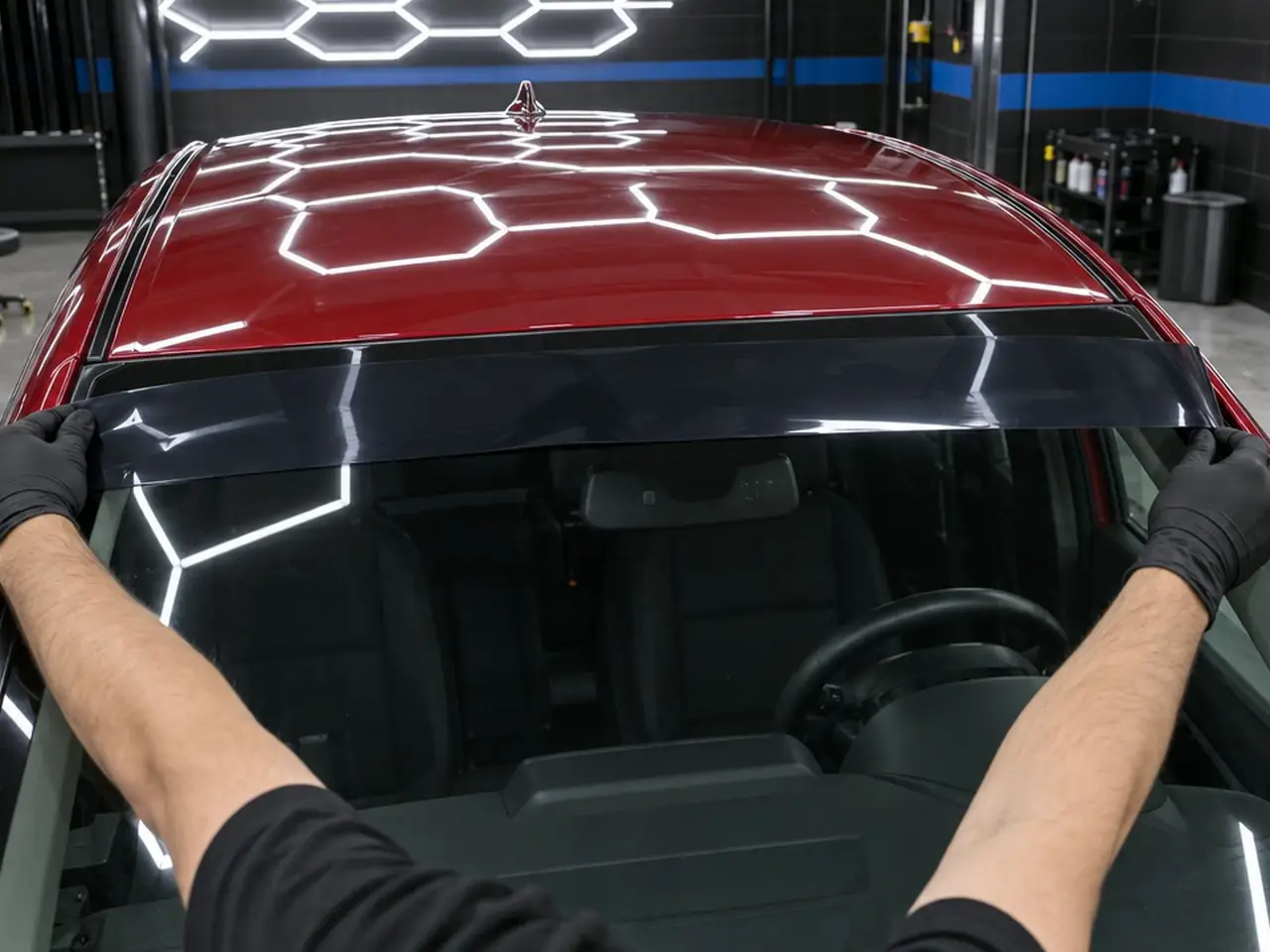
When Glacier's data was last checked on November 12, 2026, the Georgia DPS public tint page still described the earlier law. An agency page can lag a new act, so a shop that relies on the agency page alone can quote the wrong shade.
Read the Georgia page, then confirm with DPS before you quote a film.
What changed in California in 2026?
California's vehicle code section on window tint, section 26708, was amended effective January 1, 2026. The data does not record which provision changed, so treat the California page as the current reading instead of comparing it with an older rule.
The page describes the current rule: aftermarket tint on front side windows is effectively barred, and the rules for rear side windows, the rear window and the windshield differ. Confirm with the state before you quote a film.
What changed in Minnesota in 2026?
Minnesota amended its medical tint rules in 2026, and the amendment is retroactive to July 1, 2025. The Minnesota page records how the exemption works.
- A prescription or a physician or optometrist statement sets the minimum transmittance.
- The exemption can be temporary or permanent.
- A family or care-recipient prescription can be used if the vehicle is listed.
- For a medical request, get the paperwork from the customer and confirm the current terms with the state before you install.
What about Kentucky, Mississippi and Iowa?
These three states cite 2026 documents, but the data does not record a change to a tint limit.
- Kentucky: 2026 SB 110 restates definitions in KRS 189.010. The Kentucky page marks the medical exemption as not confirmed.
- Mississippi: the 28% figure appears in the legislature's bill text for section 63-7-59 (the data cites 2026 SB 2453). The page says it is not confirmed against the codified section, so check with the state before relying on it.
- Iowa: the page cites the 2026 text of Iowa Code 321.438 and notes that Iowa no longer grants new medical exemptions.
Did anything else change in 2026?
The data records no other 2026 change. That is not proof that nothing else changed. A state page can lag a new law, and some entries cite older code editions.
The Colorado page cites a 2024 code edition and says later amendments may differ. The Arkansas page describes an older act and says later amendments may change its terms. The Maryland page says the statute and COMAR differ on which vehicle classes the front-window rule covers, so the limit for sedans and SUVs is not confirmed.
Treat a missing record as an open question, not an all-clear. A shop that serves several states can keep a simple dated log: state, statute cited, effective date, agency page date, and the date of the latest comparison. When a customer quotes a rule from a friend in another state or from a bill they read about, the log tells you quickly whether your page predates it. It also shows which entries rest on an older code edition, so those get checked first.
How should a shop check for tint law changes?
Run the same checks for every state you quote in. Do them again whenever a customer cites a new rule or a bill passes in a state you serve.
- Open the state page and note the statute or rule it cites.
- Look up that statute on the state legislature's site and read its effective date.
- Check whether a newer act amends the same section.
- Read the state agency's tint page and note its date. An agency page can lag a new law.
- Check the vehicle class: sedan, SUV, truck, van or multipurpose vehicle.
- Confirm with the state before you quote a film.
- Write the film name and shade on the work order.
What should I do before I quote a film?
Check the table on the state page, then confirm with the state before you quote a film. If the customer's vehicle class or window position is not clearly covered, hold the quote until the state answers.
Glacier supplies ceramic window film wholesale to tint shops and installers. Ask your Glacier rep what is available on a wholesale account.
For the full limits behind each row rather than this change summary, use Window tint laws by state, and choose Window tint percentages explained: how to read VLT rules instead when the open question is how a percentage reading works.
To go further, read how ceramic and carbon tint differ, windshield tint strip rules by state, the start-a-tint-shop checklist and the tint shop supplier guide to film and tools.