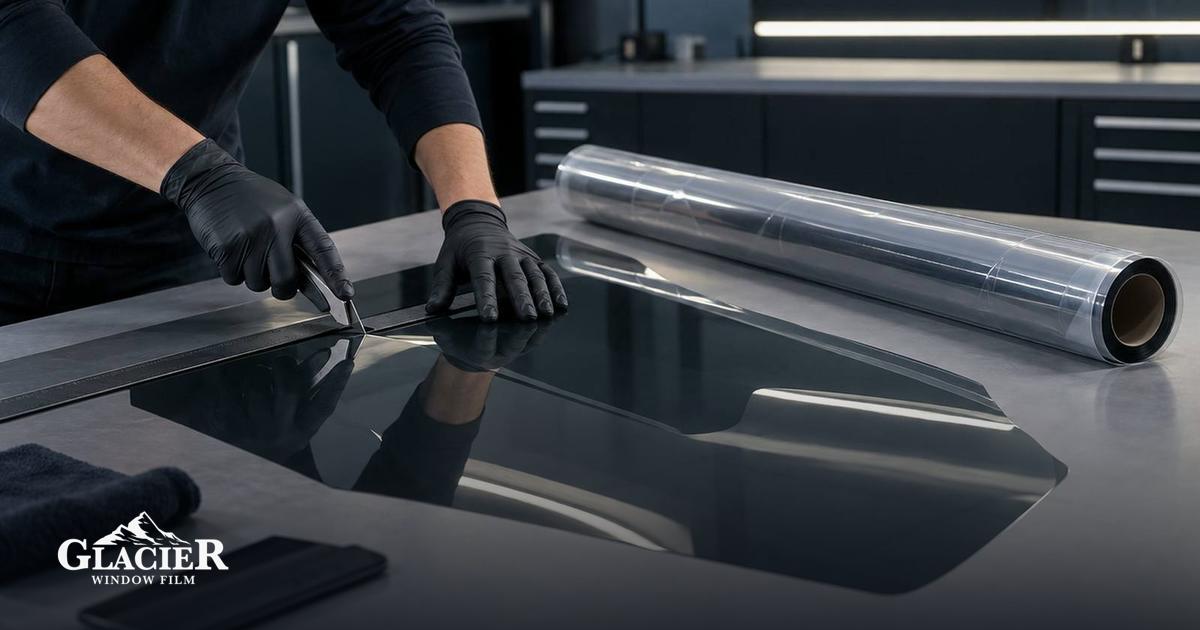
Pro-grade window film for Connecticut shops.
Glacier's window film is ceramic-only and non-dyed, and Glacier supplies paint protection film and installation tools to tint shops, installers and dealers in Connecticut. Connecticut's state page lists 35% VLT minimum on front and back side windows, with any darkness on the rear window. See the Connecticut tint-law page for sources.
Connecticut window tint law for sedans and wagons: 35% VLT minimum on front side windows, 35% VLT minimum on back side windows, and any darkness on the rear window. Glacier Manufacturing supplies ceramic window film, PPF, and installation tools to Connecticut tint shops and ships nationwide. Wholesale accounts are opened at glaciermfg.com/trade.
Three-metro state, 35% front and back, any on rear.
Connecticut's tint market is split across Hartford, New Haven, and Stamford — each with its own demand profile. Stamford skews premium-automotive on the back of NYC commuter spillover; Hartford and New Haven blend consumer with commercial work. The state's law lets shops go any VLT on the rear glass while holding 35% on front and back sides — the standard recipe is a single VLT on the four sides plus a darker rear for privacy. Four-season climate keeps both heat-rejection and glare-control consults active year-round.
Connecticut asks for paperwork as well as a shade. Tinted windows need a sticker on the lower left corner of each window with a registration number and compliance certification, and the film maker must register the film and sticker with the DMV (14-99g(e)). Sedans also carry reflectance caps, 27% (+/-3) on front windows and 21% (+/-3) on back side windows, and trucks, buses and MPVs are exempt behind the driver with dual mirrors. The city list runs from Bridgeport and Stamford to Hartford and Meriden.
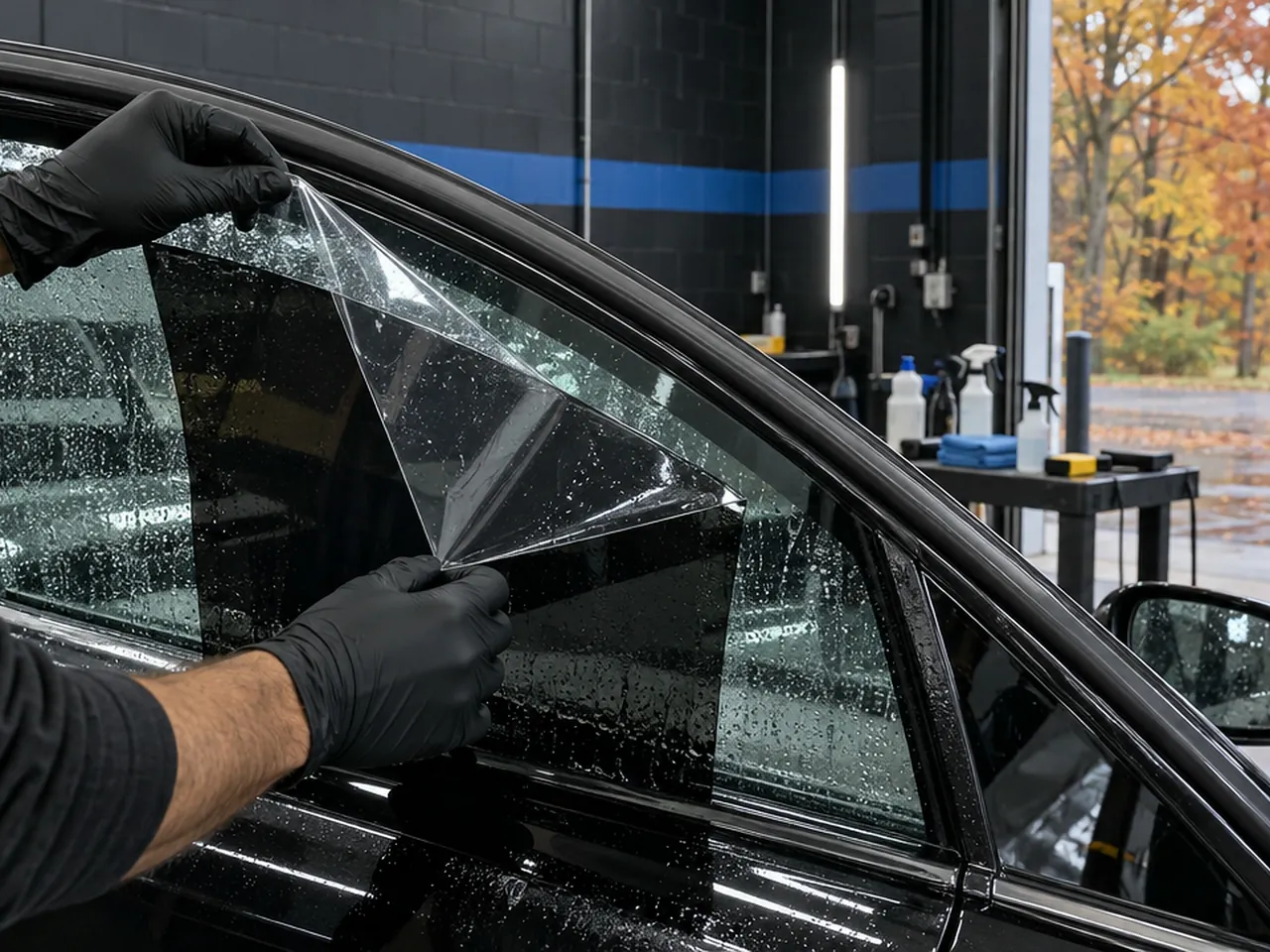
Quote within the law.
Connecticut legal VLT minimums for sedans / wagons. SUVs, vans, and commercial vehicles often have separate (usually more permissive) rules. Verify with the Connecticut DMV before quoting work.
Shops working on this topic also use how to read tint VLT percentages, automotive window film rolls, how ceramic and carbon tint differ and windshield tint strip rules by state.
What can a Connecticut shop install on each window?
- Sedan, front side windows: at least 35% VLT (+/-3; reflectance 27% (+/-3) max, not mirror-like).
- Sedan, back side windows: at least 35% VLT (+/-3; reflectance 21% (+/-3) max, not mirror-like).
- Sedan, rear window: no VLT minimum; conditions apply (Exempt with outside mirrors both sides, 200 ft (14-99g(c)(10))).
- SUV, van or truck, front side windows: at least 35% VLT (+/-3; reflectance 27% (+/-3) max, not mirror-like).
- SUV, van or truck, back side windows: no VLT minimum; conditions apply (Trucks, buses, MPVs exempt behind driver with dual mirrors).
- SUV, van or truck, rear window: no VLT minimum; conditions apply (Exempt with outside mirrors both sides, 200 ft).
Other Connecticut rules to check before you quote
- Windshield: Transparent non-red/amber strip on top, bottom edge 29+ in above undepressed driver seat.
- Reflectivity: Must not be mirror-like; reflectance 27% front, 21% rear sides (each +/-3).
- Color: Red or amber barred on windshield strip; film that alters window color barred unless within limits.
- Medical exemption: Allowed. Written application to DMV commissioner with physician or optometrist documentation (14-99g(b)).
- Label or certificate: Sticker required on lower left corner of each "after-factory tinted" window: registration number and compliance certification; "film maker" must register film and sticker with DMV (14-99g(e)).
- Measurement note: +/-3 points written into statute (35 +/-3, reflectance 27/21 +/-3).
Where the Connecticut figures come from
Sources: Conn. Gen. Stat. 14-99g. Data last verified 2026-11-12.
What Connecticut drivers actually pick.
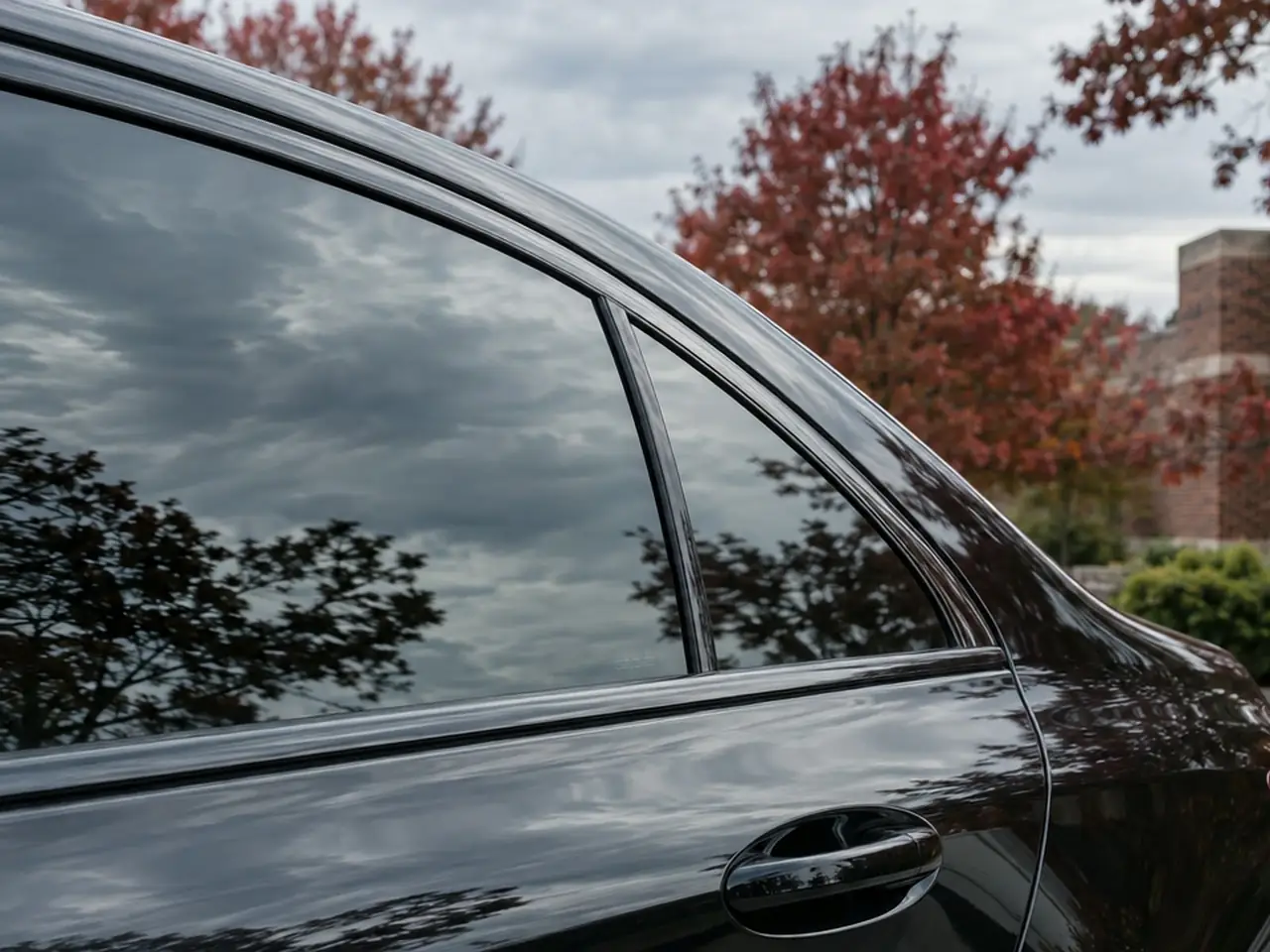
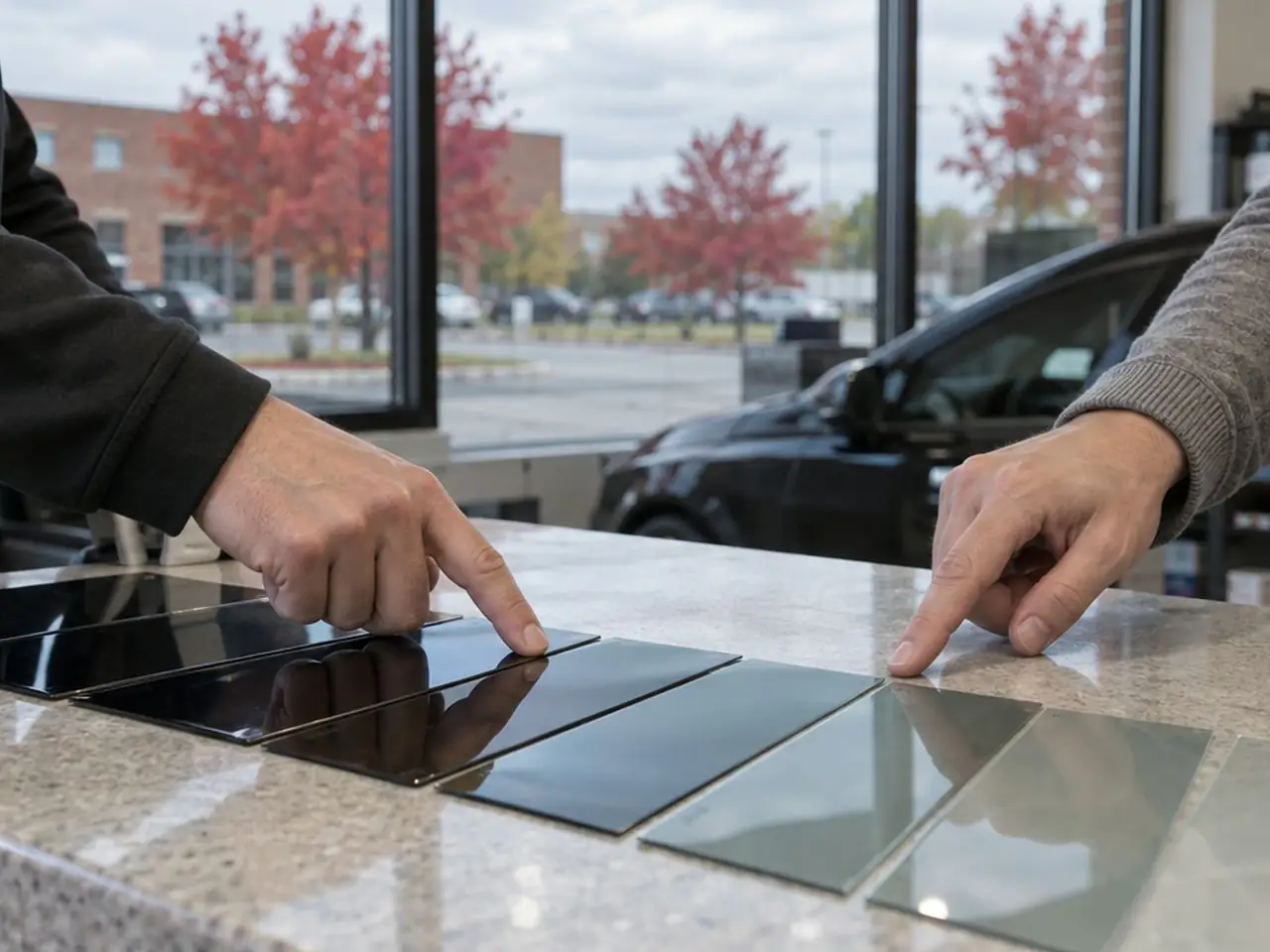
Your shop's most-installed VLT depends on what's legal in Connecticut. The visualizer below shows each level — keep 35% VLT minimum in mind for front side glass.
Minimal — UV protection without darkening. Windshield-legal in many states.
Light — moderate glare reduction. Front-side legal in many states.
Medium — the most common request. Balanced privacy and visibility.
Dark — strong privacy, factory-look on most vehicles.
Darker — privacy-focused. Often used on rear doors and rear glass.
Limo — maximum privacy. Rear glass only in most states.
To Connecticut.
Ships nationwide
Ask your Glacier rep about availability and timing for your order.
Shipped to Connecticut
Orders ship nationwide, including to Connecticut.
Plotters and bulk rolls
Ask your Glacier rep about availability and timing for large equipment and bulk roll orders.
Connecticut cities Glacier supplies.
Glacier ships nationwide. Each city links to a dedicated page with local market context.
Explore the Glacier line for Connecticut.
Glacier supplies window film, PPF, security film and shop equipment. Ask your Glacier rep what is available on a wholesale account.
Connecticut supply questions.
The most common questions Connecticut wholesale buyers ask before opening an account.
- What are the legal VLT limits for window tint in Connecticut?
- Connecticut tint law for sedans and wagons: 35% VLT minimum on front side windows, 35% VLT minimum on back side windows, and any darkness on the rear window. SUVs, vans, and commercial vehicles often have separate rules.
- Does Glacier ship window film to Connecticut?
- Yes. Glacier ships nationwide, including to Connecticut. Ask your Glacier rep about availability and timing for your order.
- Can a tint shop in Connecticut open a wholesale account?
- Yes. Connecticut tint shops, PPF installers, detailers and dealers can apply at /trade.
- Does Glacier carry PPF?
- Yes. Glacier supplies paint protection film in gloss and satin finishes, 10-year warranty.
- What VLT do Connecticut front and rear side windows need?
- Front and back side windows must each pass at least 35%, with a plus or minus 3 tolerance written into the statute. On trucks, buses and multipurpose vehicles, windows behind the driver are exempt when dual outside mirrors are fitted.
- Does Connecticut require a sticker on tinted windows?
- Yes. A sticker showing the registration number and a compliance certification goes on the lower left corner of each "after-factory tinted" window. "Film makers" must register their film and sticker with the DMV.
Open a wholesale account in Connecticut.
Interested in window film in Connecticut? Apply for a wholesale account and a Glacier rep will follow up.