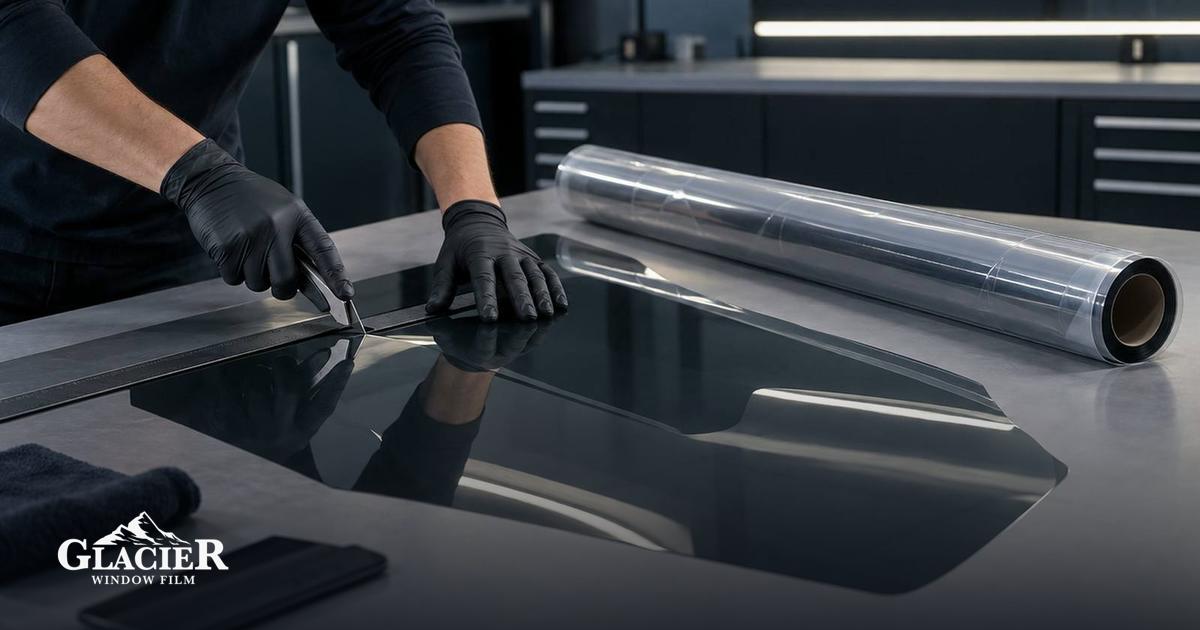
Nano-ceramic window film rolls
Nano-ceramic window tint is ceramic window film whose non-metallic ceramic particles are extremely small. On this site nano-ceramic describes all three Glacier ceramic lines. Glacier's window film is ceramic-only and non-dyed, and Glacier supplies it on rolls, wholesale, to tint shops, installers and dealers who cut it to fit each window.
What is nano-ceramic window film?
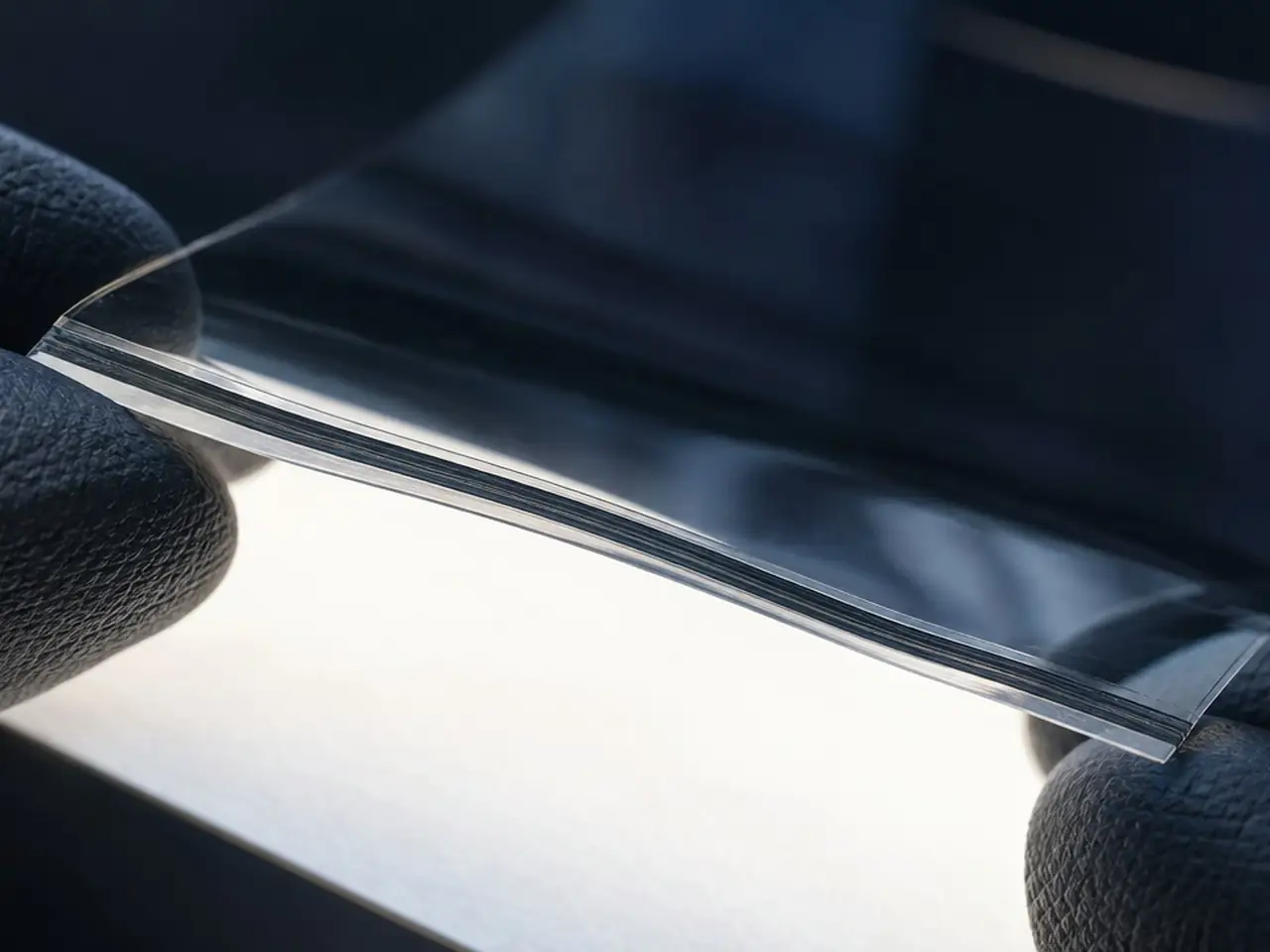
Nano-ceramic is a name for ceramic window film whose ceramic particles are extremely small. The film is a layered polyester product with an adhesive that bonds it to glass. The ceramic particles are non-metallic, and they sit in a layer of the film.
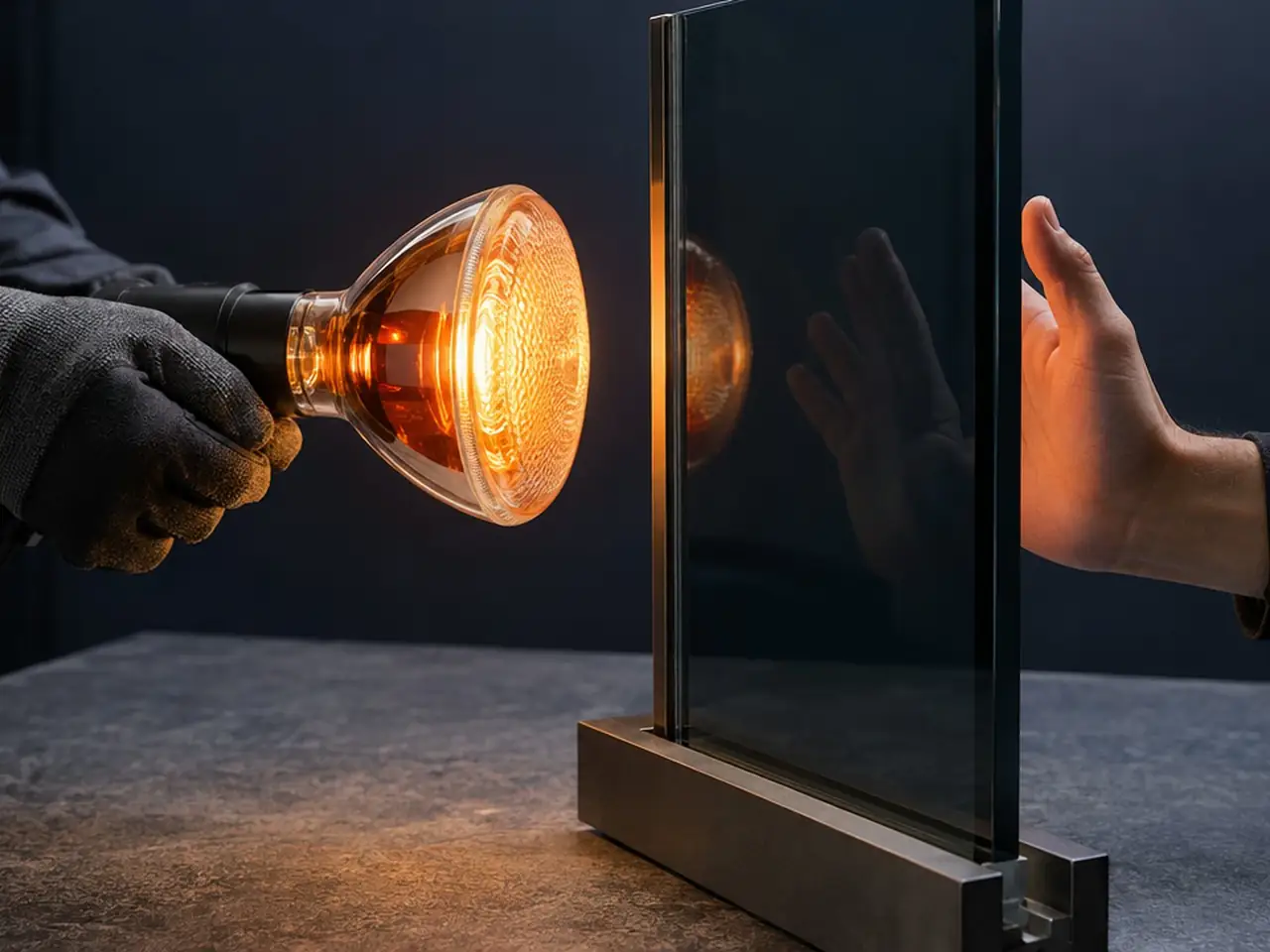
It goes on the inside of the glass. It lets visible light through while reducing infrared (heat) and ultraviolet light. Results vary by film, glass and installation.
What does nano-ceramic mean on Glacier's site?
On this site, nano-ceramic describes Glacier's ceramic window film: Premium Ceramic, Ceramic Plus and Ceramic Ultimate Plus. Glacier's window film is ceramic-only and non-dyed.
Treat nano-ceramic as a name for a construction, not a performance rating. For performance, use the spec table on each line page and ask your Glacier rep for the data on the film you are specifying.
How is nano-ceramic film different from dyed, metalized and carbon film?
The difference is what darkens and filters the film. Every construction sits on a polyester base with an adhesive. This is a general comparison; performance varies from film to film.
| Construction | What darkens it | Signal behavior |
|---|---|---|
| Dyed | Dye in the film | No metal layer |
| Metalized | Metal particles | Metal can interfere with GPS, cellular and radio signals |
| Carbon | Carbon particles | No metal layer |
| Nano-ceramic | Non-metallic ceramic particles | No metal layer, so not built to interfere with signals |
Why do tint shops carry nano-ceramic film?
A single ceramic construction keeps a lineup simple to carry, and ceramic has no metal layer that can interfere with signals.
- No metal layer, so the film is not built to interfere with GPS or phone signals.
- No dye, so the film does not rely on dye for its color.
- A clear, neutral look on the glass.
- Three lines that let a shop match the film to the customer.
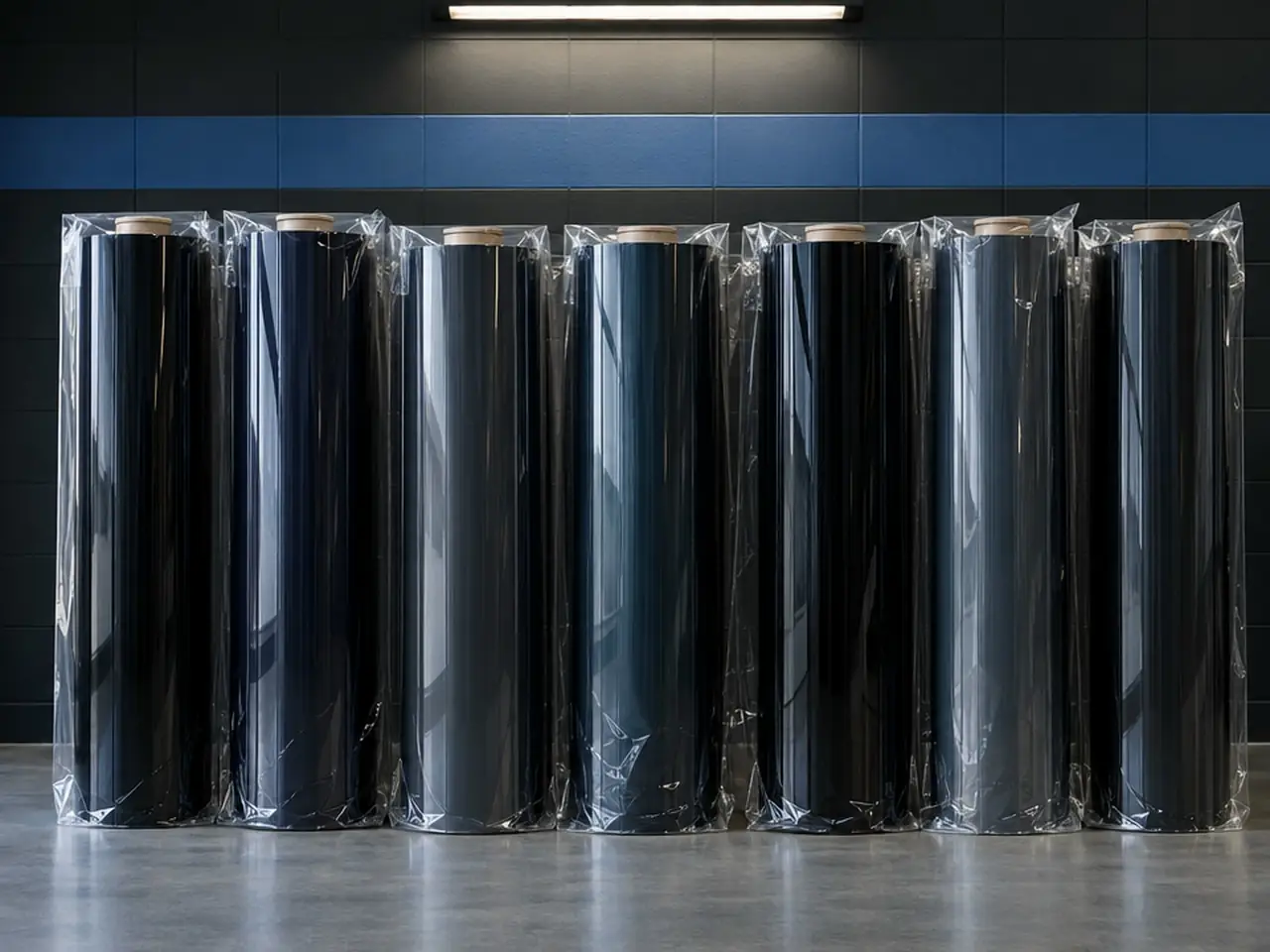
How do shops use nano-ceramic window film rolls?
Glacier supplies nano-ceramic film as a roll. The shop cuts a pattern for each window, with a plotter or by hand. This is general good practice, not a Glacier procedure.
- Check the state rule for the shade and the window.
- Cut the panel from the roll with a plotter or by hand.
- Heat-shrink the panel to fit curved glass.
- Clean the glass thoroughly and spray slip solution.
- Position the film and squeegee the water out.
- Check the edges and hand the customer an aftercare card.
Which Glacier window film lines are nano-ceramic?
All three Glacier automotive lines are described as nano-ceramic. Pick by what your customers ask for, and ask your Glacier rep for roll sizes and shades. Ask your Glacier rep for the warranty terms on each automotive film line.
Among Glacier's three nano-ceramic lines, Premium Ceramic is the base line with four VLTs, Ceramic Plus is the core line with five, and Ceramic Ultimate Plus is the step up, with the same five VLTs as Ceramic Plus.
| Line | What it is for | Roll sizes | Page |
|---|---|---|---|
| Premium Ceramic | Ceramic line for everyday jobs | Ask your Glacier rep | Premium Ceramic |
| Ceramic Plus | One all-round line for most jobs | Ask your Glacier rep | Ceramic Plus |
| Ceramic Ultimate Plus | Ceramic line for customers who ask about heat performance | Ask your Glacier rep | Ceramic Ultimate Plus |
How do I check a nano-ceramic claim from any supplier?
The term is used as a name, so ask for evidence before you standardize on a film. This applies to every supplier, Glacier included.
- Ask what is in the film: dyed, metalized, carbon, hybrid or ceramic.
- Ask for the spec sheet and how the figures were measured.
- Compare films at the same shade, not across different shades.
- Test a sample on real glass in daylight before you order rolls.
- Check each shade against your state rule.
Who buys Glacier nano-ceramic window film rolls?
Glacier sells wholesale to professional businesses and does not sell to drivers or homeowners.
- Tint shops cutting film for cars, trucks and fleets.
- Installers, including mobile installers and fleet and dealership installers.
- Detailers adding window tint to their menu.
- Dealers who resell Glacier film (apply for a wholesale account).
How do I order nano-ceramic window film rolls?
Apply for a wholesale account, or request a quote with the lines, shades and quantities you need. Glacier ships nationwide. Ask your Glacier rep about availability and timing for your order.
To go further, read window tint laws by state, what film a tint shop should carry, the tint shop supplier guide to film and tools and the start-a-tint-shop checklist.
In this guide
- What is nano-ceramic window film?
- What does nano-ceramic mean on Glacier's site?
- How is nano-ceramic film different from dyed, metalized and carbon film?
- Why do tint shops carry nano-ceramic film?
- How do shops use nano-ceramic window film rolls?
- Which Glacier window film lines are nano-ceramic?
- How do I check a nano-ceramic claim from any supplier?
- Who buys Glacier nano-ceramic window film rolls?
- How do I order nano-ceramic window film rolls?
Quick answers
14 questions. Select one to open it.
What is nano-ceramic window film?
Nano-ceramic is a name for ceramic window film whose ceramic particles are extremely small. The particles are non-metallic. Glacier's ceramic window film is described as nano-ceramic on this site.
Is nano-ceramic the same as ceramic window tint?
On this site, yes. Nano-ceramic describes Glacier's ceramic window film. Glacier's window film is ceramic-only and non-dyed.
Is nano-ceramic window film dyed?
No. Glacier's window film is ceramic-only and non-dyed. Ceramic film uses non-metallic ceramic particles instead of dye.
Does nano-ceramic window film interfere with GPS or cell signals?
Glacier's automotive ceramic window film is non-metallic, so it is not built with metal that can block signals. Ask your installer about any specific vehicle.
What is the difference between nano-ceramic and carbon window film?
Carbon film uses carbon particles to darken the film and ceramic film uses non-metallic ceramic particles. Glacier supplies ceramic film. Compare the data sheets for the exact films you are considering.
Who supplies nano-ceramic window film rolls to tint shops?
Glacier supplies nano-ceramic window film on rolls, wholesale, to tint shops, installers and dealers. Apply for a wholesale account or request a quote.
What nano-ceramic window film lines does Glacier supply?
Glacier supplies three automotive lines: Premium Ceramic, Ceramic Plus and Ceramic Ultimate Plus. Each has its own page and spec table. Ask your Glacier rep which line suits your customers.
What roll widths do Glacier nano-ceramic rolls come in?
Ask your Glacier rep for the roll widths in each line. The spec table on each line page shows what is published.
Does nano-ceramic film reduce heat?
Ceramic film is designed to reduce infrared (heat) and ultraviolet light, and results vary by film, glass and installation. Use the spec table on each line page and ask your Glacier rep for the data on the film you are specifying.
What warranty comes with Glacier nano-ceramic film?
Ask your Glacier rep for the warranty terms on each automotive film line.
Can I get samples of Glacier nano-ceramic film?
Sales reps provide samples. Ask your Glacier rep which samples are available for the lines you plan to carry. Apply for a wholesale account or request a quote.
How do I order Glacier nano-ceramic window film rolls?
Apply for a wholesale account or request a quote. Glacier ships nationwide. Ask your Glacier rep about availability and timing for your order.
What VLTs does nano ceramic window tint come in at Glacier?
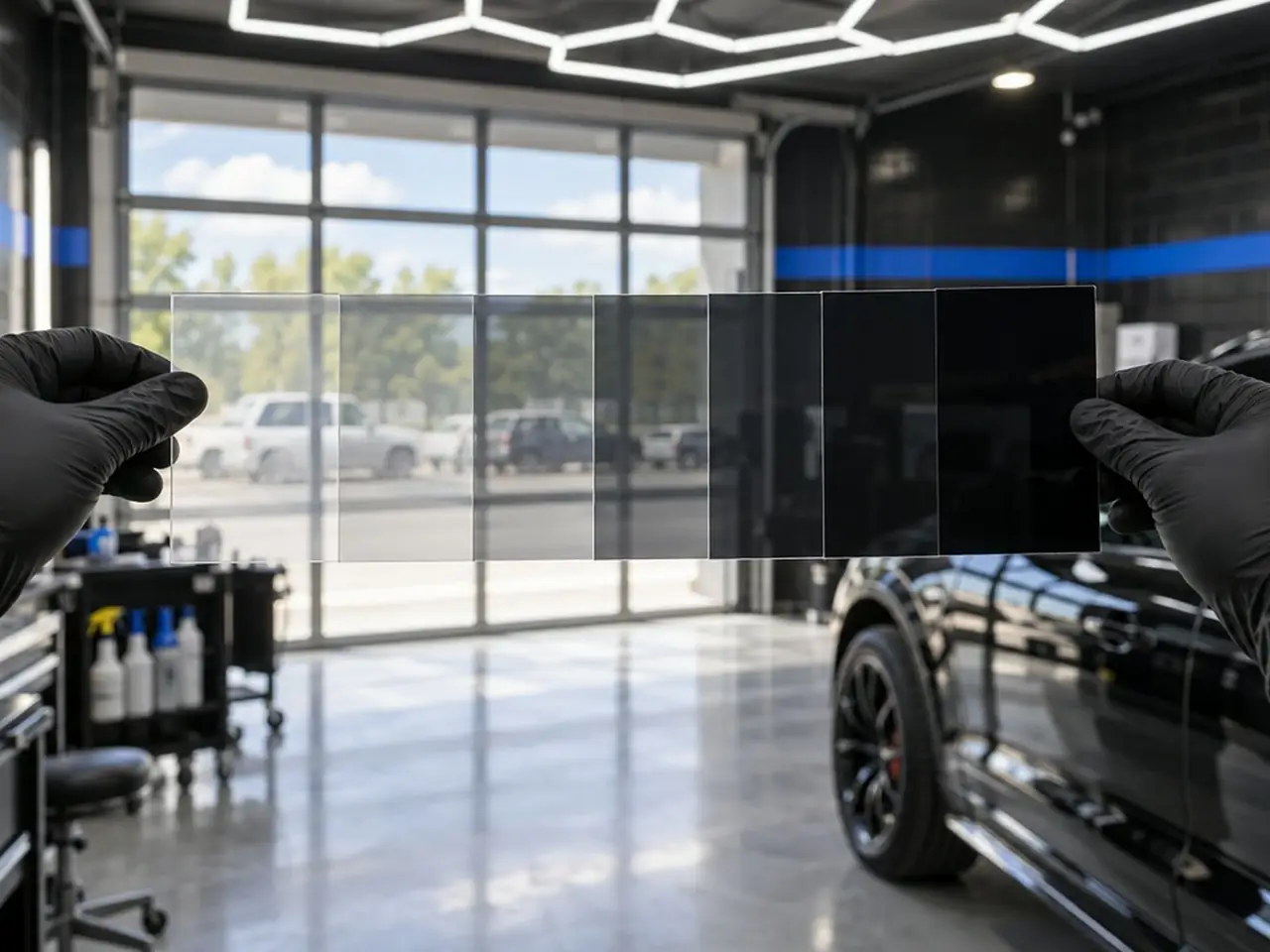
Glacier's nano-ceramic window tint comes in five nominal VLT grades across its three lines: 5%, 15%, 35%, 50% and 70%. Premium Ceramic offers four of them, up to 50%, while Ceramic Plus and Ceramic Ultimate Plus offer all five. Check each shade against your state's rule.
How should a shop explain nano ceramic window tint to a customer?
Say it is ceramic film whose ceramic particles are extremely small and non-metallic, applied to the inside of the glass, with no dye and no metal layer. Treat nano-ceramic as a name for a construction, not a performance rating, and use the line's spec table if the customer wants numbers.
Ready to order ceramic film rolls? Apply for a wholesale account.