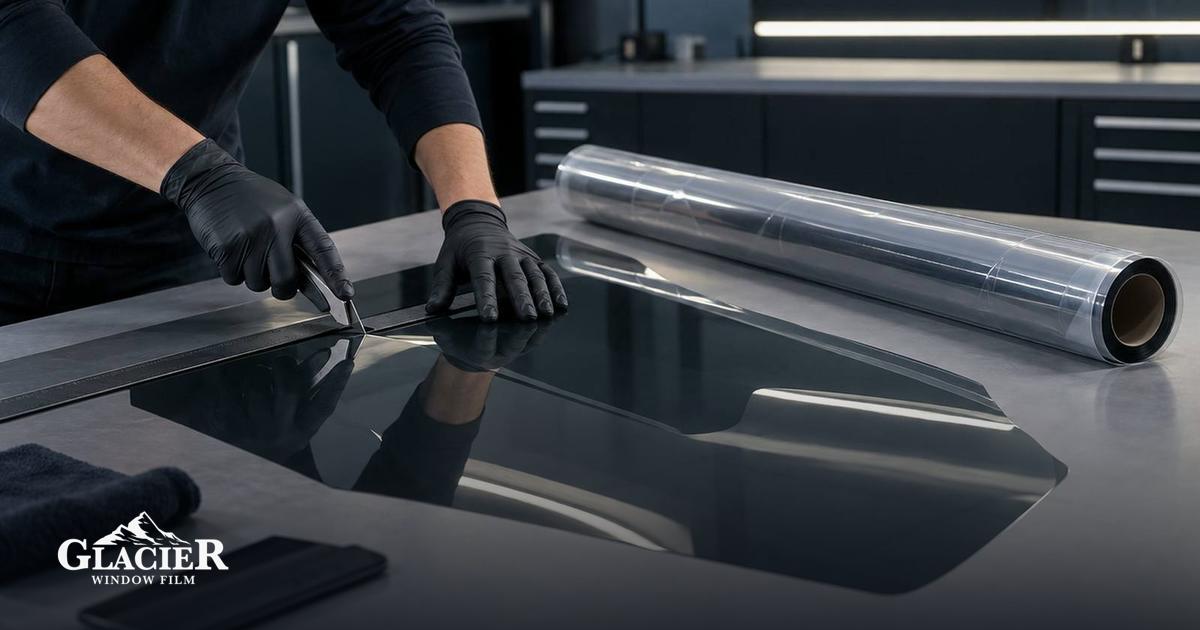
California window tint laws
California window tint law treats front side windows narrowly: for sedans and SUVs, film is not allowed except clear film of 88% or more VLT, with glazing still at 70% or more. Windows behind the driver are exempt (26708(b)(4)). The rear window is exempt if outside mirrors on both sides show 200 ft.
The windshield may have a clear band on top, 29+ inches above the seat, with no opaque lettering (26708(c)); that band may not be red or amber, and it may not reflect glare more than untreated glass. Front-side film must be clear and colorless.
The medical route is a removable sun-screen on the front side windows, with a physician or optometrist letter. The data gives 35%+ VLT, not used at night, medical shades green, gray or neutral smoke, and a maximum of 35% reflective. A certificate is carried in the vehicle for clear 88%+ film on the front sides (26708(d)(4)).
Where this page points: Cal. Veh. Code 26708 (amended Stats. 2025 ch. 417, eff. 1/1/2026) and 26708.2; the California record carries a verification date of November 12, 2026.
Glacier supplies window film to tint shops and installers nationwide; see the shade and product pages for lines.
This is general information, not legal advice; check your state's current rules before choosing a shade.
California VLT limits by window
Cars and sedans
Only clear film 88%+ VLT, glazing still >=70% (FMVSS 205)
Exempt: side windows to rear of driver (26708(b)(4))
Exempt if outside mirrors both sides show 200 ft (26708(b)(8))
Windshield. Clear strip on top, 29+ in above seat; no opaque lettering (26708(c)).
SUVs, vans and trucks
Same as sedan
Exempt: side windows to rear of driver
Exempt with dual outside mirrors, 200 ft view
Windshield. Clear strip on top, 29+ in above seat; no opaque lettering (26708(c)).
Official sources
A guide, not legal advice: tint laws change, so confirm the current rules with California before you install. Last verified November 12, 2026.
Film lines for California shops
Glacier sells automotive window film in several visible light transmission (VLT) options. Compare the three ceramic lines (Premium Ceramic, Ceramic Plus and Ceramic Ultimate Plus), see the full window film range, or open a wholesale account. Not sure which shade fits California’s limits? Check the table above and confirm with California before you quote a film.
Shops working on this topic also use how to read tint VLT percentages, automotive window film rolls, how ceramic and carbon tint differ and windshield tint strip rules by state.
California tint law questions
Can I tint my front side windows in California?
Only with clear, colorless film of 88% VLT or higher, and the glass plus film must still pass 70%. The installer, or the film maker if you install it yourself, provides a certificate that must be carried in the vehicle.
What are the rules for rear and back-side windows in California?
Side windows to the rear of the driver are exempt from the tint limits. The rear window is exempt too if outside mirrors on both sides give a 200-foot view behind. This applies to sedans and SUVs alike.
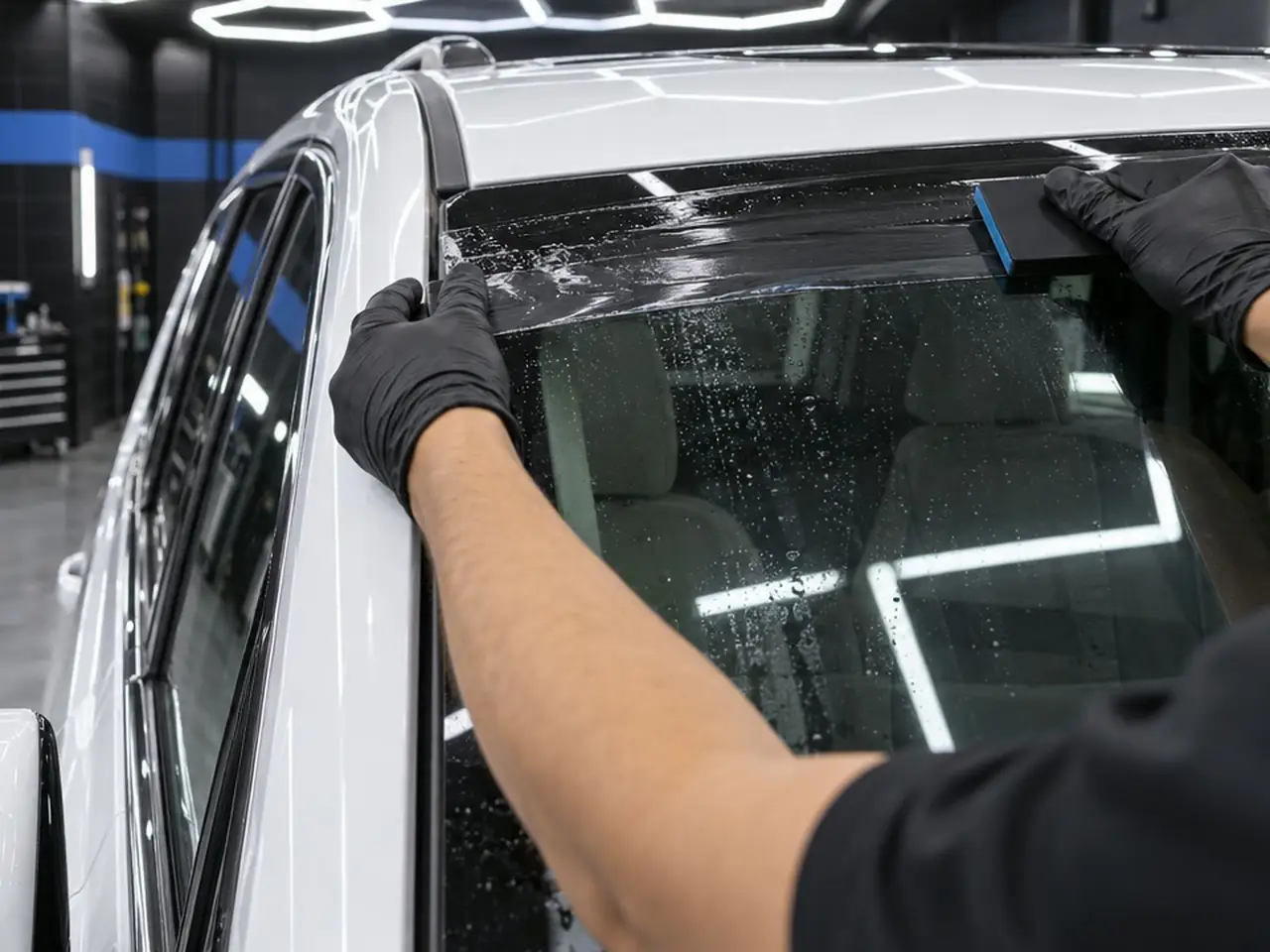
Does California allow tint for medical reasons?
It allows a removable sun-screen device on front side windows with a letter from a physician or optometrist. Transparent versions must be green, gray or neutral smoke at 35% VLT or more, with reflectance no higher than 35%, and not used at night.
What is allowed on a California windshield?
A clear strip on top, with its lower edge at least 29 inches above the seat, and no opaque lettering. The strip cannot be red or amber and may not reflect glare more than untreated glass. A dermatologist certificate opens a clear-film path for the windshield.
Picking a shade? See choosing the right VLT, try it in the Film Studio or request a quote.