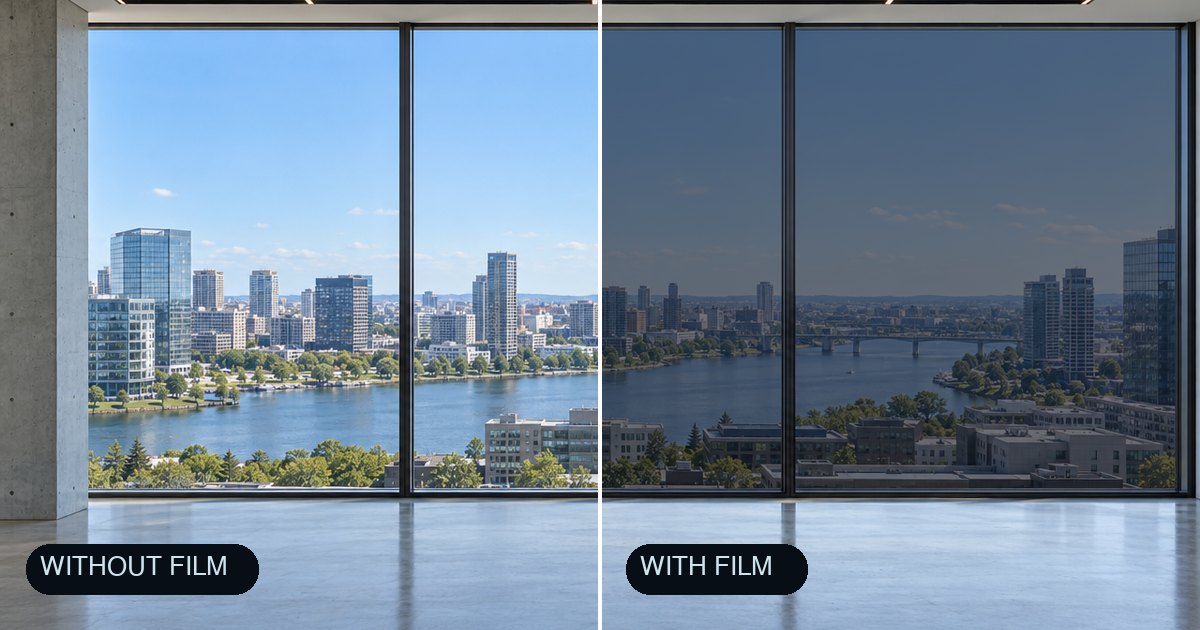
Window film for homes, commercial and auto: what a shop should stock
A window film shop should stock by segment: automotive film for vehicles, architectural film for homes and commercial glass, then privacy, security and safety, anti-graffiti or perforated film as demand grows. Glacier supplies all of these wholesale to tint shops and installers. Its automotive lines are ceramic-only and non-dyed.
What window film should a shop stock for each segment?
Each segment has its own customer, its own glass and its own install routine. Add one segment at a time, and keep the stock list tied to the jobs you actually quote.
| Segment | Film type | Glacier page | What the shop needs to know |
|---|---|---|---|
| Auto | Automotive window film | Automotive window film | Local tint rules by window position; roll film cut to each vehicle |
| Residential | Architectural (flat glass) film, privacy film, safety film | Flat glass window film | Glass type and frame, fading and glare concerns, customer expectations |
| Commercial and architectural | Architectural film, security and safety film | Flat glass window film | Large glass, measuring, bids, glass types and what the building owner wants |
| Privacy | Frosted, gradient and patterned film | Privacy window film | Look, glass type and what the film does day and night |
| Security and safety | Security film, safety film | Security Film | Holds broken glass together; not bulletproof and not a replacement for security glazing |
| Anti-graffiti | Replaceable clear layer over glass | Anti-graffiti film | Damage lands in the film, which is replaced |
| Perforated | Printable one-way-vision film | Perforated window film | Printing, lamination and applying; check local rules on vehicle windows |
What should an auto tint shop stock?
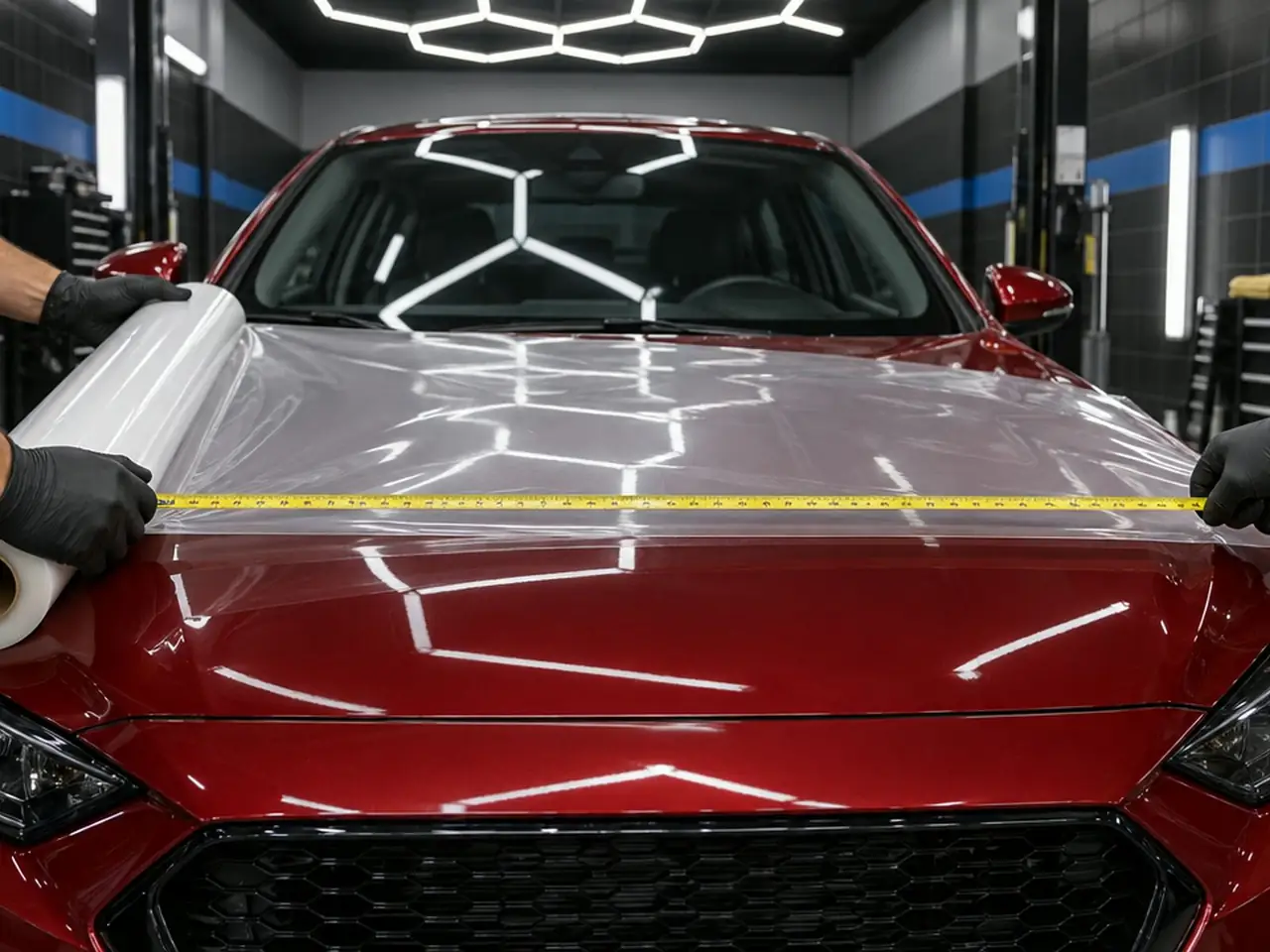
Automotive stock starts with a ceramic line in the shade categories your local rules and customers call for. Glacier's automotive lines are Premium Ceramic, Ceramic Plus and Ceramic Ultimate Plus, all ceramic and non-dyed.
The line-by-line choice, shade categories and new-versus-established stocking are covered in a separate guide so this page does not repeat them.
What should a shop stock for residential work?
Home customers ask about heat, glare, fading and privacy. A shop usually serves them with architectural film for sun and glare, privacy film for bathrooms and entries, and safety film where broken glass is a worry.
Ask your Glacier rep which film families are available for flat-glass work, and in what flat-glass widths.
A home appointment rewards a slow walk around the house before anyone talks film. Note which rooms face the sun, where furniture or flooring shows fading, and which panes matter for privacy, then look at the glass itself for etched marks, frames and existing film. Sketch each elevation and number the panes so measurements and photos match later. Ask what the owner wants to change first, whether glare, fading or privacy, because that answer picks the film family more reliably than the size of the window does.
- Architectural film for sun and glare on windows and doors.
- Privacy film for bathrooms, entries and interior glass.
- Safety film where customers want glass held together if it breaks.
- Samples to show customers the look on their own glass.
What should a shop stock for commercial and architectural jobs?
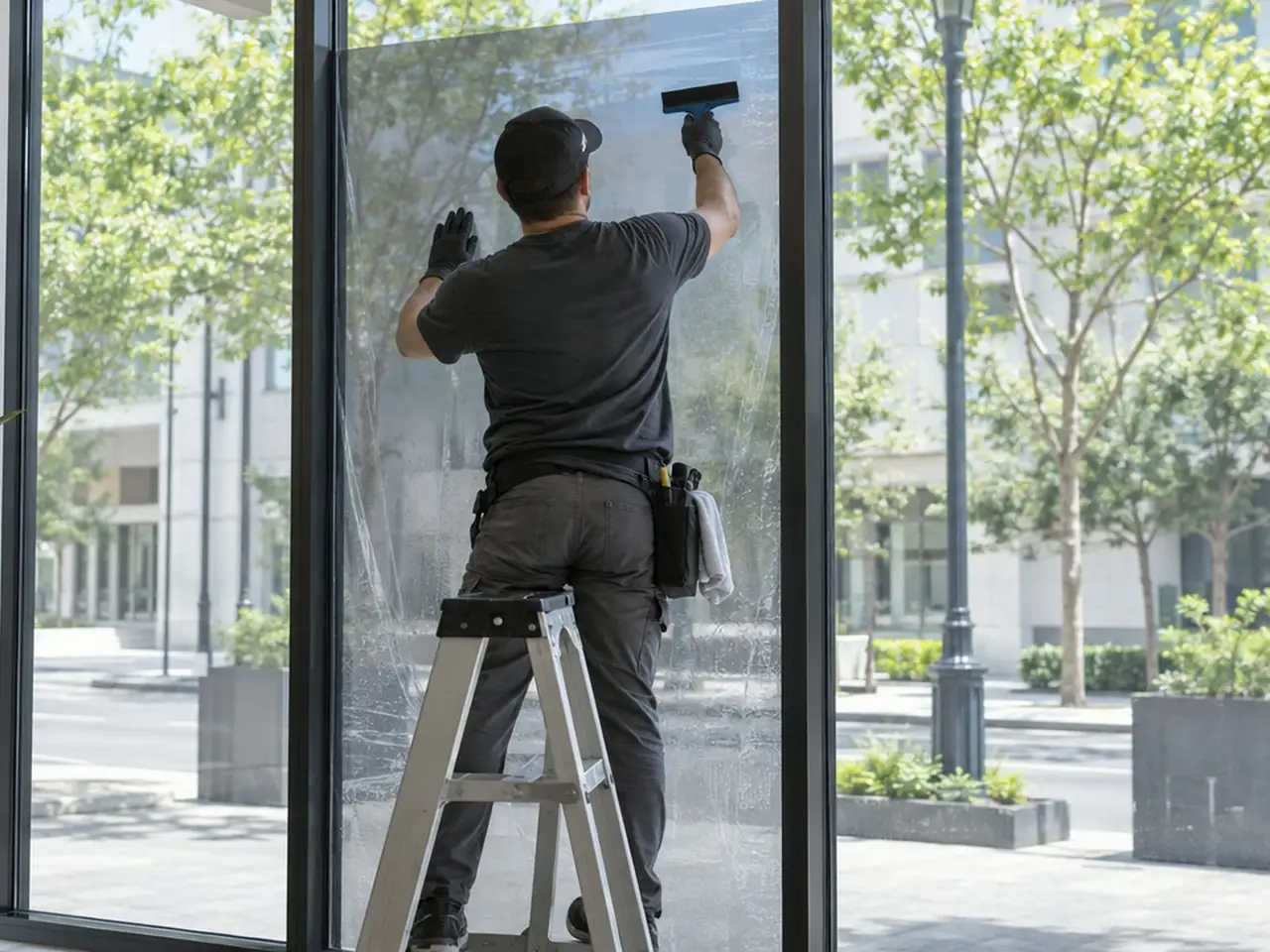
Commercial work is bid by the job, on larger glass, often with several film types in one building. It rewards a shop that can quote architectural, privacy and security film from one supplier.
Glass type matters before film choice, so build a glass check into every bid.
- Architectural film for storefronts, offices and public buildings.
- Privacy film for conference rooms, clinics and entrances.
- Security and safety film for glass that must stay together when broken.
- Anti-graffiti film for glass that is prone to scratching or tagging.
- Spec sheets and samples on hand for bids.
Which specialty films are worth adding?
Specialty film is demand-led. Add it when customers ask and your team has the install skills.
- Privacy film: frosted, gradient and patterned looks for homes and offices.
- Security and safety film: holds broken glass together; it does not stop every break-in.
- Anti-graffiti film: a replaceable layer that takes scratches and tags.
- Perforated film: printable one-way-vision film for storefronts and fleet or vehicle graphics, mainly for sign and wrap shops.
How do I decide which segment to add next?
Let your customers and your crew decide. A new segment needs install skills, tools and sales effort, so add it when all three are ready.
- 1. Note what customers already ask for that you do not offer.
- 2. Check that your team has, or can learn, flat-glass prep and measuring.
- 3. Request samples and test them on a practice pane.
- 4. Start with one film type in the new segment.
- 5. Review what sells and add the next type from that evidence.
How does the stock list differ by segment?
Organize a commercial bid by elevation and glass type, not by room. Give each group its own line with the film chosen, so the building owner can accept the storefront and hold the upper floors, or the other way around. List the panes you left out and why, such as glass still waiting on an answer from the window maker. A bid built in groups is easier to revise, and it keeps the glass check visible instead of buried in notes.
| Segment | Stock logic | Install note | First question for your rep |
|---|---|---|---|
| Auto | By shade category and vehicle mix | Cut to each vehicle | Which ceramic line suits my customers? |
| Residential | By customer concern: sun, privacy, safety | Flat-glass prep and measuring | Which flat-glass film families and widths are available? |
| Commercial | By building and glass type | Bid-based, larger glass | Which spec sheets can I use in bids? |
| Specialty | By demand, one type at a time | Segment-specific skills | How do I get samples? |
What tools and plotter do these segments share?
Auto, residential and commercial work share many tools: squeegees, blades, prep supplies and a cutting plotter. Glacier also sells Jaguar plotters in 40 inch and 72 inch widths.
What should I ask my Glacier rep about stocking?
Ask your Glacier rep for available families in flat-glass widths, for samples, and for availability and timing for your order. Ask your Glacier rep for the warranty terms on each automotive film line.
Glacier sells wholesale to tint shops, installers and dealers and ships nationwide. It does not sell to drivers or homeowners.
For ceramic lines and shade categories on cars, choose What film should a tint shop stock? Film types by customer need instead of this segment guide, and use Glass types and film compatibility questions before any flat-glass quote.
Shops working on this topic also use how ceramic and carbon tint differ, window tint laws by state, window film basics and the tint shop supplier guide to film and tools.

In this guide
- What window film should a shop stock for each segment?
- What should an auto tint shop stock?
- What should a shop stock for residential work?
- What should a shop stock for commercial and architectural jobs?
- Which specialty films are worth adding?
- How do I decide which segment to add next?
- How does the stock list differ by segment?
- What tools and plotter do these segments share?
- What should I ask my Glacier rep about stocking?
Quick answers
12 questions. Select one to open it.
What types of window film should a shop stock for auto, residential and commercial work?
Stock automotive film for vehicles, architectural film for homes and commercial glass, and add privacy, security, safety, anti-graffiti or perforated film as customers ask. Add one segment at a time.
Do I need different film for homes than for cars?
Yes. Car film is cut from rolls to fit vehicle glass, while homes and buildings use architectural or flat-glass film chosen for the glass and the goal. Install prep and measuring also differ.
What window film should a tint shop stock for commercial buildings?
Architectural film for sun and glare, plus privacy, security, safety or anti-graffiti film depending on the building and the owner's goals. Check the glass type before choosing film and keep spec sheets and samples ready for bids.
Is Glacier's automotive window film ceramic?
Glacier's automotive window film lines are ceramic-only and non-dyed. See each product page for what the line is.
What privacy window film should a shop carry?
Carry the looks your customers ask for, such as frosted, gradient and patterned film. See Glacier's privacy film page and the Privacy Simulator, and ask your Glacier rep about options.
What is the difference between security film, safety film and anti-graffiti film?
Security and safety film hold broken glass together. Anti-graffiti film is a replaceable layer that takes scratches and tags so the glass underneath stays clean. See the security film pages for details.
What is perforated window film used for?
Perforated film is a printable film with tiny holes that lets people inside see out while the outside shows a printed graphic. It is mainly used for storefront windows and vehicle or fleet graphics.
What flat-glass widths and film families does Glacier supply?
Ask your Glacier rep for available families in flat-glass widths. Ask your Glacier rep what product information is available, and a rep can match film and widths to your work.
Should an auto tint shop add commercial and residential film?
It can be a natural second service line if your team learns flat-glass prep and measuring. Test samples first and add one film type at a time. Glacier supplies architectural, privacy, security and safety film to shops and installers.
Can a homeowner or driver buy Glacier window film directly?
No. Glacier sells wholesale to tint shops, installers and dealers. Customers get Glacier film through a shop. Shops can apply for a wholesale account or request a quote.
How should I organize a commercial window film bid with several film types?
Group panes by elevation and glass type, give each group its own line with the film chosen, and list any panes left out and why. The owner can then accept parts of the bid and you can revise one group without redoing the rest.
What should I record on a residential window film walk-through?
Sketch each elevation and number the panes. Note sun exposure, signs of fading, existing film, glass marks, frame type, and the owner's main goal, whether glare, fading or privacy. Photograph each pane in daylight so measurements and photos match.
Serve home, commercial and auto customers? Apply for a wholesale account.